


 Cover image via
 Follow us on Instagram, TikTok, and WhatsApp for the latest stories and breaking news.
Have you ever stood in line at a fancy juice bar, paid RM20 for a cup of celery and green apple juice, and thought, "I could probably make this at home for less than RM10"?
That exact thought was what led us to find a juicer of our own. Making fresh juice is a fantastic way to include some extra vitamins in your daily routine.
However, we were completely overwhelmed by all sorts of new terms online. You'd see words like 'cold press', 'slow masticating', and 'centrifugal' thrown around like marketing buzzwords.
Each type of machine works differently, extracts different textures, and demands different levels of patience.
Let's break down the main types of juicers so you don't waste your hard-earned money.
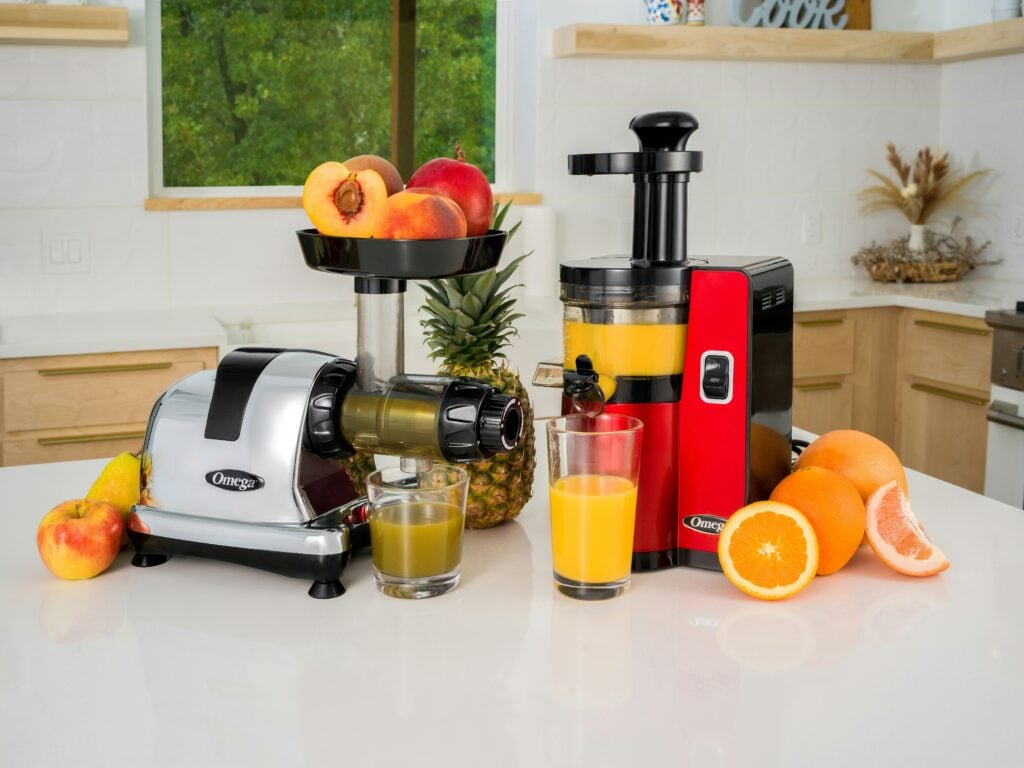
Image used for illustration purposes only.
Image via Tom Welsh/UnsplashCentrifugal juicers are fast juicers, but they come with some drawbacks
This is the classic machine most of us grew up seeing. It uses a high-speed metal blade that spins at thousands of revolutions per minute, grinding your fruits against a mesh filter to force the liquid out.
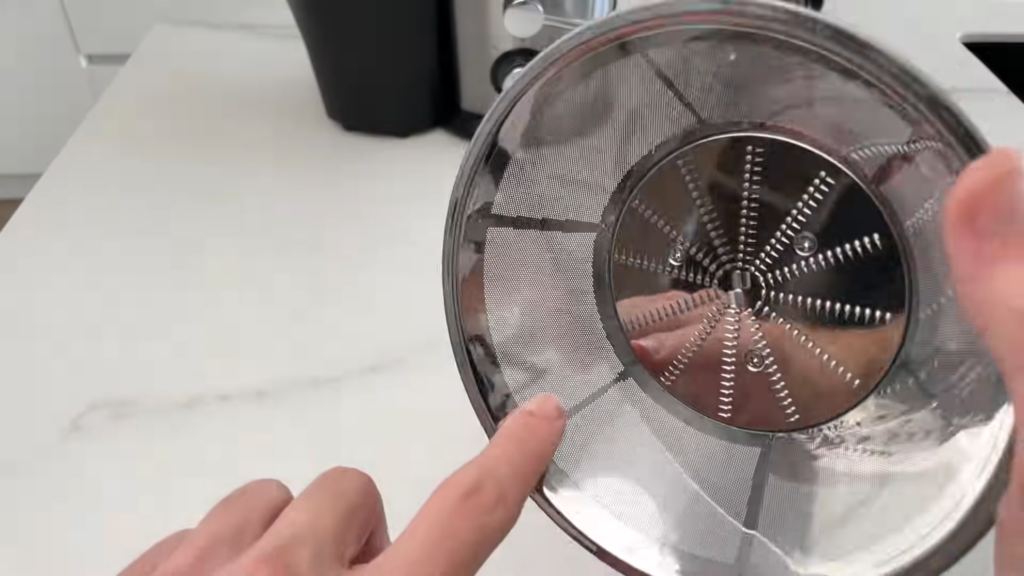
It is fast, affordable, and usually has a wide chute. You can toss in a whole green apple without spending 10 minutes chopping it into tiny cubes first, and the pulp separates into another container.
However, it can be as loud as a blender, which will definitely wake up your entire household if you're juicing at 7am. The high-speed spinning also generates heat and introduces air into the liquid, frothing up your yield.
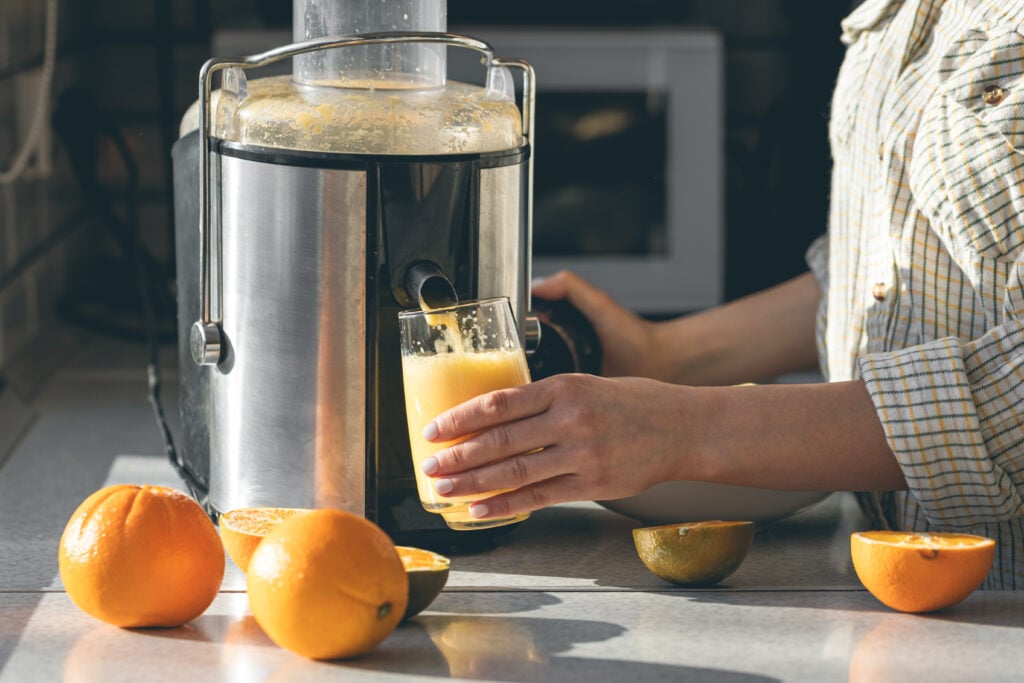
A centrifugal juicer uses centrifugal force to extract the juice.
Image via MagnificThe juice comes out quickly, but it tends to separate into a watery layer and a foamy layer within a few minutes. You need to drink it immediately because rapid oxidation will make it lose its fresh flavour quickly.
The masticating juicer, or slow juicer, squeezes the juices out instead of blending the fruit
Also known as a 'cold press' juicer, this machine uses a slow-rotating screw called an auger.
Instead of chopping produce with sharp blades, it gently crushes and 'chews' the fruits with an auger to squeeze the liquid out through a screen and separates the pulp from the juice.
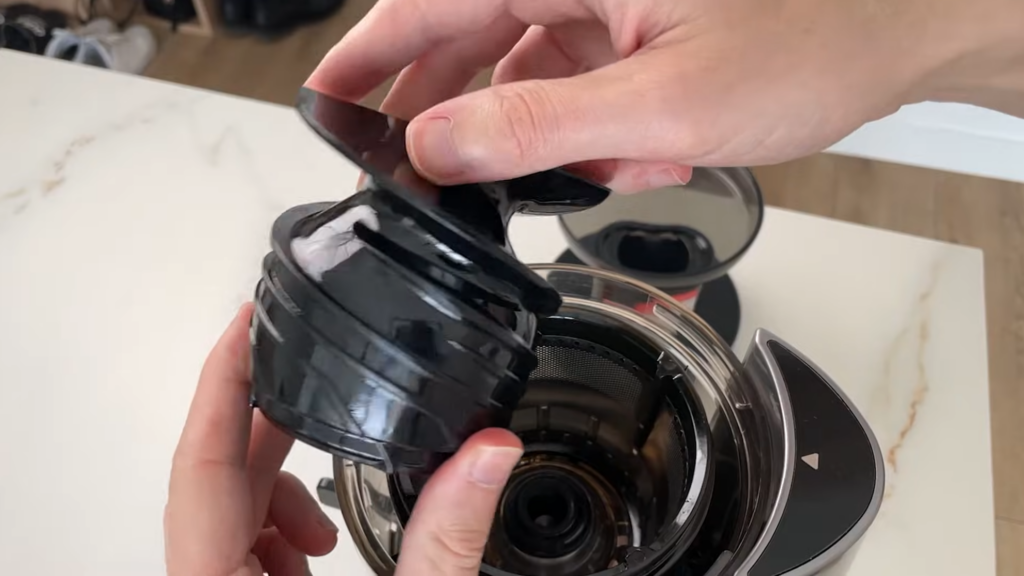
A cold press auger.
Image via Sprint Kitchen (YouTube)Since there are no high-speed blades, there is almost no friction heat. It extracts more liquid than a centrifugal model does, leaving behind a bone-dry pulp. It is also quieter and handles tricky leafy greens like kale, spinach, or celery with ease.
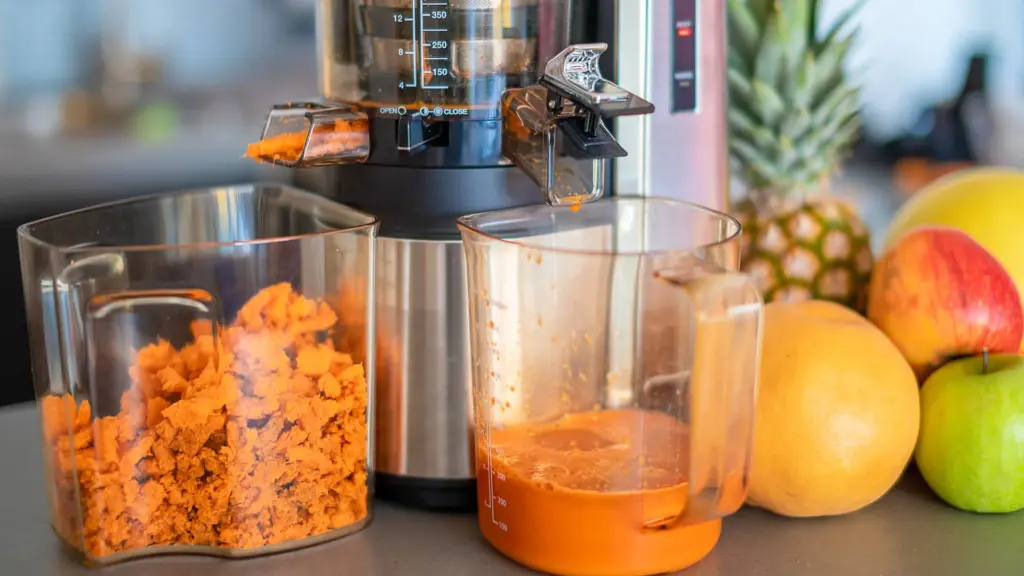
On the flip side, these machines are generally more expensive than a typical centrifugal juicer and take longer to operate. You usually have to chop your ingredients into smaller pieces to prevent jams. Cleaning all the internal strainers can also take a few extra minutes.
However, you get a rich, vibrant, smooth drink with minimal foam and almost zero separation. Because of the low oxidation, you can store it in a sealed glass bottle in the fridge for up to two days without it spoiling.
For specific use cases, you can opt for a citrus press, or even a heavy-duty twin-gear juicer
If you only care about fresh orange or lime juice, a simple electric or manual citrus press is all you need. They are cheap, tiny, and take only 30 seconds to wash under the tap.
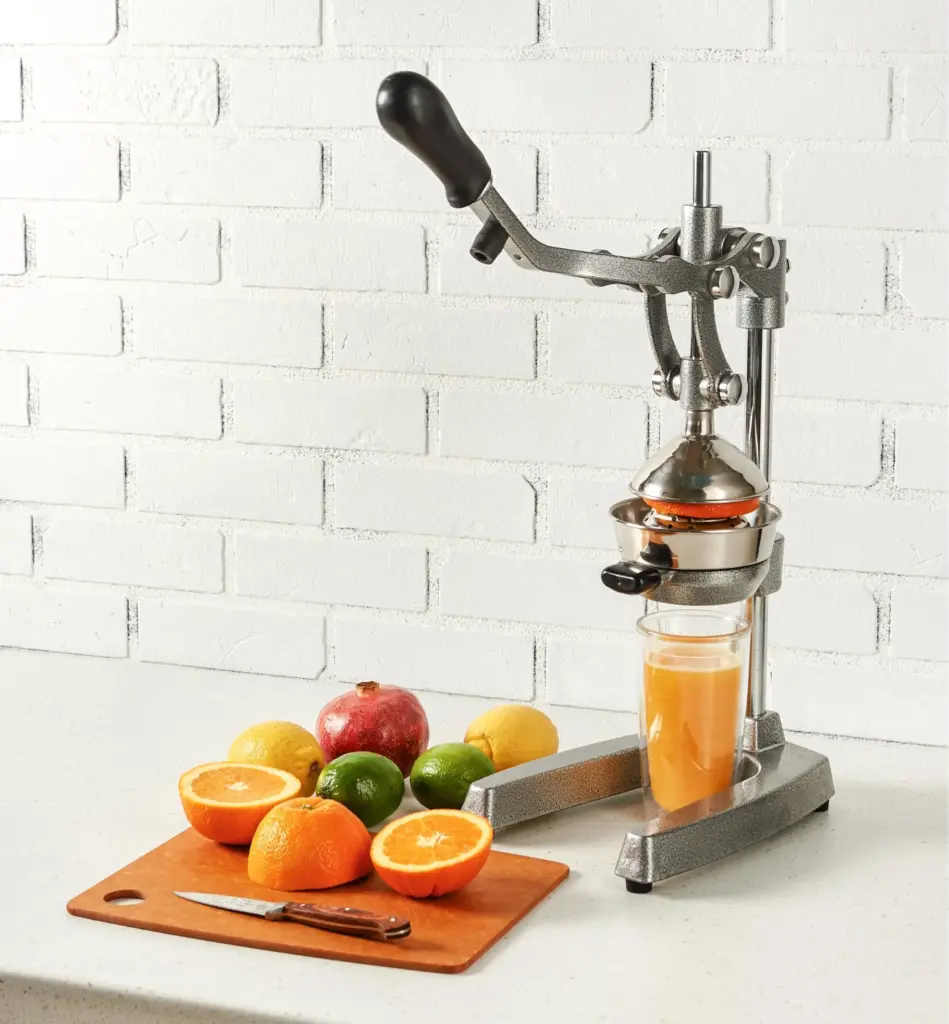
A citrus press.
Image via IsignyOn the opposite end of the spectrum is the twin-gear (triturating) juicer. Think gerai air tebu, and you'll know exactly which device we're talking about.
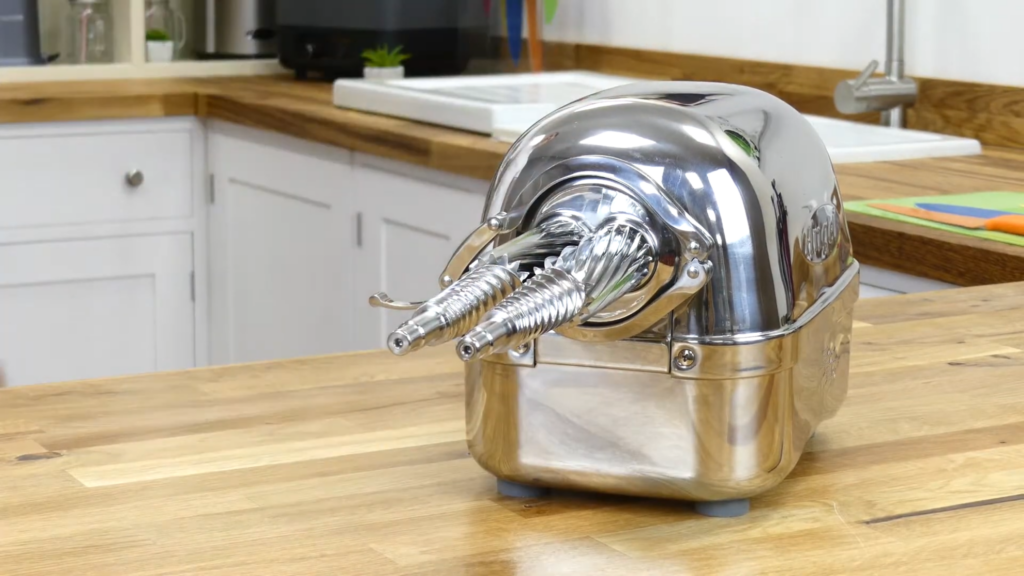
A twin-gear juicer.
Image via Juicers.co.uk (YouTube)This heavy-duty machine uses two interlocking gears to crush produce. It offers the highest nutrient retention and juice yield possible, but it is heavy, very expensive, and mostly targeted at serious health enthusiasts or commercial setups.
So, which one should you actually buy?
It really comes down to your personal morning routine and what you actually plan to squeeze.
If you are always running late for work and just want a quick glass of carrot or orange juice before heading out, get a centrifugal juicer. Most models do a decent job and can get your juice done in less than 30 seconds.
However, if you are serious about green juices, batch-preparing your drinks for the week, or simply hate loud kitchen noises, invest in a masticating slow juicer. Modern brands make vertical slow juicers that do not take up much counter space and are much easier to wash than older models.
When all is said and done, the best machine is simply the one you will actually use every morning instead of letting it collect dust in a kitchen cabinet.
