How Many ‘Damansaras’ Are There In The Klang Valley? Here’s The History Behind Each Township
We've plotted them on an interactive map so you can quickly see where each Damansara is located.


 Cover image via
 Follow us on Instagram, TikTok, and WhatsApp for the latest stories and breaking news.
Damansara is one of the Klang Valley's most recognisable place names, with numerous neighbourhoods sharing the name across both Kuala Lumpur and Selangor
But have you ever wondered how many Damansaras there are, and how each came to be?
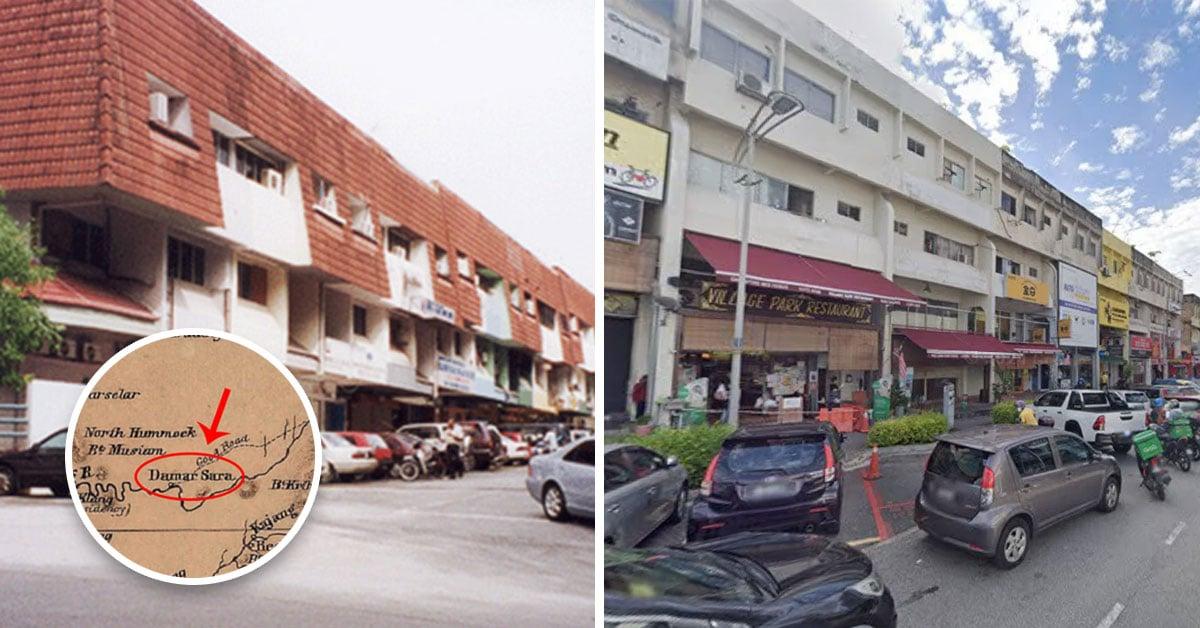
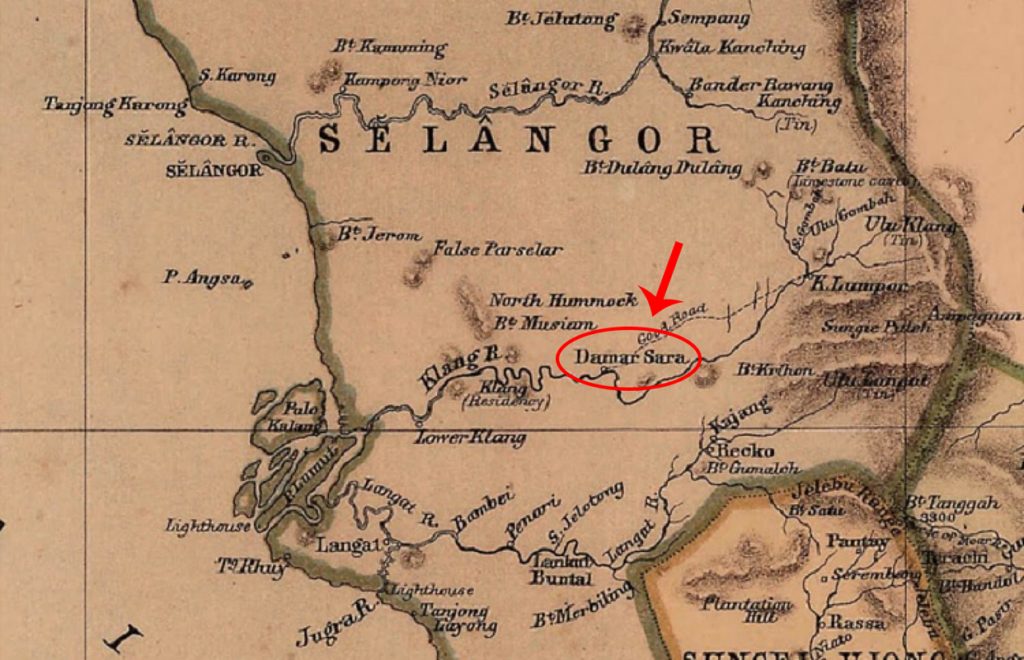
As you may already know, the name Damansara is believed to have originated from a misspelling of the original 'Damar Sara'. 'Damar' refers to resin extracted from tropical trees, while 'Sara' means precious or important in Sanskrit.
During the implementation of the Torrens land system in 1891 under the governance of the British Resident and land registrar of Selangor, Sir William Maxwell, a registrar reportedly mistook the letter 'r' for an 'n' and inadvertently merged the original two-word name.
This is why maps predating 1891 refer to the area as Damar Sara.
More than a century later, Damansara no longer refers to a single location.
Today, saying you're heading to Damansara often raises a follow-up question: which one?
To untangle the confusion, here's a brief history of the various Damansaras found across the Klang Valley
Where Are The 12 Damansaras?
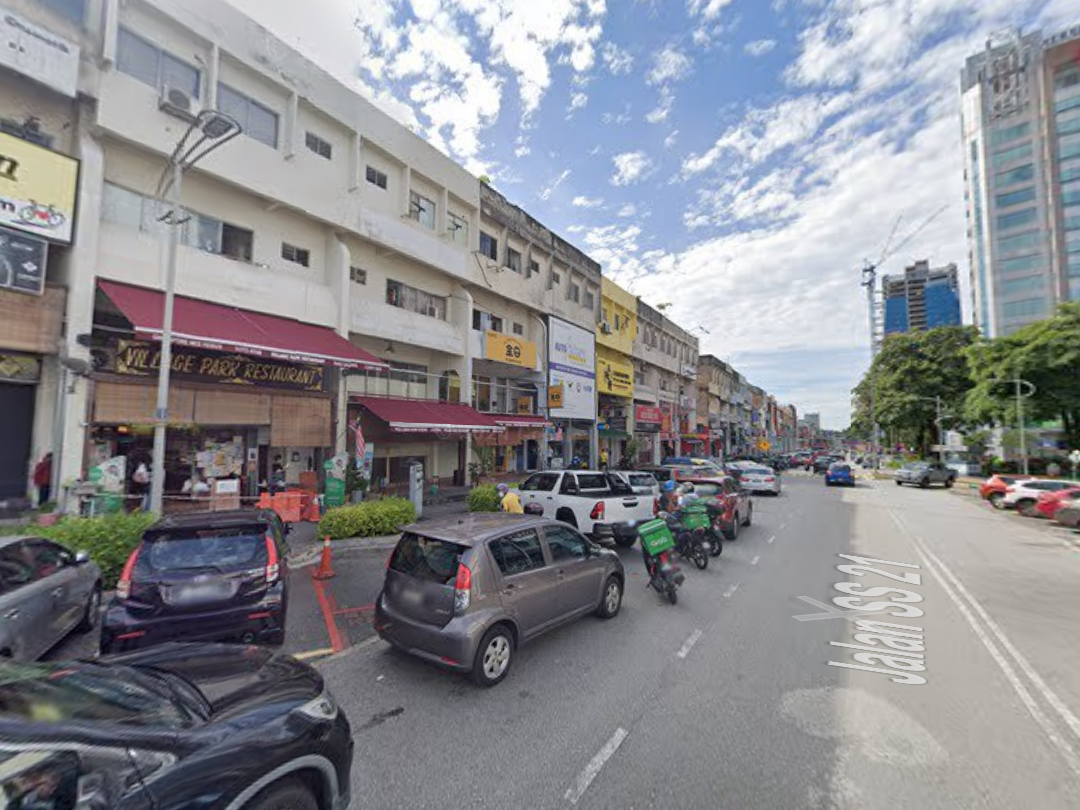
1. Damansara Kim, SS20
Developed by: Tan Lai Kim Group
Completed by: 1983
Known for: older landed homes and shophouses
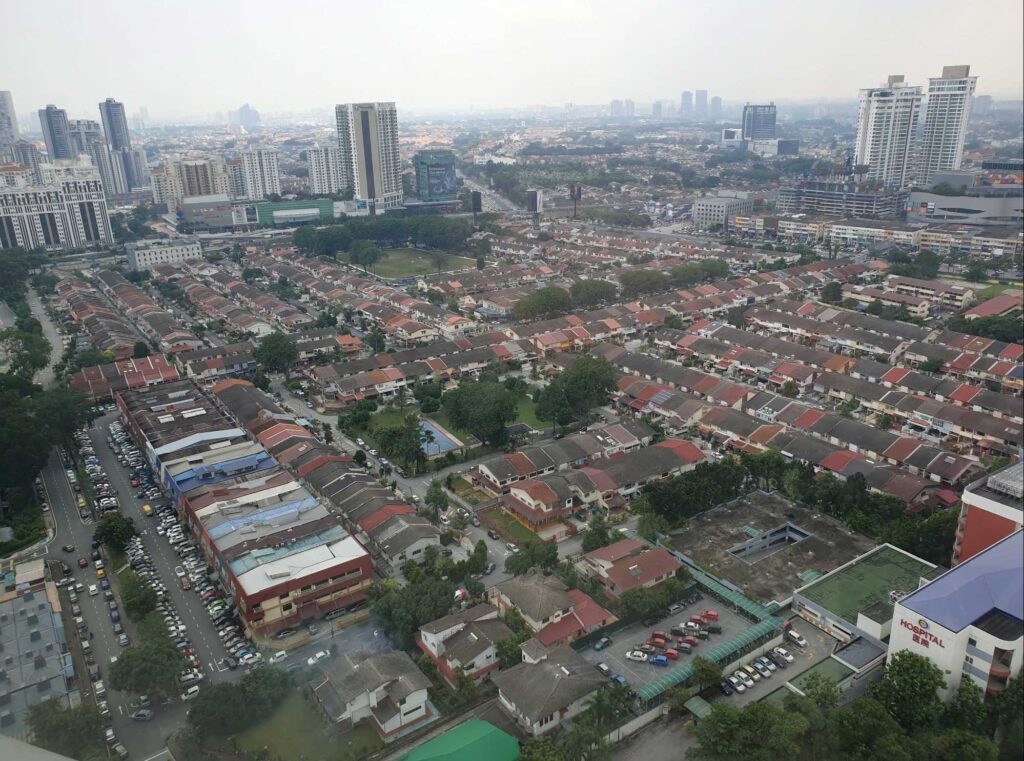
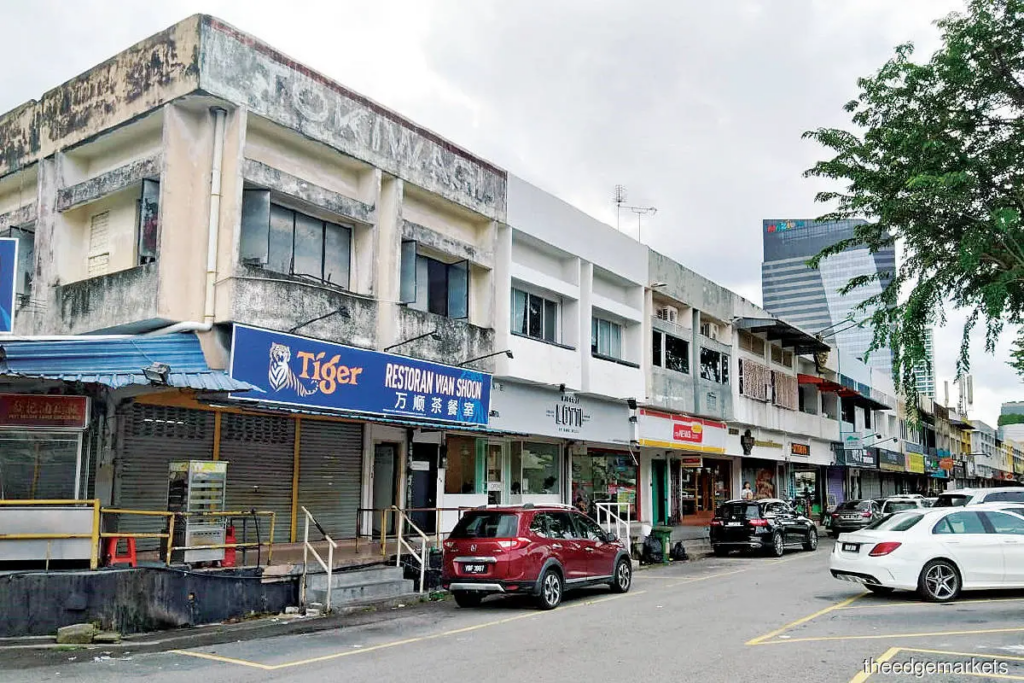
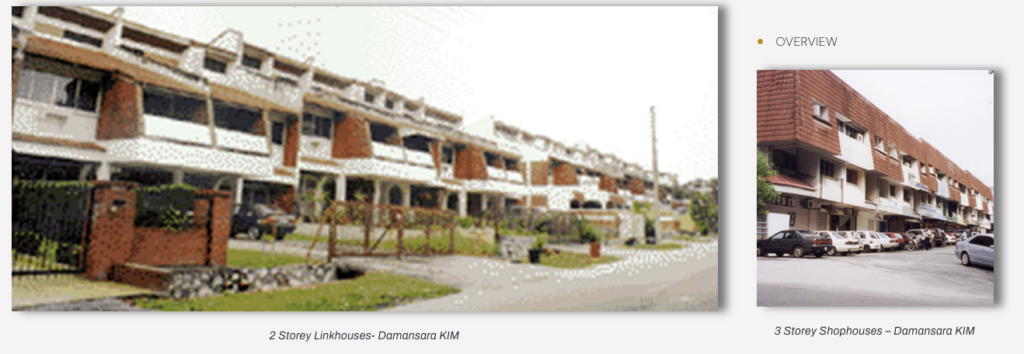
The township was developed by Tan Lai Kim Group, from which it derives the 'Kim' in its name.
On the property developer's website, the group says it completed Damansara Kim in SS20, comprising three-storey shophouses, two-storey shophouses, and two-storey terrace houses.
After the recession in the mid-1980s, the group restructured to streamline its business activities into various functional divisions for efficiency. Through that exercise, Capital Land Sdn Bhd undertook all development projects of the group.
Today, it is a mature residential pocket, though property writers sometimes describe SS20 as part of the wider Damansara Utama area.
2. Damansara Utama, SS21
Developed by: See Hoy Chan Sdn Bhd Group
Developed in: mid-1970s
Known for: Uptown, the Starling, shoplots, offices, cafes, landed homes
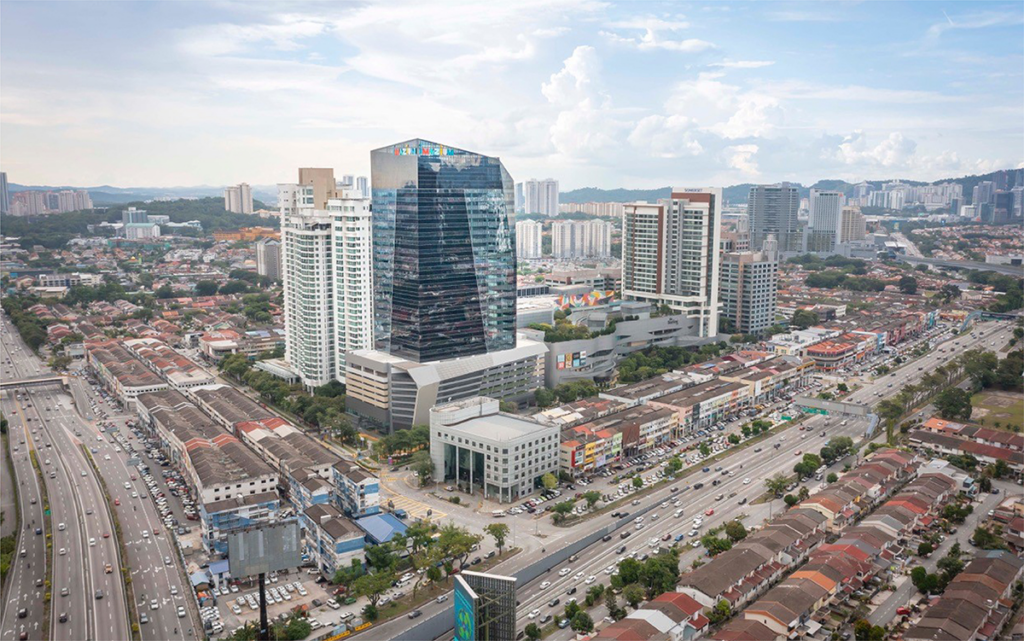
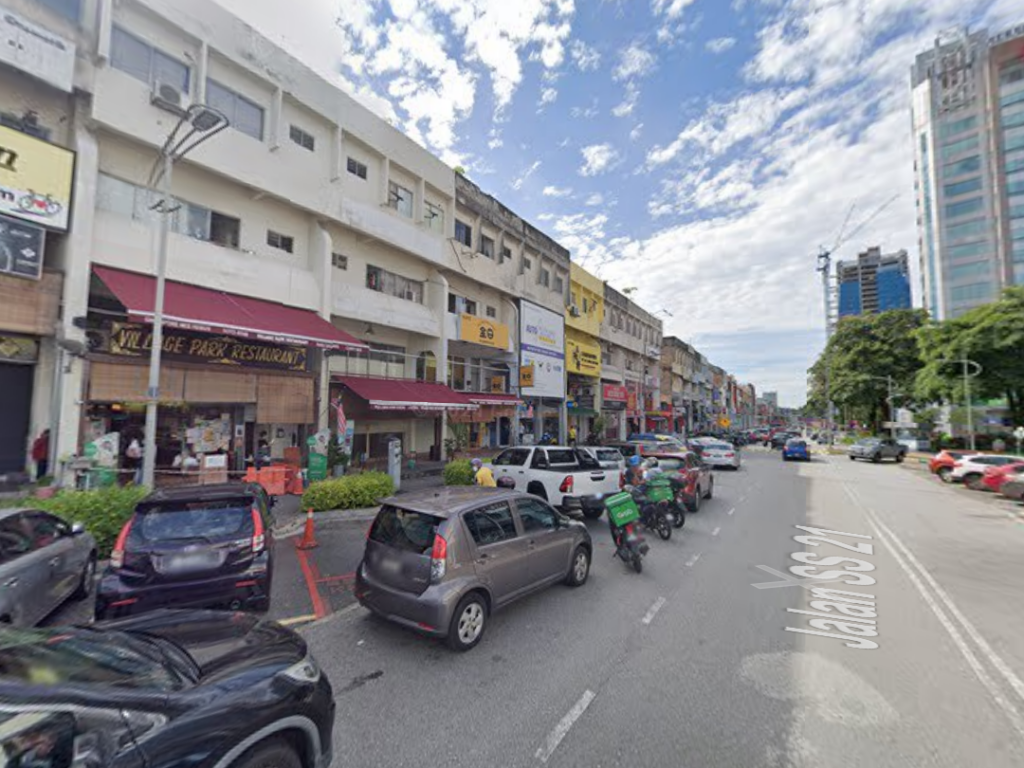
Damansara Utama is the area most people associate with Damansara Uptown.
On See Hoy Chan Sdn Bhd Group's website, the developer noted Damansara Utama as one of its enduring success stories, along with other developments, including Taman Paramount, Taman Bahagia, and Damansara Jaya.
With over 80 years of history, EdgeProp reported that the group developed Damansara Uptown with almost 3,000 terraced houses, semi-detached houses, bungalows, and over 300 shophouses.
The residential side is mostly landed homes, while Uptown became a commercial centre filled with banks, restaurants, cafes, offices, and later newer landmarks like The Starling and UPtown 8.
Not to be confused with neighbouring Bandar Utama, home to 1 Utama Shopping Centre, Damansara Uptown is a neighbouring township to the shopping and residential landmark.
However, both areas were developed by See Hoy Chan Sdn Bhd Group, founded by the late Tan Sri Teo Soo Cheng, reported The Edge.
Today, the group's businesses are led by his son, Tan Sri Teo Chiang Kok, including 1 Utama Shopping Centre and its surrounding townships.
Fun fact: If you haven't already realised, See Hoy Chan was never a person. The property development company's name comes from the Chinese name 四海栈, meaning Trading House of the Four Seas.
3. Damansara Jaya, SS22 and SS22A
Developed by: Paramount Garden, then part of See Hoy Chan Sdn Bhd group
Developed in: mid-1970s
Known for: Atria Shopping Gallery, shoplots, schools, mature landed housing
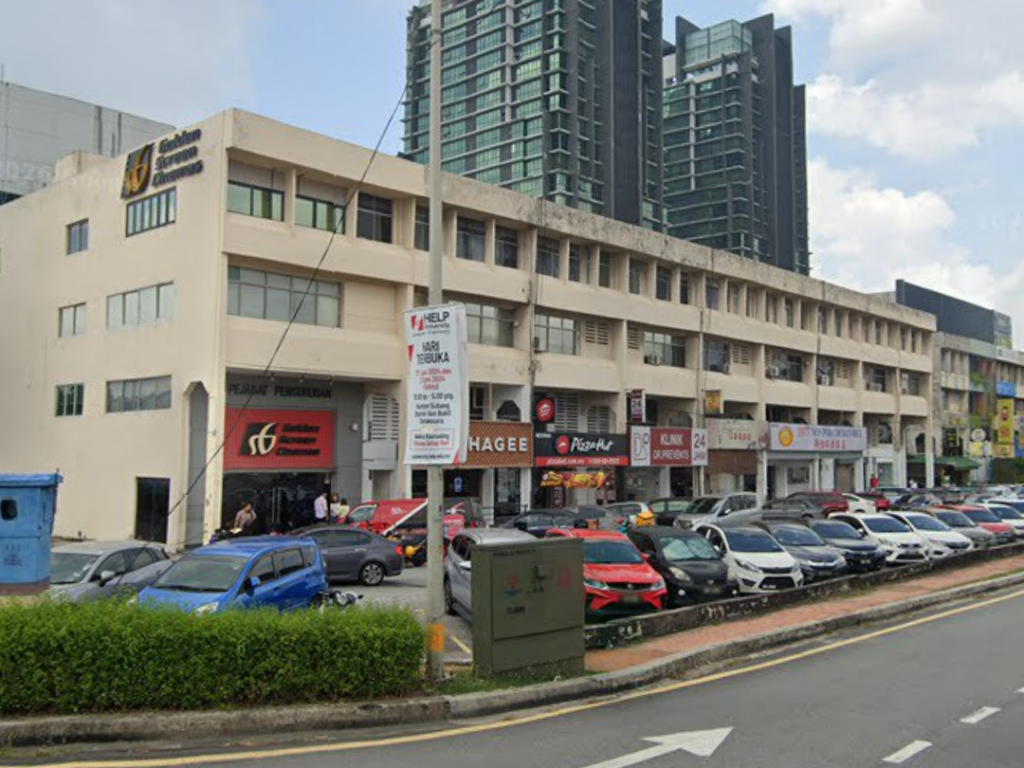
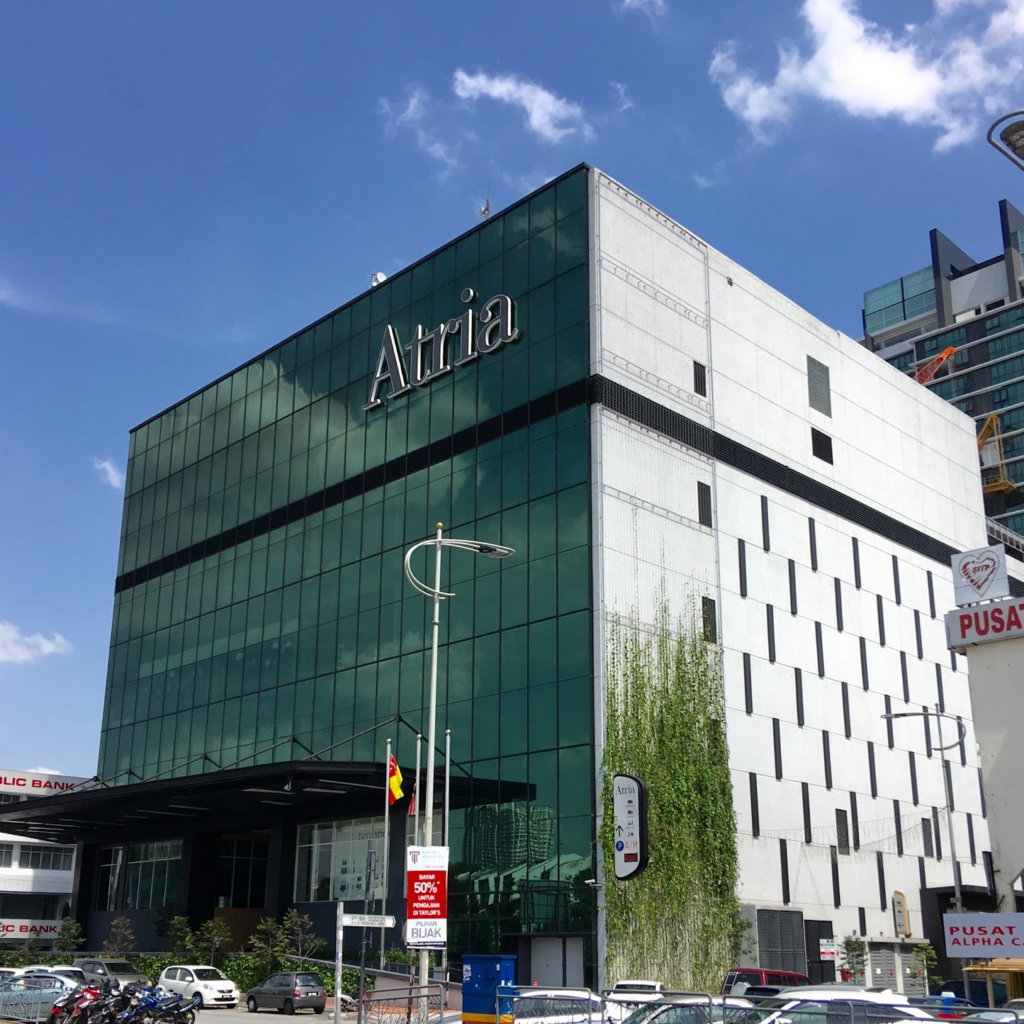
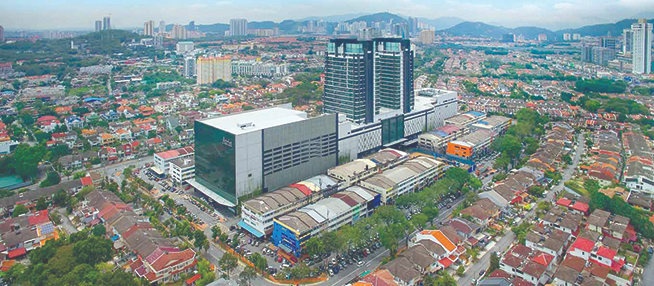
Damansara Jaya came shortly after Damansara Uptown.
According to The Edge, it was developed by Paramount Garden, initially part of See Hoy Chan, in the mid-1970s. It comprises SS22 and SS22A, and has about 2,000 residential and commercial properties.
Its best-known landmark is Atria Shopping Gallery, while the surrounding shoplots are known for food, tuition centres, offices, and long-running neighbourhood businesses.
4. Ara Damansara, PJU1A
Developed by: Sime Pilmoor Development Sdn Bhd, under Sime Darby
Developed from: 1999
Known for: planned township, gated landed homes, condos, medical centre, malls
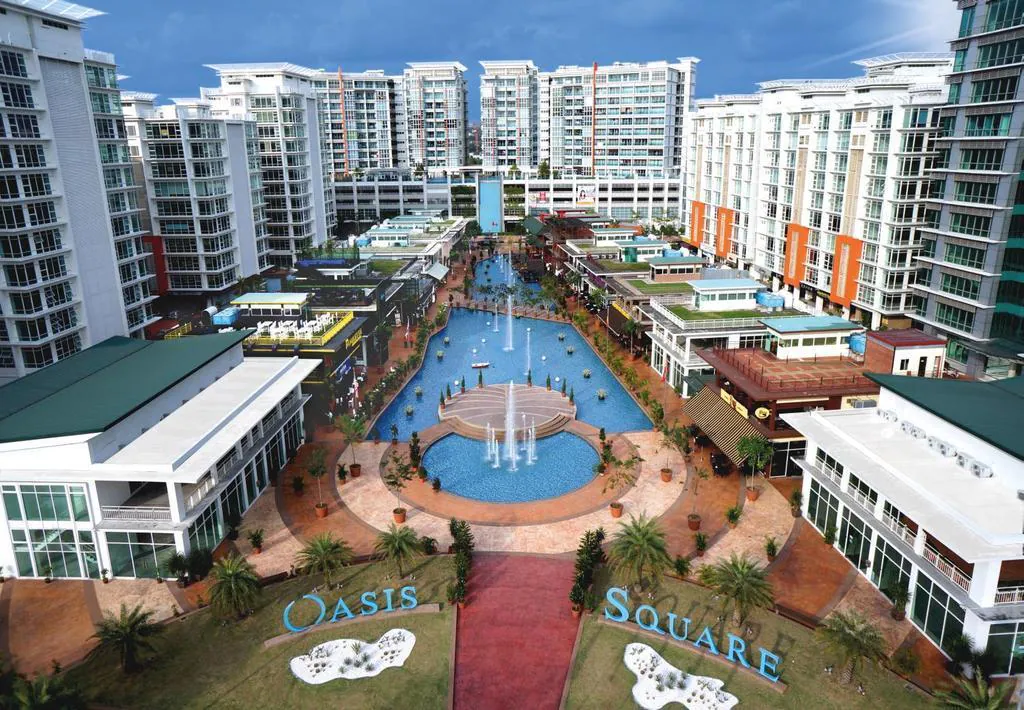
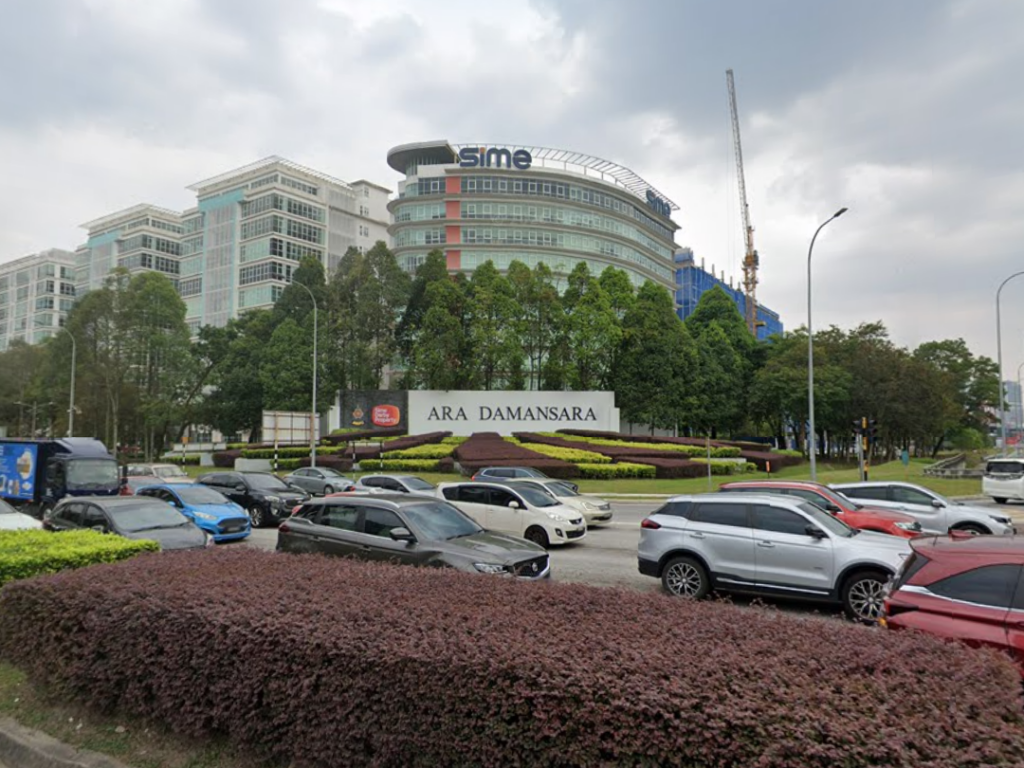
Ara Damansara was developed from 1999 by Sime Pilmoor Development, a Sime Darby unit.
It was planned as a large township of about 739 acres, with a mix of landed homes, gated enclaves, condominiums, serviced residences, commercial areas, and amenities such as Citta Mall, Oasis Square, Ara Damansara Medical Centre, and LRT access.
The township is located along Jalan Lapangan Terbang Sultan Abdul Aziz, which provides direct access to Sultan Abdul Aziz Shah Airport, better known as Subang Airport.
5. Sunway Damansara, PJU3
Developed by: Sunway City Bhd and PKNS
Started in: 1995
Known for: Luxury homes such as Sunway Rymba Hills and Laman Impian Garden Villas, industrial zone, and a specialty café and steakhouse operating from factory lots
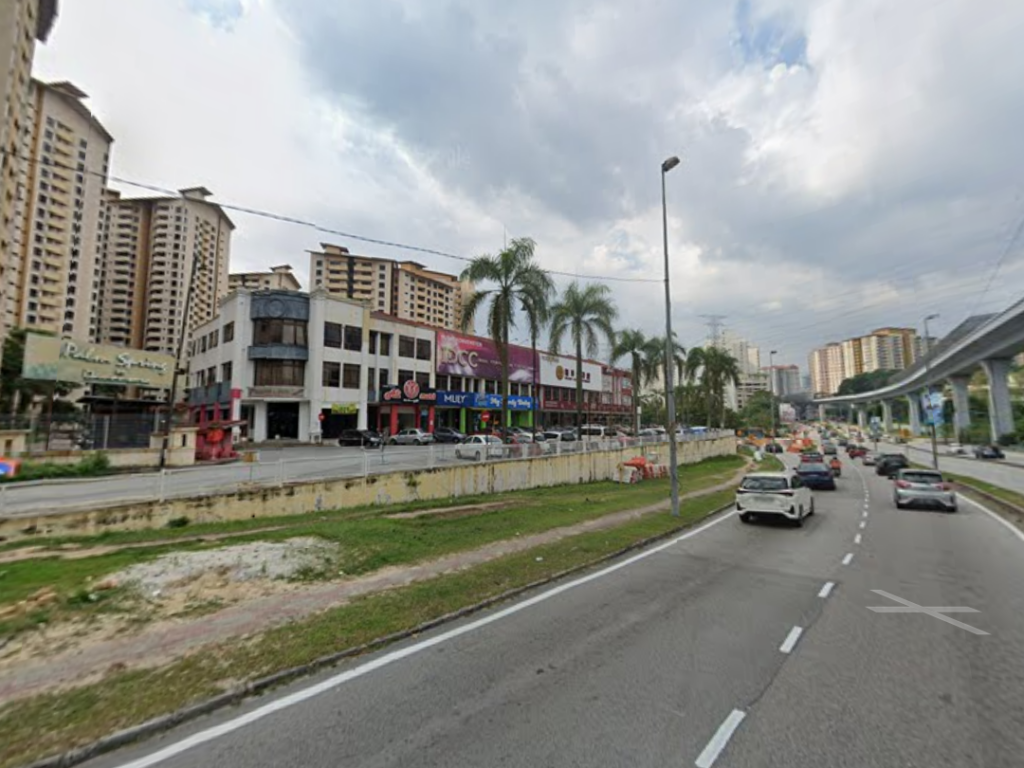
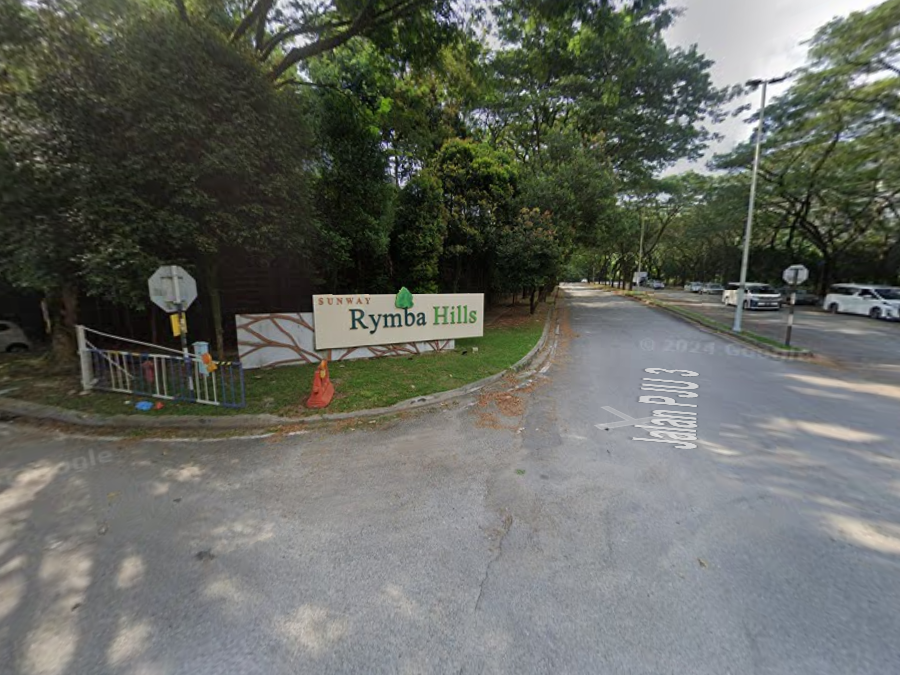
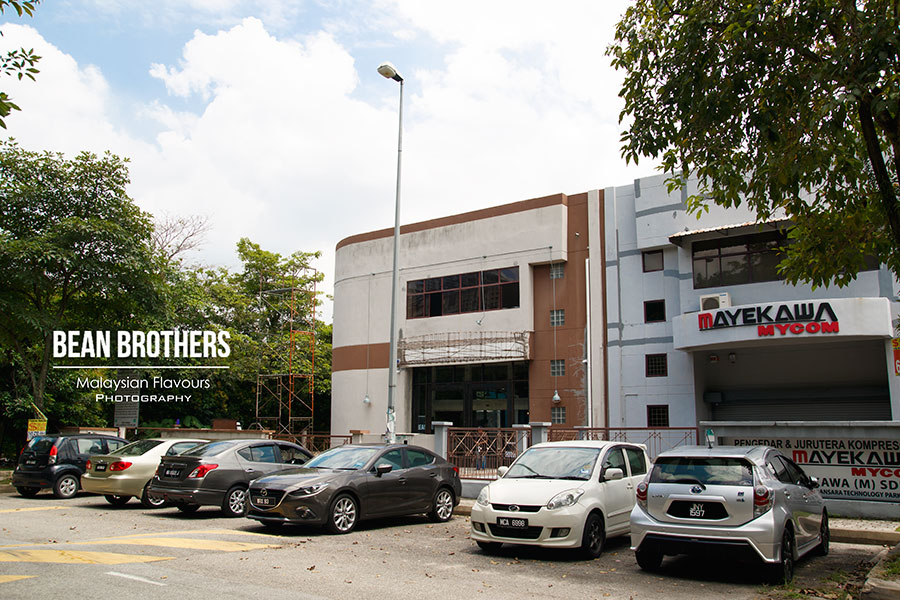
Sunway Damansara is located between Mutiara Damansara and Damansara Utama to the east, and Kota Damansara and Tropicana Indah to the west.
The area does not have a particularly prominent landmark, aside from the Palm Spring residential development that road users and MRT commuters often spot while passing along Persiaran Surian.
It is home to several upscale residential projects, including Sunway Rymba Hills and Laman Impian Garden Villas, as well as popular café Beans Brothers and Honest Butcher by Chef Nickt, which are located within Sunway Damansara Technology Park.
6. Kota Damansara
Developed by: Perbadanan Kemajuan Negeri Selangor (PKNS)
Developed from: 1992
Known for: IOI Mall Damansara, large township, MRT, commercial centres, forest reserve
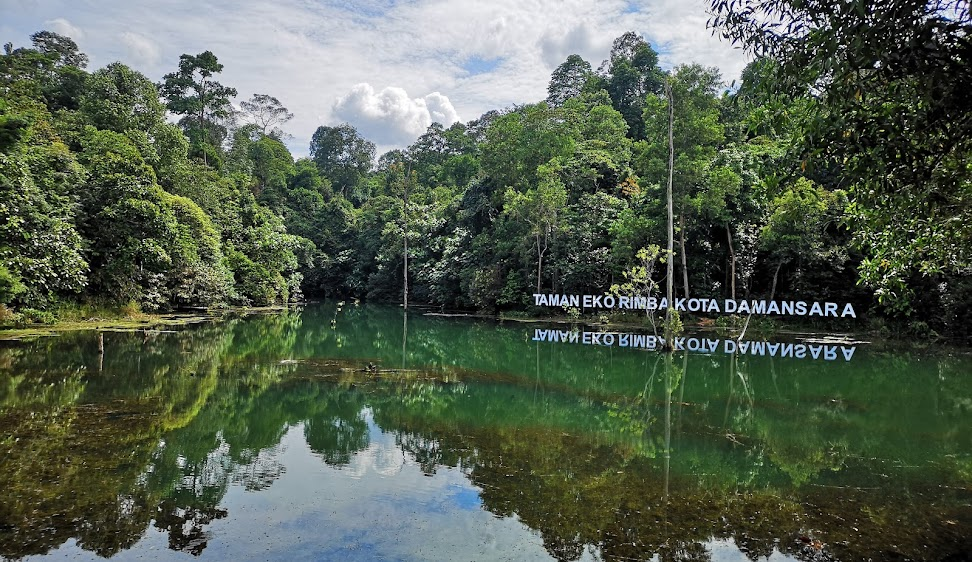
Kota Damansara's history is tied to the former Sungai Buloh Forest Reserve, a 16,284-acre land gazetted for conservation.
According to Malaysiakini, 3,954 acres were allocated to PKNS for the Kota Damansara township in 1992. A year later, the then state government excised 995 acres from the forest reserve for a botanical garden.
The project was later cancelled in favour of development, sparking protests that lasted for decades before it was gazetted in 2010 as a permanent forest reserve, categorised as an amenity, research and education forest.
Today, the Kota Damansara area has since grown into one of PJ's largest Damansara-name townships, with multiple sections, MRT stations, schools, commercial centres, and the Kota Damansara Community Forest Reserve.
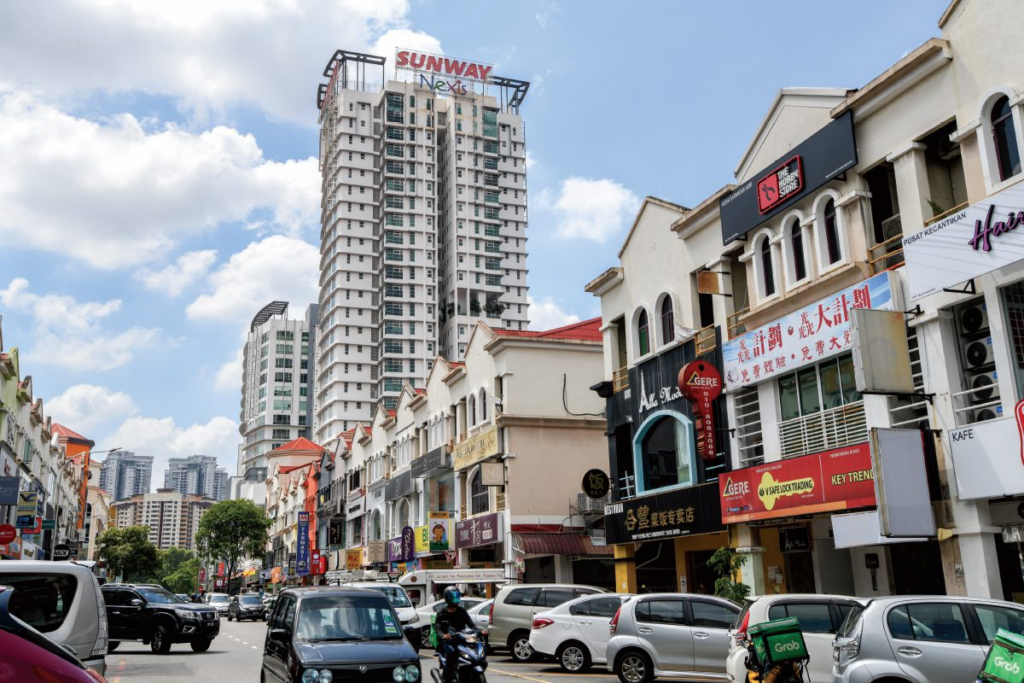
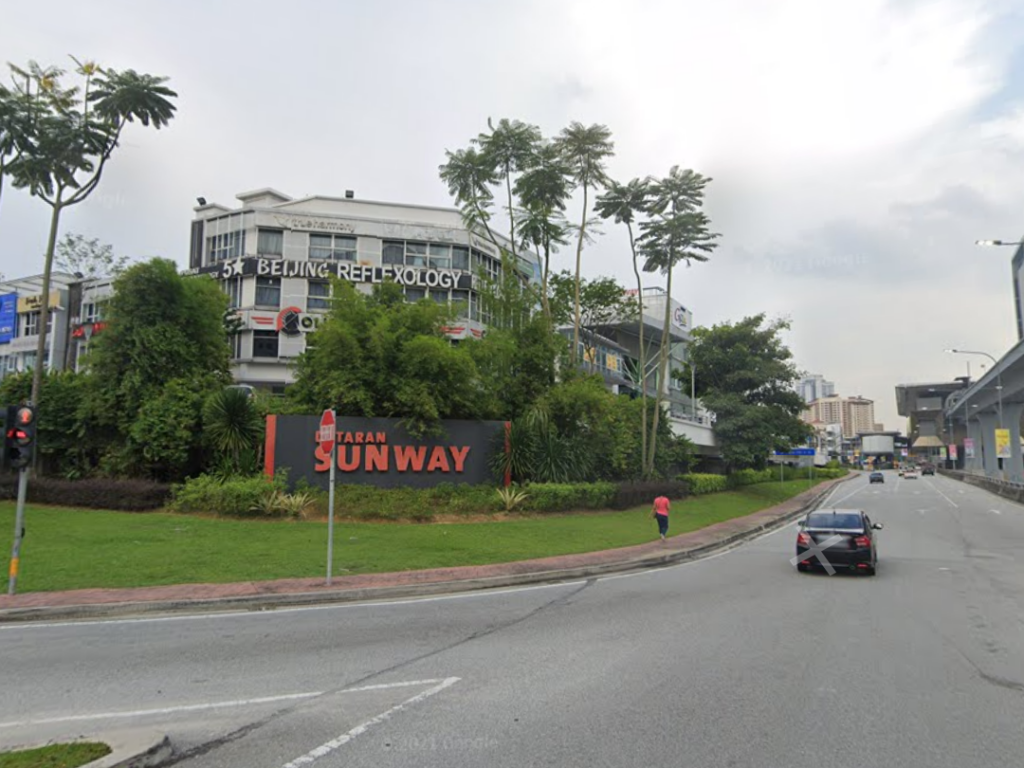
Meanwhile, Dataran Sunway, the shoplot area most people associate with Kota Damansara, was developed as part of the RM1.7 billion Sunway Damansara leasehold project, a joint venture between Sunway City and Perbadanan Kemajuan Negeri Selangor (PKNS) that started in 1995, reported The Edge.
You can learn more about the campaign to preserve the reserve status on the Kota Damansara Community Forest Reserve's website here.
7. Mutiara Damansara
Developed by: Boustead Properties / Mutiara Rini Sdn Bhd
Developed from: 1999
Known for: The Curve, IKEA, IPC, Lotus's, offices, gated homes
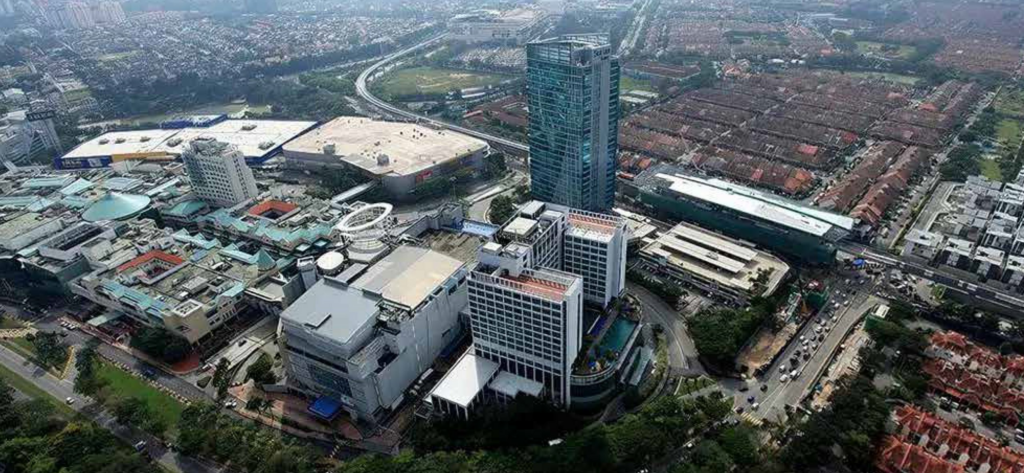
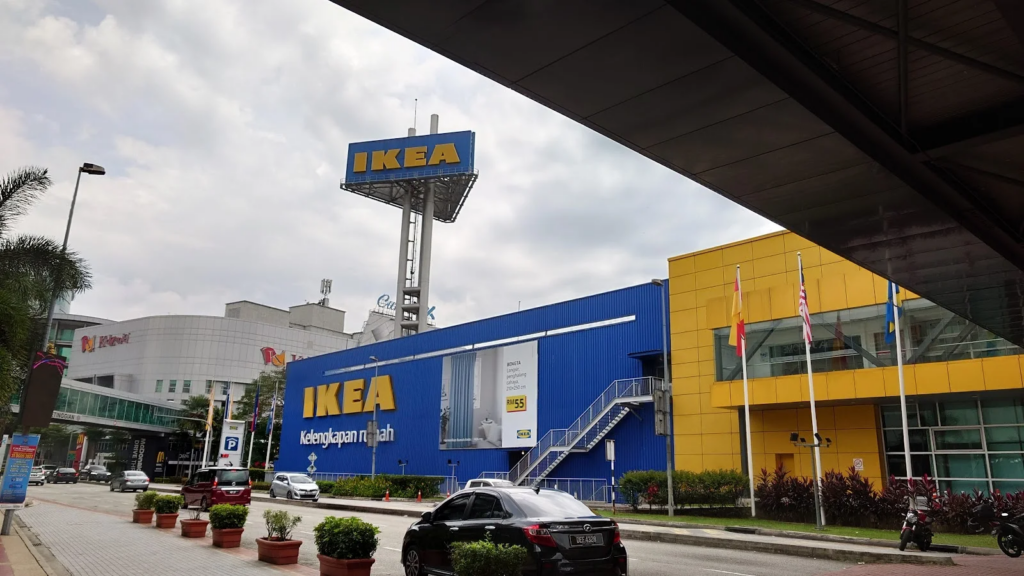
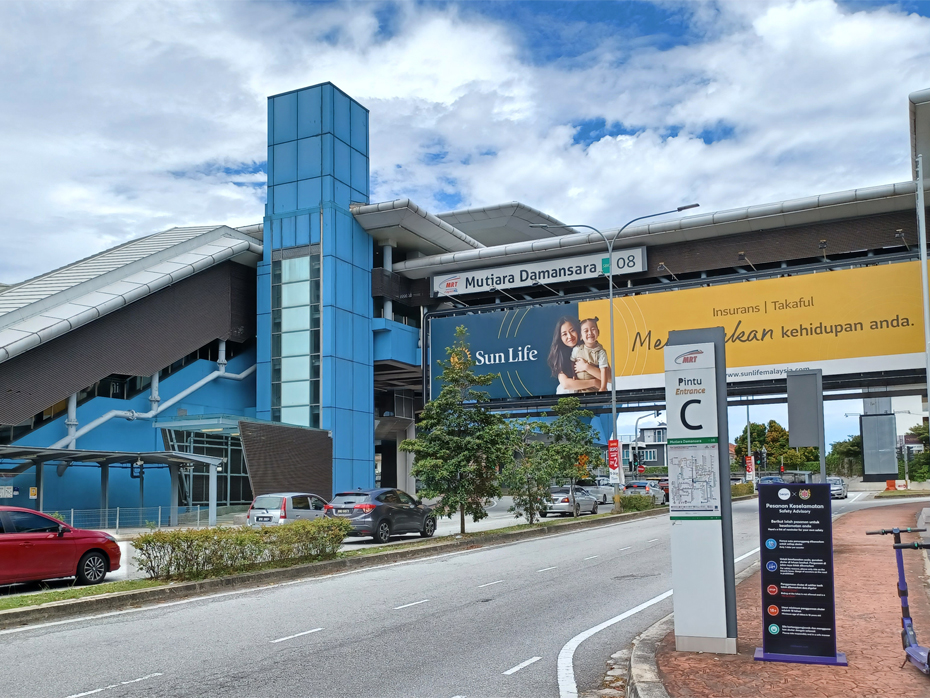
For many Klang Valley residents, Mutiara Damansara is synonymous with shopping and lifestyle destinations.
The Edge reported that the 355-acre freehold township was once part of Bukit Kual Estate, an oil palm-cum-rubber plantation owned by the See Hoy Chan group, before the land was procured by the Armed Forces Pension Fund (LTAT).
LTAT later sold the land to Boustead Properties' subsidiary, Mutiara Rini. The township was zoned into residential and commercial precincts. LTAT, until today, still holds stakes in Boustead Holdings Bhd, the parent company of Boustead Properties.
Early homes were mostly terraced houses, semi-detached houses, and bungalows. Later, the commercial side became a major destination with The Curve, IKEA, IPC, Lotus's, offices, hotels, and the MRT.
Another historical fun fact: Bandar Utama originally spanned 1,400 acres. Bandar Utama City Corp Sdn Bhd director Tan Sri Teo Chiang Kok told The Edge that 395 acres were later acquired for an Air Force tactical base. The land was later developed into Mutiara Damansara.
Here's another fun fact (pop culture rather than history): did you know there's a French band named after Mutiara Damansara? Learn more about it here.
8. Damansara Perdana, PJU8
Developed by: Saujana Triangle Sdn Bhd, subsidiary of MK Land Holdings Berhad
Developed from: 1996
Known for: Hextar World at Empire City, high-rise condos, serviced apartments, offices, PJ Trade Centre
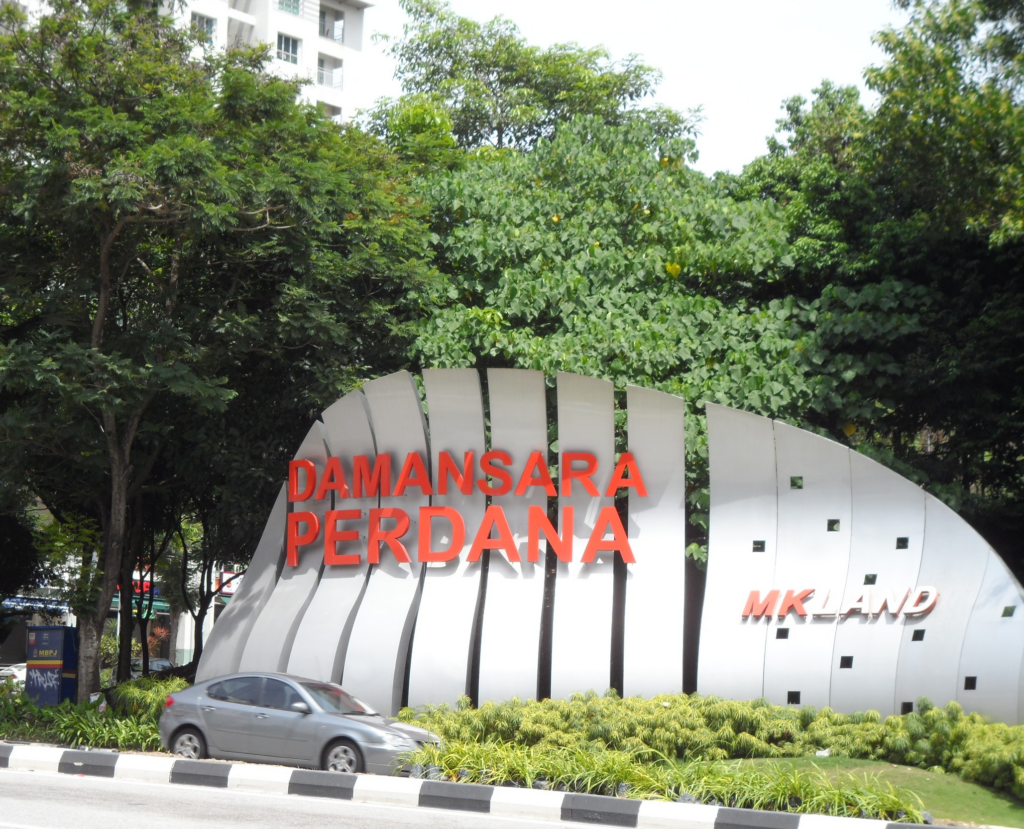
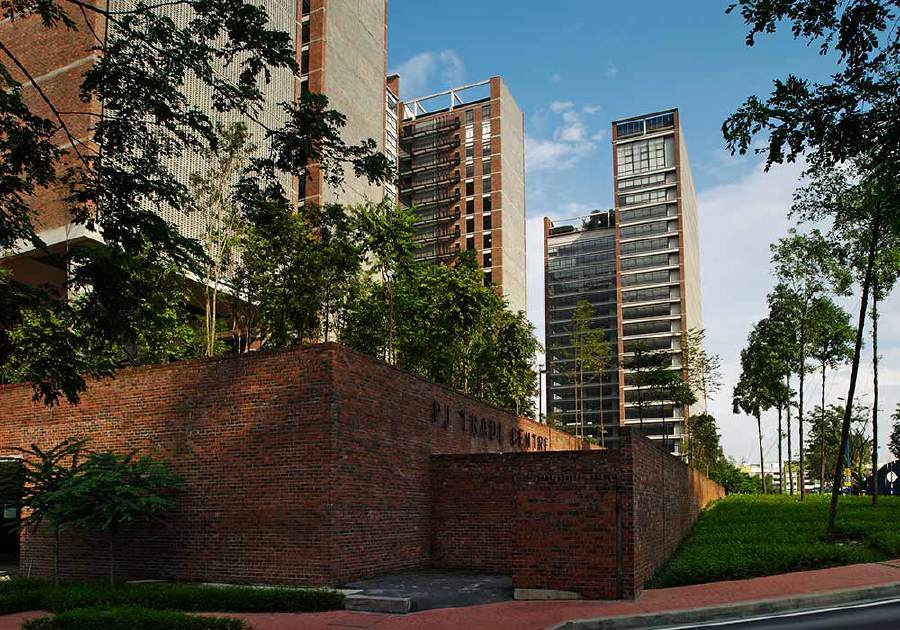
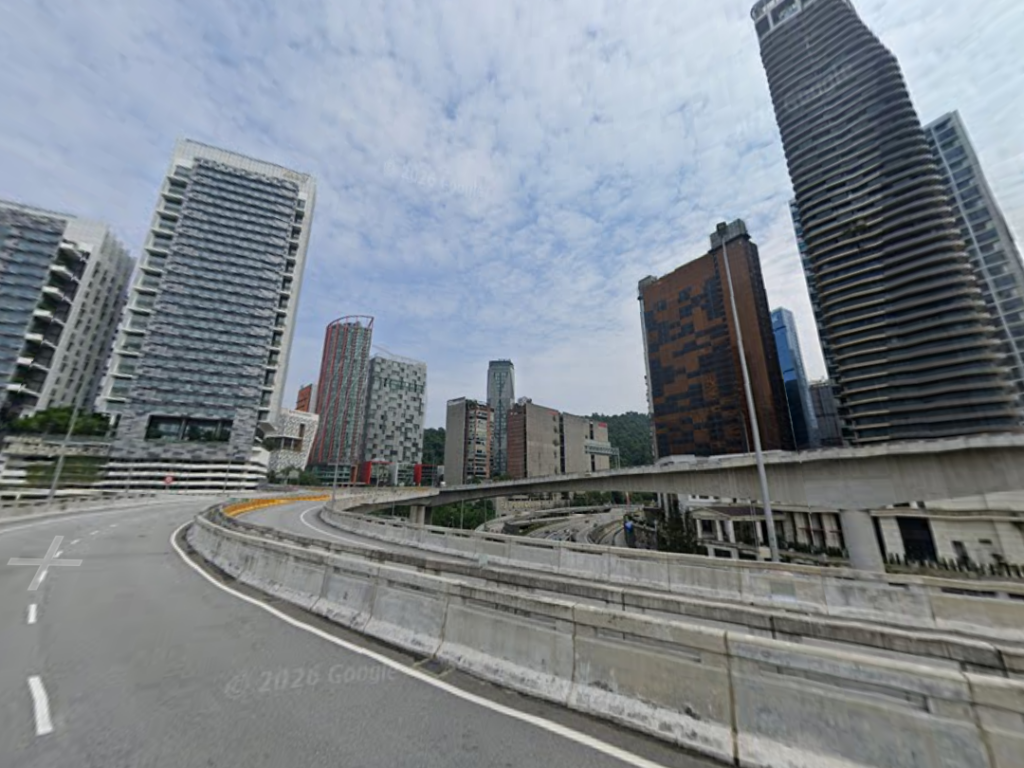
Damansara Perdana emerged from former forest land in the 1990s.
According to EdgeProp, development of the 832.74-acre leasehold land began in 1996 by Saujana Triangle, a subsidiary of MK Land Holdings Berhad founded by Tan Sri Mustapha Kamal Abu Bakar and Datuk P Kasi.
While MK Land is the master developer, several other developers have also left their mark on the township.
Notable projects include Empire Damansara and Empire City by Mammoth Empire Land Sdn Bhd (in a joint venture with MK Land), ForestHill Damansara by ForestHill Damansara Land Sdn Bhd, and Central Park Damansara by Exsim Development Sdn Bhd.
The township's growth was gradual, with new projects emerging over the years. One example was in 2019, when Mammoth Empire Land sold 61 acres of land in Damansara Perdana to Exsim Development, reported The Edge.
Meanwhile, Empire City was rebranded as Hextar World at Empire City following its launch last year, reflecting businessman Datuk Eddie Ong Choo Meng's entry into the development through Hextar Group, via Hextar Healthcare Berhad, a medical glove manufacturer.
Unlike other Damansara neighbourhoods, Damansara Perdana is best known for its distinctive high-rise skyline, which is particularly prominent when you see it while driving along DASH.
9. Bandar Sri Damansara, PJU9
Developed by: Land & General Berhad
Developed from: mid-1990s
Known for: DA Square @ Damansara Avenue, schools, landed homes, newer condos
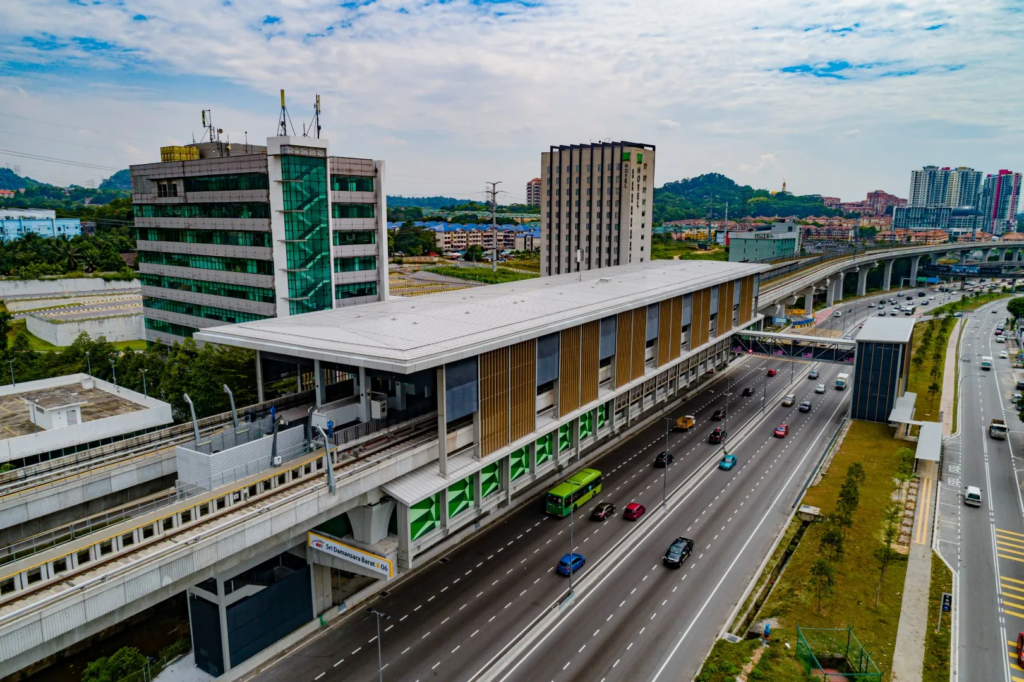
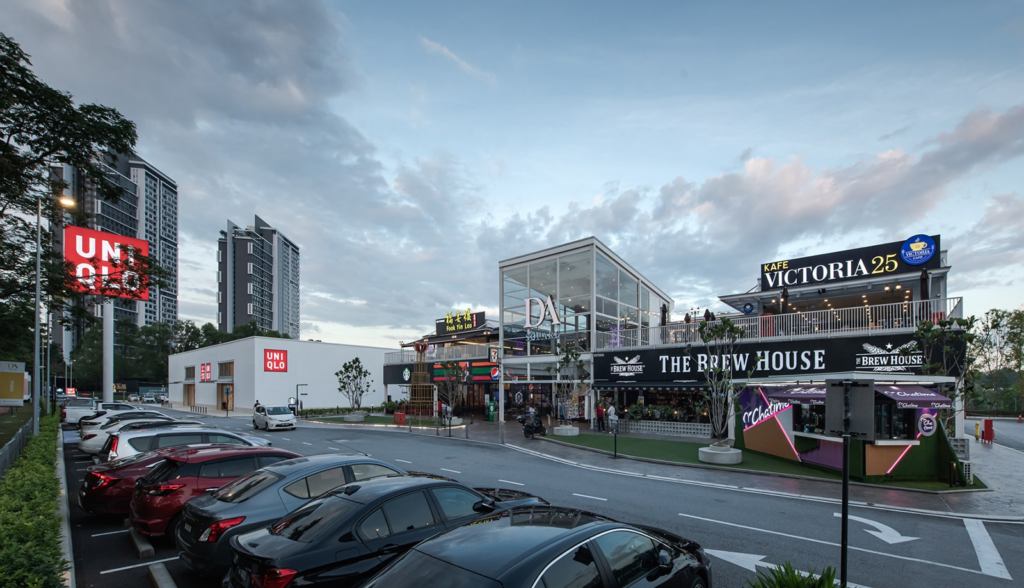
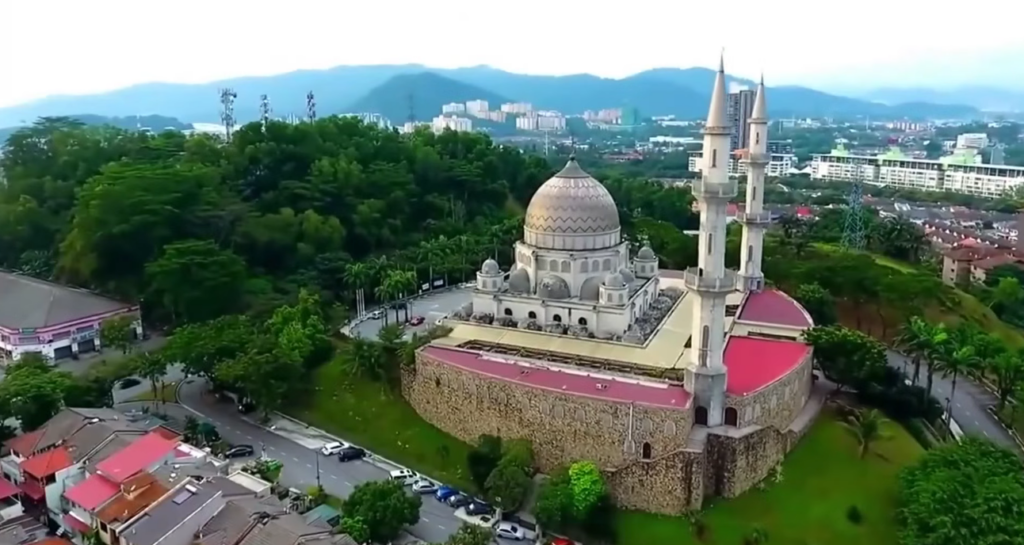
Bandar Sri Damansara is Land & General's flagship township, straddling the border between Kuala Lumpur and Selangor and located at the northern edge of the wider Damansara region.
According to The Edge, the 1,200-acre freehold township comprises residential and commercial developments, alongside a number of public and private schools.
Notable landmarks include Ativo Plaza at Damansara Avenue, 8trium, and ibis Styles Kuala Lumpur Sri Damansara.
Bandar Sri Damansara marked Land & General's transition from the timber trade into property development. The township went on to win the FIABCI Malaysia Property Award in 1996.
Today, it is a mature township featuring landed homes, schools, commercial centres, and newer high-rise developments located near MRT stations.
10. Damansara Damai, PJU10
Developed by: MK Land, through Medan Prestasi Sdn Bhd
Started in: 1998
Known for: large-scale housing, affordable homes, apartments, high-density residential areas
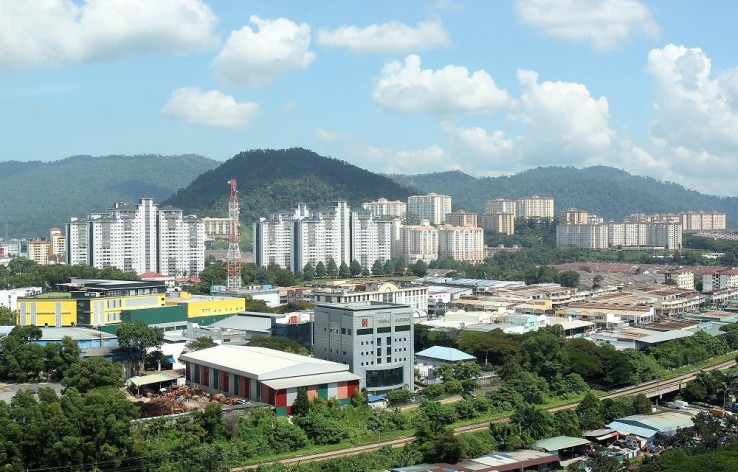
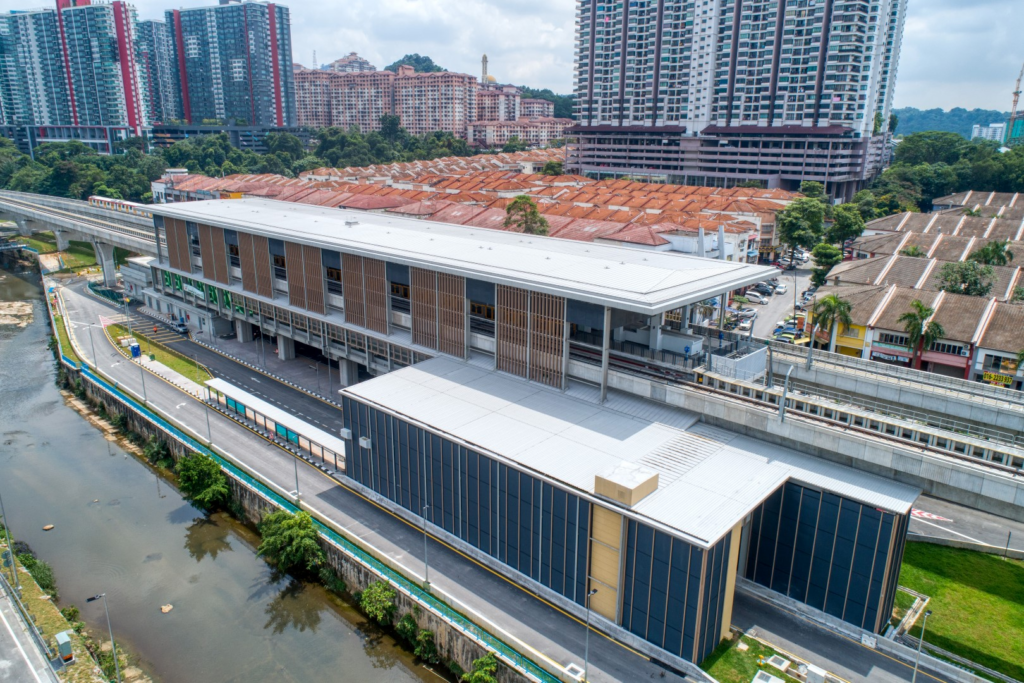
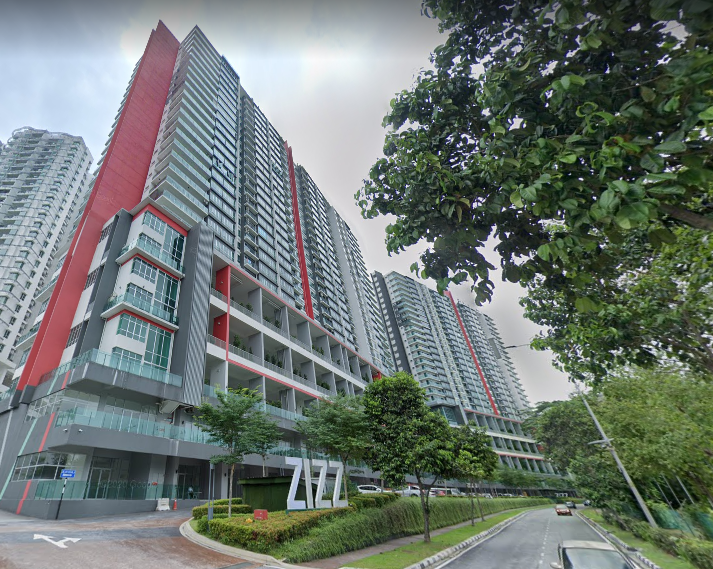
Damansara Damai was one of the more socially driven Damansara developments.
According to Bernama, MK Land's Damansara Damai 400-acre township was launched in 1998 under a Selangor housing privatisation project. By 2016, the developer had completed 15,579 housing units, including 6,867 low-cost homes (from RM60,000), 2,179 medium-cost homes (from RM81,000), and 3,145 high-end homes (from RM400,000).
Today, the area is home to over 110,000 residents and is equipped with facilities such as two primary schools, one secondary school, a mosque, an urban park, a community hall, and an MRT station, reported Berita Harian.
11. Kwasa Damansara
Developed by: Kwasa Land Sdn Bhd, an EPF subsidiary
Land acquisition: 2012
Known for: former RRIM land, future township, MRT-linked mixed development
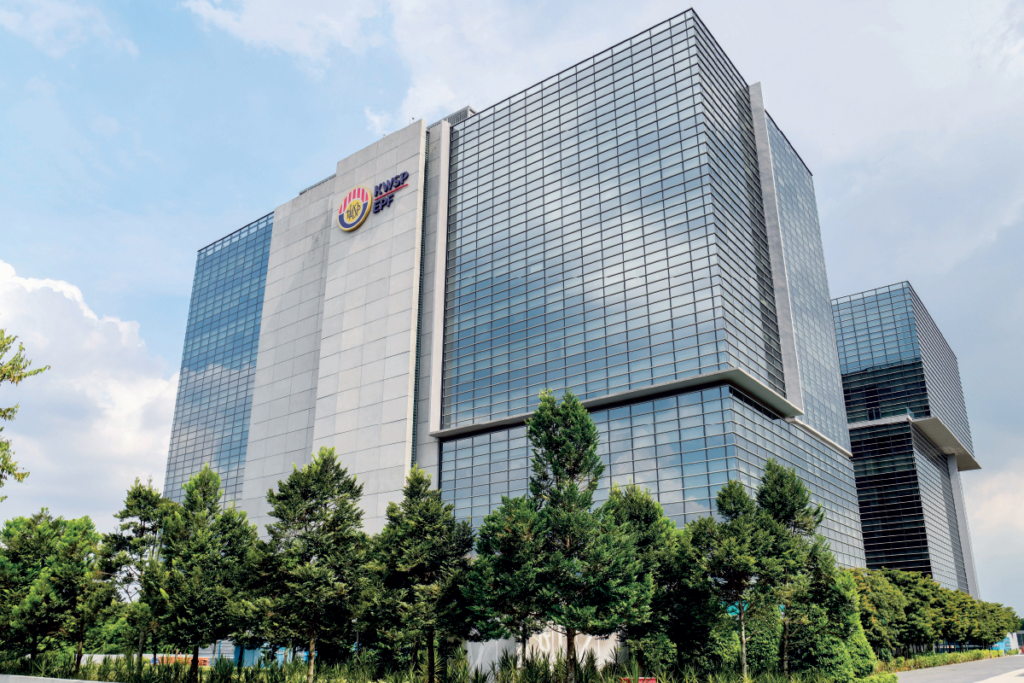
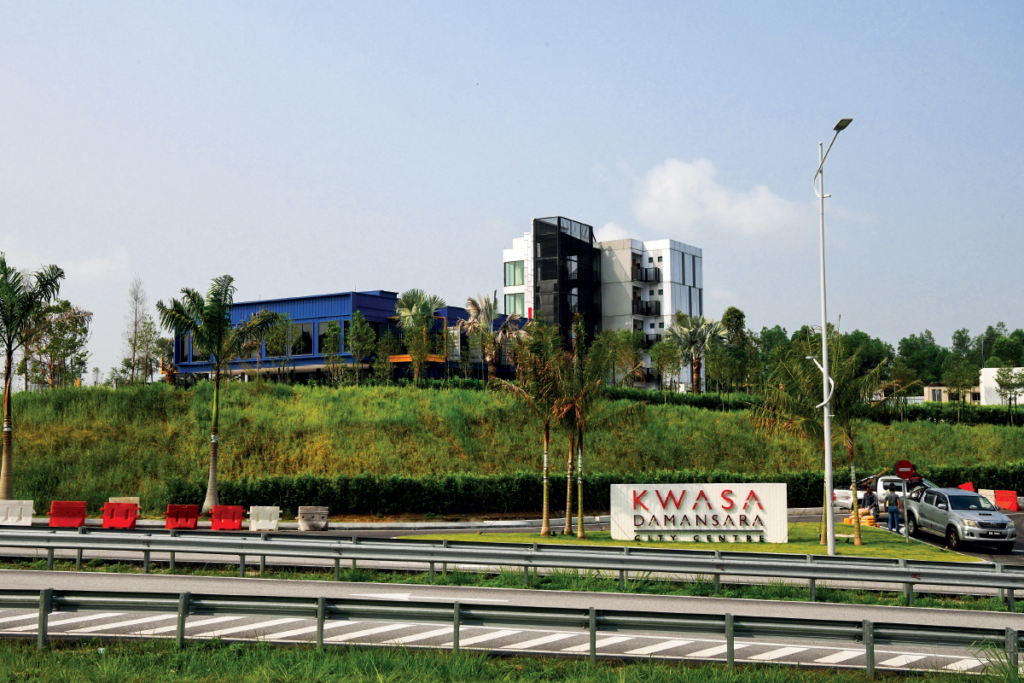
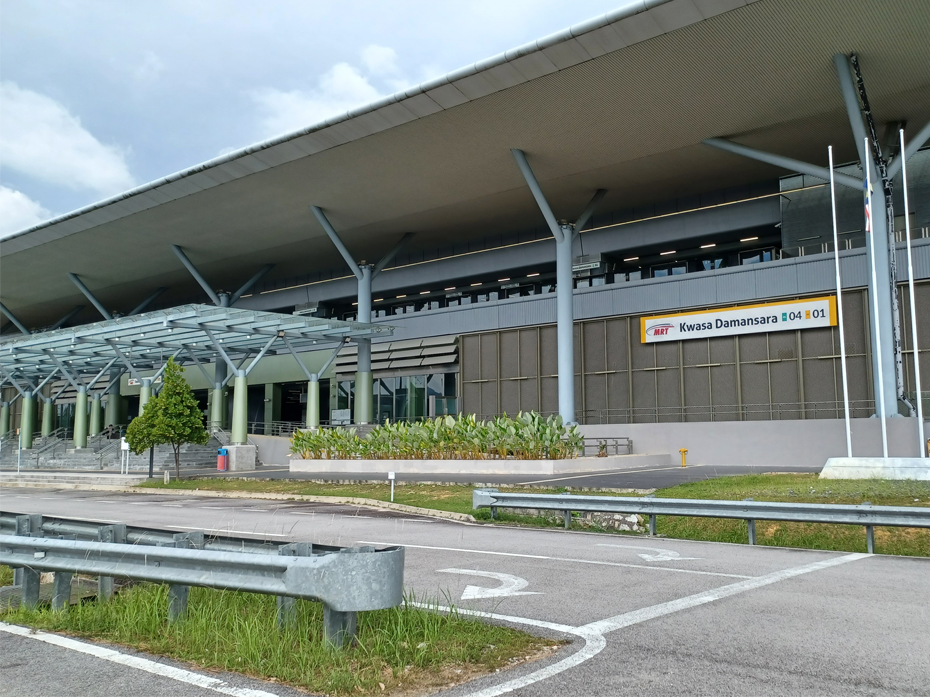
According to The Edge, EPF's subsidiary Kwasa Land is the master developer of Kwasa Damansara.
The company acquired 2,620 acres of land in 2012, which was previously Rubber Research Institute land in Sungai Buloh.
The township falls under the jurisdiction of both the Shah Alam City Council (MBSA) and Petaling Jaya City Council (MBPJ).
According to its website, the township is envisioned as a fully integrated community comprising residential and commercial properties, public amenities, infrastructure, and a projected population of 150,000.
Some of the residential projects in Kwasa Damansara include Tujuh Residences by MRCB Land, Dedaun Rimba by YTL Land & Development, Daya Residence by TSR Capital, Linari Damansara by Impiana Land & Development, and Idaman Kwasa Damansara by Gagasan Nadi Cergas.
More developments are in the pipeline, with companies such as Gadang Holdings, Exsim Group, PPB Group, Sunsuria, and EDUC8 Group expected to contribute to the township's growth.
Upon completion, Kwasa Damansara is projected to have a gross development value of RM60 billion to RM70 billion.
12. Damansara Heights / Bukit Damansara
Developed by: Syarikat Perumahan Pegawai Kerajaan Sdn Bhd, a subsidiary of the Island & Peninsular Group
Developed in: 1970s
Known for: upscale KL homes, bungalows, semi-dees, offices, Plaza Damansara, Pavilion Damansara Heights, Damansara City
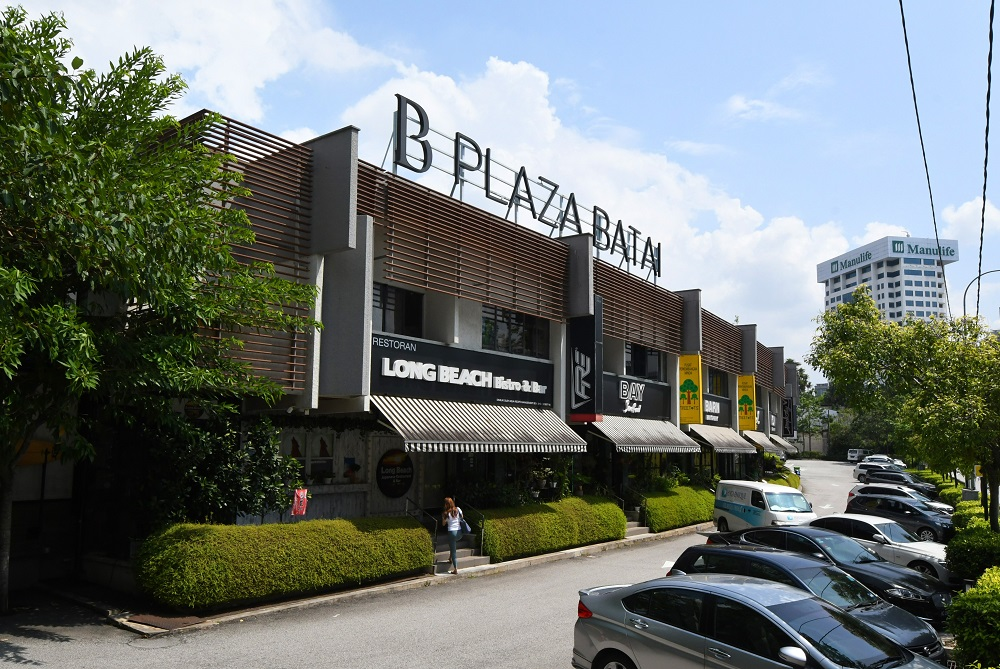
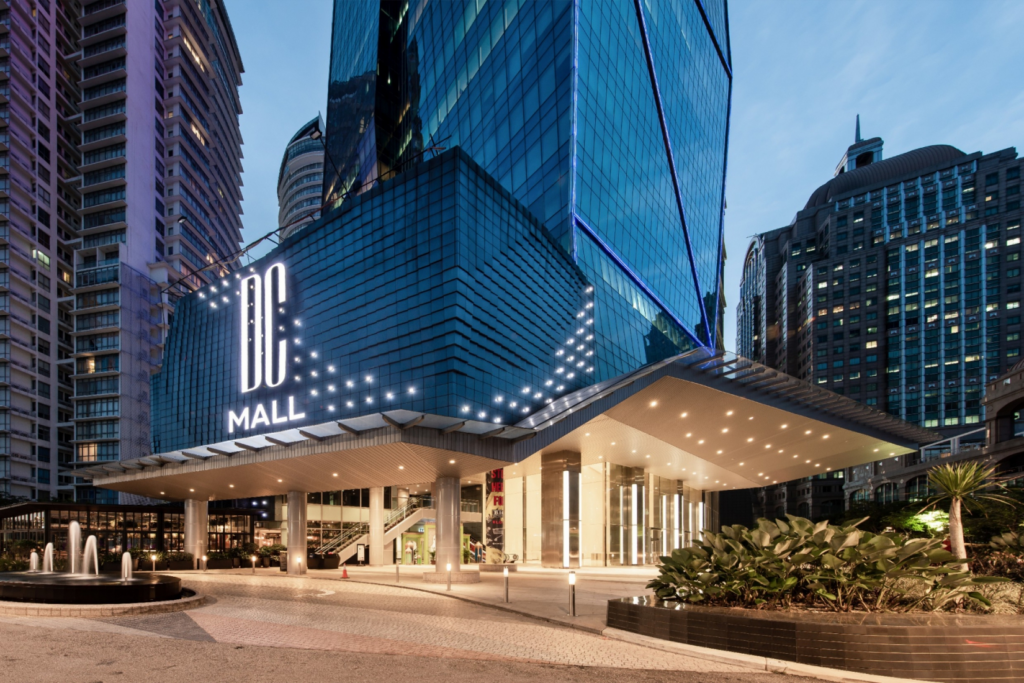
Originally a rubber estate, Bukit Damansara was transformed into an affordable housing township for civil servants in the 1970s by Syarikat Perumahan Pegawai Kerajaan Sdn Bhd, a subsidiary of the Island & Peninsular (I&P) Group Sdn Bhd, reported The Edge.
Over the decades, Bukit Damansara has evolved into one of Kuala Lumpur's most prestigious addresses, characterised by landed properties such as terraced houses, semi-detached homes, and bungalows.
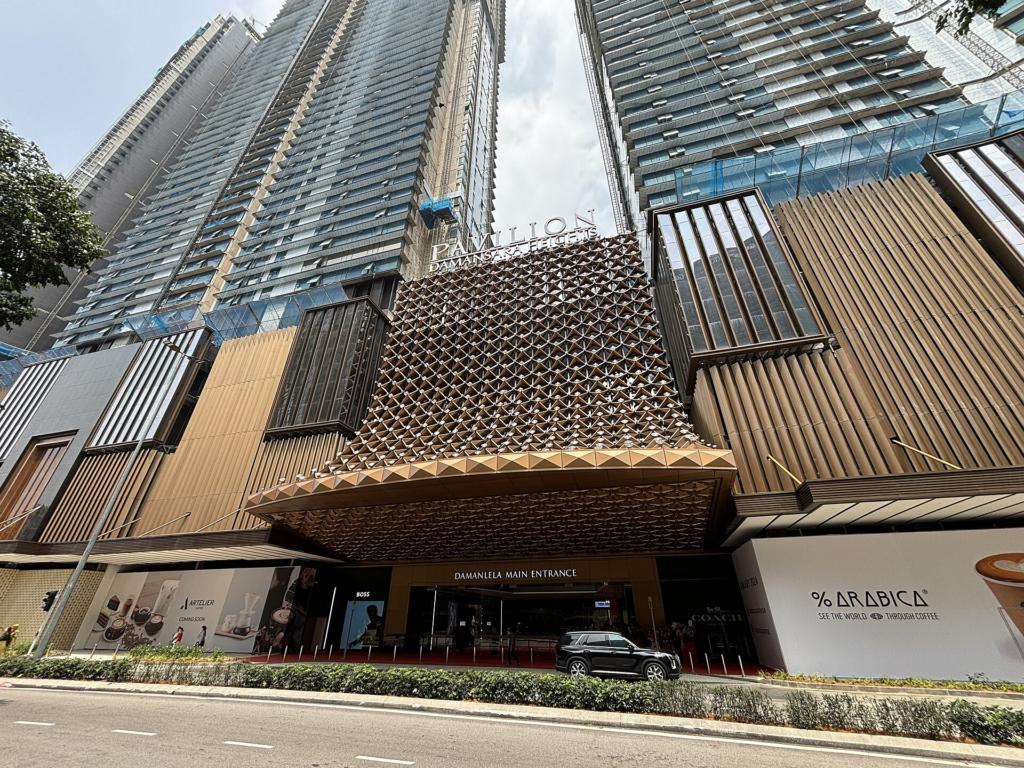
The area also boasts vibrant commercial precincts such as Plaza Damansara and Pusat Bandar Damansara. In recent years, it has become home to two major mixed-use developments: Pavilion Damansara Heights, developed by Pavilion Group and the Canada Pension Plan Investment Board; and Damansara City by GuocoLand, the property arm of Hong Leong Group.
From former rubber estates and forest reserves to sprawling townships, each Damansara has its own story
While they share a common name, their histories, developers, and identities have evolved in remarkably different ways over the decades.
There are also several places that carry the Damansara name but are not included in this list as they are not full-fledged townships. Examples include Flora Damansara, Pelangi Damansara, and Phileo Damansara, as well as developments mentioned earlier such as Empire Damansara and Central Park Damansara.