
4 Signs You Should Change Your Car Tyres Before It’s Too Late
Save yourself from potential sticky situations on the road.


 Cover image via
 Follow us on Instagram, TikTok, and WhatsApp for the latest stories and breaking news.
Most drivers tend to overlook the condition of their tyres, sometimes until it's too late
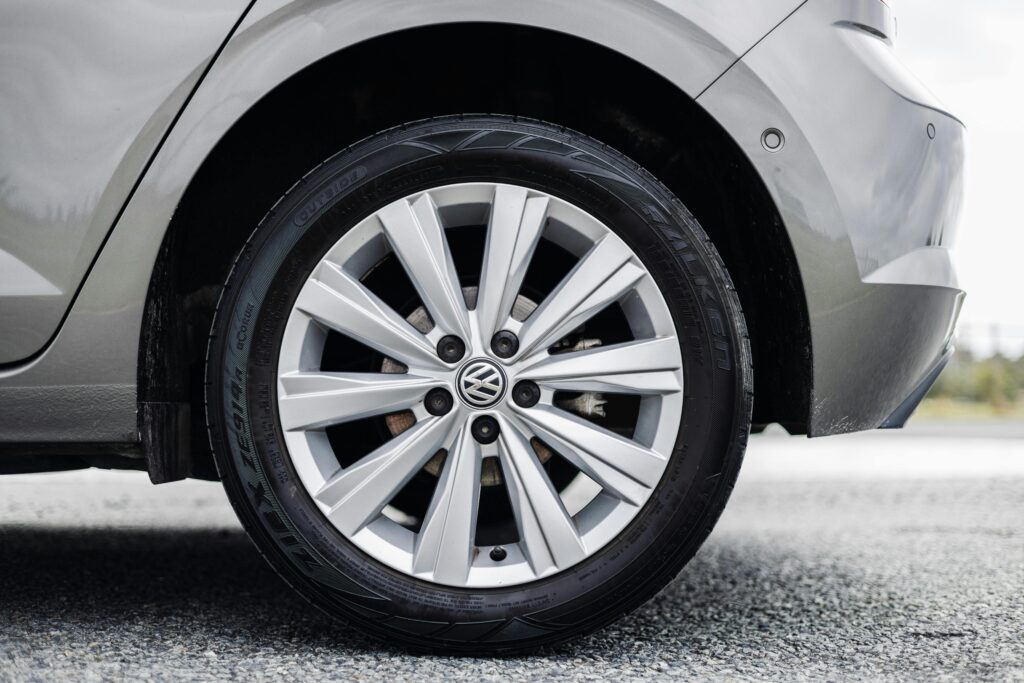
Maybe the car doesn't grip as well in the rain, or the ride feels a bit off. But by the time those signs show up, your tyres could already be well beyond what's considered safe.
Here's a simple guide to help you figure out when it's time to replace your tyres, so you don't end up risking safety on the road.
1. Check the depth of your tyre treads
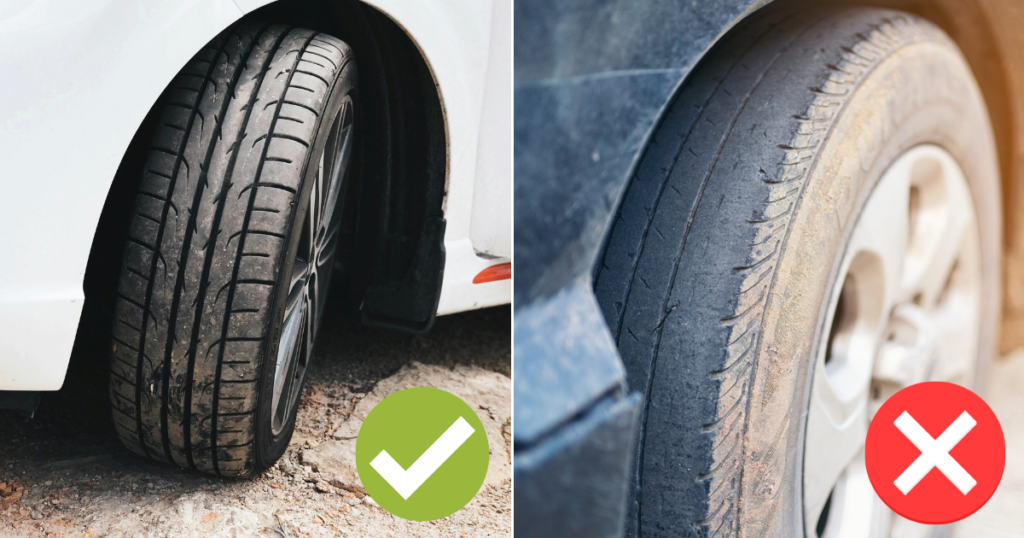
The tread is the pattern on your tyre that grips the road. Over time and constant travel, tyre treads will wear down and reduce traction on the road.
Check out this video on how to measure your tyre treads:
In Malaysia, tyres must have at least 1.6mm of tread legally, but the issue is that this number is the absolute bare minimum, not the safe zone.
For real-world driving, especially with our tendency to experience wet weather, it's actually smarter to consider changing your tyres when the tread depth drops to around 2mm to 3mm. That extra buffer can make a noticeable difference in wet grip and overall braking performance.
2. Check the condition of your tyres
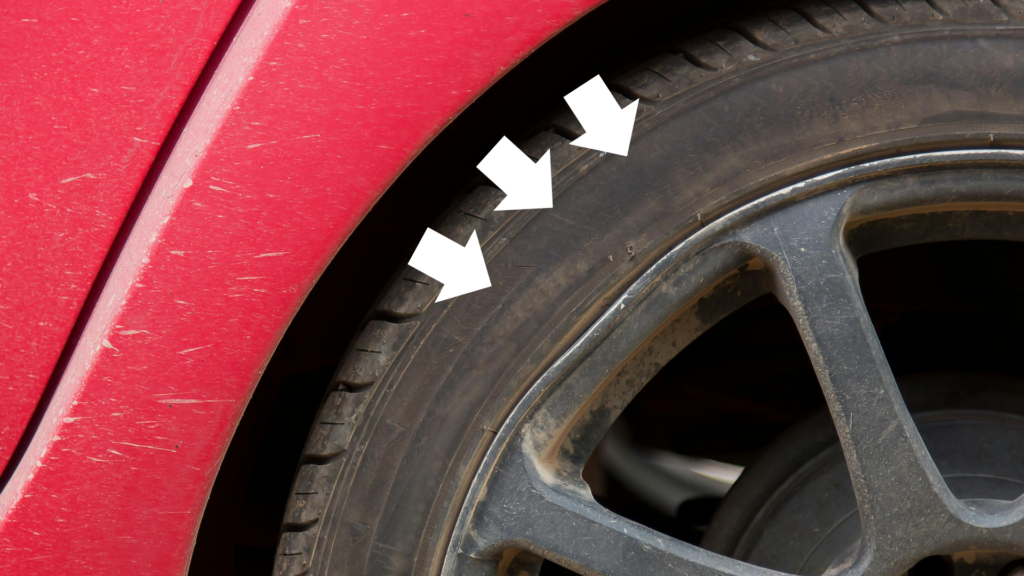
Check for small cracks on the sidewall, these usually mean the rubber is drying out. Bulges or bubbles are more serious, as they indicate internal structural damage.
If you spot one, that tyre is at risk of a blowout and should be replaced immediately.
Uneven wear is another red flag. If one side of your tyre looks more worn than the other, it could point to alignment, suspension, or even tyre pressure issues. Either way, it's worth getting your car checked before the problem gets worse.
3. Check your tyre age from time to time
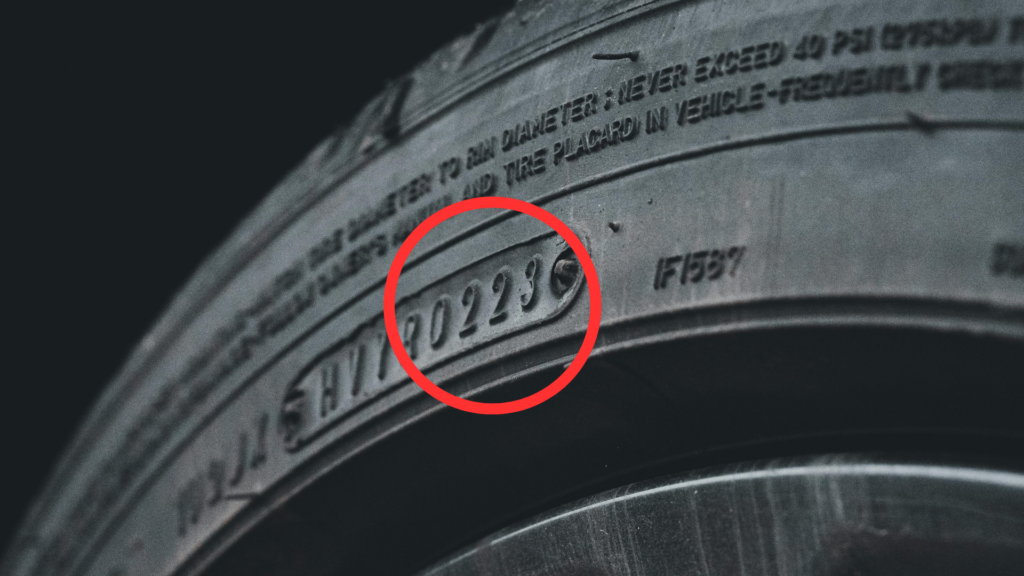
Tyres generally last about five to six years, depending on usage and how they were stored. You can check the manufacturing date on the sidewall of your tyres, usually in four digits. The first two digits represent the week, and the last two represent the year.
For instance: "0223" would mean that the tyre was manufactured on the second week of 2023. If your tyres are approaching or past the five-year mark, it's wise to start planning a replacement, even if the tread hasn't fully worn out yet.
4. Pay attention to how the car feels when driving

If your car starts pulling to one side, or the steering feels less precise than usual, your tyres could be part of the problem.
The same goes for braking, if your car takes longer to stop than it used to, worn tyres might be reducing your grip.
And then there's rainy weather. If driving in the rain suddenly feels like the car is slightly sliding or struggling for traction, that's a strong sign that your tyres are no longer performing safely.
Waiting until the last possible moment might save you a bit of money short-term, but it definitely comes with higher risks
Replacing your tyres before they hit the legal limit or show obvious signs of wear, is a much safer move.
For more #lifestyle stories:
- How Dark Are You Allowed To Tint Your Car Windows? Here's What JPJ Says
- Here's Everything Your Mechanic Should Be Checking During Your Car's Regular Service
- "How To Transfer Car Ownership At JPJ" — Here Are 5 Important Documents To Bring Along
- Should You Raise Your Wipers Every Time You Park? Here's What We Found Out
