
These Young Malaysian Creatives Are Still Finding Their Voice — And That’s The Point
And through that ongoing process, support systems quietly shape how far that journey can go.

Published For Starbucks - 15 May 2026, 06:16 PM


 Cover image via Starbucks & Sudhifilem
Follow us on Instagram, TikTok, and WhatsApp for the latest stories and breaking news.
Somewhere in Subang Jaya, five friends are trying to turn distortion, screaming guitars, and emotional noise into something cohesive
In Kuala Lumpur, a Sarawakian filmmaker wrestles with the strange feeling of feeling both at home and far away from it at the same time.
Elsewhere, a young producer who once worked quietly behind the scenes is still figuring out what her identity as an artist even looks like.
For many young creatives, this uncertainty is rarely visible from the outside
People usually only see the finished work: The polished short film, the Spotify hit with 100,000 streams. What they do not see are the years spent second-guessing ideas, struggling with confidence, or wondering whether their perspective matters at all.
Across Malaysia's growing creative scene, many young filmmakers and musicians are still trying to figure out, "What is my voice?"
Filmmaker Clayvert Unji had to come to terms with his identity, while being away from home
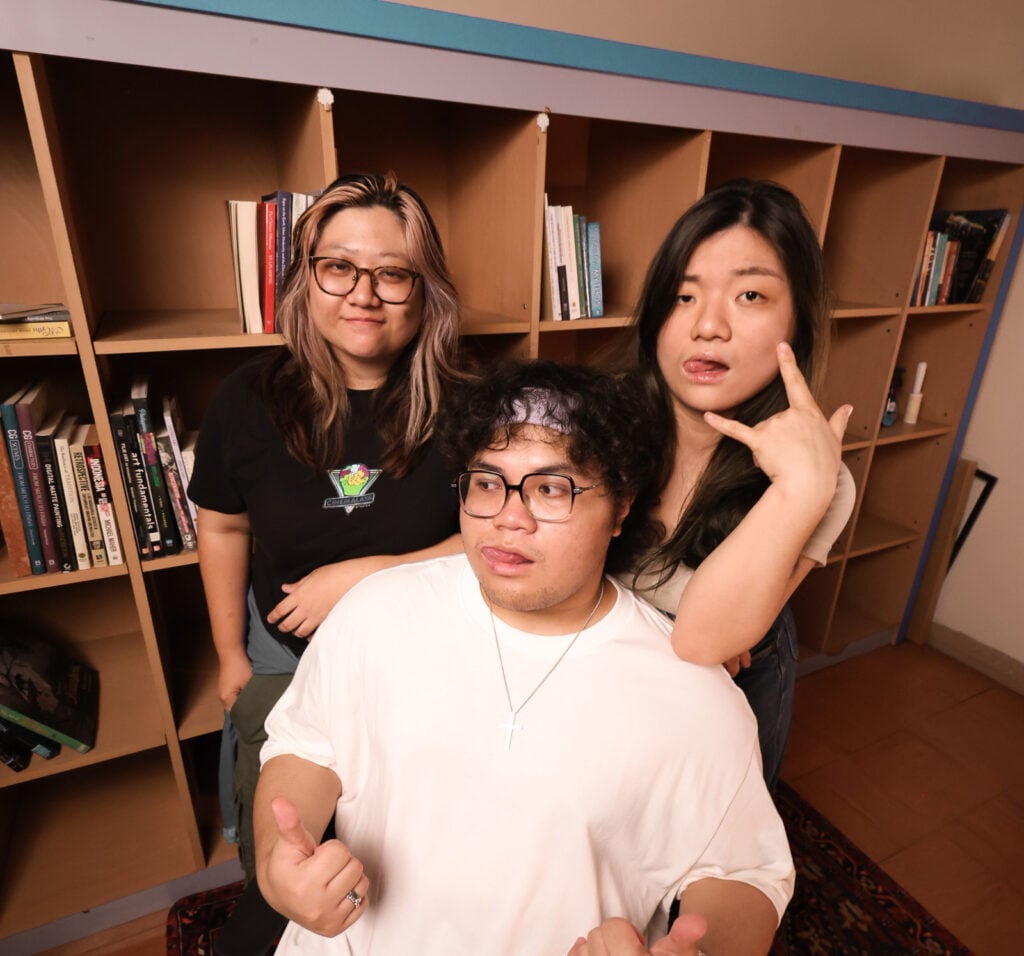
Growing up in a small coastal town in Sarawak, his early understanding of storytelling was shaped by aspiration and a sense that bigger opportunities existed elsewhere. Moving to Kuala Lumpur opened those doors, but as he immersed himself in local filmmaking spaces, he began to notice a gap between identity and representation.
"As I indulged in more local films, I realised that my identity as an Iban Sarawakian is mostly invisible," he said.
"East Malaysian representation is often only shown when it relates to culture, heritage, and history, but never the people they are now."
That tension eventually became part of the emotional foundation of his work at Tanahliat Studios, which he runs with "Kiwi" Ang, Dania Irdina, and Rebecca Rue. Their films often circle themes of migration, belonging, and friendship, not as abstract ideas, but as lived experiences shaped by moving between places and identities.
Subang Jaya alt-rock band Sharkfins is known for their "controlled chaos" sound, but how it came about is interesting
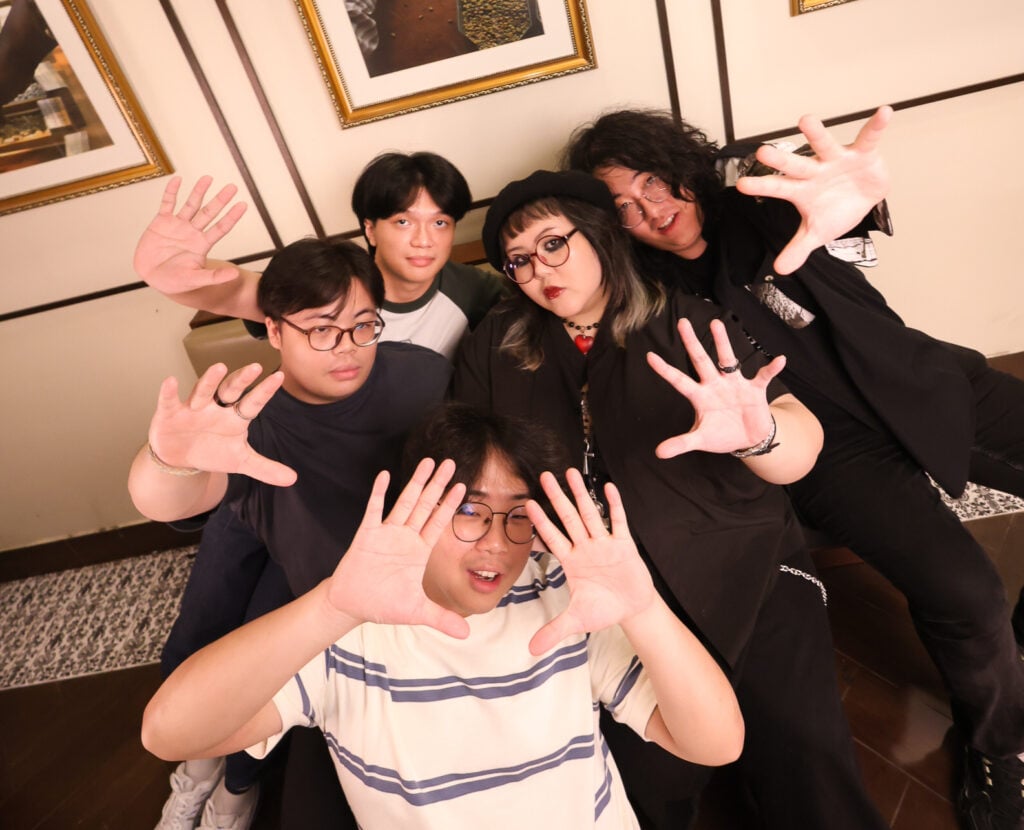
The five-piece band consisting of Sarah, Tim, Youngwoo, Tommo, and Eason are known for their loud guitars, layered emotion, and unpredictable shifts.
But beneath all the noise is something much softer: Trust.
"I've always felt as though I needed a band to help me create music because I don't trust myself enough to make something cohesive," vocalist Sarah admitted.
Over time, though, making music with close friends slowly changed that relationship with creativity.
"We understand each other musically and understand that specific 'Sharkfins sound'. I think we just somehow get each other."
That closeness shapes the way the band creates together. Criticism feels easier, and experimentation feels safer. Emotional intensity becomes less embarrassing when everyone is equally invested in the process.
For filmmaking collective C317, voice is not found in volume, but in restraint
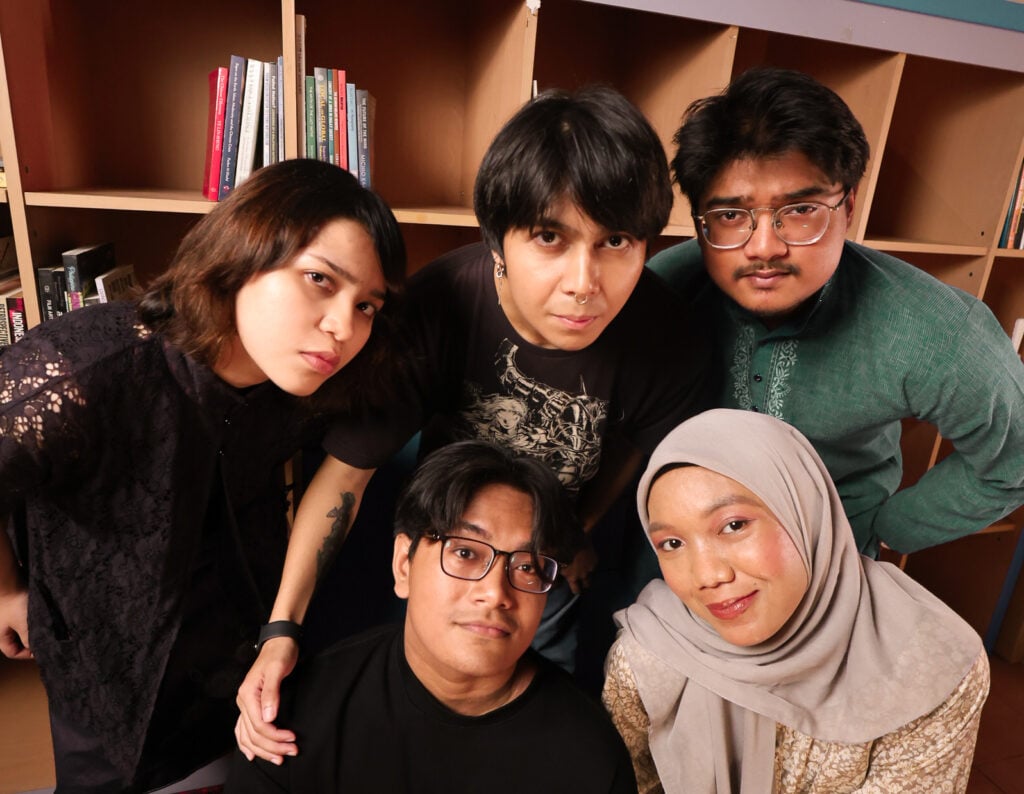
Their work, including Good Night Sunny, focuses on small emotional moments — childhood imagination, fleeting memories, and everyday objects that quietly carry meaning.
The team consisting of Akmal, Alan, Akim, and Mayadah, said their inspiration often comes from how children interpret the world: through feeling rather than explanation.
"A lot of it comes from growing up with stories where small things like the wind, a paper plane, a clock, or the feeling of being alone as a child suddenly became meaningful through imagination," they shared.
But simplicity, they said, is not the same as ease.
"When a story is simple, every detail matters more. The pacing, the visuals, the performance, the sound, and even the silence," they explained.
Instead of over-explaining emotion, they focus on letting it sit, allowing audiences to interpret it in their own way.
For producer and artiste Huey Yeing, the process of finding a voice has been less about reinvention and more about gradual discovery
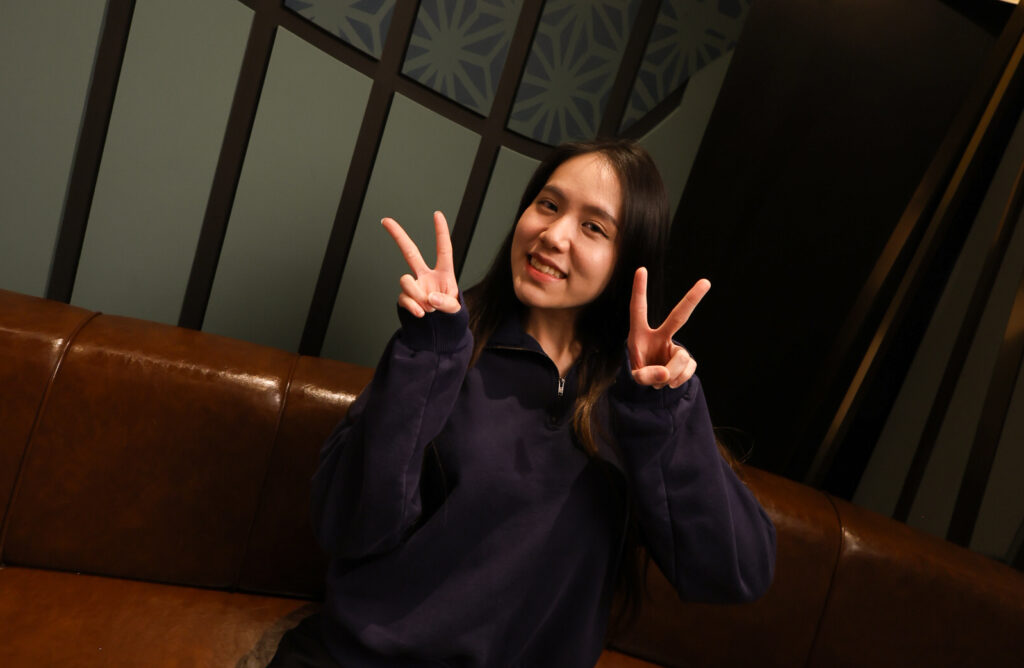
Coming from a background in audio engineering and post-production, her shift into music production happened slowly, through curiosity rather than intention.
"I was actually really bad at it at first. But that made me even more curious and pushed me to improve," she admitted.
Her technical background still shapes how she approaches sound, particularly in texture and detail. But the harder challenge has been identity.
"The most challenging part has been shaping a clear concept or identity for myself as an artist," she said.
Even so, she has begun to accept that clarity is not always immediate.
"I also believe it's okay not to be perfect and to pivot along the way."
For Keladak Krunchy, run by a group of final-year advertising students, creative identity is shaped by urgency
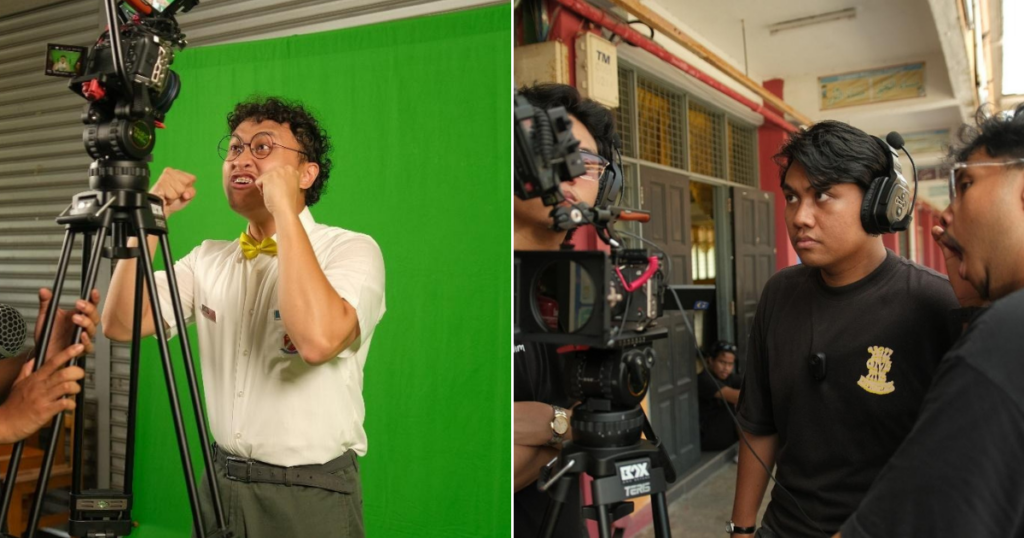
Their work leans toward direct, culturally aware storytelling that reflects how younger audiences consume and interpret media today.
"We're drawn to work that feels honest and relatable," they said.
"Especially for younger audiences like Gen Z audiences who can immediately sense when something feels forced."
In one of their recent projects, they explored the normalisation of harsh language online and offline, using humour and pantun to keep the message accessible.
"Being bold helps the message stand out. Being unfiltered helps it stay honest," they explained.
As they prepare to enter the industry, the pressure to prove themselves is real. But so is the intention behind their work.
"Advertising should do more than just sell. It should create conversations, shift perspectives, and leave some kind of impact," they added.
For many young creatives, perhaps that is what finding a voice really looks like: Not having everything figured out, but choosing to create anyway
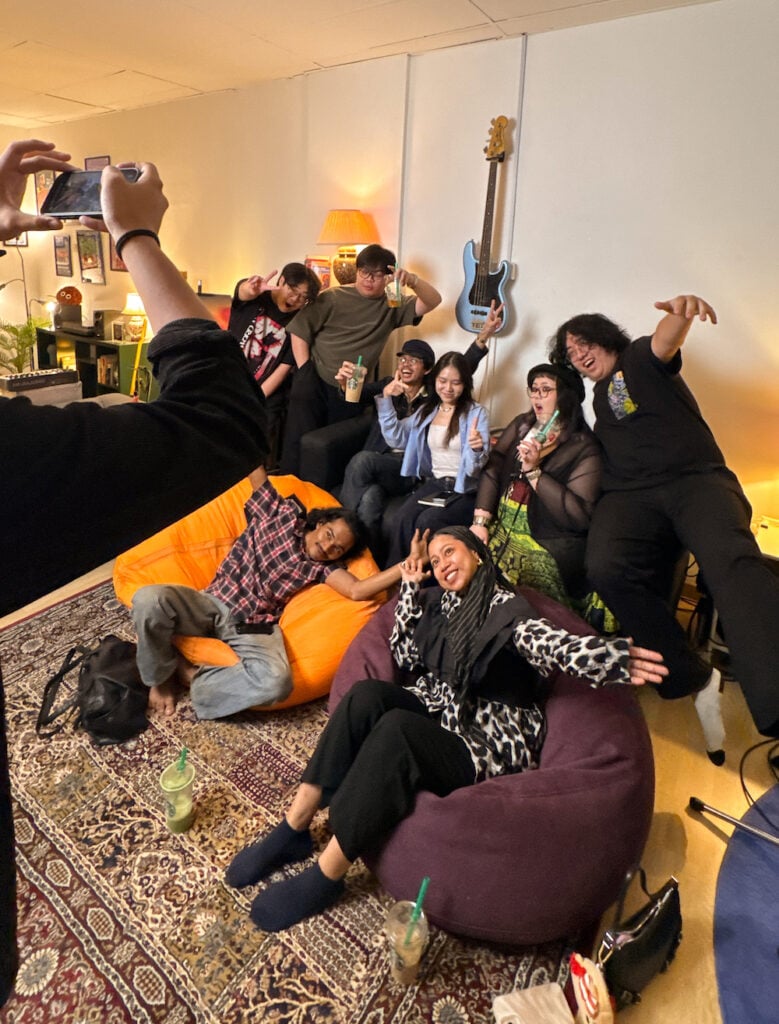
In that ongoing process, support systems quietly shape how far that journey can go.
And initiatives like Starbucks Malaysia's Kopi Creator Kolektif (KCK) sit within this larger ecosystem of becoming, offering emerging creatives access to mentorship, collaboration, and opportunities that help turn personal experiments into realised creative work.
