
This Japanese Family Living In Malaysia Shows How They Make Sushi With Local Fish
WARNING: Do not try this at home.


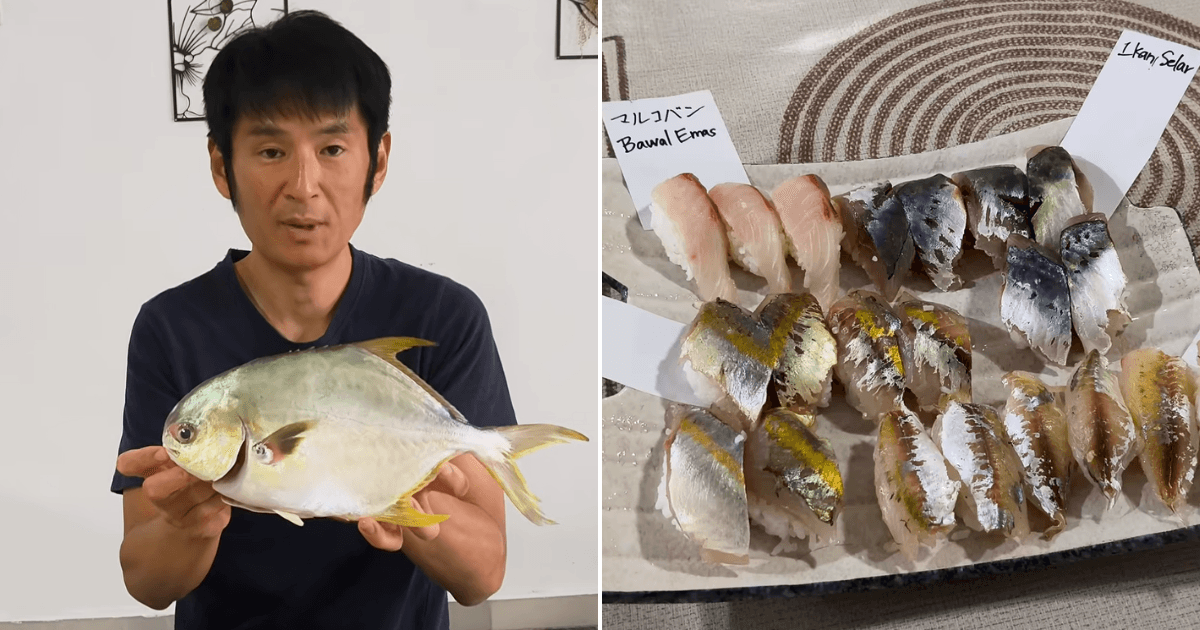 Cover image via Durian Life (YouTube)
Follow us on Instagram, TikTok, and WhatsApp for the latest stories and breaking news.
A Japanese family living in Malaysia recently went viral after sharing how they selected, prepared, and turned local fish into sushi
The video was posted by Durian Life, a Japanese family that regularly shares content about living in Malaysia. The family — including Yuu Seto (mum), Fumi Seto (dad), and Mii Seto (daughter) — have stayed in Malaysia for over eight years, and often travel around the country trying local food wherever they go.
It has since racked up more than 67,000 views on YouTube.
Naturally, Malaysian netizens flooded the comments section, with many expressing interest and amazement that local fish could be eaten raw.
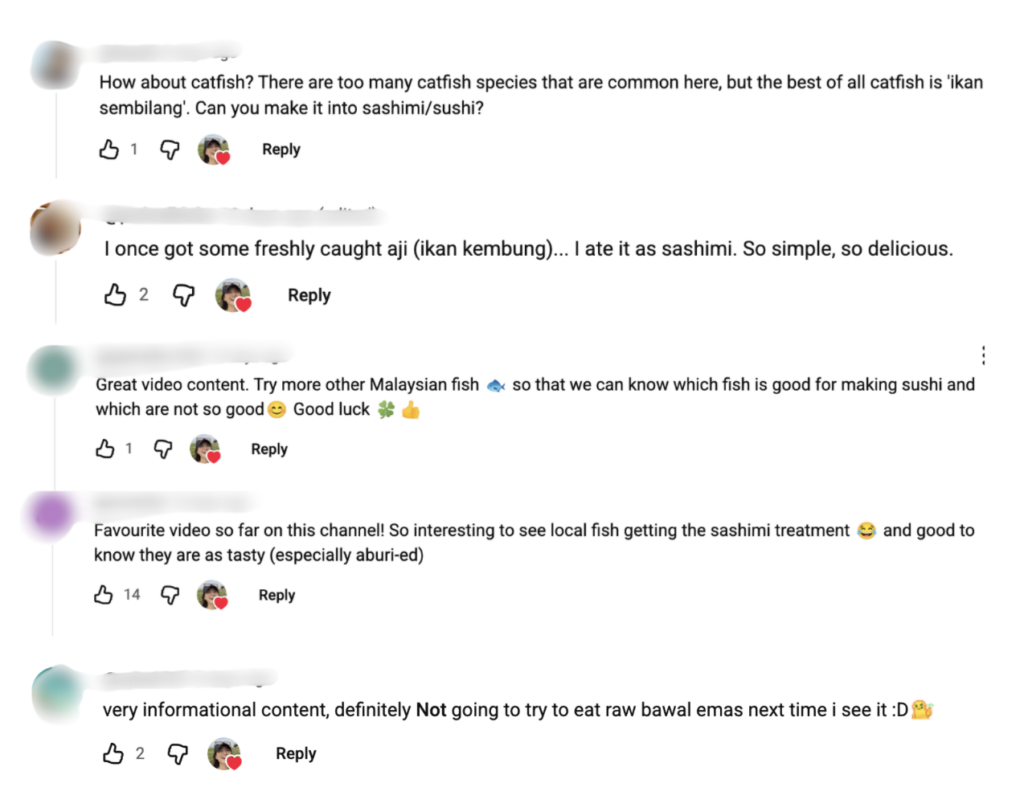
Speaking to SAYS, Fumi (the dad in the video) first warned Malaysians to not do it at home
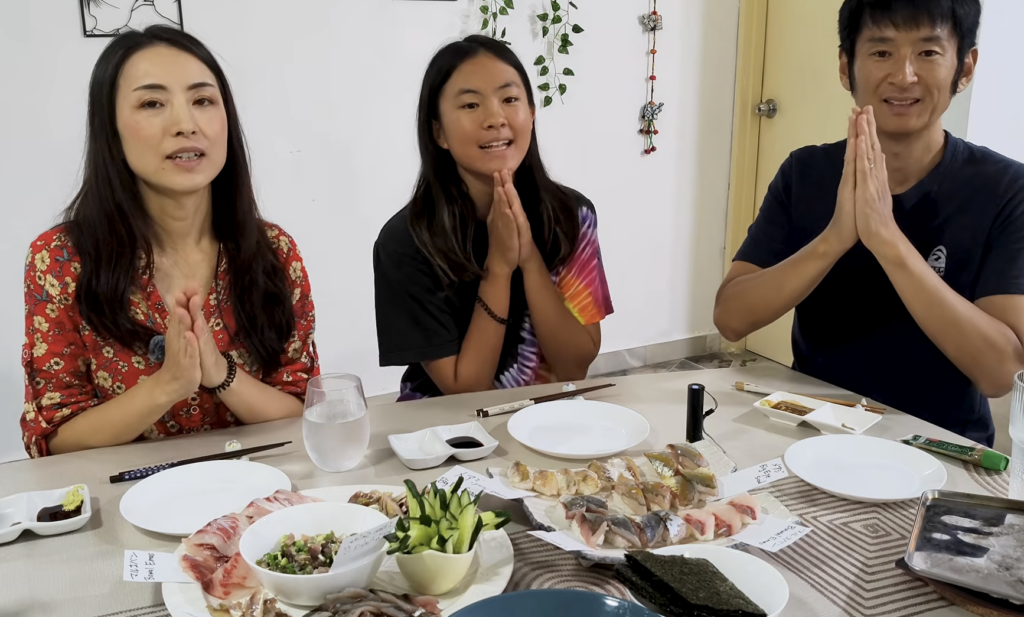
"I've been fishing for nearly 50 years, yet I still exercise extreme caution… The moment a fish is caught, it must be properly bled, iced on the spot, and prepped immediately.
"Japanese families, especially anglers like us, have spent generations learning about raw seafood consumption. Parents teach kids from a very young age about the subtle safety cues and techniques," shared Fumi.
"Only after years of learning can you truly judge if a piece of raw fish is safe and delicious. So for your own health and safety: Please leave it to the professionals!"
In the video, Fumi showed his process preparing four different species of fish: bawal emas, ikan selar, mata besar (big eye scad), and ikan kuning (small scad)
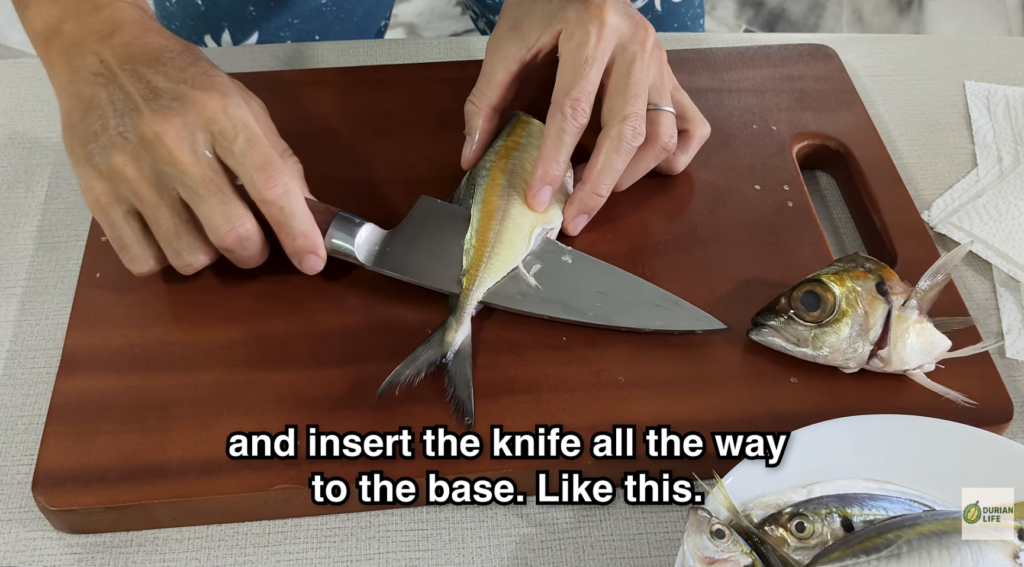
"When I first lived in Malaysia back in the early '90s, I used to wonder why a country with such an incredible, flavour-packed culinary scene had almost no raw food culture.
"Missing sashimi so deeply was actually what drove us to explore eating fresh fish raw here in Malaysia," Fumi told SAYS.
He also said there are a few tell-tale signs of a fish that's fresh enough to be sashimi-grade:
- For ikan kuning, the yellow strip fades the less fresh it is
- A firm fish belly is a sign of freshness
- Looking at the eyes is only reliable when the fish is extremely fresh, so it's not a 100% indicator
- Having a slimy coating is another sign of freshness
- A UV light can be used to check for parasites or worms
While Fumi is a born-and-bred angler, he and Yuu regularly go on "fresh fish hunts" at their local pasar pagi
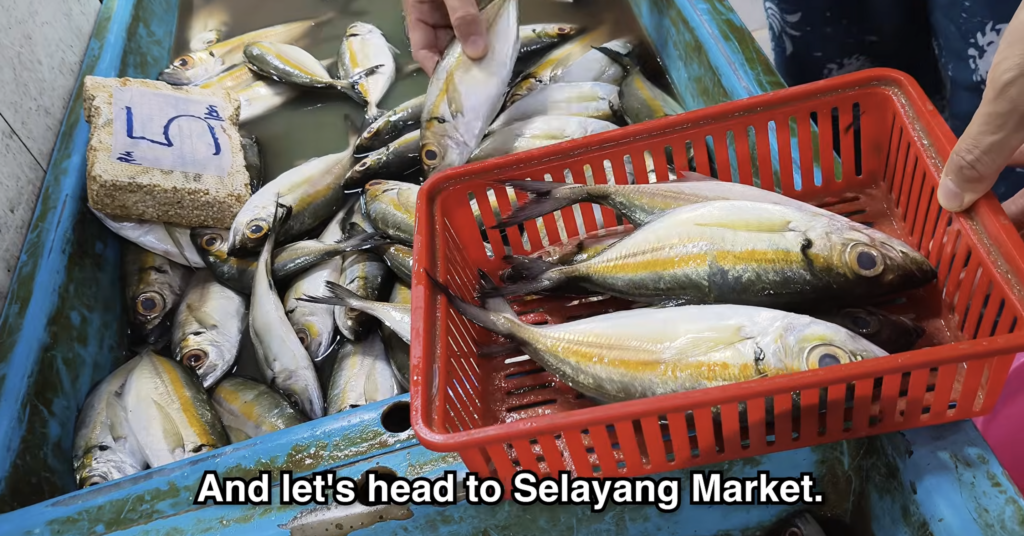
"Even with our trained eyes, we only buy fish for home-made sushi or sashimi once every four to five visits! We have to be extremely precise and picky.
"If you are a hardcore Kaki Mancing, you'd instantly know which fish is fresh enough to eat raw. Our family loves fishing! We travel around Malaysia, from Terengganu to various coastal spots, to catch the absolute freshest fish and make sashimi on the spot.
"But since KL is landlocked, we rely on our keen eyes at the local wet markets," he said, adding that they managed to prepare the whole sushi feast in the recent video for just RM40, after a visit to Selayang Market!
In the video, the family sampled the fishes in a variety of ways, like sashimi, sushi, and even tataki-style
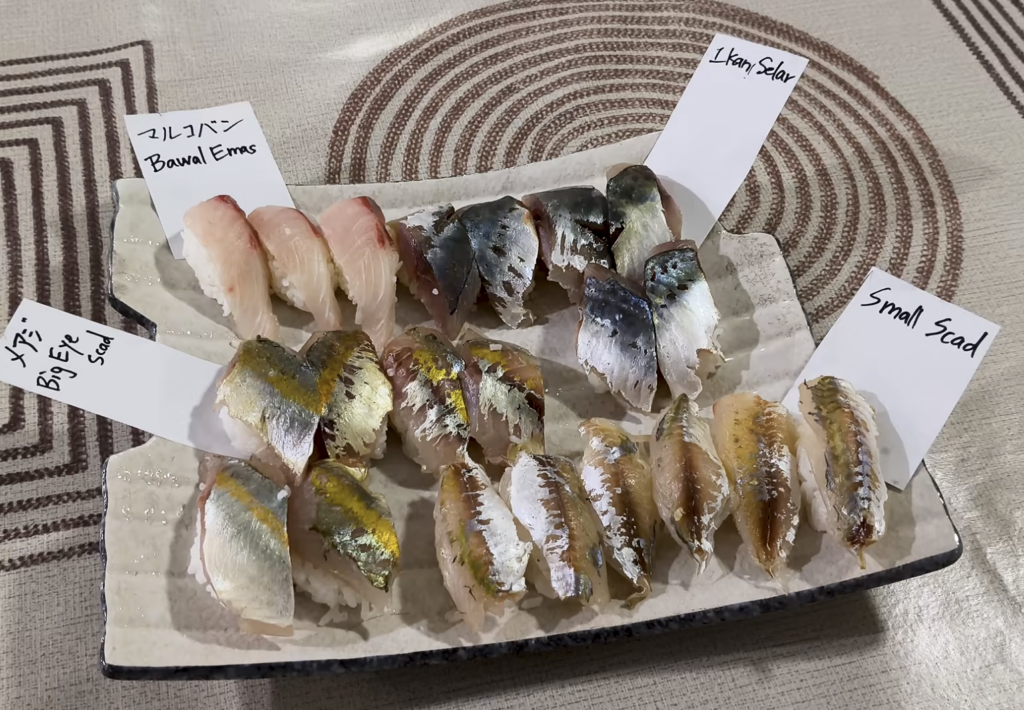
Of all the preparations, the consensus top picks were bawal emas (eaten raw as a sushi) and ikan selar (slightly torched).
And Fumi's reaction says it all!
When asked if they had any words to share with Malaysian fans, here's what Durian Life said:
"Malaysia is hands-down the best food paradise on Earth! Our family adores everything local, from nasi campur to wat tan hor, patin tempoyak, and beyond!
"We love chatting with locals wherever we go. If you ever spot us around town, please come say hi! We can happily talk about sushi, nasi lemak, and durian all day long!
Follow Durian Life on YouTube and TikTok for more interesting videos!
