
What’s The Cost Of Running An Eatery? Ex-Hawker’s Son Shares The Actual Numbers Behind
He argues that many customers only see the price on the menu, but not the rent, wages, utilities, and ingredient costs behind every plate.


 Cover image via Downtown JB
Follow us on Instagram, TikTok, and WhatsApp for the latest stories and breaking news.
As more eateries continue to close in Johor Bahru's city centre, one local has sparked discussion online after breaking down what he says are the harsh realities of running an F&B business today
In a lengthy social media post, the man said he recently became curious about rental rates in downtown Johor Bahru after noticing more shops shutting down, and attempted to break down the economics behind running a small eatery in the city centre.
He argued that many consumers may underestimate the costs businesses face before turning a profit.
According to him, renting just the ground floor of a shop lot in the area can start from around RM10,000 a month.
For context, the baseline starting price for a ground-floor shop lot in Taman Tun Dr Ismail, Kuala Lumpur, is similar to downtown JB.
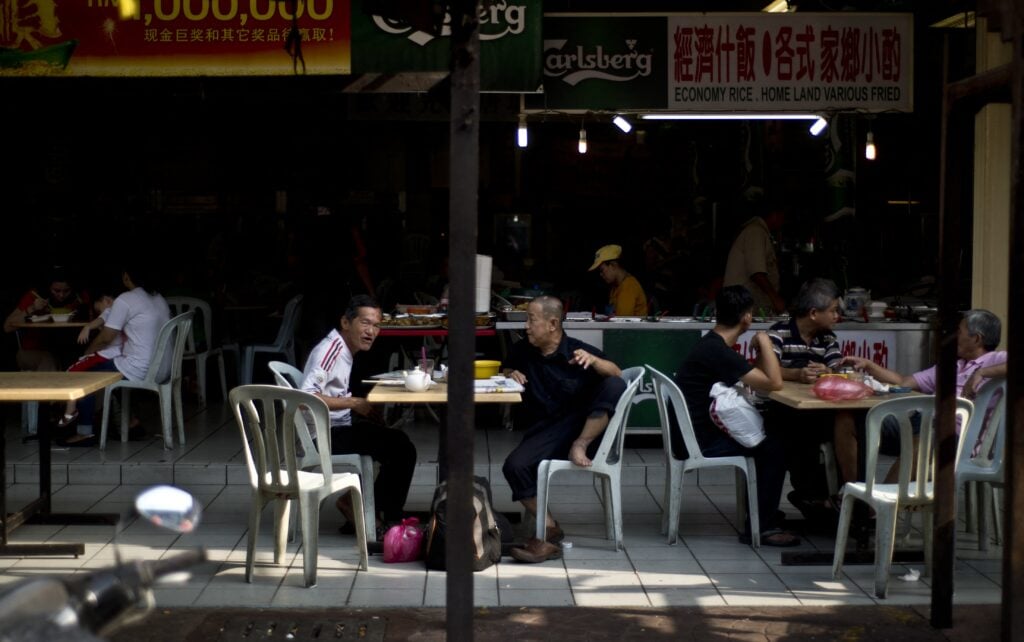
Malaysian men enjoy their morning breakfast at an eatery in downtown Kuala Lumpur.
Image via Manan Vatsyayana/AFP"Do you actually understand what RM10,000 means?" the man, who is the son of a former hawker, asked before breaking down the numbers
According to his calculations, assuming a business operates 26 days a month, a shop owner would need to make around RM385 a day just to cover rent, with zero profit.
And that's before accounting for a single worker, utility bill, or ingredient.
He then used the example of a small eatery employing three workers.
At RM1,800 per month, salaries alone would amount to RM5,400 monthly.
Combined with the RM10,000 rental, he estimated that the business would need to generate nearly RM600 in daily revenue simply to cover those two fixed costs.
But the expenses of running an eatery don't just stop at rental and salaries
According to the post, even assuming that the owner cooks themselves and does not hire a head chef, costs such as electricity, water, gas, ingredients, seasonings, takeaway containers, and plastic bags could easily reach RM6,000 a month.
Using those estimates, the man calculated that an eatery would need to generate roughly RM900 in revenue every day just to break even.
"If the owner isn't greedy and wants to earn RM500 a day to support their family after working more than 10 hours, daily sales need to reach RM1,400," he argued.
To illustrate the challenge, he pointed to a typical RM10 meal.
At that price, the business would need to sell around 140 plates a day.
Even if each meal costs RM15, it would still need to sell about 94 plates daily.
And according to him, consistently achieving those numbers is far more difficult than many people realise.
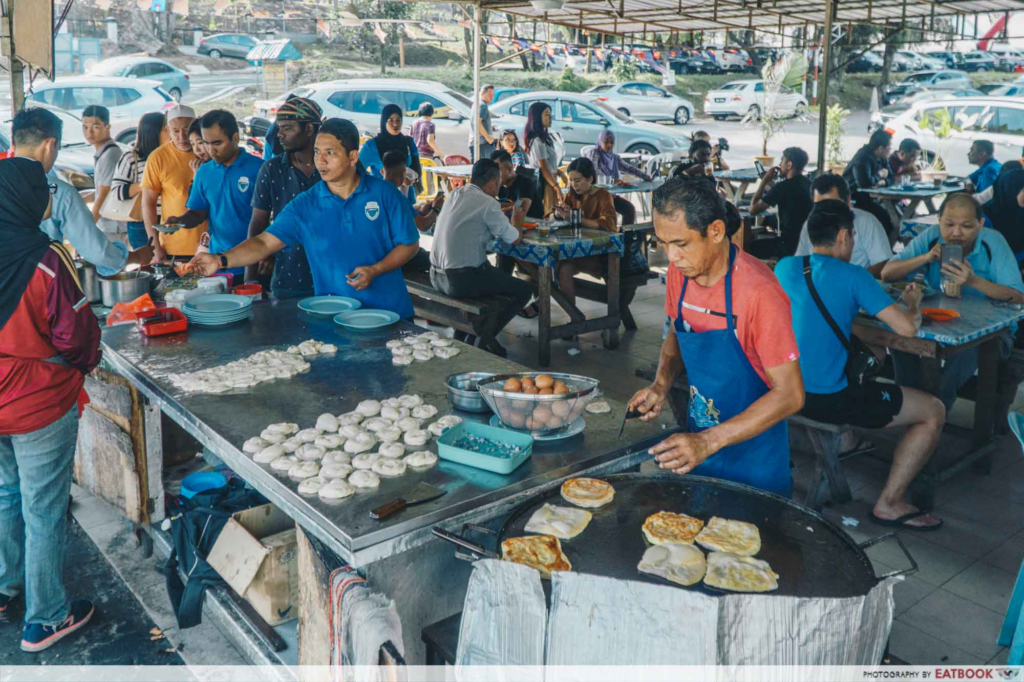
The man said he understands the industry because he grew up helping at his parents' wonton noodle stall
Recalling his childhood, he said a bag of noodles contained around 50 portions and that selling more than 100 bowls a day was physically exhausting.
"You won't even have time to sit down for a drink of water or go to the toilet," he wrote.
While such sales figures may have been achievable in the past, he argued that today's market is very different.
Besides intense competition, he said customer traffic in many areas has slowed significantly, making it increasingly difficult for businesses to survive.
He also expressed frustration over a growing trend of netizens publicly criticising restaurants for charging what they perceive to be high prices.
According to him, many customers only see the final price on the menu without considering the costs involved in getting the food onto the table.
"You walked into an air-conditioned shop, casually placed your order, and someone else stood over a hot stove preparing your meal," he wrote.
He argued that, unless a business is clearly overcharging, publicly posting complaints online could hurt small operators who are already struggling to stay afloat
"A reckless post can indirectly discourage other customers from visiting," he said, adding that such behaviour can feel like a form of cyberbullying towards business owners.
If customers feel a meal is too expensive or not worth the money, he suggested simply choosing not to return.
He concluded by saying that inflation and rising costs have made operating an F&B business increasingly challenging.
He urged consumers to be more understanding when dining out and to consider the expenses business owners face every month, from rent and wages to utilities and ingredients.
"If you think eating out is too expensive, try buying groceries and cooking at home," he wrote.
"Cook just once, and you'll realise how expensive everything has become."
