
The Making Of A Grandmaster: Yeoh Li Tian Shares How He Sacrificed His Childhood For Chess
Meet Malaysia's first chess Grandmaster.


 Cover image via
 Follow us on Instagram, TikTok, and WhatsApp for the latest stories and breaking news.
When Yeoh Li Tian was 3 years old, most children his age were still learning the alphabet.
But in his household, something else was taking shape — a quiet introduction to a game that would define his life.
Fast forward to 3 August, Yeoh made history by becoming Malaysia's first-ever chess Grandmaster, clinching the title after emerging champion at the GM-IM Invitational Chess Championship in Kuala Lumpur.
To learn how he rose to the top of Malaysian chess, we spoke to the 25-year-old data analyst engineer about his journey, from his early days at the board to his recent triumph on the international stage.
"My father introduced me and my brother to chess when I was about three.
"At some point, he recognised my natural talent, and we were training quite seriously even back in primary school," recalled Yeoh.
He told SAYS that it's hard to pinpoint what drew him to the game, as the memories are hazy, perhaps because it has always felt like second nature.
"Since I learned chess so early, it became almost hardwired into my brain," he said.
From the very beginning, Yeoh's father was both coach and mentor, taking him across Malaysia to play against seasoned opponents.
"He exposed me to a variety of players and styles," Yeoh said, a foundation that would later prepare him for international competition.
In previous interviews, he said he sacrificed his childhood to play chess.
Like many young players today, Yeoh admires Magnus Carlsen, the five-time classical World Champion known for his ability to win seemingly drawn games.
"I admire how he manages to win games that many grandmasters would typically consider 'easy draws'," he said.
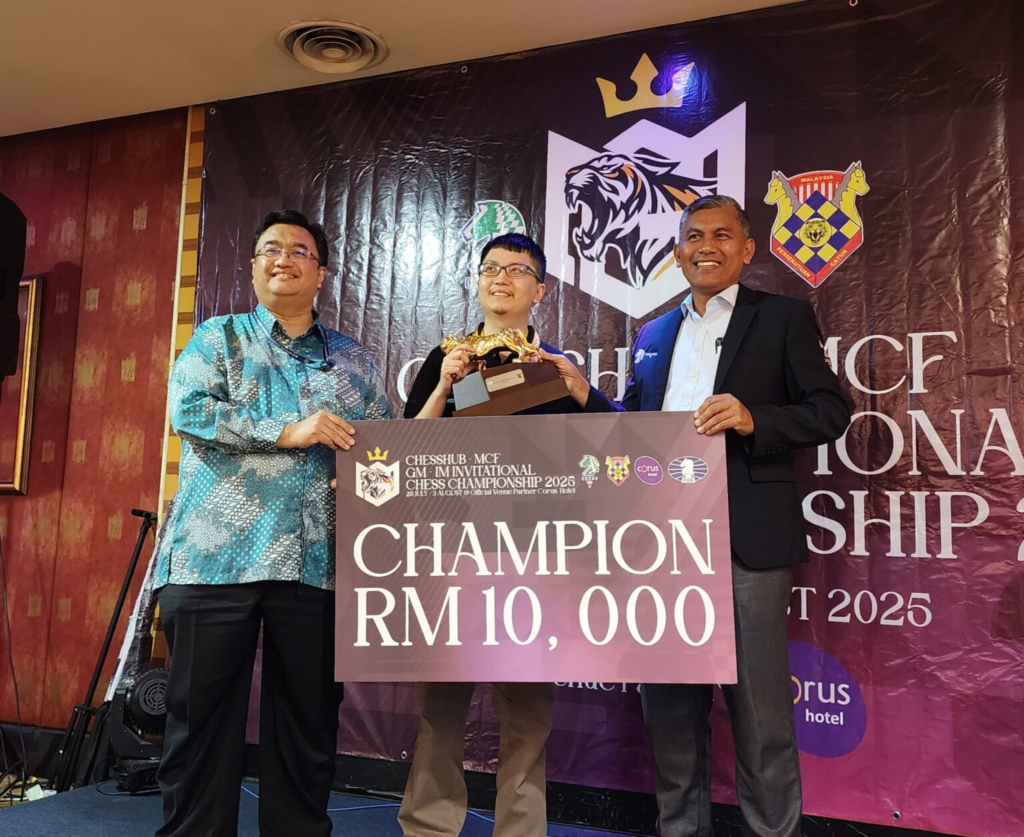
Over the years, Yeoh's training has evolved
In the past, he focused heavily on his middlegame and endgame, reviewing his matches to identify mistakes and refine his thought process.
Today, his approach blends classical study with modern tools: game databases, chess engines, and software like ChessBase.
"While some players focus only on finding better moves, I dive deeper into how I can adjust my thinking to consistently spot those moves in the future," he told SAYS.
Unlike some chess masters known for signature openings, Yeoh avoids predictability.
"At a competitive level, sticking to one or very few openings can make you predictable," he said.
Instead, he prefers moves that disrupt his opponent's plans, forcing errors born from impatience.
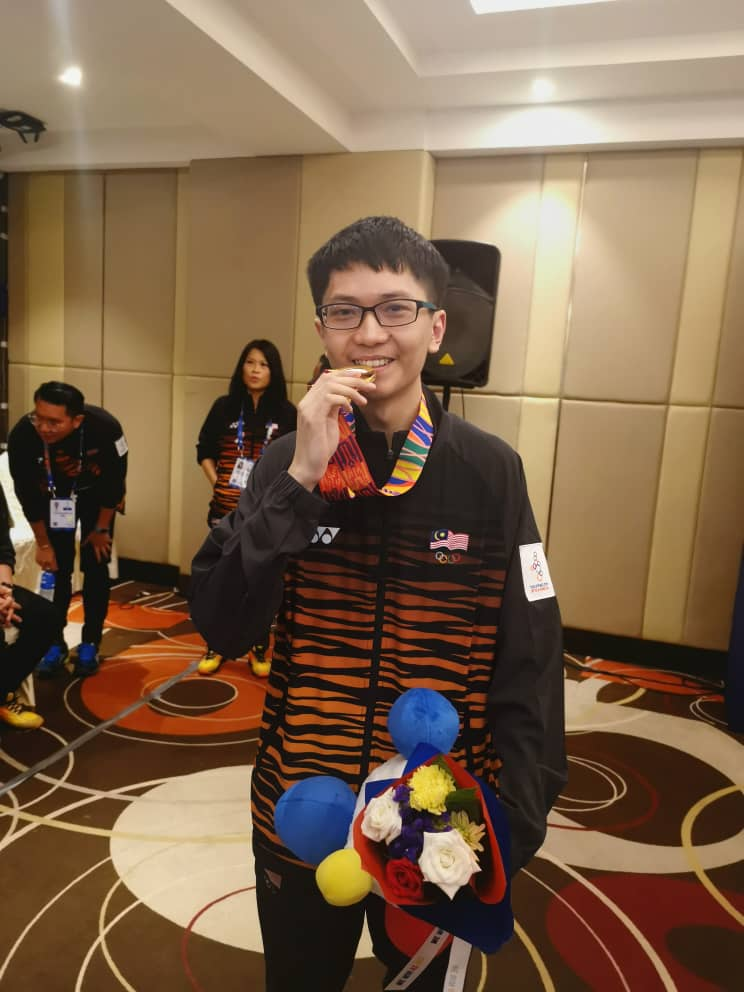
For Yeoh, one of the biggest challenges has been competing as an amateur against full-time professionals
"Balancing work or studies with chess means we have less time and energy to devote to training compared to others," he said.
Now 25, Yeoh holds a Bachelor's degree in Mathematics from Imperial College London and a Master's from the University of Malaya.
Outside of chess, he enjoys Chinese chess, Go, shogi, and video games, particularly Genshin Impact.
"I currently work as a data analyst engineer, focusing on data analysis, pipelines, and machine learning projects," he said.
Even a Grandmaster is not immune to frustration. Yeoh has experienced plateaus where his performance stalled. But instead of quitting, he took strategic breaks.
"Sometimes stepping back and letting time do its work helps.
"Taking a breather and coming back later often brings clarity," he shared.
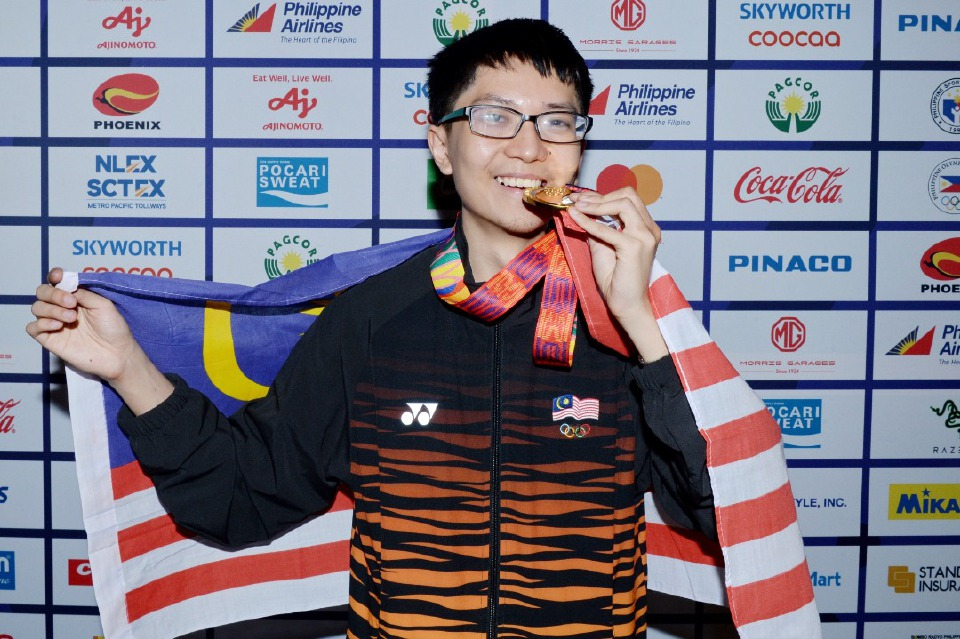
Yeoh won gold in the 2019 SEA Games.
Image via Aizuddin Saad/Berita HarianYeoh estimates he has played in 15 to 20 countries, with his furthest trip being to Sweden during his university years
Tournament schedules often leave little time for sightseeing, though he hopes to explore more in the future.
Financially, he is frank about the realities of going pro.
"Only the top 50 to 100 players in the world can make a comfortable living from chess through sponsorships and winnings."
In many countries, Yeoh said, government stipends allow players to focus solely on training. Otherwise, full-time players often rely on coaching — a trade-off that can affect their own competitive form.
For now, he considers becoming a full-time professional as a 'plan B', but his passion for the game remains undimmed.
"I truly hope chess continues to grow in Malaysia.
"And I look forward to the day we see our first professional Malaysian chess player," said the Grandmaster.
