
Malaysia Ranked 3rd Best Country To Live In, But For Whom?
Malaysia has been ranked behind Estonia and Singapore. But the ranking is specifically designed around expats looking to relocate.


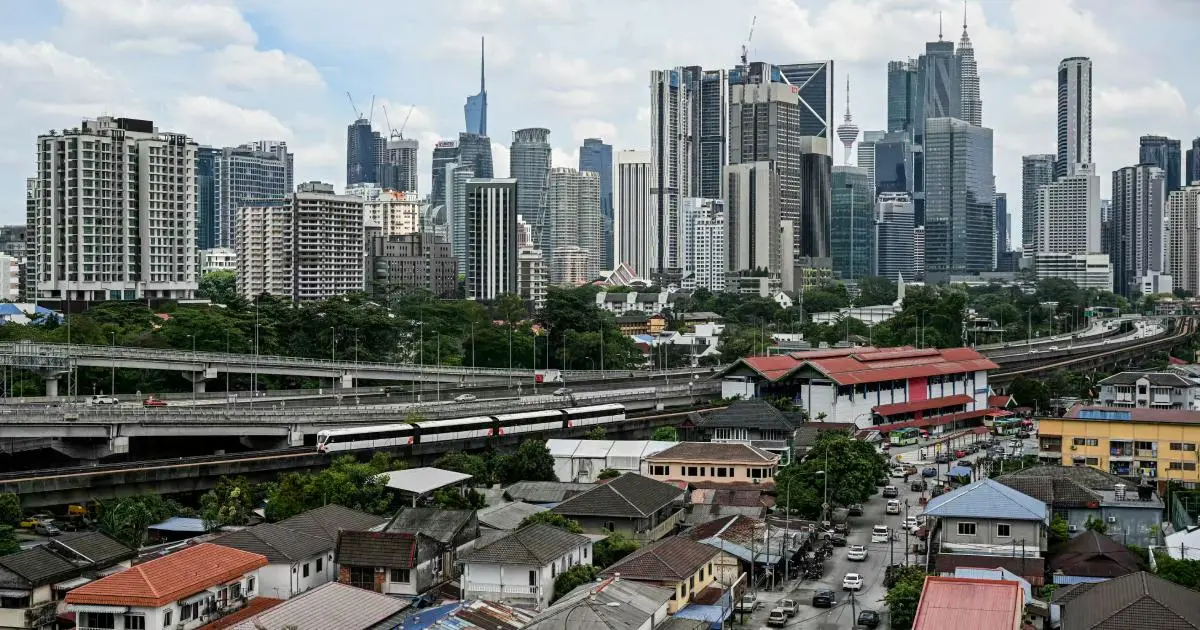 Cover image via Mohd Rasfan/AFP
Follow us on Instagram, TikTok, and WhatsApp for the latest stories and breaking news.
Malaysia has been ranked the third-best country in the world to live in, according to a new global relocation index
The country scored 72.0 out of 100 in the 2026 Rumavi Global Relocation Index, placing it behind only Estonia at 72.8 and Singapore at 72.6.
Portugal and Taiwan rounded out the top five.
But there is an important catch to the ranking: it is not really a measure of how good life is for the average person living in Malaysia. Instead, the index is designed around how attractive a country is to wealthy expatriates deciding where to relocate, with the criteria weighted differently depending on the type of person moving.
And Malaysia does particularly well for some groups.
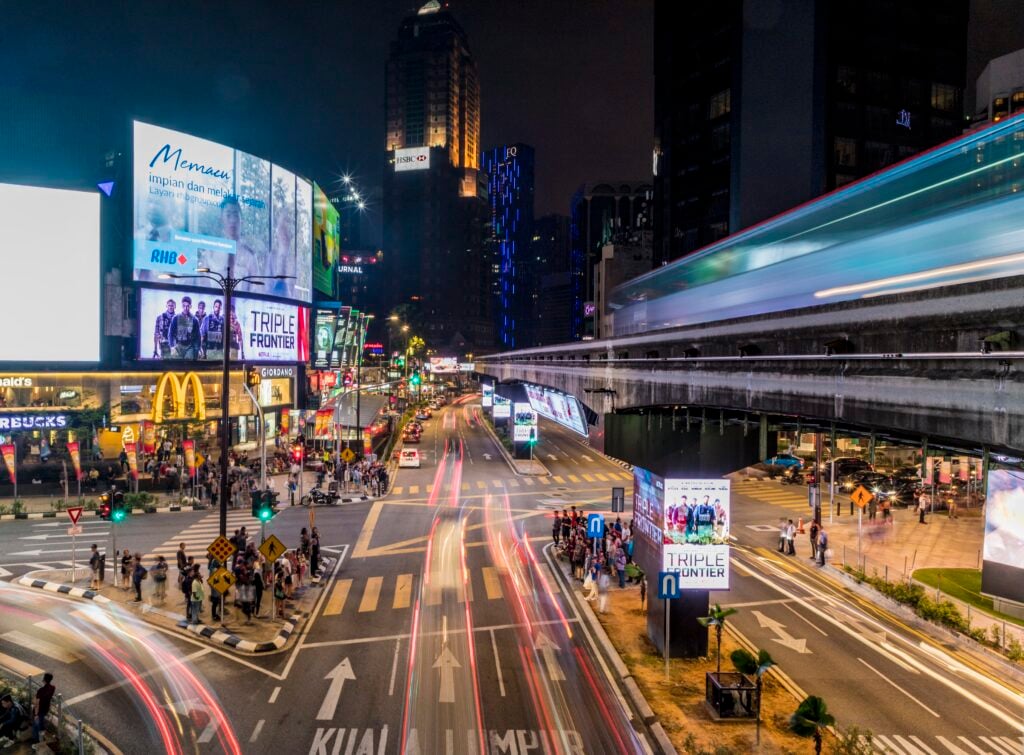
Night street scene in Bukit Bintang with a passing KL Monorail in Kuala Lumpur.
Image via Chris Mouyiaris/Robert Harding Heritage/AFPMalaysia is No 1 for digital nomads and retirees
Malaysia ranked first globally for both digital nomads and retirees in Rumavi's separate rankings. For digital nomads, Malaysia scored 79.1, while it scored 75.8 for retirees.
Its overall score was boosted by particularly strong results for affordability, currency and banking, and foreign income tax treatment. Malaysia scored 97.8 for general affordability, 88.7 for currency and banking, and 85.0 for foreign income tax.
Those are exactly the sorts of factors that can make Malaysia attractive to someone arriving with income or savings from overseas.
Rumavi's methodology also explicitly gives additional weight to different considerations depending on the type of person relocating. Retirees, for example, are assessed more heavily on factors such as healthcare, affordability and safety, while digital nomads are assessed according to factors including connectivity and remote-work suitability.
Malaysia also benefits from dedicated relocation pathways. Rumavi gives Malaysia's DE Rantau Nomad Pass a four-point bonus in its digital-nomad ranking, while the Malaysia My Second Home (MM2H) programme receives a two-point bonus in the retiree ranking.
So when the index says Malaysia is one of the best places in the world to live, it is worth asking: best for whom?

Tourists in Kuala Lumpur.
Image via Syaiful Redzuan/Anadolu/AFPThe same Malaysia also scores poorly on some important measures
The country's overall score becomes more complicated when you look beyond affordability and relocation-friendly factors. Malaysia scored just 52.0 for street safety, 57.0 for rule of law, and 39.0 for business opportunity.
Its four broader pillars were scored as follows:
- Financial and tax: 82.7
- Livability and health: 70.9
- Safety and stability: 64.2
- Settling and opportunity: 67.3
That creates a rather different picture from simply calling Malaysia the world's third-best country to live in. Malaysia is exceptionally competitive on cost and financial considerations, while some of its weaker scores come in areas that can matter greatly to people already living and working here.
The distinction is particularly relevant because Rumavi itself describes the index as a relocation tool rather than a universal quality-of-life ranking. Its methodology covers 192 countries and territories across 24 metrics, with the results reweighted according to six different relocation profiles.

Malaysia also ranks ahead of several countries traditionally associated with higher living standards
Australia ranked 29th with a score of 68.0, while Canada came 41st with 66.8. The UK ranked 49th with 65.8, and the US performed considerably worse, coming in at 107th with a score of 60.0. That does not necessarily mean Rumavi believes life in Malaysia is objectively better than life in those countries.
Rather, it reflects what the index is trying to measure: how attractive each country is to someone weighing up affordability, taxes, healthcare, safety, residency, infrastructure, and other factors before relocating.
So, is Malaysia really the third-best country to live in?
That depends heavily on who you are.
For a retiree with savings or income from overseas, Malaysia's relatively low costs, healthcare, climate, and tax treatment can make the country look extremely attractive. For a digital nomad earning money remotely, the combination of affordability, Internet infrastructure, English accessibility, and a dedicated nomad programme is similarly compelling.
But the picture changes when other priorities become more important. Malaysia ranked only 37th for entrepreneurs, for example, with business opportunity one of its weakest individual scores.
Meanwhile, the ranking has prompted scepticism among Malaysians online
Some questioned whether a country can reasonably be considered one of the world's best places to live when factors such as local wages, purchasing power, and everyday safety are considered.
Several commenters on Reddit argued that Malaysia's high position makes more sense for people earning foreign currencies than for Malaysians earning in ringgit. Others questioned the methodology, particularly its use of measures such as digital-nomad suitability, visa ease, and foreign income tax.
One commenter described the ranking as effectively measuring where it is best to live "on foreign money", while another argued that the results appeared to favour people who can earn in stronger currencies.
There was also criticism of Malaysia's street-safety score, with commenters sharing personal experiences involving theft and illegal motorcycle racing.
Others pushed back against the criticism, arguing that Malaysia still offers a relatively comfortable standard of living compared with many countries, particularly when food and other everyday costs are taken into account.
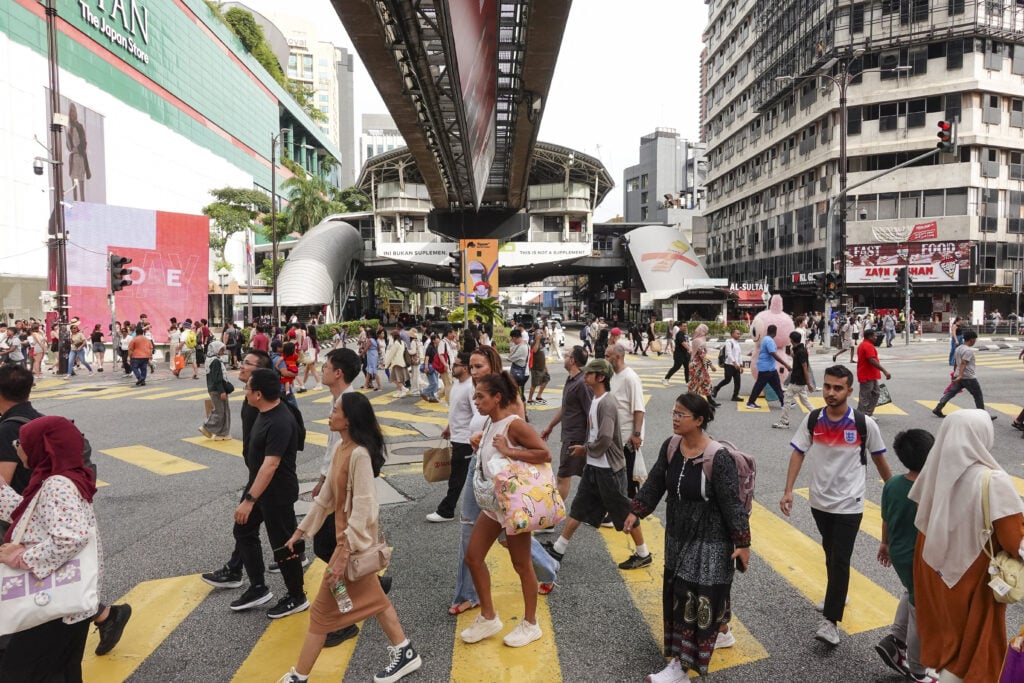
Pedestrian are seen at Bukit Bintang shopping area in Kuala Lumpur.
Image via Agoes Rudianto/Anadolu/AFP