
Did You Know That A Polar Bear’s Fur Isn’t Naturally White?
Basically, polar bears have been catfishing us this whole time.


 Cover image via
 Follow us on Instagram, TikTok, and WhatsApp for the latest stories and breaking news.
A polar bear's fur isn't naturally white
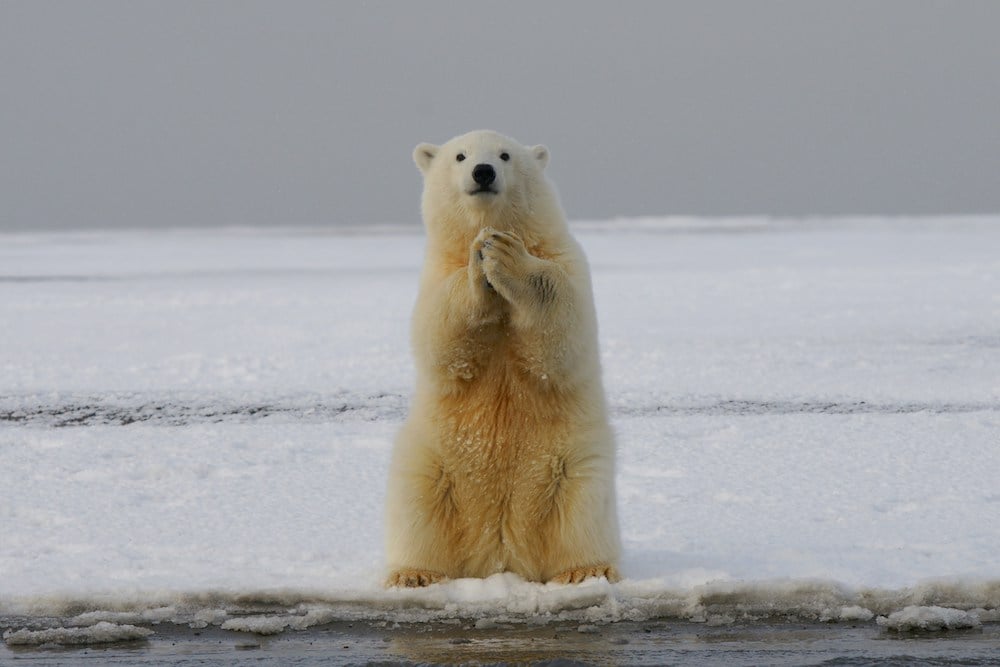
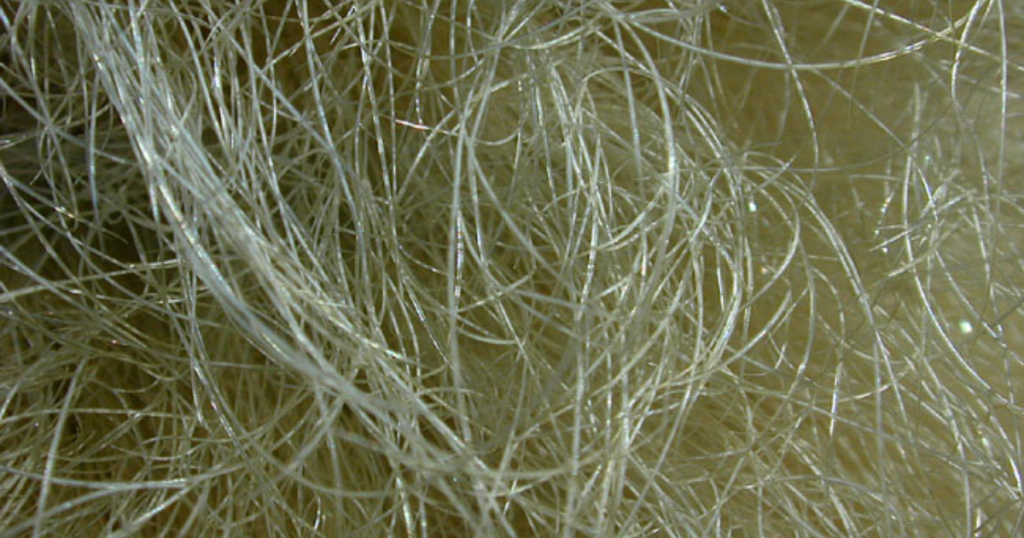
Each strand of hair is hollow and transparent. When sunlight hits the fur, the light scatters and reflects in different directions, making the bear appear white to our eyes.
It's similar to how snow looks white even though ice itself is clear. In other words, polar bears only look white because of the way light interacts with their fur.
Underneath all that fur is black skin
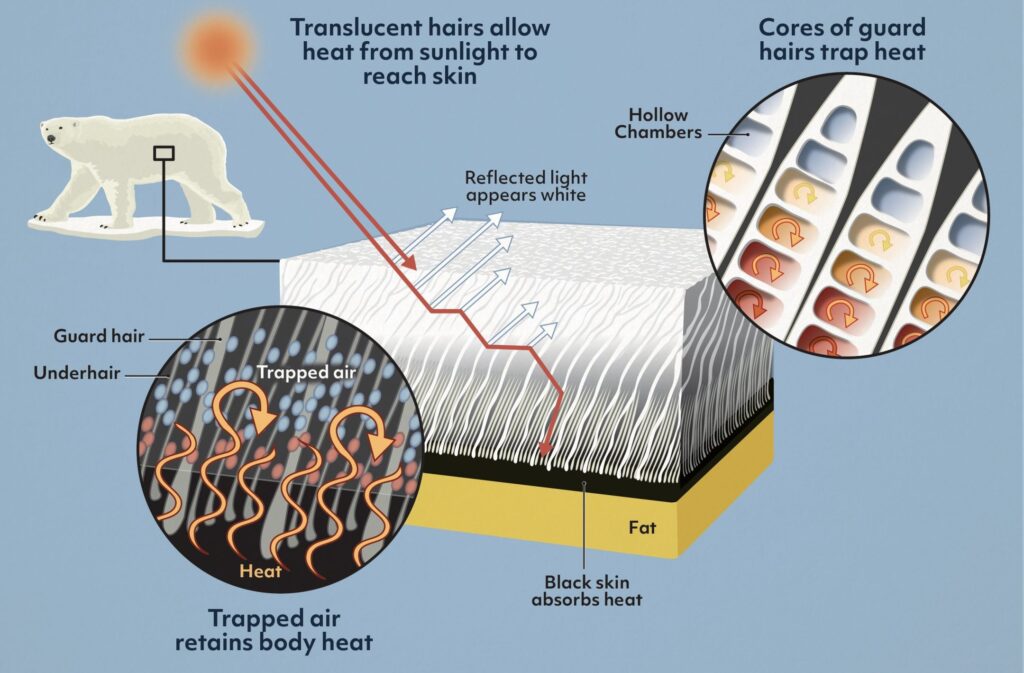
This isn't just a random feature. The dark skin helps polar bears absorb heat from the sun, which is useful when living in the freezing Arctic.
Combined with their thick fur and layers of fat, it helps keep them warm in one of the coldest environments on Earth.
If you've ever looked closely at photos of polar bears, you may have noticed that some appear yellowish instead of bright white
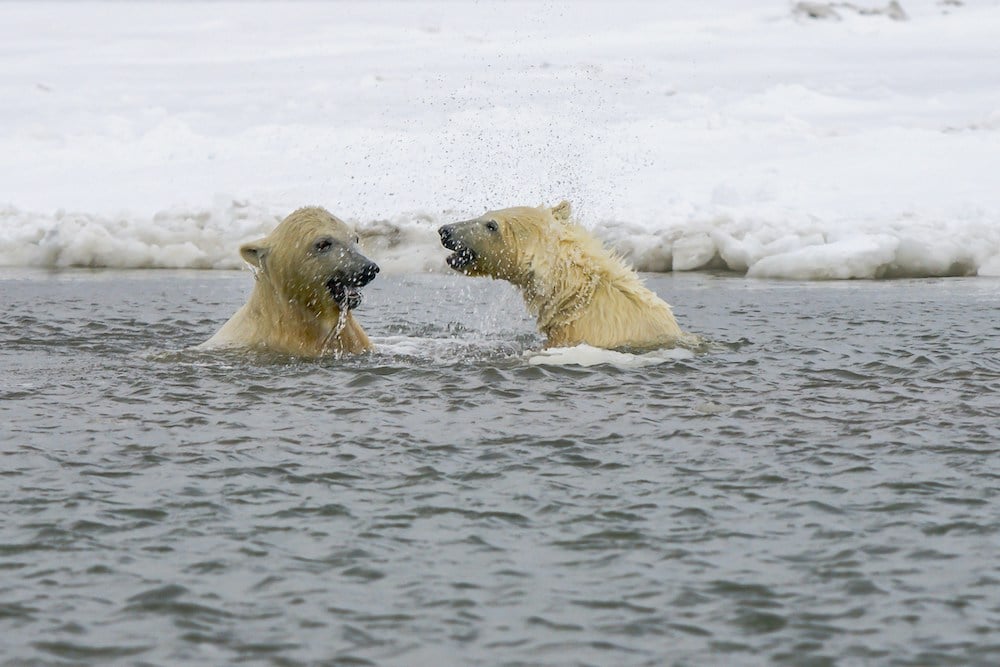
That's completely normal.
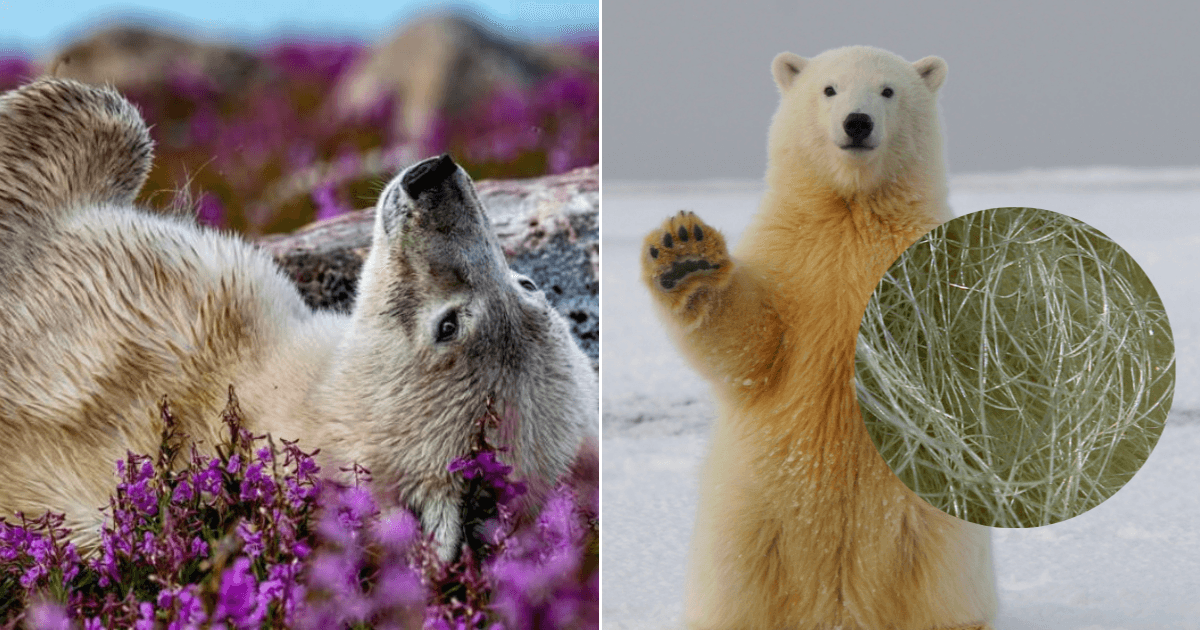
Their fur can become stained by oils, algae, salt, and even the environments they spend time in. Bears that swim frequently or spend time near open water can develop a creamy or yellow tint over time.
Some polar bears living on land can even appear slightly brown.
The combination of transparent fur and black skin helps polar bears survive in the Arctic
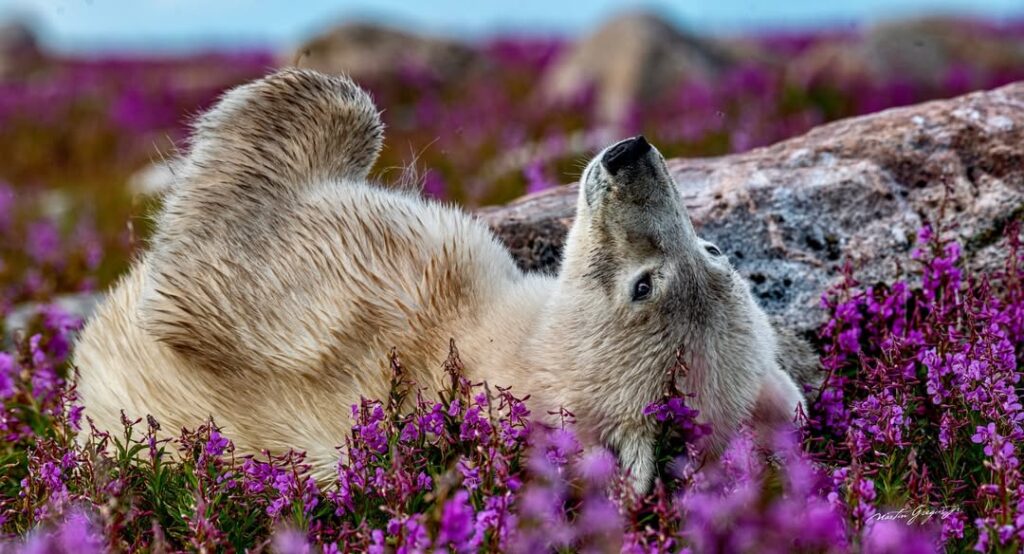
Their light-coloured appearance allows them to blend into snowy surroundings, while their dark skin helps absorb warmth from the sun. So while they may look like giant white bears, the truth is a lot more interesting.
Polar bears have been hiding black skin beneath transparent fur this whole time.
