
Why Are Spicy Foods Like Ayam Gepuk & Sambal So Addictive? Here’s The Science Behind It
Spicy food is basically edible adrenaline.


 Cover image via
 Follow us on Instagram, TikTok, and WhatsApp for the latest stories and breaking news.
If you're a foodie like the majority of Malaysians, you'd know how popular spicy foods are over here

Spicy food is considered a norm in Malaysia and other Southeast Asian countries.
That's why you can see queues stretching out of ayam gepuk shops at lunch, with a never-ending request of extra sambal from everyone.
And for most people, the spice is part of the appeal. But, why exactly is spicy food so addictive in the first place?
First things first, you have to know that spiciness is not actually a taste
That's right, it's technically not one of the five basic tastes like sweet, salty, sour, bitter, or umami. What you're feeling is pain and heat detection.
The main chemical responsible for making you feel spiciness is capsaicin, found in chillies
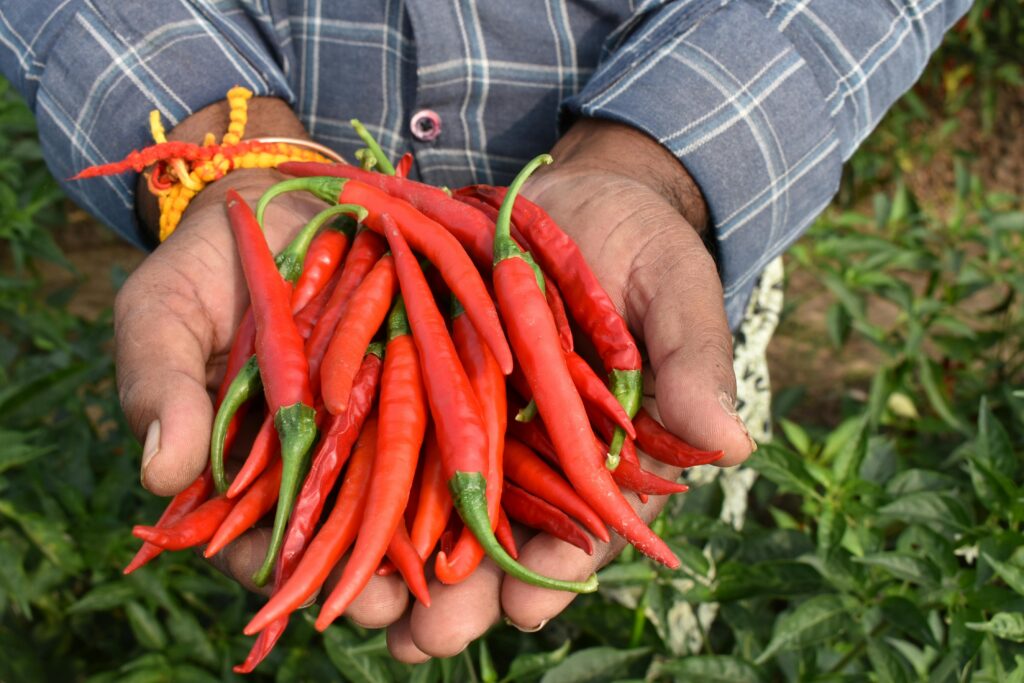
When you eat a chilli, capsaicin binds to pain receptors in your mouth called TRPV1 receptors. These receptors normally activate when something is physically hot enough to burn you.
Your brain receives that signal and reacts as though your mouth is being hurt. That's why spicy food can make you sweat, tear up, sniffle, and panic-drink three glasses of iced water.
Basically, your body is reacting as if your mouth is on fire, even though it's not.
Here is where things get interesting. Your brain actually rewards you for "surviving" the pain!

According to Biology Insight, your nervous system responds to the pain with a burst of endorphins and dopamine, the same chemicals released during exercise or excitement. This gives you similiar effects to having a "runner's high".
Endorphins help reduce pain and create relief while dopamine is associated with reward, motivation, and pleasure. Together, they can create the euphoric rush many people describe after eating something spicy.
Live Science states that researchers often compare this to activities like roller coasters or intense exercises.
Your brain basically recognises a stressful experience, then rewards you once it realises you went through it safely.
There may also be evolutionary reasons behind us liking chilli
One widely discussed explanation is that chilli peppers have antimicrobial properties that help preserve food and reduce bacterial growth, especially in hot climates.
Another theory suggests that spicy food helps cool the body indirectly through perspiration or sweating. This matters more in tropical climates, where spicy cuisines are especially common.
Neither theory fully explains modern chilli obsession on its own, but together they help explain why spice-heavy cuisines became deeply rooted across countries like Malaysia, Thailand, India, Mexico, and Korea.
Over time, your spice tolerance actually changes your brain's response

If you're eating spicy sambal for the first time, your reaction might be quick, and you'll most likely regret it.
However, studies show that people can become desensitised to capsaicin over time. The more frequently you eat spicy food, the less intensely your pain receptors respond.
This also explains the strange escalation many fans of spicy foods go through. Once your brain adapts to one level of heat, you start chasing stronger versions to recreate the same euphoric rush.
It's not exactly addiction in the medical sense, but the reward cycle can look very similar psychologically.
