
Countries Malaysians Still Can’t Travel Visa-Free, Despite Having The 7th Strongest Passport
While Malaysia's passport now ranks seventh globally, about a dozen countries still require an embassy visit or are restricted by government policy.


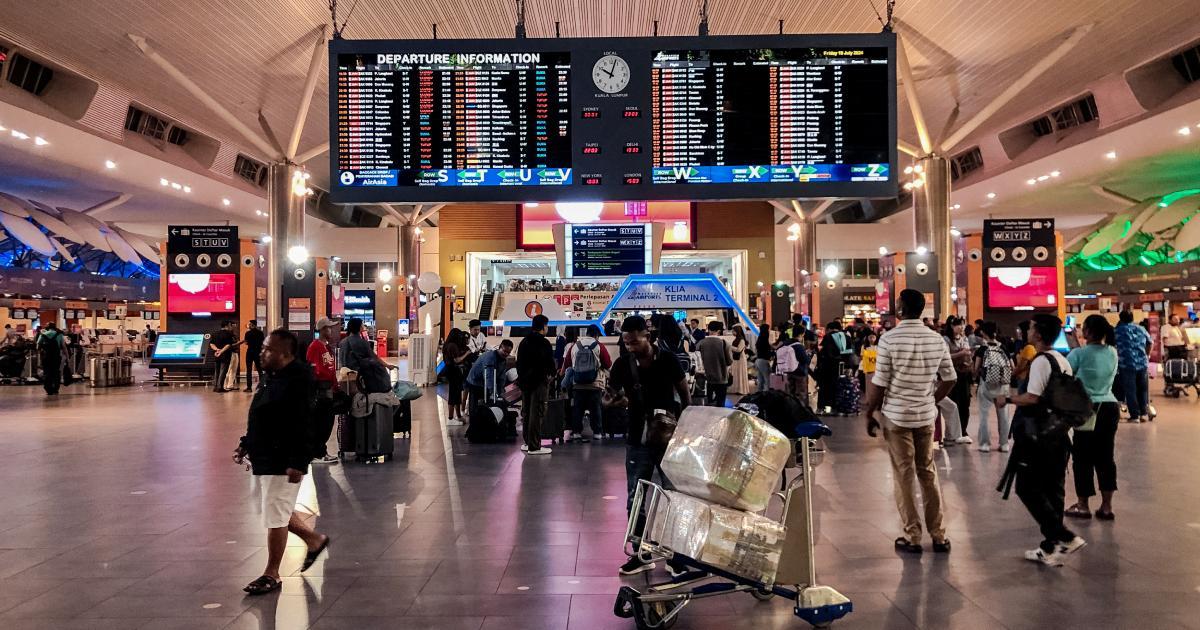 Cover image via Syaiful Redzuan/Anadolu/AFP
Follow us on Instagram, TikTok, and WhatsApp for the latest stories and breaking news.
Malaysia's passport now ranks among the world's most powerful, but that doesn't mean Malaysians can enter every country without restrictions
A handful of countries still require Malaysians to apply for visas through embassies, while two destinations are effectively off-limits under Malaysian government policy. Others require an eVisa, visa on arrival, or pre-arrival forms or travel authorisations before entry.
Among the roughly 44 destinations where Malaysians need a visa or special approval before travelling, only 10 require a traditional visa application through an embassy or consulate before departure.
These are not the type of visas that can be obtained at an airport counter or through a simple app. Malaysian travellers must apply directly to the relevant embassy or consulate before departure.
The US requires a B1/B2 tourist visa, which involves completing the DS-160 online form and an in-person interview at the US Embassy in Kuala Lumpur.
Canada requires a full Temporary Resident Visa (TRV), unless the applicant already holds a valid US visa or has held a Canadian visa within the past 10 years, in which case an eTA applies instead.
The remaining eight are the Central African Republic, Republic of the Congo, Eritrea, Ghana, Mali, Nauru, Niger, and Turkmenistan.
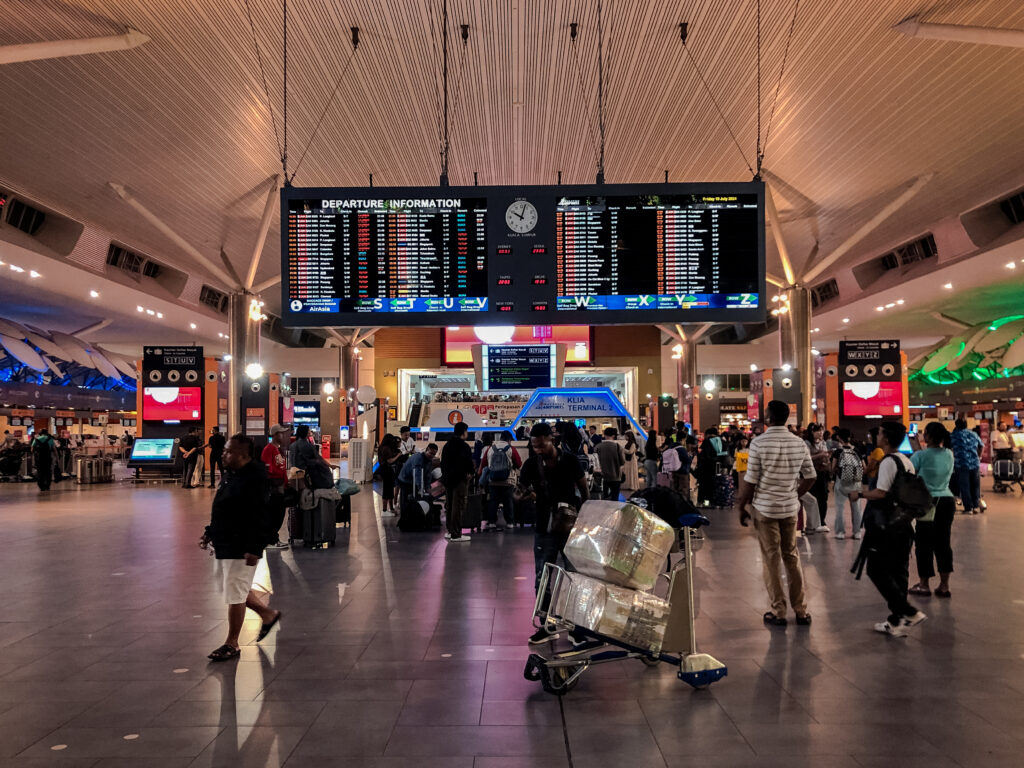
A general view from Kuala Lumpur International Airport.
Image via Syaiful Redzuan/Anadolu/AFPTwo destinations are restricted outright, and it has nothing to do with visas
Malaysian passports bear the inscription "This passport is valid for all countries except Israel", and the government permits travel there only for Christian and Muslim pilgrims, subject to clearance from the Ministry of Home Affairs.
North Korea has been off-limits to Malaysians since 2017, when the government imposed a travel ban following the assassination of Kim Jong-nam at KLIA and the resulting diplomatic fallout.
A wider group of countries requires an eVisa or visa-on-arrival, which may involve less hassle but is still a mandatory requirement
This is where most of Malaysia's "non-visa-free" travel actually falls: a quick online application or an on-arrival process, rather than an embassy visit.
India requires travellers to apply for an e-Tourist visa before travel. Since April, foreign travellers must also complete a mandatory e-Arrival Card before boarding, as part of a wider push to digitise the country's border checks.
Saudi Arabia and Egypt offer either an eVisa or visa-on-arrival.
Russia's eVisa covers stays of up to 16 days.
Several African nations, including Nigeria, Angola, Cameroon, and the Democratic Republic of the Congo, also fall into this category, along with Afghanistan, Pakistan, and Myanmar in Asia.
China is a rare example of the reverse trend: Malaysians who once needed a visa to enter can now enjoy a 30-day visa-free entry.
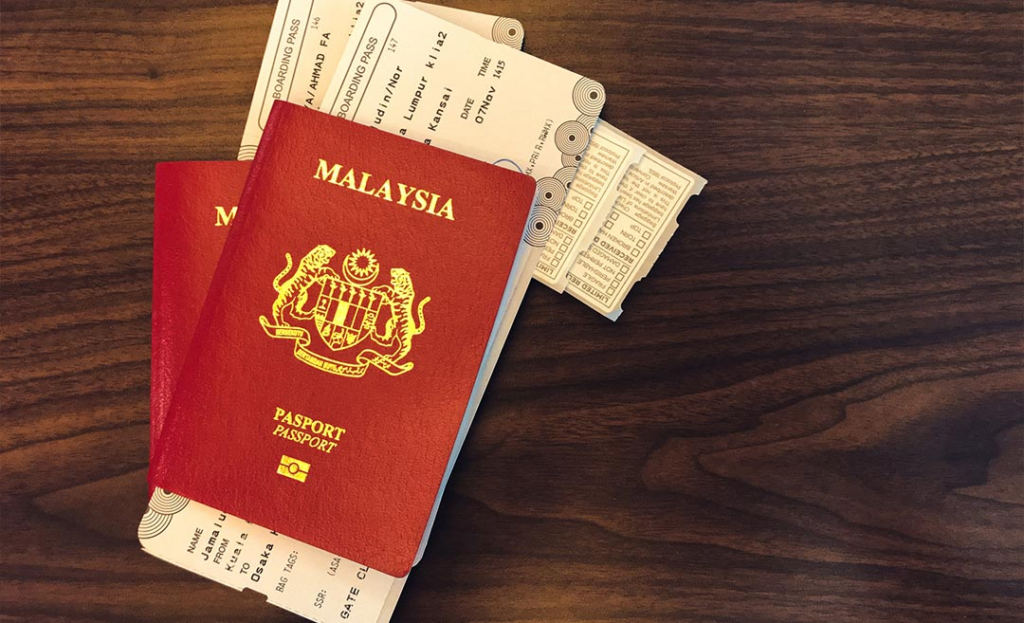
For most destinations, the Malaysian passport clears the way without any additional requirements
The countries listed above are the exceptions rather than the rule.
For the vast majority of global destinations, including ASEAN countries, the Schengen Area, the UK, Japan, and South Korea, Malaysians either pass through immigration without a visa or complete a short digital authorisation before departure.
This broad access is a key reason why the passport's ranking has climbed as far as it has this year.
