
New US Student Visa Rules Introduce Fixed Terms And Additional Immigration Steps For Malaysians
New rules will replace the US' decades-old "duration of status" system with fixed admission periods, while cutting the post-study grace period from 60 days to 30.


 Cover image via Melissa Bender/Nurphoto/AFP
Follow us on Instagram, TikTok, and WhatsApp for the latest stories and breaking news.
Malaysian students will soon have a fixed clock on their US stay
Malaysians studying in the US will have to pay closer attention to their visa timelines from September, when new rules end the decades-old system that allowed international students to remain in the country for as long as they maintained their studies.
The US Department of Homeland Security (DHS) published its final rule amending immigration regulations for foreign students, exchange visitors, and foreign media representatives on 17 July.
The rules were officially announced on 16 July and will take effect on 15 September 2026.
For Malaysian students, the most significant change is the end of the "Duration of Status" (D/S) policy.
Under the old system, students could generally remain in the US for as long as they maintained valid student status and continued their approved programme, without having a fixed end date for their admission.
That system will be replaced by an "Admit Until Date" (AUD), giving students a defined period of admission.
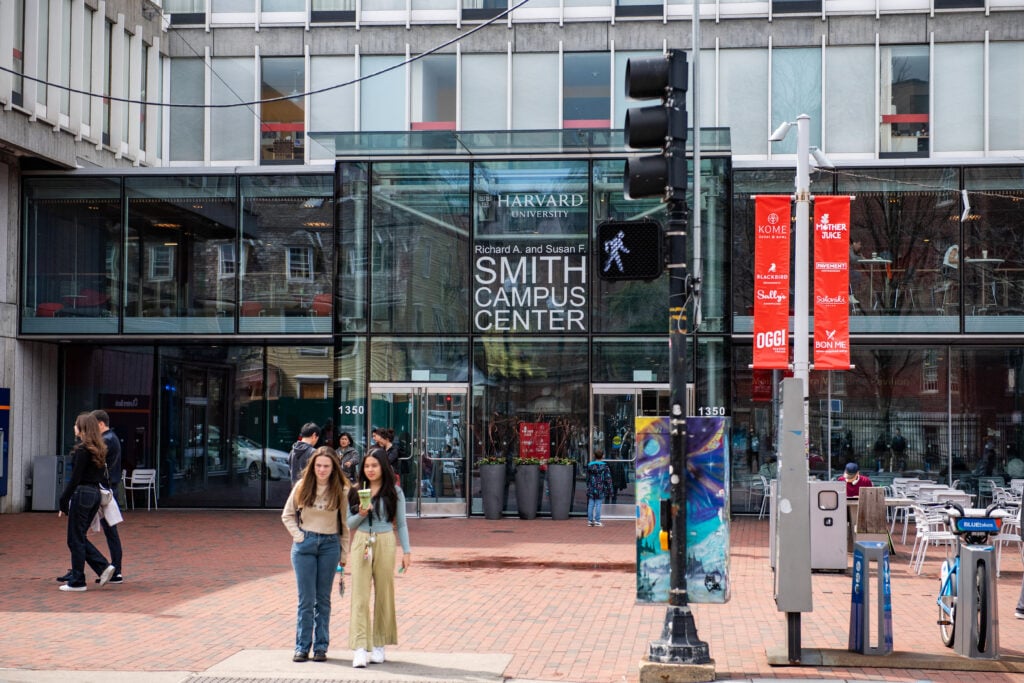
Students stands outside the Richard A. and Susan F. Smith Campus Center on the Harvard University campus in Cambridge.
Image via Joseph Prezioso/AFPHow long can Malaysian students stay?
Under the new rules, admission periods for students and exchange visitors will be matched to the length of their programme, subject to a maximum of four years.
This does not necessarily mean every Malaysian student will only have four years to complete their studies.
Rather, students whose programmes require more time will need to apply for an Extension of Stay (EOS) through US Citizenship and Immigration Services (USCIS).
This could be particularly relevant to students whose studies take longer than originally planned, including those who need additional time to complete their academic requirements or participate in approved training.
The extension process also introduces additional immigration procedures, including background checks and biometric screening.
For students, that means an academic delay that might previously have been managed while remaining under their existing duration-of-status arrangement could now require a formal immigration extension.
The biggest change after graduation: 30 days instead of 60
Malaysian students planning to remain in the US after completing their studies will also have less time to make their next move.
The final rule reduces the F-1 student grace period after programme completion from 60 days to 30 days.
Previously, students generally had up to 60 days to leave the US or take steps to change their immigration status after completing their programme.
From 15 September, that window will be cut in half.
For Malaysians hoping to find employment in the US after graduation or transition to another immigration status, this means arrangements will need to be made much earlier.
Students who intend to return to Malaysia after graduation will likewise have less time to organise their departure.
What about Malaysian students already studying in the US?
This is where the timing of the new rule matters.
The final rule takes effect on 15 September 2026, meaning students and prospective students will have some time to understand how the new system will apply to their particular circumstances.
Rather than assuming that every existing student will suddenly have a four-year countdown from September, Malaysian students should check how the rule applies to their individual admission record and programme with their university's international student adviser.
This is particularly important for students whose programmes may extend beyond four years or whose academic timelines have already been affected by delays.
An extension will no longer simply be an academic matter. Under the new system, it could also become an immigration matter requiring an application to USCIS.
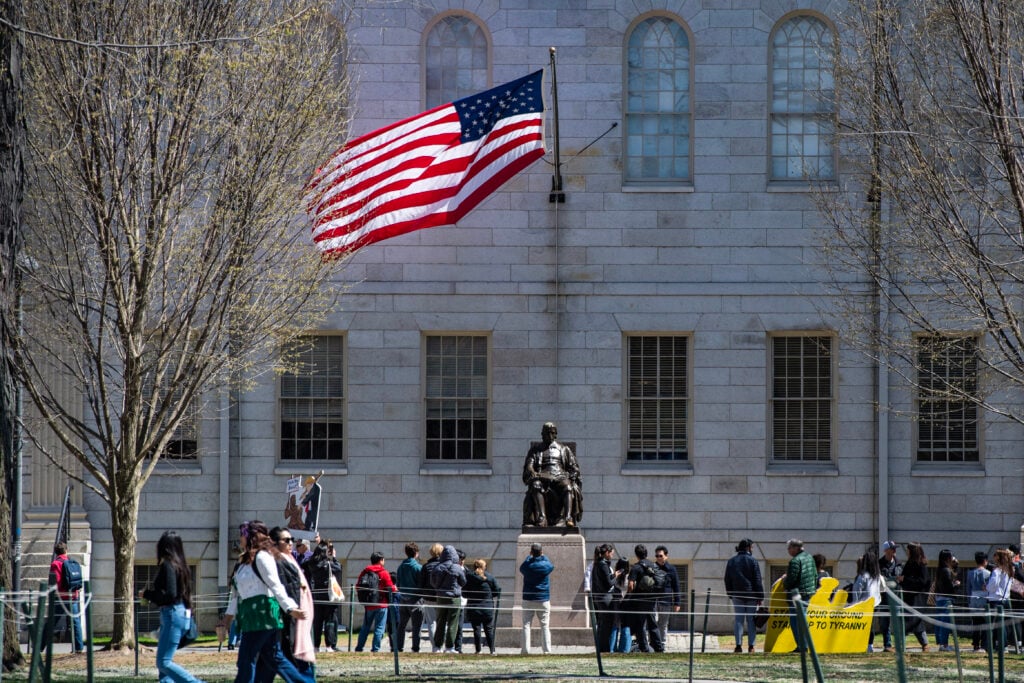
Demonstrators with signs stand around the John Harvard Statue in Harvard Yard after a rally was held against President Donald Trump's attacks on Harvard University at Harvard University in Cambridge, Massachusetts.
Image via Joseph Prezioso/AFPTravelling home could also become more complicated
The changes could also make international travel a bigger consideration for Malaysian students.
Students who need to return to Malaysia for visa stamping or other immigration-related purposes will have to consider whether they have the necessary documentation to re-enter the US and whether their immigration status remains valid.
That can mean additional expenses for flights, visa applications, accommodation, and other travel costs.
There is also the practical risk of being unable to return according to the original schedule if immigration processing takes longer than expected.
For students with classes, research, examinations, or other academic commitments, that uncertainty could have consequences beyond the cost of the trip itself.
As a result, Malaysian students may need to speak with their university's international student office before making overseas travel plans, particularly when visa renewal or other immigration procedures are involved.
Malaysian student group says planning ahead is now more important
The National Assembly of Malaysian Students in the United States of America (NAMSA) has advised Malaysian students to review their academic and career plans in light of the changes.
Students intending to return to Malaysia after graduation should look closely at their programme timelines and make sure they are on track to complete their studies within their permitted period.
Those hoping to work in the US after graduation, meanwhile, will need to prepare well before completing their programmes because the post-graduation grace period has been reduced to 30 days.
NAMSA also said US universities remain supportive of international students and continue to provide guidance when immigration rules change.
Students have been advised to seek help early from their university's international student adviser, as well as organisations such as NAMSA and Education Malaysia in Washington, DC.
The changes are not a ban on Malaysian students studying in America
The new rules do not prevent Malaysians from studying in the US.
What they change is how long international students can remain without having to obtain a formal extension, and how much time they have to deal with their immigration status after completing their studies.
For Malaysian students, the practical takeaway is fairly straightforward: programme timelines, visa status and post-graduation plans will need to be managed more closely than under the old system.
Students considering the US for their next degree may therefore want to look beyond university rankings and tuition fees when choosing a programme.
How long the programme is expected to take, whether it could realistically extend beyond four years, and what happens if additional time is needed are now immigration questions as well as academic ones.
The new rules take effect on 15 September 2026.
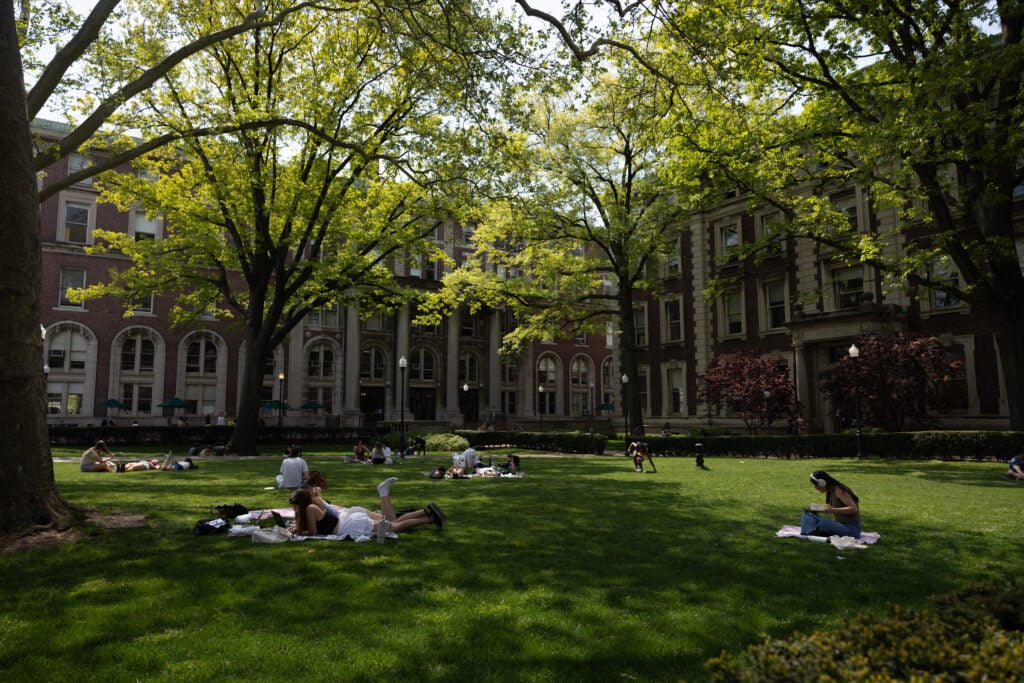
Columbia University students.
Image via Melissa Bender/Nurphoto/AFP