
What Are The Small Black Dots Around Your Windshield? Here’s What They’re Actually For
They do have a practical use!


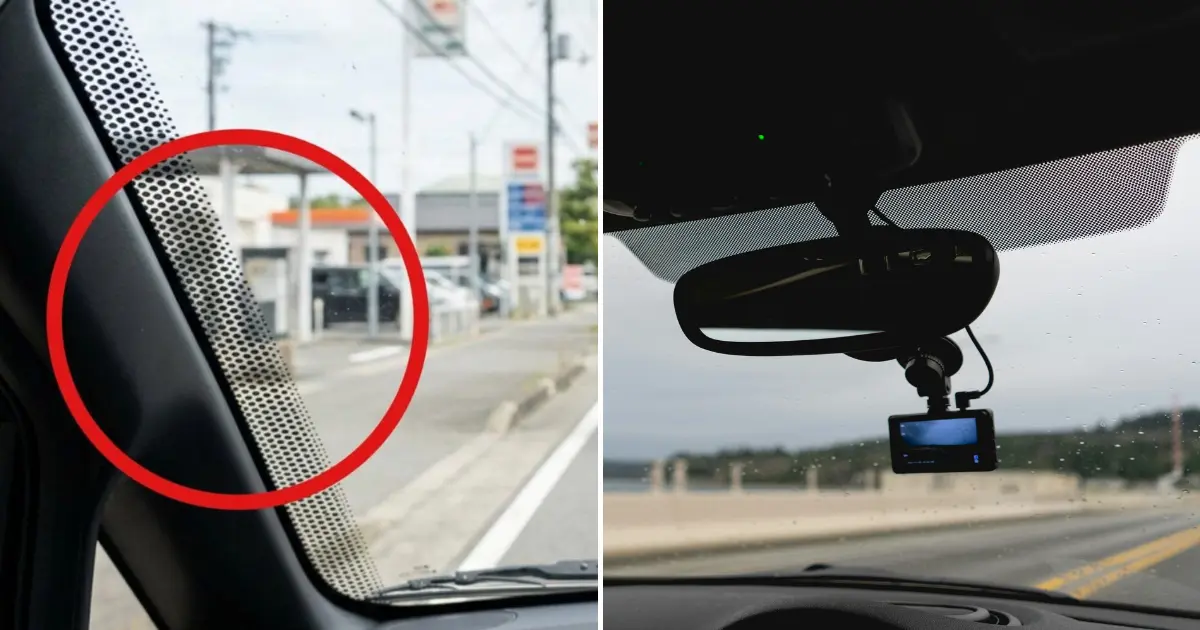 Cover image via
Follow us on Instagram, TikTok, and WhatsApp for the latest stories and breaking news.
Ever wondered what those tiny black dots lining the edges of your windshield are?
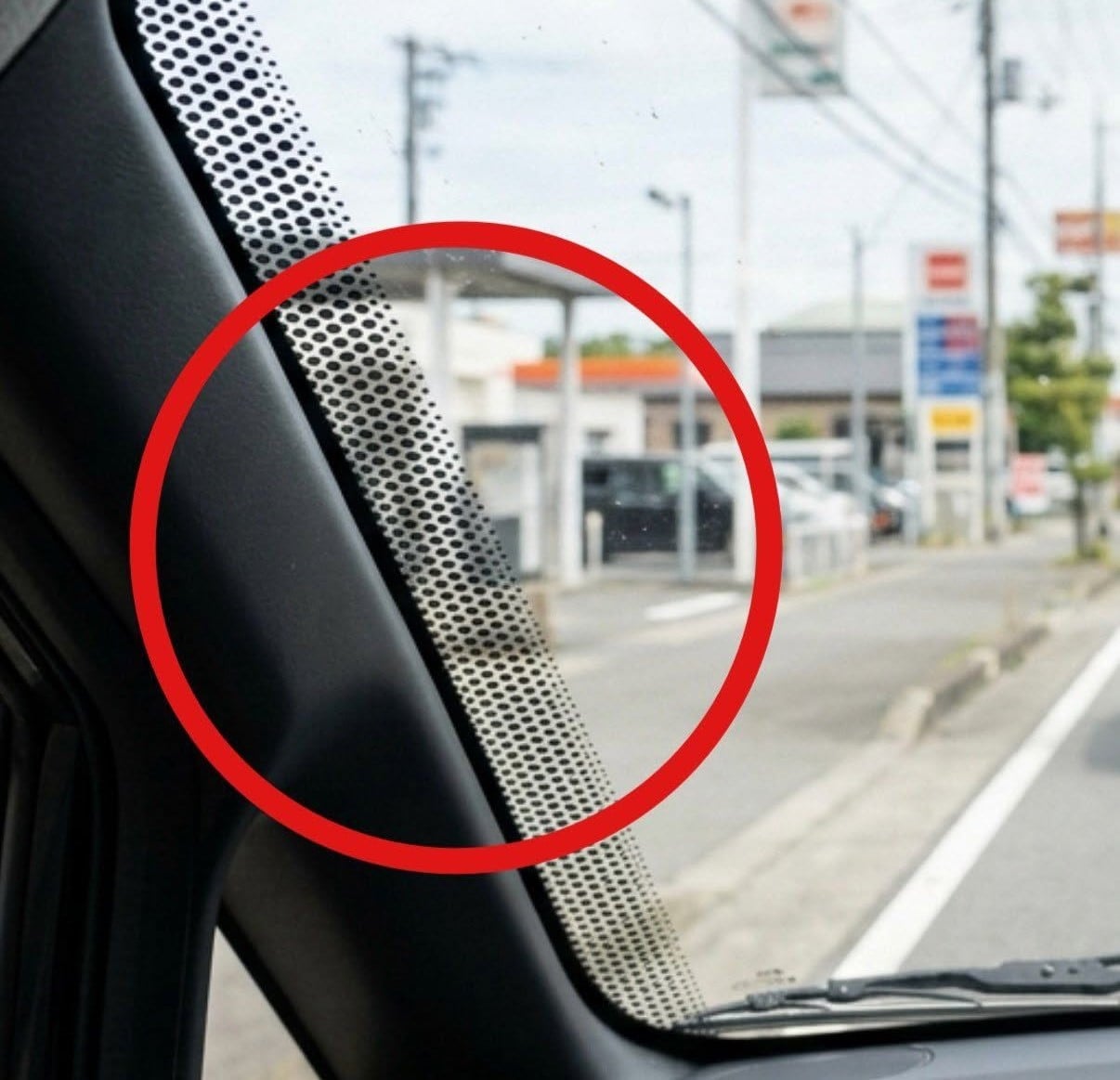
This part of the windshield is actually known as the frit, which includes the tiny dots and the black border around your windshield. And, they do serve several purposes.
On most modern cars, the windshield is bonded directly to the vehicle's body using a strong polyurethane adhesive
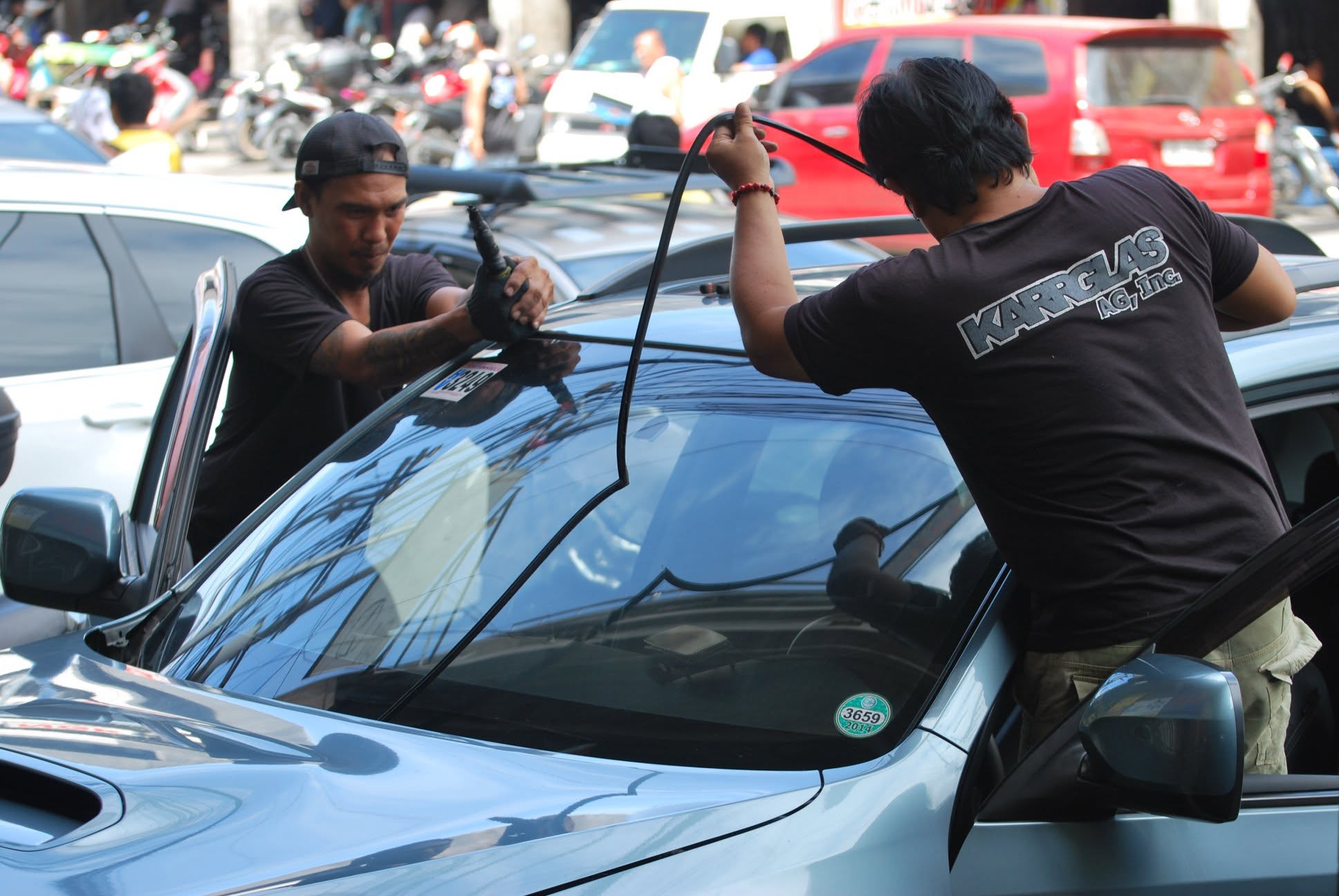
This creates a seal against water and air, while also helping the windshield remain securely attached to the vehicle.
However, prolonged exposure to ultraviolet (UV) radiation from sunlight can degrade certain adhesives over time.
That's where the frit comes in. Applied to the glass during manufacturing and permanently fused to its surface, this coating shields the adhesive from direct UV exposure.
The frit also provides a suitable bonding surface for the adhesive and conceals the adhesive bead around the edges, giving the windshield a neater finish.
If the solid black border protects the adhesive, what exactly do the tiny dots do?
When your car is parked under direct sunlight, the black ceramic border around the windshield absorbs more heat than the surrounding clear glass. This creates a difference in how quickly the two areas warm up.
The black dots can help manage the temperature difference between the black ceramic border and the clear glass by creating a gradual transition between the two, making the temperature change more manageable.
They also serve an important purpose during manufacturing. As the glass is heated and shaped, these components help reduce the risk of optical distortion, sometimes known as the lensing effect, where the glass can become slightly warped.
Some cars also have a much larger black dotted area near the top-centre portion of the windshield, usually behind the rear-view mirror
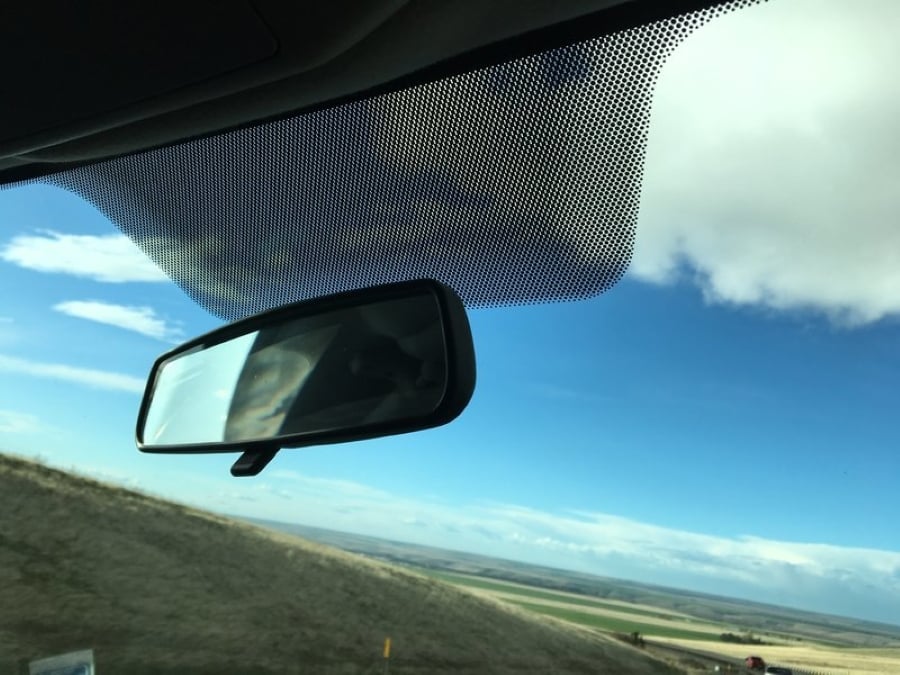
This area is commonly associated with what's known as a third visor frit. Depending on the vehicle's design, it helps shade the gap between the driver's and front passenger's sun visors, reducing direct sunlight entering through that uncovered area.
This also helps cut direct glare to your dashcam, which is often mounted near the rear-view mirror in the extended frit zone.
If you notice any unusual marks, peeling material, or damage around the edges of your windshield, have a qualified technician inspect it to make sure there's no issues with your windshield
While tiny imperfections around your windshield might seem harmless, existing chips, cracks, or damaged edges shouldn't be ignored.
Changes in temperature, vibrations from driving, and everyday road conditions can cause small cracks to spread over time.
A damaged windshield can also affect your visibility, particularly if cracks or scratches interfere with your line of sight.
This becomes especially concerning when driving in heavy rain or at night, when glare from headlights and streetlights can make it harder to see the road clearly.
