
Did You Know: Nasi Kandar Started Off Being Sold On A Pole
It's messy, saucy, and somehow… it always hits.


 Cover image via
 Follow us on Instagram, TikTok, and WhatsApp for the latest stories and breaking news.
Nasi kandar is one of those meals Malaysians will defend with their whole chest, whether it's about the best spot or the "correct" way to flood your rice
But before all the banjir and viral spots, it actually started somewhere pretty simple.
Let's talk about it.
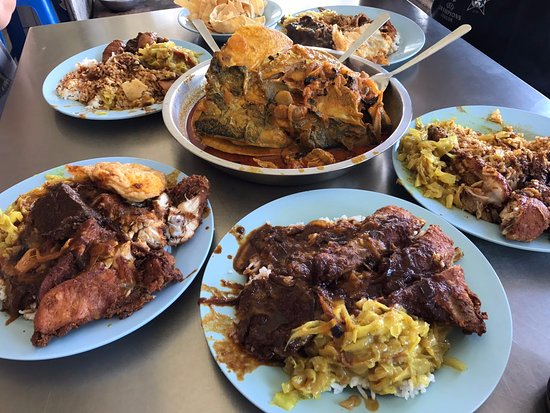
Nasi kandar traces its roots back to Penang, thanks to Indian Muslim (mamak) communities in the late 19th and early 20th centuries
Back then, Penang was already buzzing as a trading port. People came, people stayed, people got hungry.
So naturally, Indian Muslim traders and labourers did what any smart, business-minded person would do…
They started selling food.
Simple, hearty meals. Rice, curries, enough flavour to keep you going through a long workday.
And just like that, nasi kandar was born.
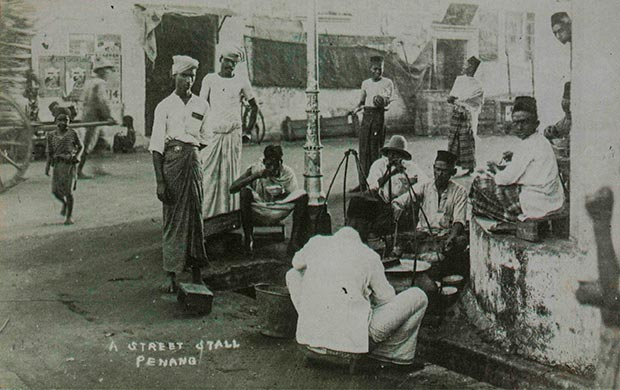
Fun fact: kandar isn't just a catchy name. It refers to how the food was carried.
The word comes from the Hindi word kandha, which literally means 'shoulder'.
Vendors used a pole balanced across their shoulders, with baskets hanging on both sides: one filled with rice, the other with curries, meats, and vegetables.
They'd go from place to place, feeding dock workers, labourers, basically anyone who needed a quick, filling meal.
So yes, nasi kandar was technically… Malaysia's OG food delivery system.
No app. No tracking. Just strong shoulders.
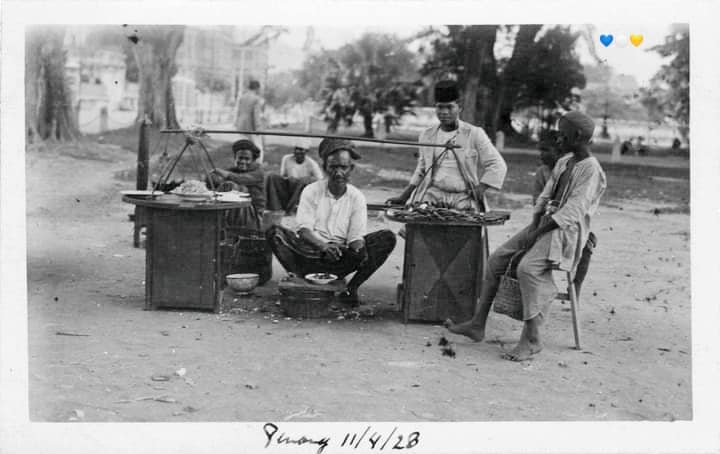
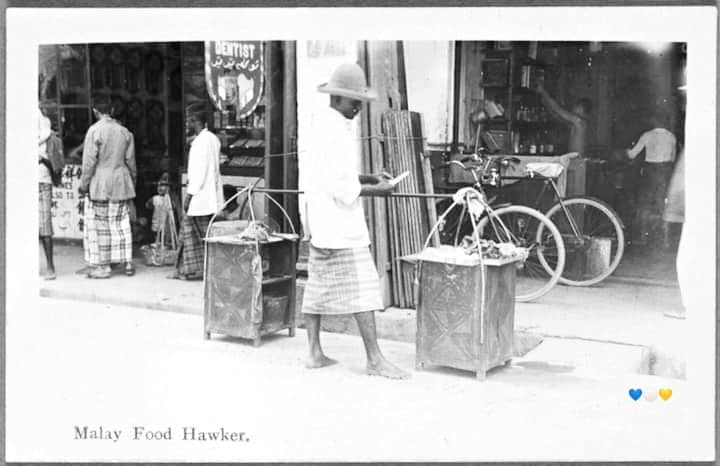
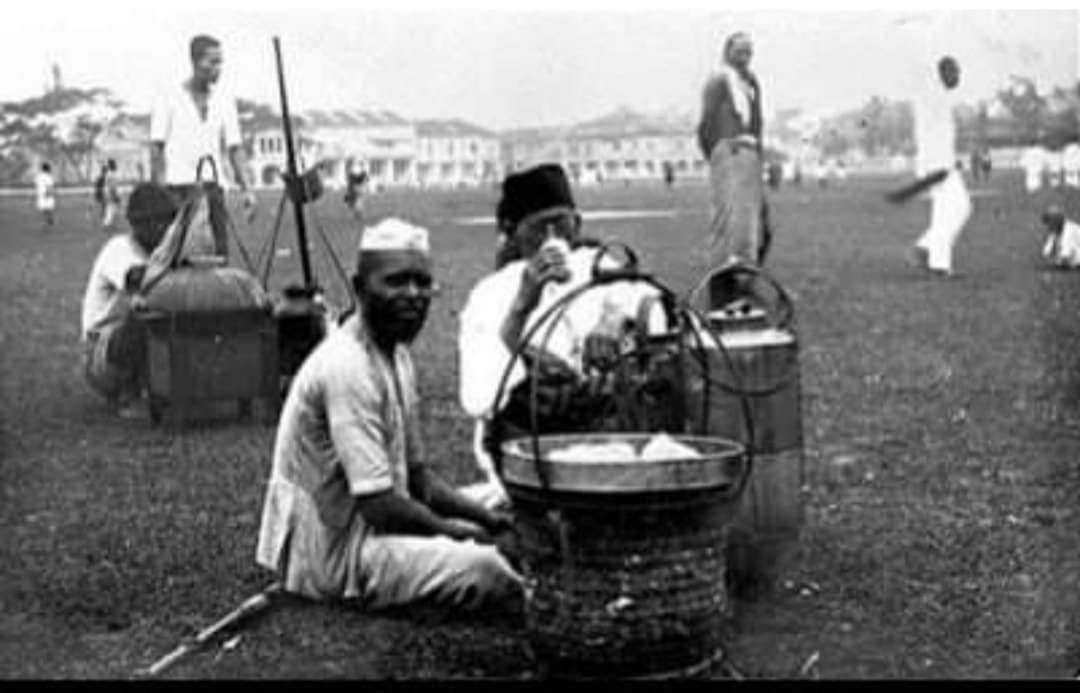
In the beginning, nasi kandar was pretty simple. Rice. A few curry dishes. Done.
But once stalls became permanent eateries… things escalated. Quickly.
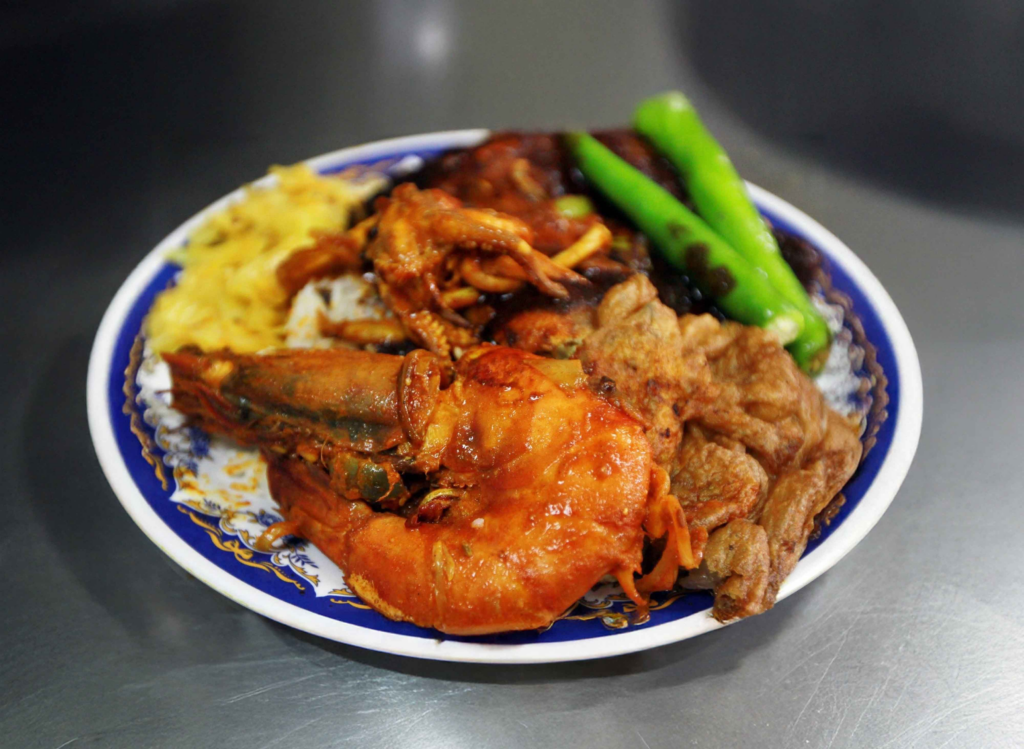
Now?
You're looking at a full-on spread from greasy, fried chicken and beef rendang to squid curry, fish roe, okra, and other vegetables, and of course, multiple gravies.
Even though Penang is still the nasi kandar capital, the dish didn't stay there for long.
As mamak eateries grew across Malaysia, nasi kandar basically followed. Soon, it became the default answer to: "Eh, where to eat ah?"
Legendary spots like Line Clear Nasi Kandar and Nasi Kandar Pelita helped push it into mainstream territory, turning it into more than just a meal; it became a ritual.
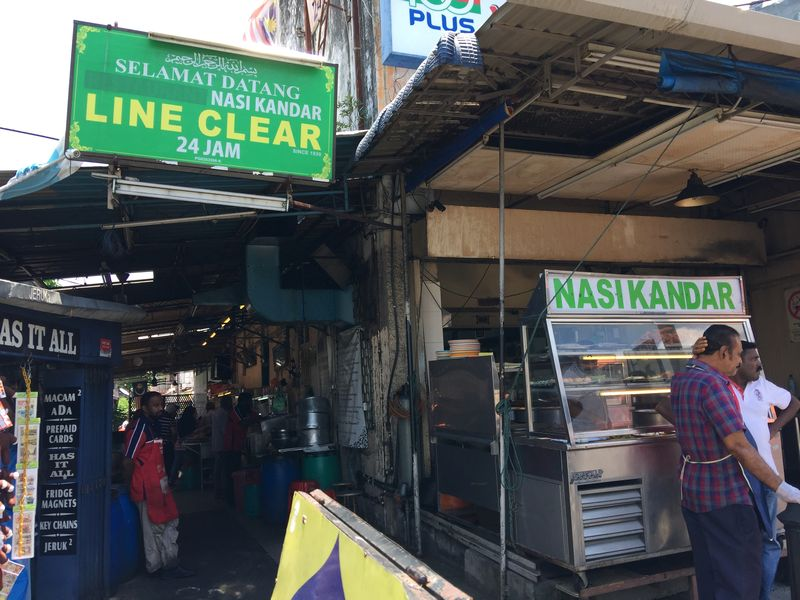
Part of the joy of having nasi kandar is the customisation
You can go simple. You can go full on drenched in gravies. You can pretend you're budgeting… and then accidentally add sotong and regret nothing (or everything, depending on your bank account).
