
Where Does Sugar Actually Come From? Here’s Where It All Starts
It all starts from plants!


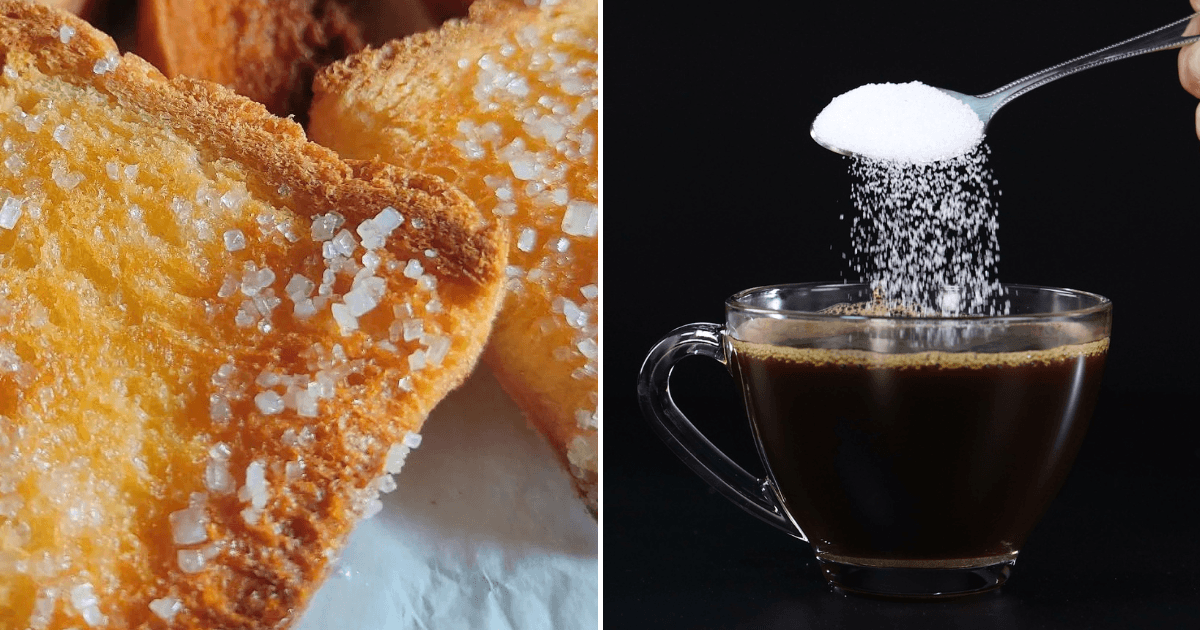 Cover image via
 Follow us on Instagram, TikTok, and WhatsApp for the latest stories and breaking news.
Most of the world's sugar actually comes from two crops: Sugarcane and sugar beet
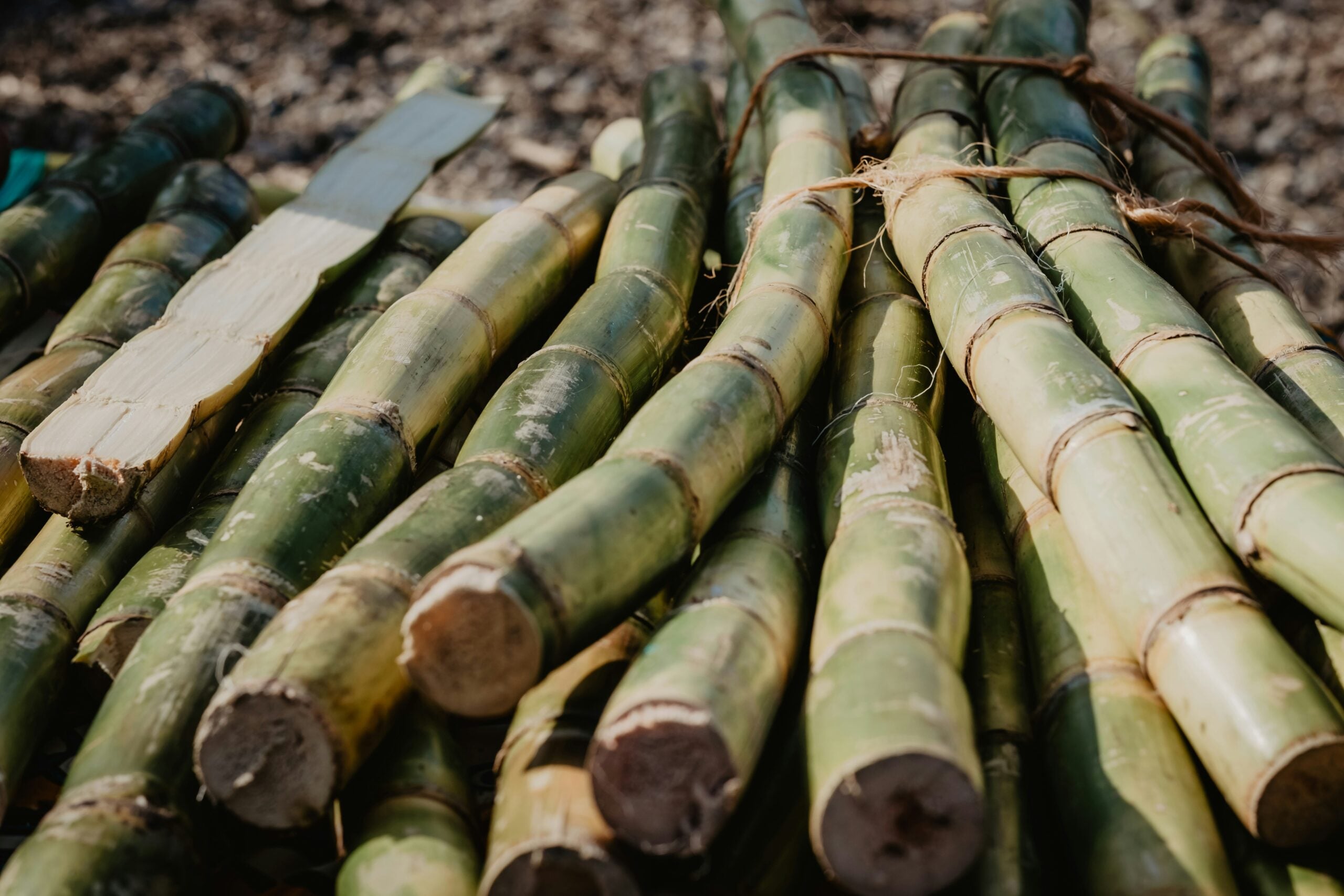
Sugarcane.
Image via Victoria Priessnitz/Unsplash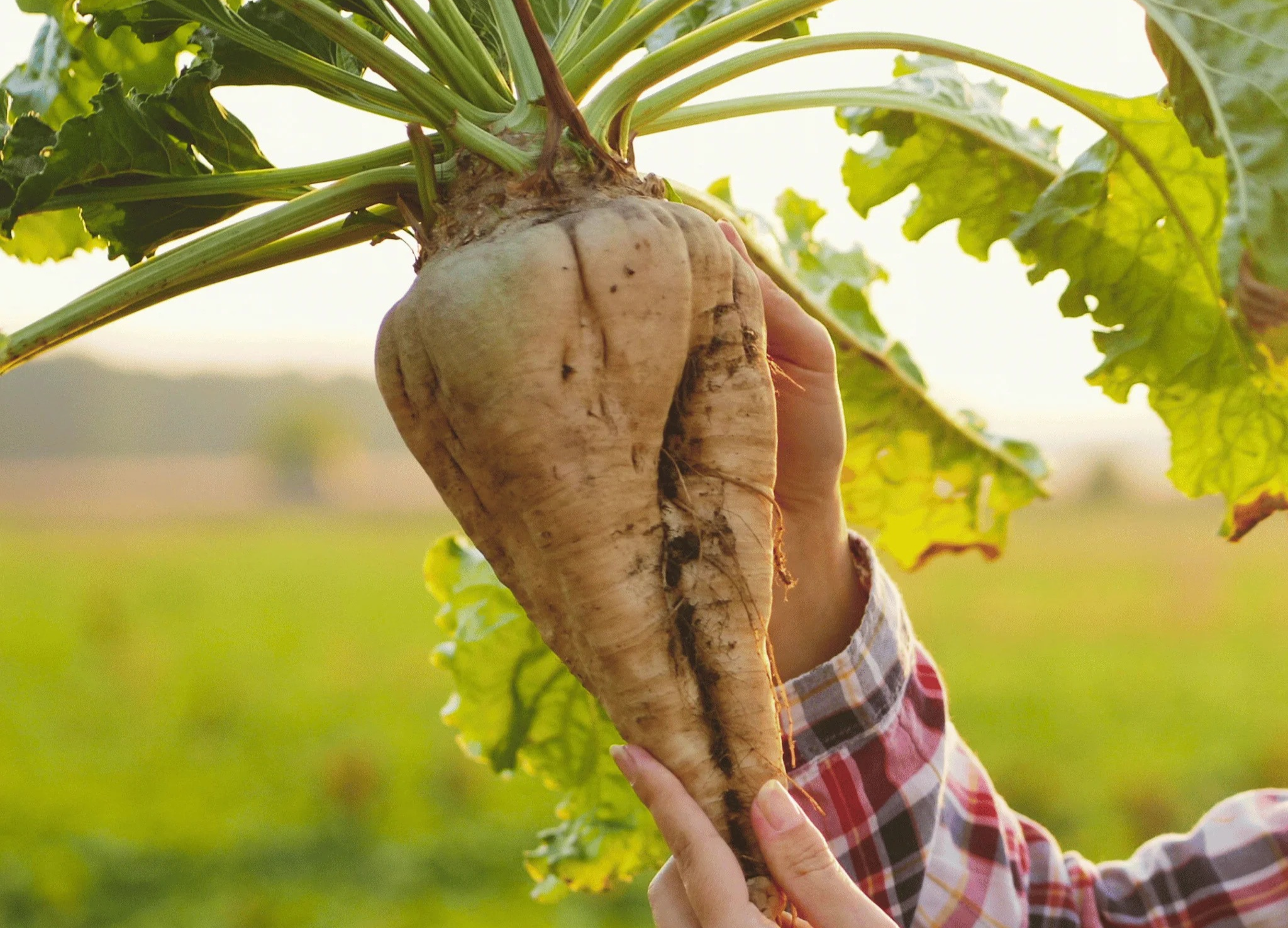
Sugar beet.
Image via Seed TherapySugarcane is a tall tropical grass that stores sucrose mainly in its stalk, while sugar beet stores sucrose in its underground root.
Despite coming from very different plants, both can produce the same sugar called sucrose. The sugar crystal itself doesn't remain chemically different depending on whether it came from a sugarcane or sugar beet.
Once purified, sucrose is sucrose.
But, how is sugar actually made into the clear crystals that we're so familiar with?
It all starts with plants and their process of making food, also known as photosynthesis
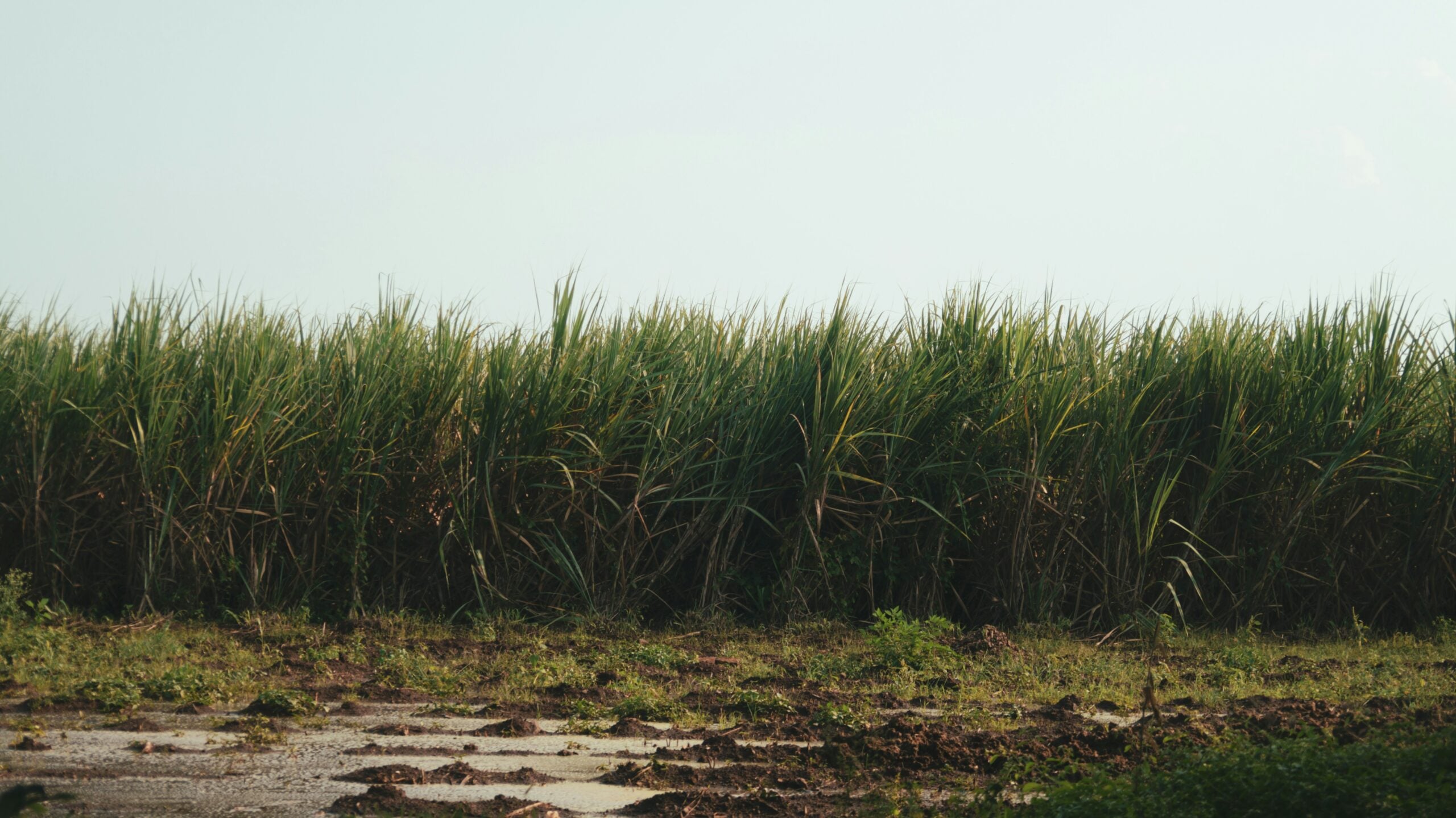
Sugarcane and sugar beet, like other green plants, use sunlight, water, and carbon dioxide to produce energy-rich compounds. Some of the resulting sugars are then converted into sucrose, which the plant transports and stores.
This is why two crops that look completely different can eventually produce the same ingredient. The plant is essentially acting as nature's sugar factory.
For sugarcane, the first major step happens after the stalks are harvested
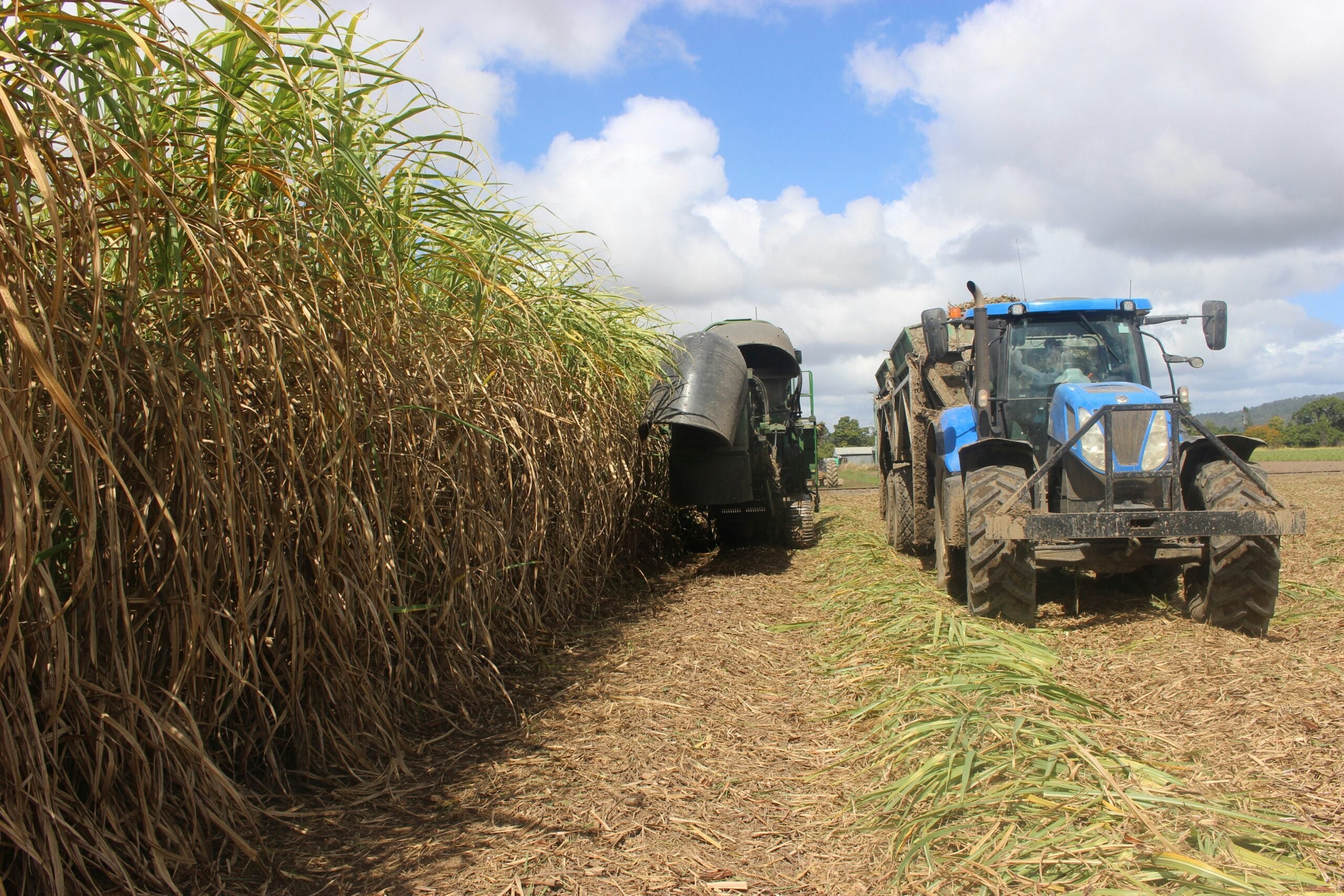
The cane is washed, chopped, or shredded, then passed through heavy rollers that squeeze out its juice. What remains is a fibrous material called bagasse.
The extracted juice contains sucrose, but it also contains water and various substances from the plant. That's why it can't simply be poured into a bottle and labelled "sugar".
The juice needs to be clarified to remove unwanted material before being concentrated. During this process, water is evaporated until the liquid becomes a much thicker syrup.
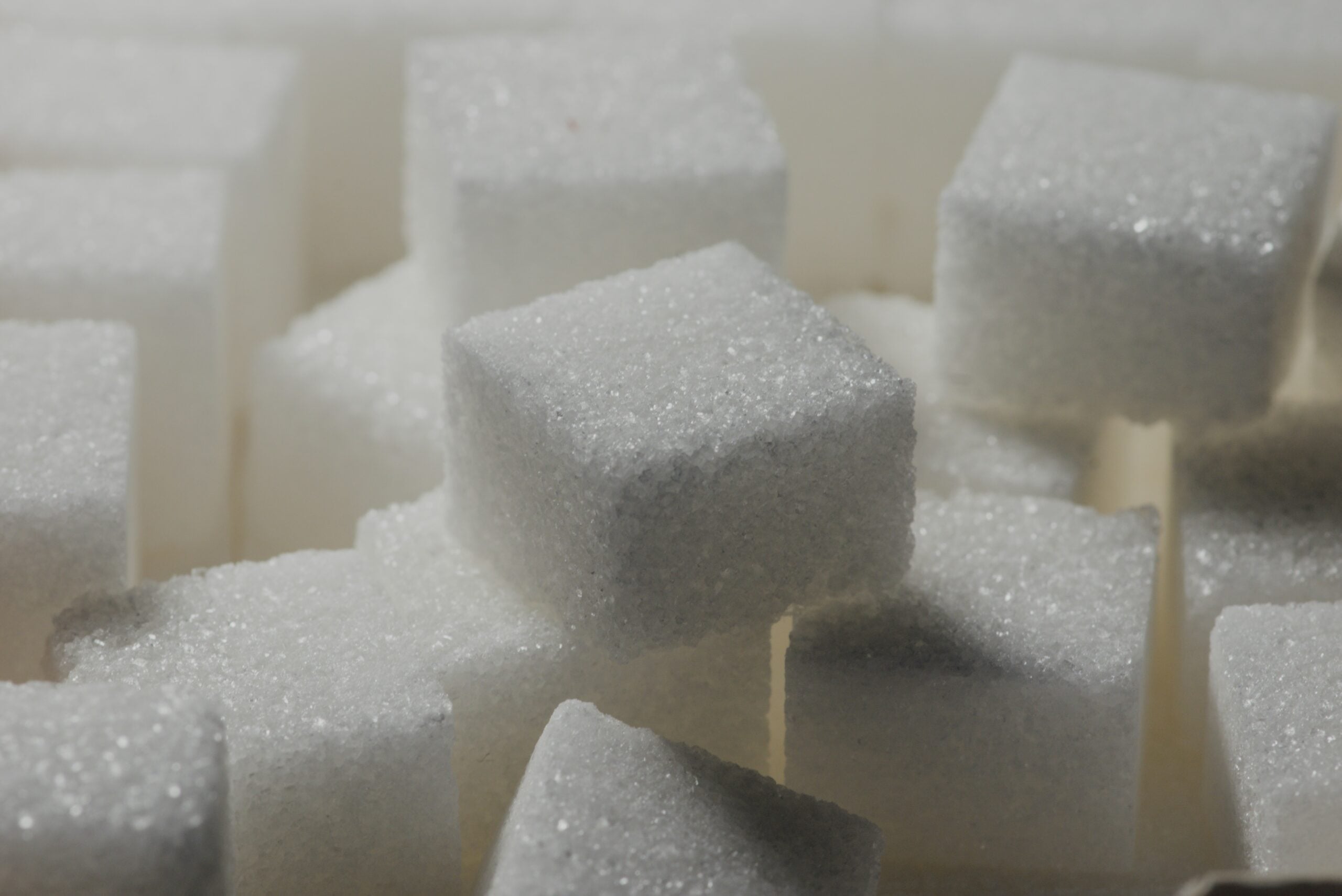
Then comes the process that turns dissolved sugar into solid crystals called crystallisation.
As water is removed and the syrup becomes more concentrated, sucrose molecules will start to arrange themselves into crystals before becoming sugar that can be found in your kitchen.
Sugar beet is processed differently because the sucrose is stored inside its root rather than a juicy stalk
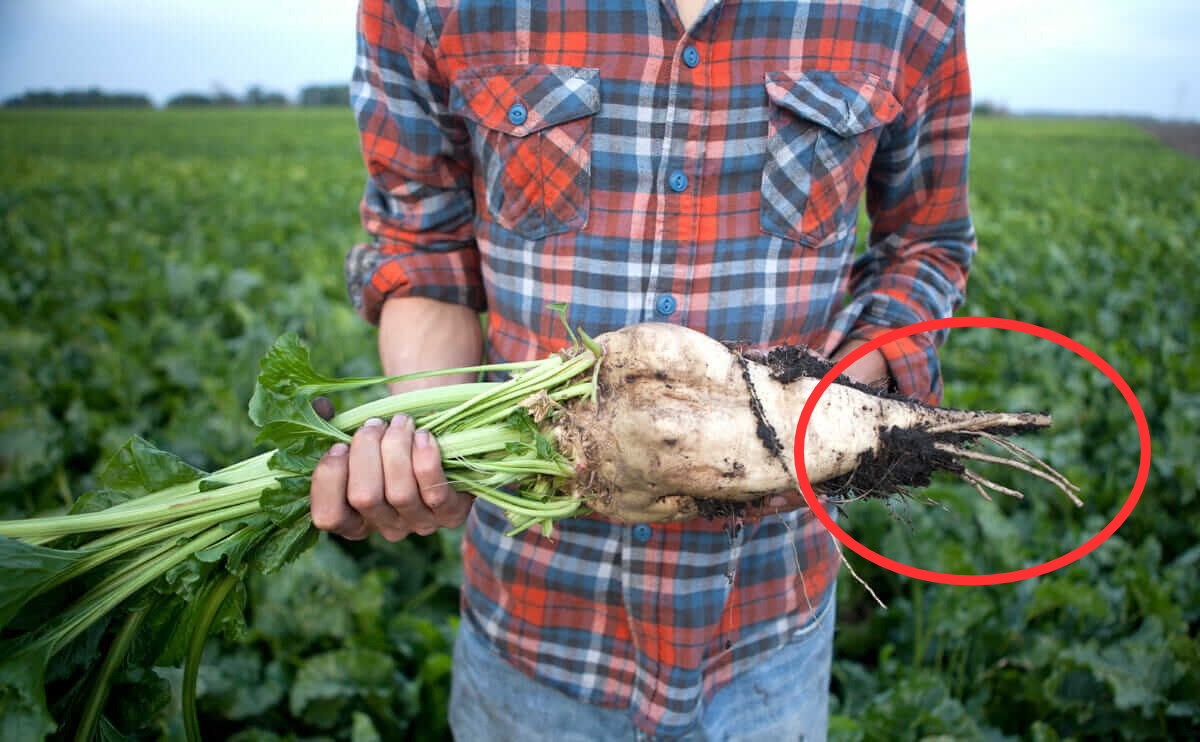
The beets are washed and sliced into thin strips. These strips are then exposed to hot water, which draws the sucrose out of the plant material and produces a sugar-rich juice.
The juice is then cleaned and concentrated before the sucrose is crystallised.
From there, the crystals are separated from the remaining liquid using a centrifuge, dried and prepared for packaging.
And if you've ever wondered why raw sugar looks brownish while refined sugar is white, the answer is probably molasses
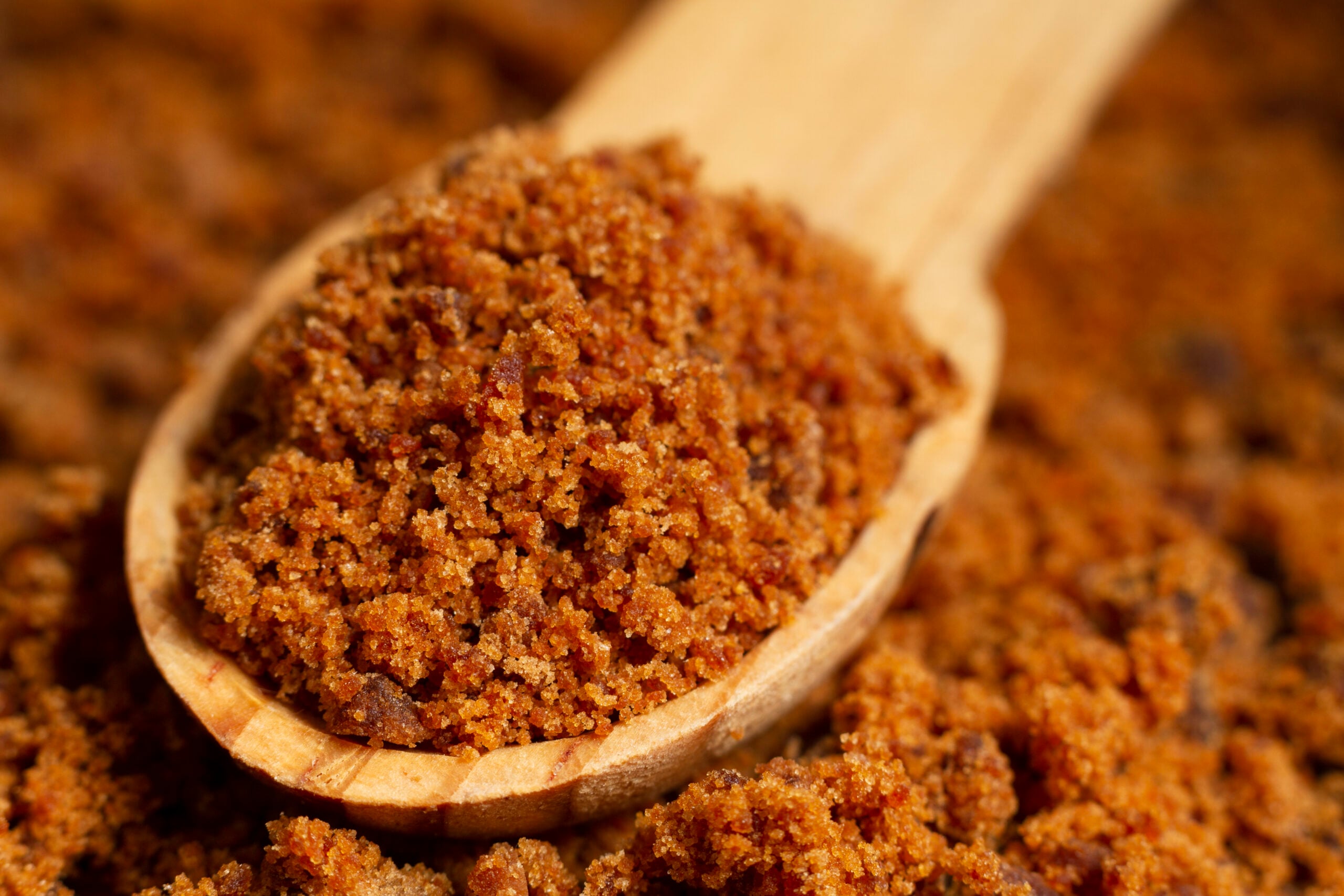
When sugar crystals first form, they are mixed with a thick liquid containing water, remaining sugar, and other compounds. This includes naturally occurring molasses, which gives raw sugar its darker colour.
The crystals can be spun in centrifuges to separate them from the liquid. For cane sugar, the raw sugar may then be sent to a separate refinery, where it is melted, filtered, crystallised again, and dried.
This is why "refined" sugar doesn't mean sugar has been chemically transformed into an entirely different substance.
The main purpose of refining is to separate the sucrose from the other material that came along with it.
Molasses itself isn't simply thrown away. It can be used in food, fermentation, animal feed, and other applications. Cane fibre, or bagasse, can also be used as fuel at sugar mills and for generating energy.
You might have also heard that white sugar is "bleached", but that's a misleading way to describe what happens
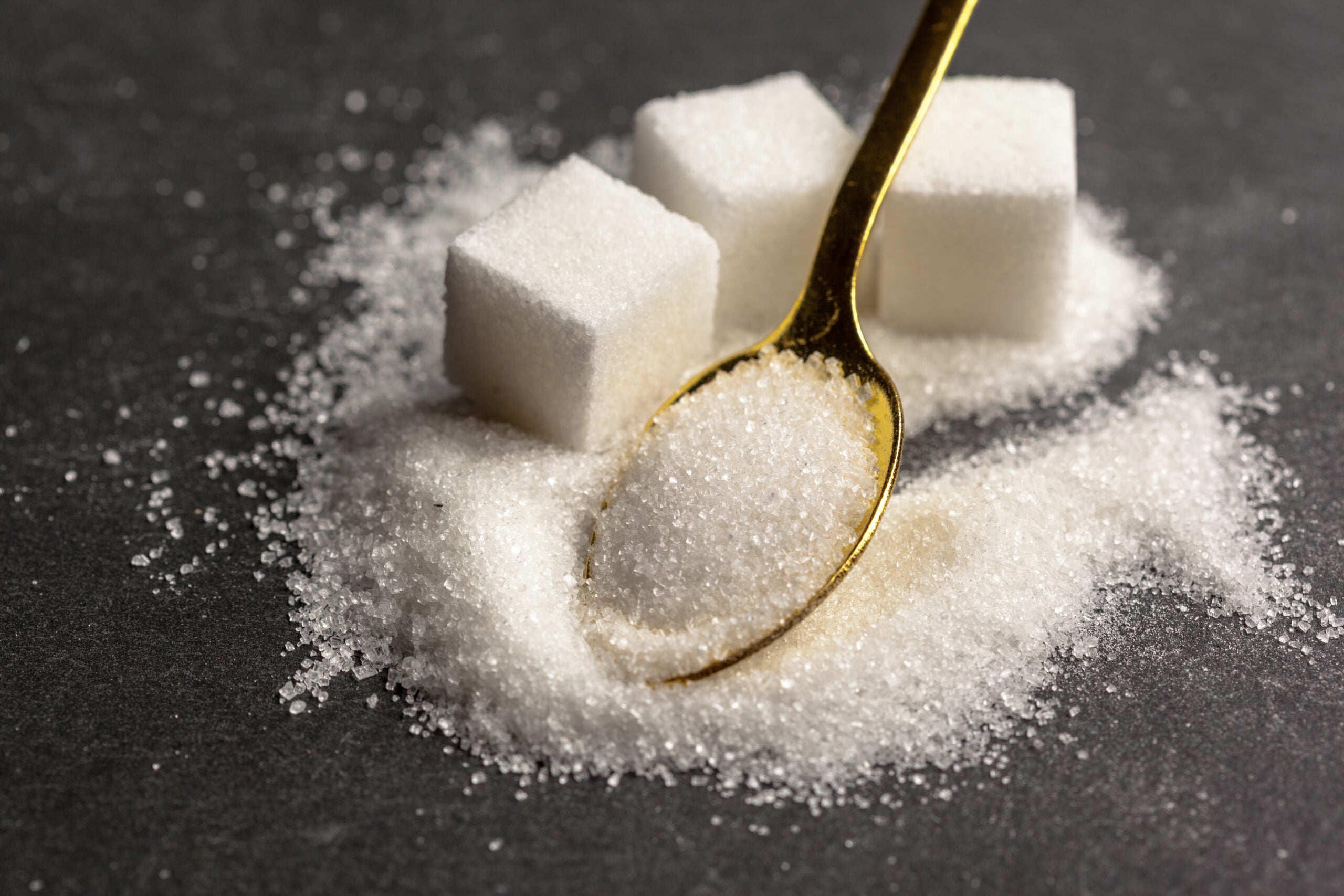
Sugar crystals are naturally colourless or white when they are highly purified. Freshly extracted sugar isn't necessarily white because the crystals are associated with molasses and other non-sugar substances.
During refining, those materials are removed through washing, filtering, and separation processes. The result is the clean, white sucrose crystals that we're all familiar with.
