


 Cover image via
 Follow us on Instagram, TikTok, and WhatsApp for the latest stories and breaking news.
Have you ever bought a brand-new towel, only to realise that it doesn't seem very good at drying?
If you have, then you're not alone.
But, that doesn't necessarily mean that you've bought a poor-quality towel. The truth is, new cotton towels are often less absorbent at first, and the reason has more to do with how they're made than with the cotton itself.
Before towels reach store shelves, manufacturers often apply finishing treatments during production
These can improve how the fabric feels, looks, or handles during the manufacturing and packaging process.
Depending on the manufacturer, these treatments may include softening agents, lubricants, or other textile finishes. The type and amount vary widely between brands, materials, and production methods.
Some of these finishes can temporarily reduce how easily water reaches the cotton fibres, making a brand-new towel feel less absorbent than you'd expect.
Cotton, on its own, is naturally hydrophilic, which means it highly attracts water
This is because cotton fibres are made mostly of cellulose, a plant-based material that bonds easily with water molecules.
A towel's looped construction also plays an important role. Thousands of tiny loops create a large surface area, helping draw moisture away from your skin through capillary action, where water moves into the spaces between fibres.
Together, the cellulose fibres and looped structure make cotton towels highly absorbent once they're able to interact freely with water.
This is exactly why many manufacturers recommend washing new towels before you use them for the first time
The first wash can help remove some of the finishing residues used during manufacturing, along with excess dye and loose cotton fibres left behind during production.
Once these residues are reduced, the cotton fibres are generally able to absorb water more effectively.
Although some towels feel noticeably better after a single wash, others may even continue improving after several washes.
All of this depends on factors such as the type of fabric, manufacturing process, and how the towel is washed.
Another thing to note is that regular use of fabric softeners to clean towels will actually reduce their absorbency
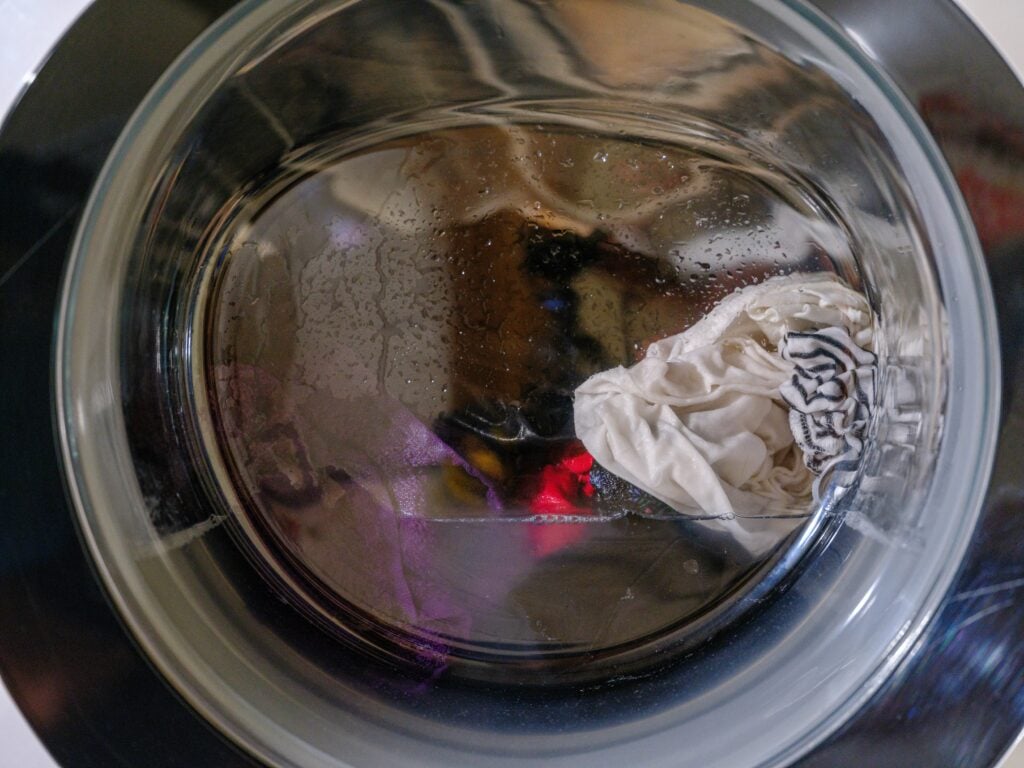
Fabric softeners work by leaving a thin coating on fibres to reduce friction and create a smoother feel. Over time, that coating can make it harder for water to penetrate the cotton.
Softener isn't the only source of residue, either. Detergent that isn't rinsed out completely and other laundry product build-up can also affect how well towels absorb moisture.
If your towels start feeling less effective, washing them occasionally without fabric softener and ensuring they're thoroughly rinsed may help restore some of their absorbency.
Once your towels reach their optimal level of absorbency, a few simple laundry habits can help maintain their performance
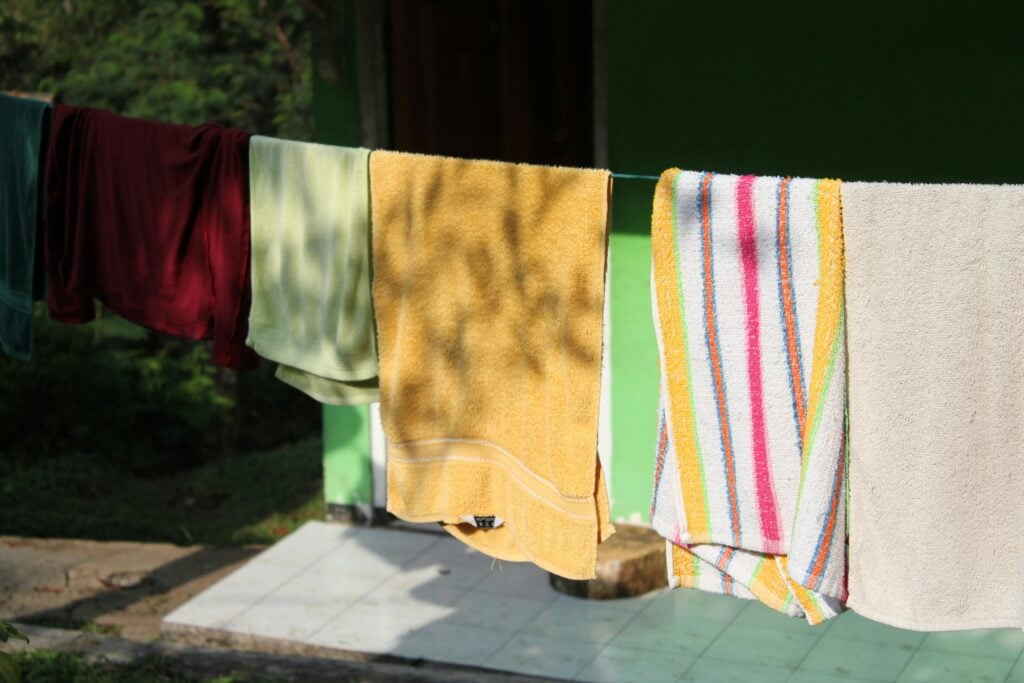
These include:
- Washing towels according to the care label
- Avoiding excessive fabric softener
- Using the correct amount of detergent
- Rinsing the towels thoroughly
- Drying them completely between uses
These steps help minimise residue build-up and keep the cotton fibres working as intended.
