
Why Can’t Everyone Do The Asian Squat, And Can You Train Yourself To Do It?
Practice may (or may not) help.


 Cover image via
 Follow us on Instagram, TikTok, and WhatsApp for the latest stories and breaking news.
If you can't Asian squat, you'll know how stressful using a squat toilet can be
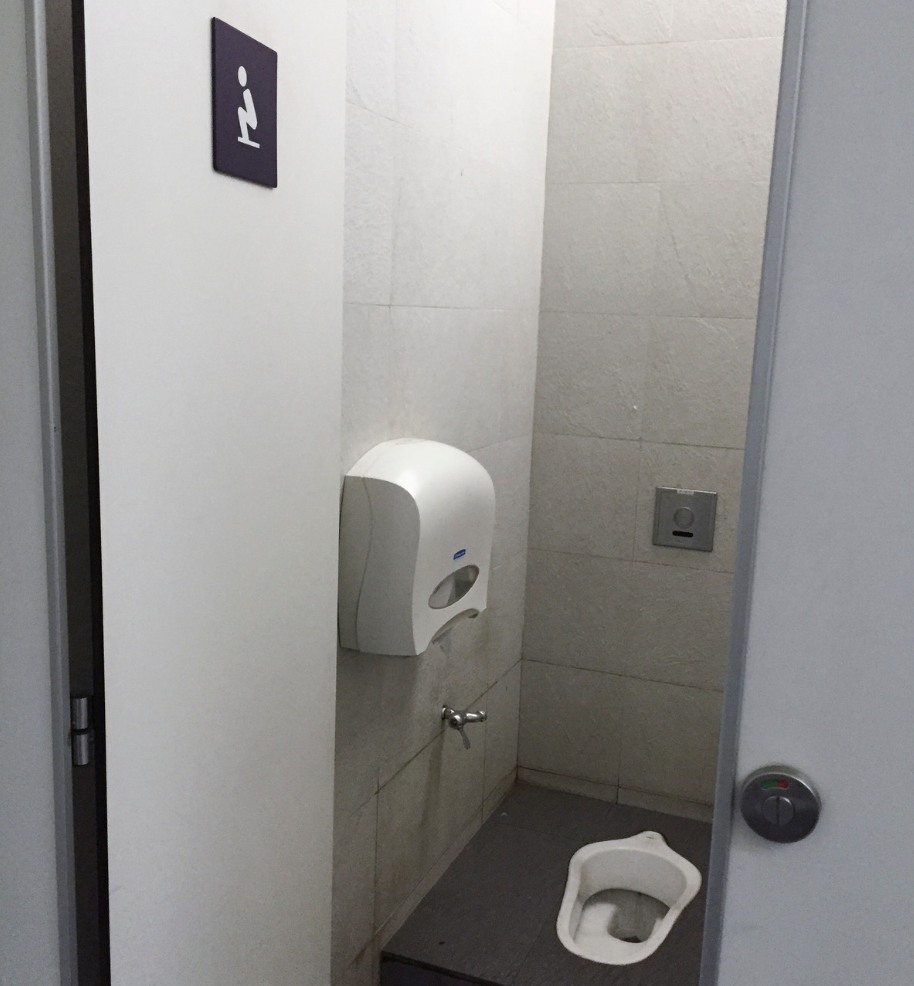
You're tiptoe-ing and your heels are lifting, you're trying to balance, and somehow you're supposed to relax enough to poop.
But have you ever wondered why other people can Asian squat easily, while you can't no matter how hard you try?
First, what is an Asian squat?

It's also called a deep squat. Basically, it's a kind of squat where your hips drop close to your heels, while your feet remain flat on the ground.
The position is common across many parts of Asia, where squatting has traditionally been used while resting, working close to the ground, or using squat toilets.
A deep squat requires your ankles, knees, and hips to move through quite a large range of motion
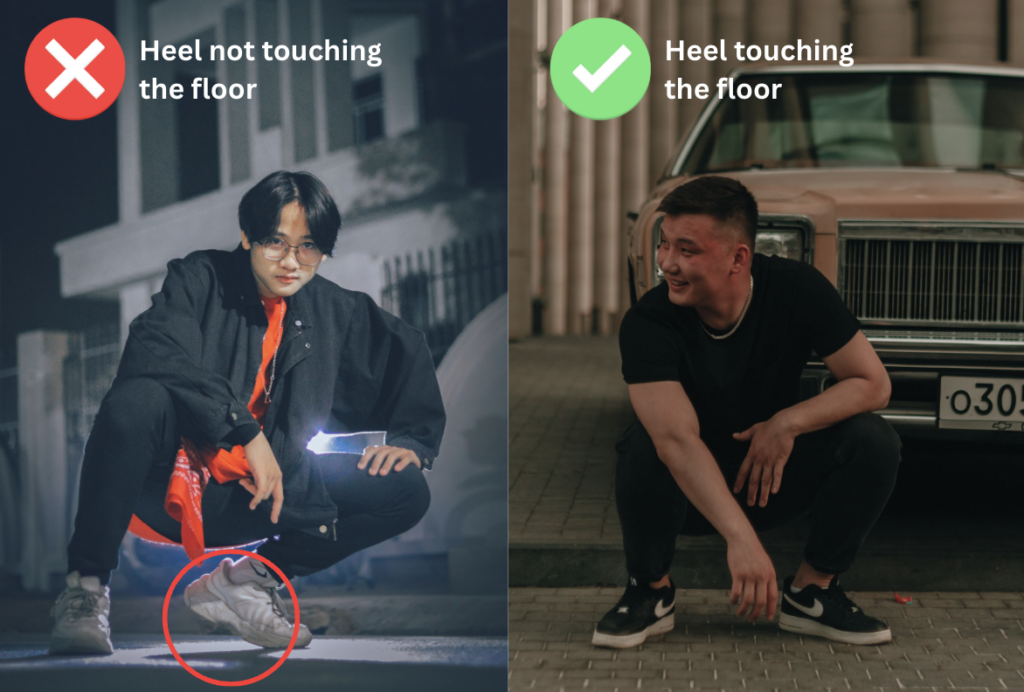
One particularly important movement is ankle dorsiflexion, which basically means allowing your shin to move forward over your foot while your heel stays down.
Someone with limited ankle movement may find their heels lifting or feel themselves falling backwards as they try to go lower.
This doesn't necessarily mean you're generally "inflexible". You may simply lack enough movement in the specific joints the position requires.
There is no good evidence showing that using squat toilets growing up gives you a special ability to Asian squat
Despite the name, being Asian doesn't automatically mean you can do it.
In fact, one study involving Japanese women found that about one in five participants couldn't fully assume the squatting position needed over a Japanese-style toilet.
That being said, can you train yourself to Asian squat?

Being able to Asian squat has more to do with mobility rather than your genes.
A simple place to start is to hold onto something sturdy and slowly lower yourself into a comfortable squat. Don't worry about reaching the floor immediately. Keep your heels down and gradually spend more time in the position as it becomes easier.
You can also temporarily place a small wedge or plate under your heels. Raising the heels changes the amount of ankle movement required and can make it easier to reach a deeper squat. From there, you can work on ankle and hip mobility while gradually reducing the support.
If you still can't do it, don't force yourself

Some people may have structural or physical limitations that make a heels-down deep squat much harder or less comfortable. Body proportions, joint anatomy, previous injuries, age, and soft-tissue restrictions can all affect how someone squats.
