
68,177 Malaysians Have Lost Their Jobs So Far This Year
Job losses are now nearly 30% higher than the same period last year, as the government warns that global supply risks and cost pressures are likely to persist.


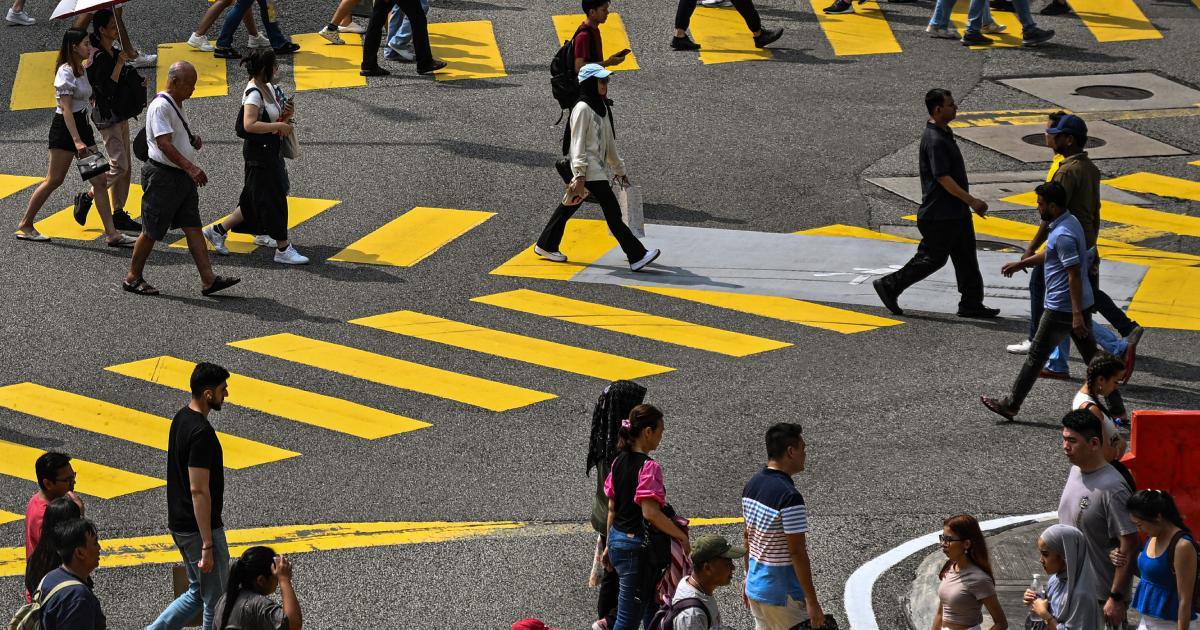 Cover image via Mohd Rasfan/AFP
Follow us on Instagram, TikTok, and WhatsApp for the latest stories and breaking news.
Malaysia's job losses have continued to climb, with 68,177 workers losing their jobs between January and 16 September 2026
Economy Minister Akmal Nasrullah Mohd Nasir said the figure was 15,196 higher than the same period last year, putting job losses nearly 30% above 2025 levels.
Akmal revealed the figures after the National Economic Action Council (MTEN) meeting on 18 September.
The latest figure comes just two months after the Social Security Organisation's (PERKESO) data showed that 52,607 workers had filed for Unemployment Benefits by 16 July.
That means another 15,570 job losses were officially recorded between 17 July and 16 September.
However, the figure does not necessarily capture the full scale of job losses in Malaysia, as it reflects only eligible workers covered by PERKESO's Employment Insurance System (EIS).
The government says the pressure is no longer just temporary
Akmal said the government was no longer treating the situation as a short-term economic shock.
"The global supply crisis has now moved from a phase of managing a temporary shock to one of managing economic risks that are expected to persist," he said.
He said Malaysia's broader labour market remained stable, with the official unemployment rate holding at 3% in July. At the time, Malaysia's labour force was 17.37 million people, including 16.85 million employed workers.
The labour force participation rate stood at 70.9%, while 520,300 people were unemployed.
However, Akmal said the government remained concerned about pressure in certain sectors.
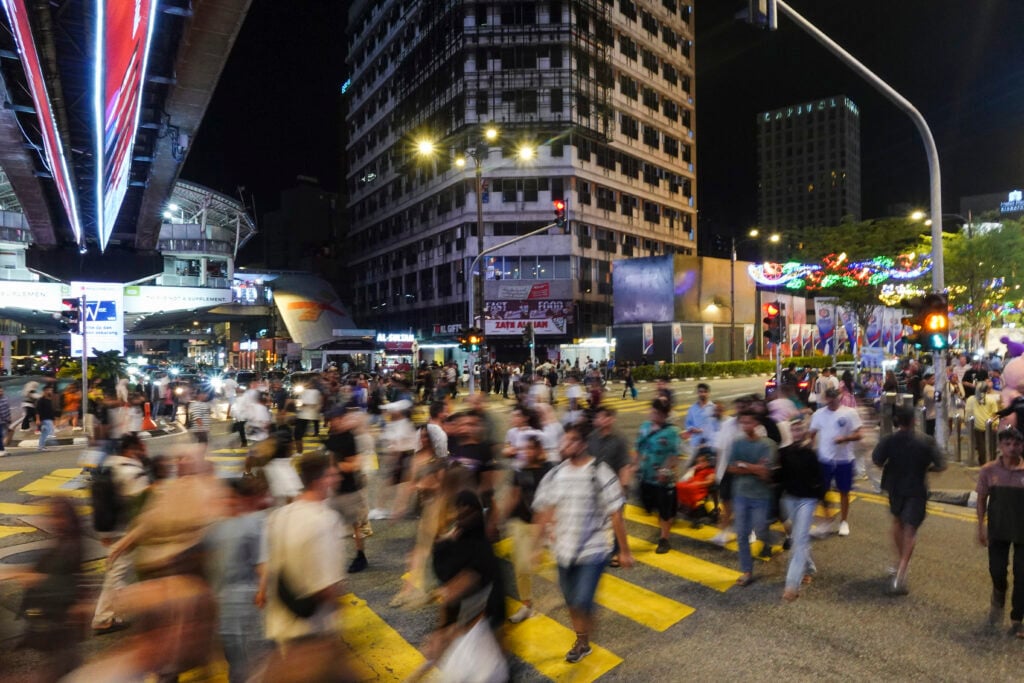
Manufacturing and retail are among the hardest-hit sectors
The latest job losses come as some Malaysian industries face greater exposure to global supply disruptions and rising operating costs.
Bank Negara Malaysia's assessment presented to MTEN found that sectors relying heavily on inputs from the Gulf region were more exposed to supply disruptions and cost shocks. The inputs being monitored include petroleum, fuel, plastics, naphtha, chemicals, and fertilisers.
Akmal said most companies were still able to obtain the raw materials they needed, including by finding alternative sources. But the disruption was coming at a cost, with firms facing higher operating expenses and greater working capital requirements.
The pressure is particularly pronounced among small and medium enterprises, which tend to rely more heavily on short-term financing to keep their businesses running.
At the same time, government employment programmes have helped a significant number of affected workers return to work
PERKESO placed 143,653 workers into jobs between January and 11 September through its EIS and MYFutureJobs portal.
Akmal said the figure showed that government intervention was not limited to temporary financial support, but also helped workers return to employment.
However, the number of workers placed in new jobs cannot be directly treated as a one-for-one offset against the 68,177 job losses, as the figures cover different measures and periods.
Energy costs are adding another layer of pressure
Malaysia's labour market is also facing a more difficult external environment as energy prices rise.
Akmal said energy prices had climbed again following fresh tensions in West Asia, including Houthi activity near the Bab el-Mandeb Strait and disruptions to Saudi Arabian energy infrastructure.
Liquefied natural gas prices approached USD30 (RM123) per mmBtu in mid-September, compared with an August average of USD21.87 (RM89). Coal prices also reached USD148 (RM604) per tonne on 10 September, up from USD130.67 (RM533) in August.
For Malaysian businesses, higher energy and input costs can feed into operating expenses and working-capital needs, adding pressure on companies already dealing with supply disruptions.

Economy Minister Akmal Nasrullah Mohd Nasir.
Image via BernamaMalaysia is looking for new markets and investment
The government is also looking at longer-term measures to reduce Malaysia's exposure to global supply shocks.
The Malaysian Investment Development Authority (MIDA) presented the outcome of a multi-agency workshop that identified 52 possible intervention measures. One proposal is to position Malaysia as a "World+1" destination, a neutral and stable location for companies looking to diversify their investment and trade networks.
The workshop also proposed exploring air cargo hubs in Penang, Senai, and KLIA Aeropolis for the semiconductor industry. It identified 36 potential trade markets, including 23 new markets.
MTEN has agreed to have the relevant ministries assess the proposals based on their priority and viability.
For now, however, the latest unemployment figures show that the pressure on Malaysian workers has continued to build well into the second half of 2026.
