
Does Rain Automatically “Clear” The Haze? Here’s What Actually Happens After
It could be less effective than we think.


 Cover image via
 Follow us on Instagram, TikTok, and WhatsApp for the latest stories and breaking news.
We've been dealing with AQI readings, PM2.5 particles, and everything haze-related lately
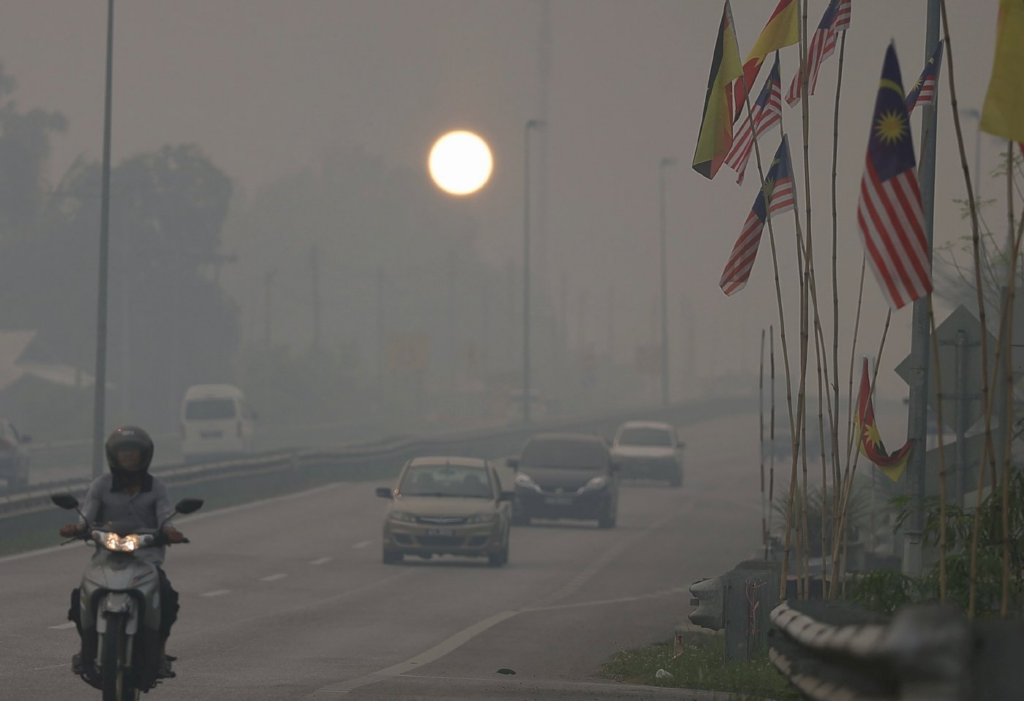
Some may even say we've become "air pollution experts" by now, hehe.
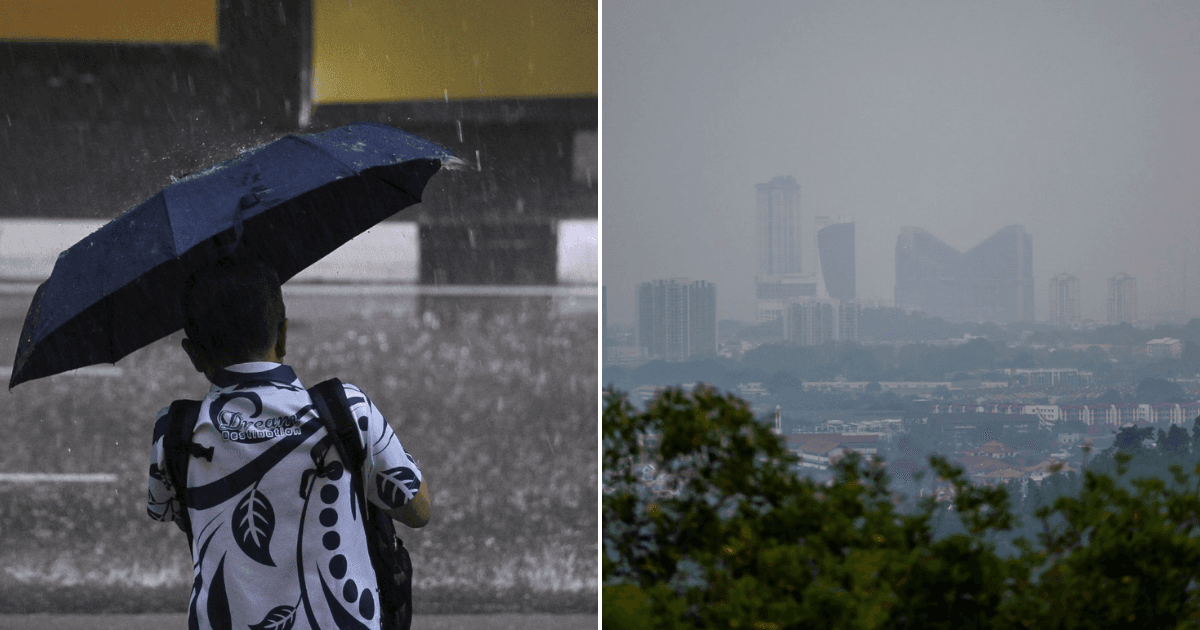
And over the past few days, parts of Malaysia have experienced rain, making the air feel fresher and the skyline look clearer.
But does rain automatically wash the haze out of the sky?
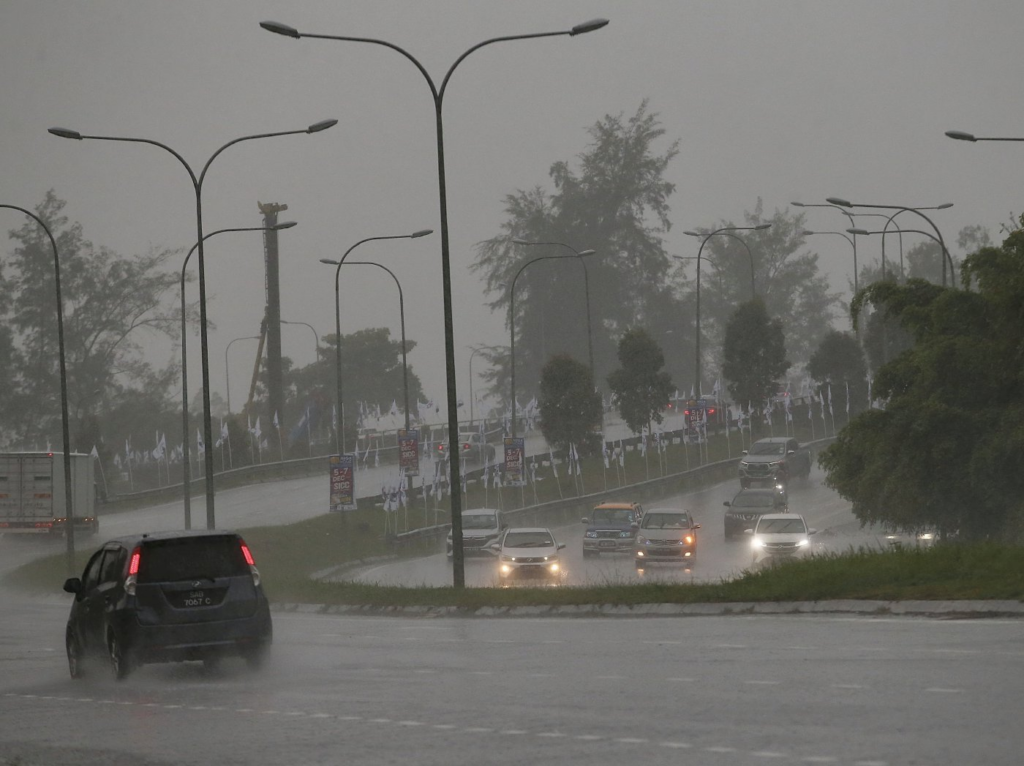
Yes, but not nearly as much as we think. A downpour can remove some pollution from the air, but it does not automatically mean the haze is gone.
A 2012 study in Lanzhou, China, one of the country's most polluted cities at the time, examined how rain affected different sizes of airborne particles.
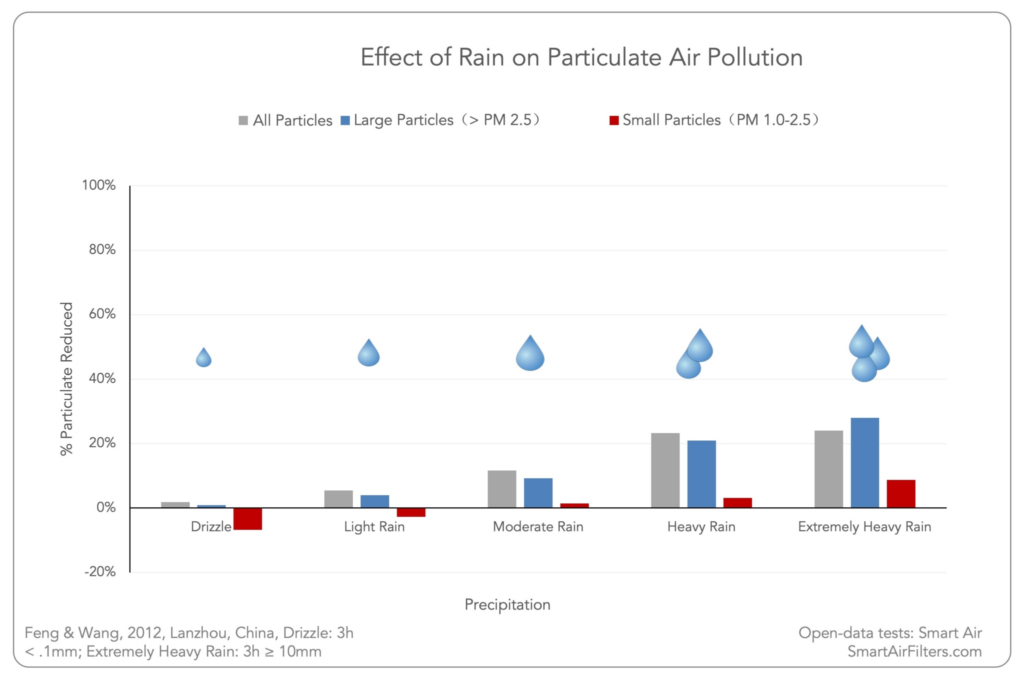
An analysis of the study by air-quality organisation Smart Air found that even during the heaviest rain, particles between 1 and 2.5 micrometres in size fell by only around 8.7%. Larger particles were easier to remove, with reductions reaching closer to 30% during the strongest rain.
This happens through a process called wet scavenging, where raindrops collect some particles in the atmosphere and bring them down to the ground.
On the other hand, winds accompanying such rainstorms were shown to have much larger effects than the rain itself.
The air may look much clearer right after rain, but there are a few things happening at the same time

While it rains, some particles are washed out of the atmosphere.
Right afterwards, the weather system can also bring in a different air mass and push polluted air elsewhere.
A few hours later, however, haze can return if smoke is still being produced and winds continue carrying polluted air towards us.
In short, rain washes some particles out, and changing winds can clear the air further. But neither stops new haze from arriving.
And that could be what happens in Malaysia over the coming weeks
Universiti Malaya meteorologist Prof Datuk Dr Azizan Abu Samah told The Star that Malaysians may have to wait until October for a better chance of clearer skies.
"Just like in 2019, the likelihood of clear skies is in October when the wind is expected to be no longer south or south-westerly," he said.
Azizan explained that Malaysia's skies could become clearer even if fires continued burning in Sumatra and Kalimantan, because changing seasonal winds would alter where the smoke travels.
So yes, an afternoon downpour can give us some relief
But whether the haze stays away depends much more on where the smoke and winds go next.
