
Anthony Loke Explains Why Express Bus Tickets Can Only Be Bought At APAD-Licensed Terminals
The transport minister says APAD's directive is meant to curb online agents collecting commissions without managing terminal operations or handling passenger complaints.


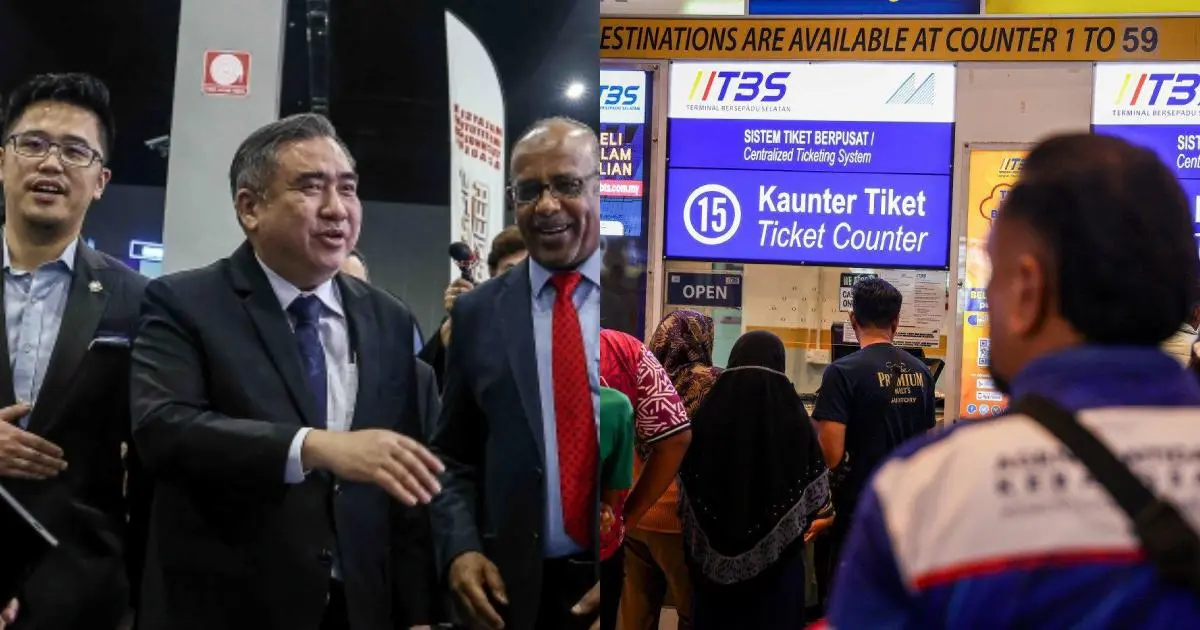 Cover image via Sayuti Zainudin/Malay Mail & Ahmad Ukasyah/New Straits Times
Follow us on Instagram, TikTok, and WhatsApp for the latest stories and breaking news.
Transport Minister Anthony Loke has defended a new rule requiring express bus tickets to be sold through terminals licensed by the Land Public Transport Agency (APAD)
He said the government had ensured that terminal operators could not increase their existing charges under the new arrangement, adding that it hoped terminals would eventually lower their fees to give bus companies better returns.
"There is no loss to the bus companies," Loke was quoted as saying today, 20 October, by the New Straits Times at Transport Expo Asia 2026.
His remarks come after bus operators raised concerns about APAD's directive, which takes effect on 1 November and grants licensed terminals exclusive rights to sell tickets for services operating through them.
Malaysian Bus Operators Association president Datuk Mohamad Ashfar Ali previously said operators were caught off guard by the ruling, particularly those that had invested in their own websites and digital ticketing systems.
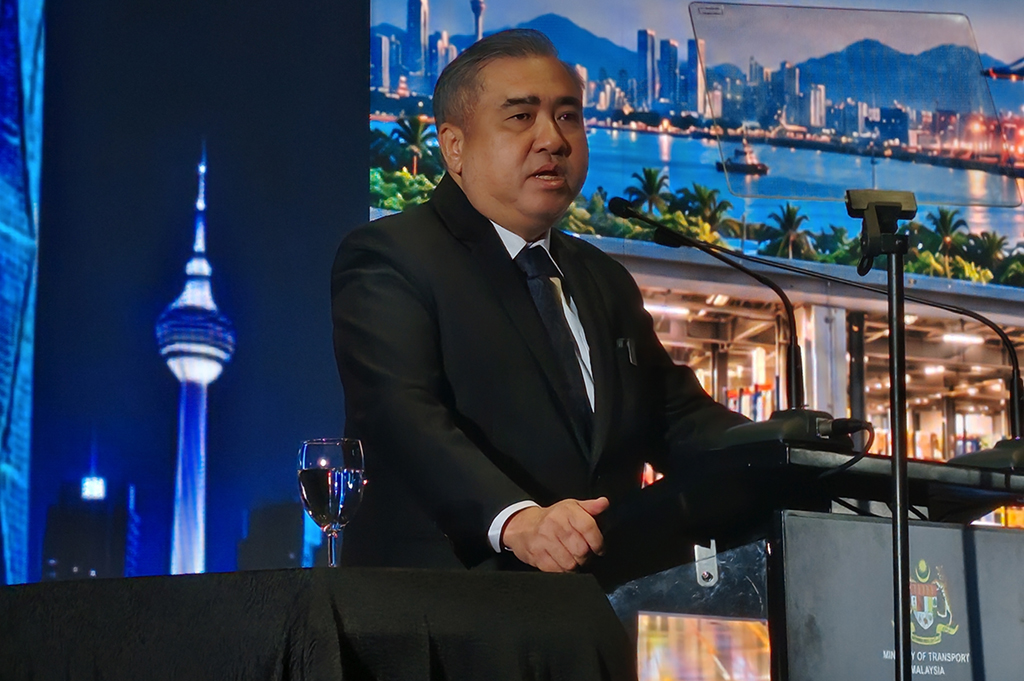
Transport Minister Anthony Loke Siew Fook.
Image via The Malaysian ReserveLoke said the policy is intended to restrict online travel agencies (OTAs), many of which are based overseas, from collecting commissions on bus ticket sales without providing services at terminals
"We want to restrict the OTAs. They sell these tickets and receive commissions, but they do not provide any services, including managing any services at the terminal," he said.
He added that the government faced difficulties regulating these platforms when passengers encountered problems with bus services or sought refunds.
"They are not licence holders. They sell the tickets, but if the service is not provided, we cannot regulate them when it comes to getting refunds," he said.
Loke said routing ticket sales through licensed terminals would strengthen oversight of ticketing operations and give authorities better control over the process.
He also rejected concerns that the new arrangement would cause financial losses for bus operators
According to Loke, terminal operators would not be allowed to charge more than their existing rates.
He also expressed hope that terminals would reduce their charges, allowing bus companies to retain better returns from their operations.
The commercial arrangements, however, would be negotiated directly between terminal operators and bus companies.
"We only make the policy decision. In terms of transactions, it is between the terminal and the bus operators," he said.
Loke added that the ministry would hold engagement sessions to explain the policy to industry players, as some operators had yet to fully understand the changes.
APAD issued the directive on 16 October, requiring express bus tickets to be sold through licensed terminals from 1 November
The ruling grants terminals exclusive rights to sell tickets for services operating through them and places responsibility for trip management, departures, and ticket sales transactions on the terminals.
Under the new arrangement, commercial fees for digital platform services will be charged directly to bus operators rather than passengers.
APAD has clarified that passengers can still purchase tickets through online travel agencies or bus operators' websites if the terminals are owned by the operators themselves.
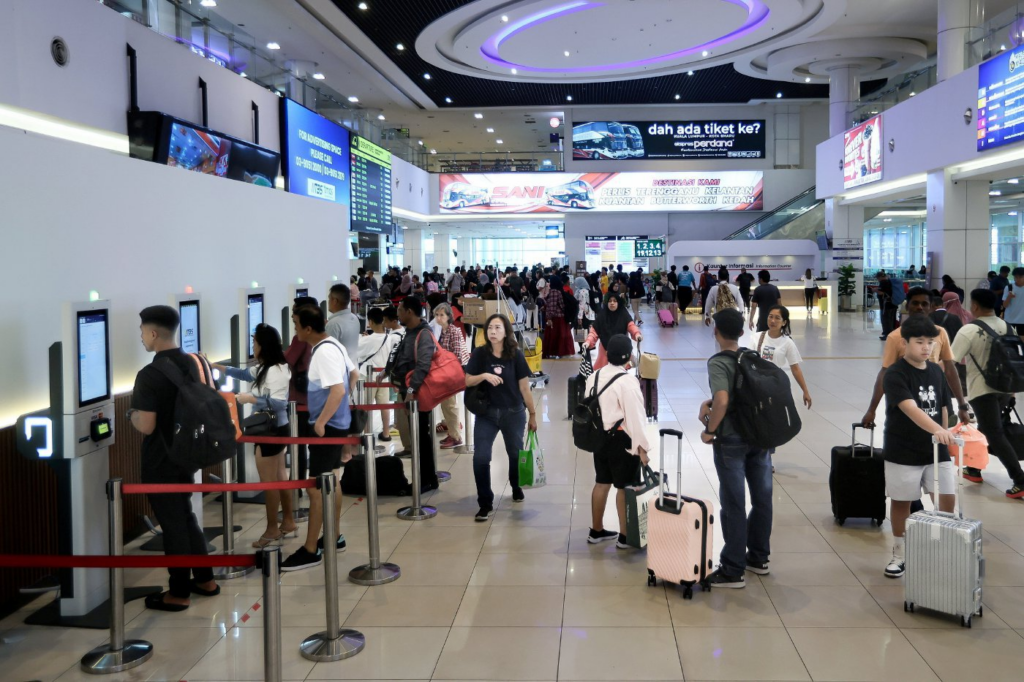
Commuters queuing at the ticket counters at the Southern Integrated Terminal (TBS).
Image via New Straits Times