
Malaysian Elephants In Japanese Zoo Suffer From Possible Zoochosis, Says Animal Activist
The elephants are said to have shown signs of psychological distress.


 Cover image via @time.travellerz (TikTok)
Follow us on Instagram, TikTok, and WhatsApp for the latest stories and breaking news.
Three Malaysian elephants at Tennoji Zoo in Osaka, Japan, show signs of psychological distress and possible zoochosis, says an animal activist
According to the New Straits Times, Pertubuhan Konservasi Alam Malaysia activist Dr Siti Rabiah Raws said her organisation has two staff member at Tennoji Zoo since April to record the elephants' daily behaviour.
Footage recorded by the staff showed the three elephants, Dara, Amoi, and Kelat (DAK), displaying repetitive stereotypical behaviours, including excessive head swaying.
"This behaviour is a clear sign of severe psychological distress and possible zoochosis," Siti Rabiah said.
Calls for the elephants' repatriation have also received support from Oxford University elephant expert Dr William Keith Lindsay, whom Siti Rabiah recently visited to better understand the challenges DAK face.
Lindsay prepared three reports recommending their immediate return to Malaysia, which were shared with the government.

Elephant biologist Dr William Keith Lindsay.
Image via @time.travellerz (TikTok)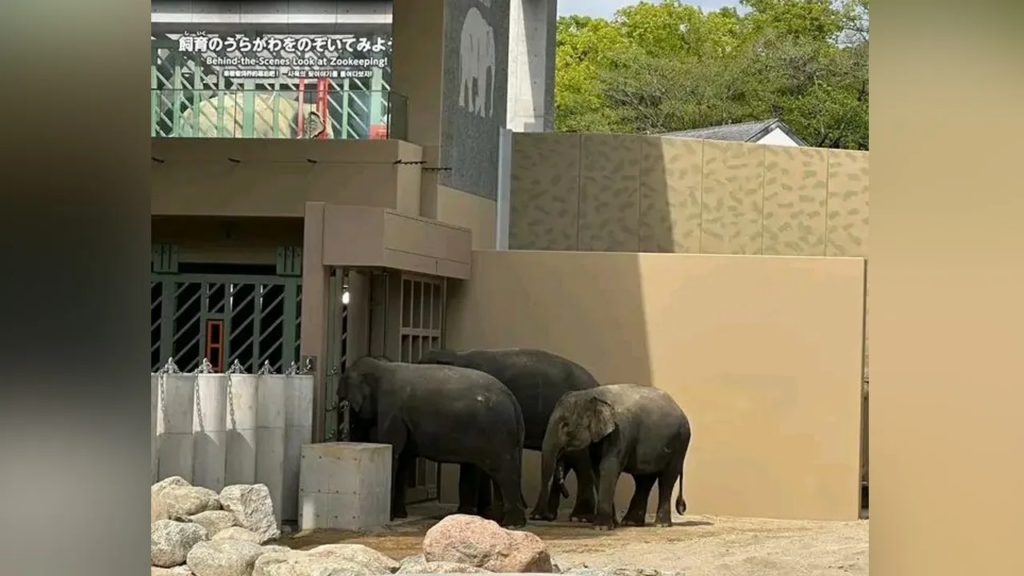
Siti Rabiah also expressed concern about Kelat's frequent musth cycles and prolonged separation from Dara and Amoi
She said Lindsay had noted that male elephants generally experience musth only once or twice a year.
Musth is a recurring biological phase in adult male elephants characterised by increased testosterone levels, heightened aggression, and stronger reproductive behaviour.
"This, combined with Kelat's prolonged separation from Dara and Amoi, raises serious questions about the animal's welfare and the suitability of the facility.
"We believe Kelat must undergo an independent veterinary assessment and be closely monitored," she said.
When asked about the concerns, Taiping Municipal Council president Tuan Mohamed Akmal Dahalan declined to comment, saying an official response would be issued in due course, reported NST.
"I cannot respond personally. When the time comes, I will issue an official statement on the latest developments," he said.
In August, the council said all three elephants were healthy and active, adding that Tennoji Zoo's keepers and veterinary officers regularly monitored their condition.
To see up-to-date footage of DAK's living conditions, you can follow Siti Rabiah's dedicated TikTok account @time.travellerz here.
Scroll through the post below to learn more about DAK's plight:

Read more trending stories on SAYS
Malaysian Government Bans Public Servants From Using Waze Over Data Security Concerns
As an alternative, public servants and road users are encouraged to adopt TuJu, a locally developed navigation app.