
MyKad Upgrade Won’t Cost More: RM10 Fee Remains As New IC Rolls Out
Each next-generation MyKad costs the government about RM40 to produce and issue.


 Cover image via Bernama/theSun & SAYS
Follow us on Instagram, TikTok, and WhatsApp for the latest stories and breaking news.
If you've been hearing talk about Malaysia's new MyKad, here's the key update on fees
The government has confirmed that the processing fee for MyKad applications and replacements will remain at RM10, even with the rollout of the next-generation card.
According to The Edge, Home Minister Datuk Seri Saifuddin Nasution Ismail said the introduction of the upgraded IC will not lead to higher charges for the public, despite the new version featuring stronger security features designed to reduce forgery and identity fraud.
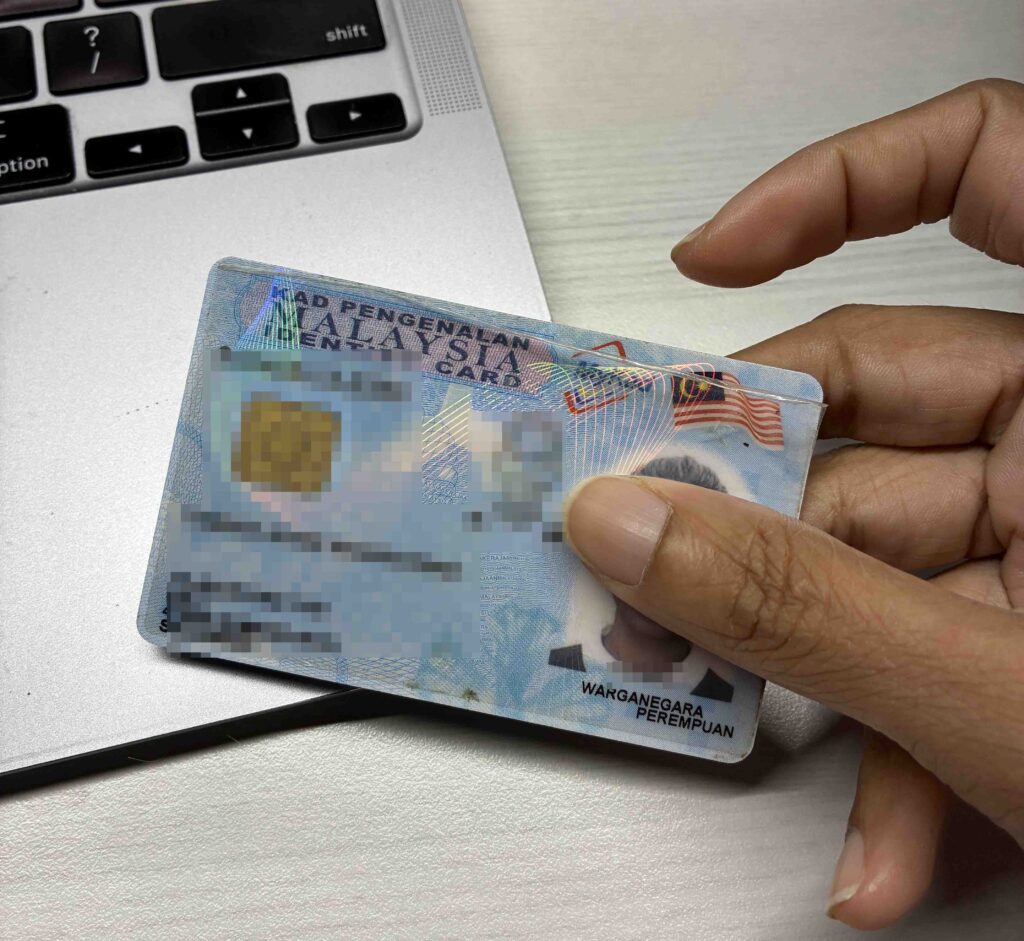
While Malaysians continue paying RM10 for applications or replacements, the government is spending more per card
According to Saifuddin, each next-generation MyKad costs the government about RM40 to produce and issue. This amount is separate from what the public pays.
Instead of paying a flat fee upfront, the government will only pay when a card is actually produced and issued. With an estimated three million cards issued per year, total annual spending is expected to be around RM120 million.

Do you need to change your MyKad now? Short answer is no.
The National Registration Department (JPN) has made it clear that existing MyKad holders do not need to rush to replace their cards. Current ICs are still valid for all government services and daily use.
JPN also said there are no plans for a nationwide mass replacement exercise, so you won't suddenly be required to queue up for a new one.
However, holders of older or outdated IC versions may still be encouraged to renew them gradually over time as part of the long-term rollout.
The updated MyKad comes with 53 physical and digital security features aimed at making it much harder to counterfeit or misuse
One of the key changes is the removal of Touch 'n Go functionality. The government explained that usage of the feature has declined significantly, as most people now rely on dedicated TNG cards, RFID, and e-wallets instead.
JPN has also reassured Malaysians that the transition will not affect access to government assistance or services.
Existing identity cards will continue to be recognised across all systems, so there should be no disruption during the rollout.
