
Not Just Malaysia Airlines: Drug Tests Now Mandatory For All Airline Pilots & Cabin Crew
The airlines have also been ordered to step up random testing, conduct immediate tests when impairment is suspected, and review their screening procedures for staff with airport security passes.


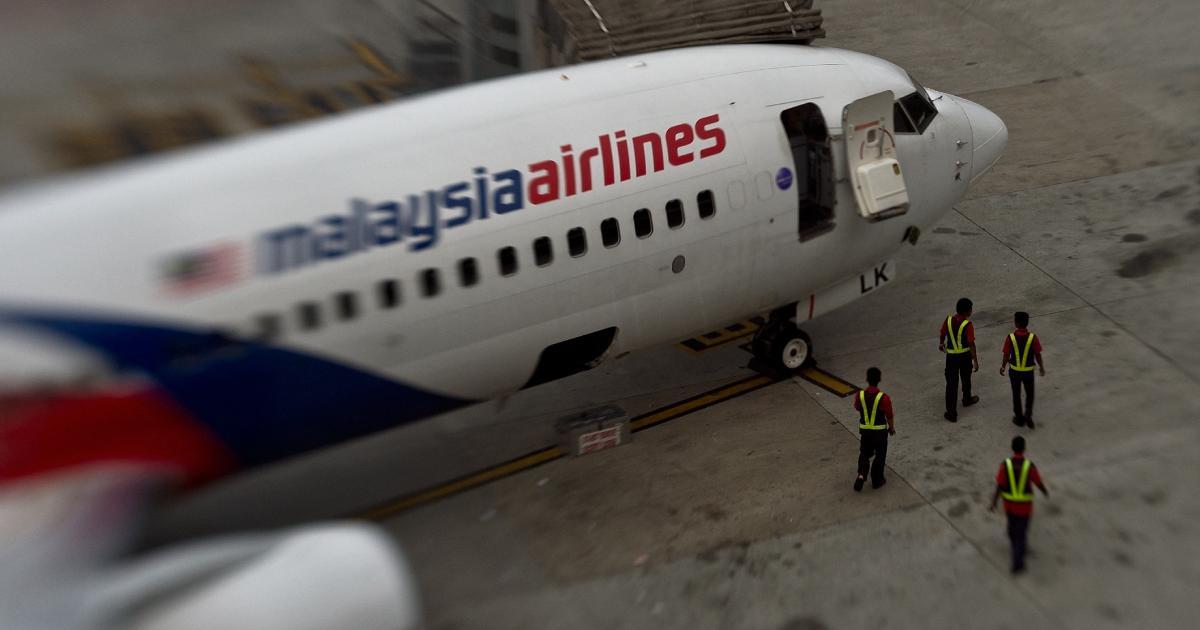 Cover image via Manan Vatsyayana/AFP
Follow us on Instagram, TikTok, and WhatsApp for the latest stories and breaking news.
Malaysia's aviation regulator has ordered every airline operating in the country to drug-test all active pilots and cabin crew within 30 days
The latest safety measure follows the arrest of a Malaysia Airlines pilot in Indonesia over alleged drug trafficking.
The Civil Aviation Authority of Malaysia (CAAM) said every Malaysian Air Operator Certificate (AOC) holder must test 100% of its active flight and cabin crew under its approved alcohol and drug testing programme (ADTP).
The directive goes beyond the mandatory screening announced earlier by Malaysia Aviation Group (MAG), the parent company of Malaysia Airlines, which initially ordered drug tests for all 1,260 pilots at the national airline following the arrest.
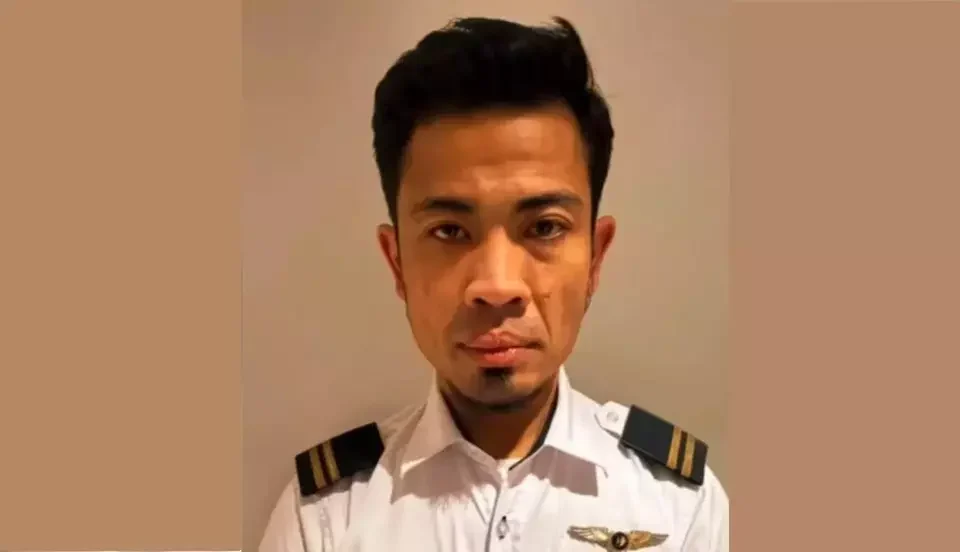
This photo released by the Indonesian Customs and Excise Office on 31 July shows the Malaysian pilot accused of smuggling drugs to Indonesia.
Image via Jakarta GlobeAirlines have 30 days to prove their drug-testing systems work
CAAM chief executive officer Datuk Captain Norazman Mahmud said airlines must not only carry out the full screening exercise, but also review whether their existing alcohol and drug testing programmes are effective at detecting current and emerging drug threats.
Operators have been instructed to ensure their programmes remain "present, suitable, operating, and effective" (PSOE), while revising testing methods and protocols where necessary based on safety risk assessments and information from authorities.
The directive also requires airlines to test crew members who return from leave or join after the initial exercise before they can resume operational duties, if they were not covered during the first round of testing.
Airlines must subsequently submit a declaration of compliance to CAAM detailing the results of the comprehensive testing programme, summaries of random testing, corrective actions, and any changes made to their drug-testing programmes.
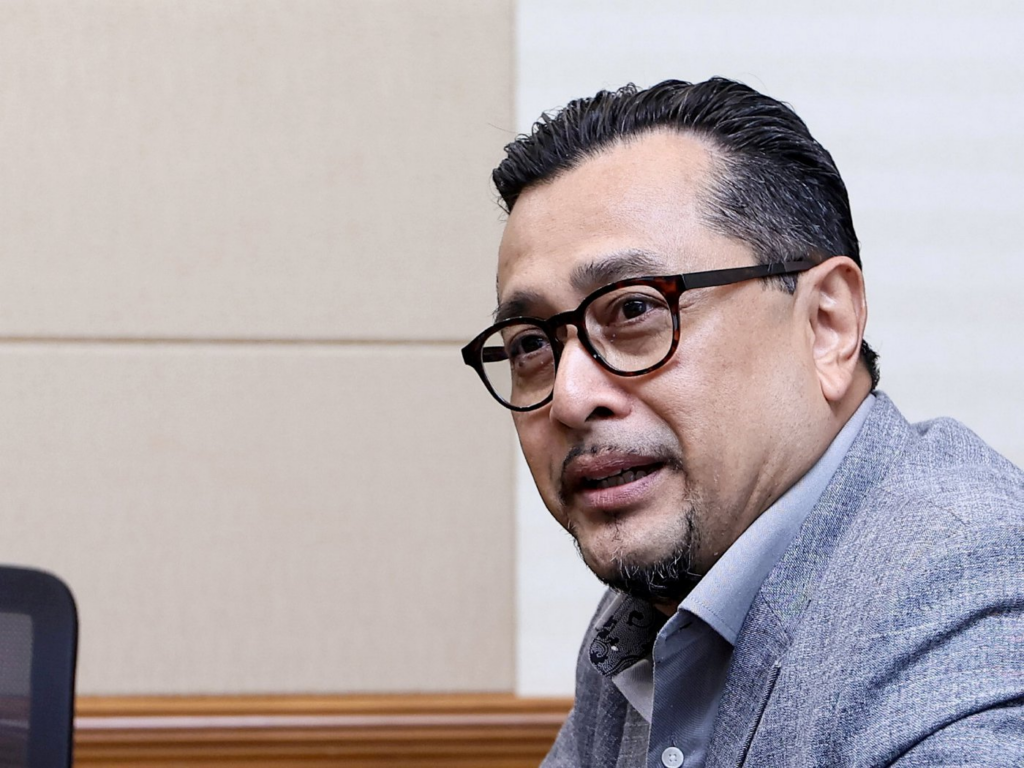
Datuk Captain Norazman Mahmud.
Image via Saifullizan Tamadi/New Straits TimesRandom testing to increase, especially during higher-risk periods
CAAM has also ordered airlines to increase unannounced random alcohol and drug testing, particularly during periods it considers higher-risk.
These include:
- Night operations
- Extended duty periods
- Public holidays
- Other higher-risk operational environments identified through safety assessments
Airlines must also immediately carry out reasonable-suspicion testing whenever behavioural, physical or operational indicators suggest that a crew member may be impaired.
This means the new measures are not limited to a one-off screening exercise following the Jakarta arrest. Airlines are being required to strengthen how they identify and respond to potential substance misuse on an ongoing basis.
Airport security pass holders will also face closer scrutiny
CAAM has further directed operators to review their recruitment and background-screening processes for personnel who hold airport security passes.
Airlines have also been told to strengthen disciplinary procedures relating to alcohol and drug misuse, conduct awareness campaigns and continuously brief employees on their legal obligations and company policies.
For longer-term safety improvements, CAAM said operators must implement comprehensive fitness-for-duty programmes and adopt variable testing methods, including oral fluid testing.
The authority also wants airlines to strengthen employee assistance programmes, integrate alcohol and drug risks more closely into their Safety Management Systems, improve reporting mechanisms, and expand training on alcohol and drug misuse.
The directive follows the arrest of a Malaysia Airlines pilot in Jakarta
The 39-year-old Malaysia Airlines pilot is facing the death penalty in Indonesia after customs officers caught him allegedly smuggling more than 70,000 ecstasy pills worth an estimated 60 billion rupiah (around RM13.5 million) into Jakarta.
Indonesian authorities said Customs officers decided to inspect his suitcase after detecting something suspicious during an X-ray scan at the international arrivals area.
A subsequent urine test found that the suspect tested positive for methamphetamine, MDMA, and cocaine.
The case has since prompted questions over aviation safety and how the alleged drugs passed through departure procedures at Kuala Lumpur International Airport.
Earlier on 7 August, MAG announced that mandatory drug screening would be conducted on all 1,260 Malaysia Airlines pilots, with the first phase expected to be completed by 15 August before the programme is expanded to cabin crew.
CAAM's latest directive now extends the immediate 100% testing requirement across all Malaysian airline operators and both flight crew and cabin crew, making the response an industry-wide safety measure rather than one limited to Malaysia Airlines.
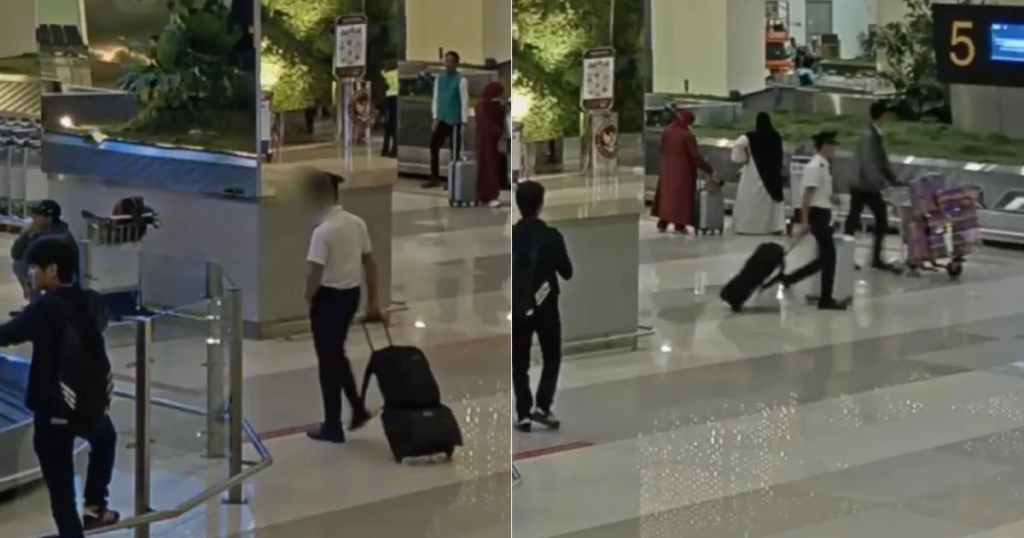
The Malaysian pilot as seen in the CCTV footage released by the Soekarno-Hatta Customs and Excise Office.
Image via @bcsoetta (Instagram)