
PG-18 Movies Face Fewer Cuts In Malaysia As LPF Takes More Progressive Approach
Prime Minister Datuk Seri Anwar Ibrahim has called for greater freedom and openness in the arts.


 Cover image via
 Follow us on Instagram, TikTok, and WhatsApp for the latest stories and breaking news.
PG-18 movies shown in Malaysia have undergone fewer censorship cuts over the past three years
Speaking to reporters on Monday, 24 August, National Film Development Corporation Malaysia (FINAS) CEO Datuk Azmir Saifuddin Mutalib said the shift had become evident over the past two to three years, with the Film Censorship Board (LPF) allowing more films to screen under stricter age classifications rather than requiring extensive cuts.
"If we look at their ratings now, like PG-18 or PG-16, films are no longer being cut as extensively. Instead, they are allowed to screen with restrictions preventing children from watching them.
"That is a progressive step that we really want to move towards. As the honourable Prime Minister stated earlier, for the industry, we have to be open. I think the focus is more on the cultural aspect and empowering our content to be exported globally," Harian Metro quoted him as saying.
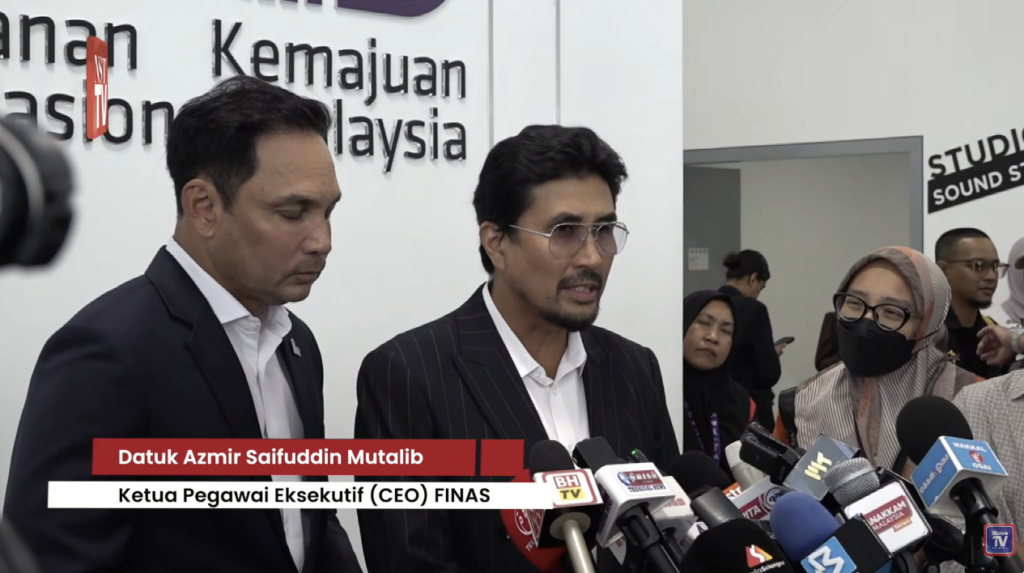
At the opening of FINAS Tower in Petaling Jaya on Monday, Prime Minister Datuk Seri Anwar Ibrahim called for greater freedom and openness in the arts, particularly in the film industry
According to the New Straits Times, Anwar said while the government supports openness in the arts, such freedom must remain grounded in Malaysia's values, culture, and morality.
He said greater creative freedom would help keep the arts industry relevant and encourage its growth, rather than having it simply emulate Western or other foreign models.
"I do not want to portray myself as being too liberal because I will be criticised by the ultra-conservatives, but if we want this country to progress, we must accept the reality that young people and the public want a more free and open environment.
"If the environment becomes too restrictive and closed, I fear the arts industry, particularly film, will not develop," he said.
The Home Ministry supported Anwar's statement but said film censorship remains essential to safeguard national interests, reported The Star.
The ministry said movies that violate regulatory standards may be required to make changes or could be banned if non-compliant scenes cannot be resolved.
It said the main considerations include national security, public order, religion, morality, socio-cultural harmony, and diplomatic relations.
"Openness in creative expression and responsibility towards national interests must go hand in hand to build a mature, competitive, and trusted Malaysian film ecosystem," the ministry said.
Read more trending stories on SAYS

Flight Attendant Who Ploughed Into Work Crew, Killing DBKL Road Supervisor, Granted Bail
Mohd Iman Nafiz Fong Mohd Sabirin, 26, allegedly recorded a blood alcohol level above Malaysia's legal limit.