
Foreign Minister Says UNHCR Office Has Made Malaysia “A Magnet For Refugees”
Datuk Seri Mohamad Hasan warned the government may need to rethink allowing the UN refugee agency to operate here if it refuses to work with Putrajaya on stricter screening.


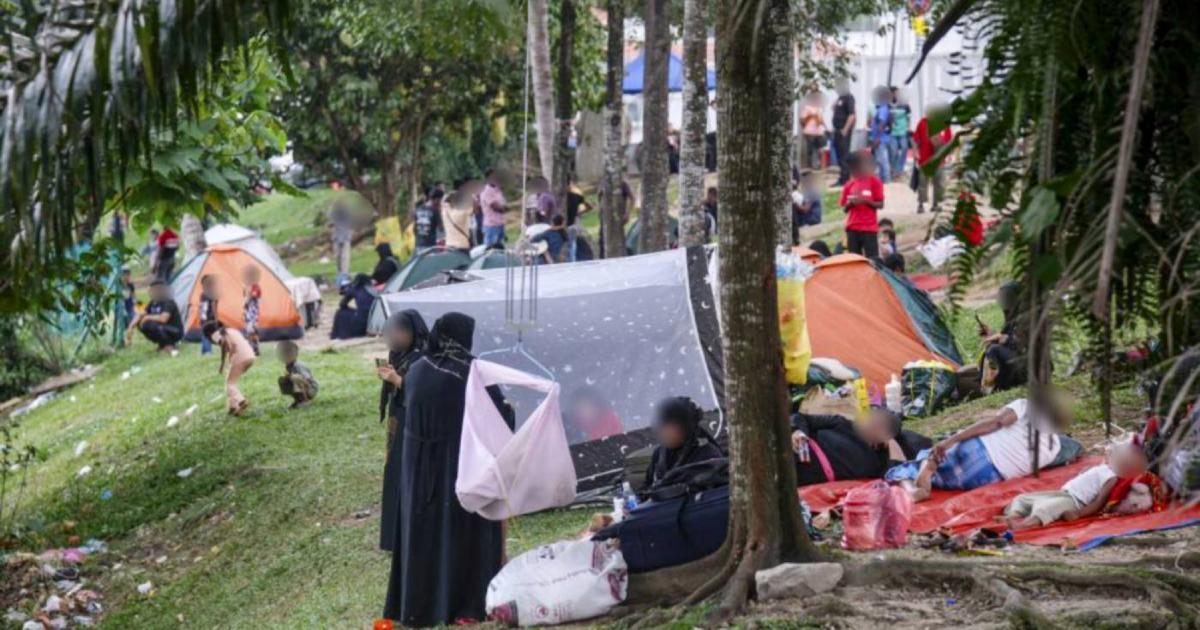 Cover image via Hazreen Mohamad/New Straits Times
Follow us on Instagram, TikTok, and WhatsApp for the latest stories and breaking news.
Malaysia may need to rethink the United Nations High Commissioner for Refugees (UNHCR)'s presence in the country, said Foreign Minister Datuk Seri Mohamad Hasan
He said Malaysia should only continue allowing the agency to operate if it is willing to cooperate with the government on refugee management.
According to the New Straits Times, Mohamad said cooperation between Malaysia and UNHCR was crucial to ensure refugee applicants undergo stringent screening before UNHCR cards are issued.
"If they are unwilling to cooperate, then it is time for us to reconsider UNHCR's presence in the country. That is my view, so that we are not continually burdened," he said, as quoted by the English daily.
"We have become a magnet for refugees because there is a UNHCR office here that can issue cards easily. This is something we need to manage properly."
The foreign minister was speaking after inspecting early voting for the Negeri Sembilan election at Sendayan Air Base.
Malaysia wants stricter screening before refugee cards are issued
The New Straits Times reported that Mohamad said the Home Ministry is working to ensure every refugee applicant is properly screened and approved before a UNHCR refugee card is issued.
He also said Malaysia needed a formal agreement with UNHCR that clearly defines the agency's jurisdiction, responsibilities, and operational limits in the country.
"We must have an international agreement specifying what they can and cannot do. At the moment, there appears to be nothing. They do not have a standard operating procedure," he said.
"They submit applications online while still in Myanmar, then come here and collect their cards. That means there is no proper screening. This is what we need to address."
Mohamad added that Malaysia must balance humanitarian responsibilities with national security concerns.
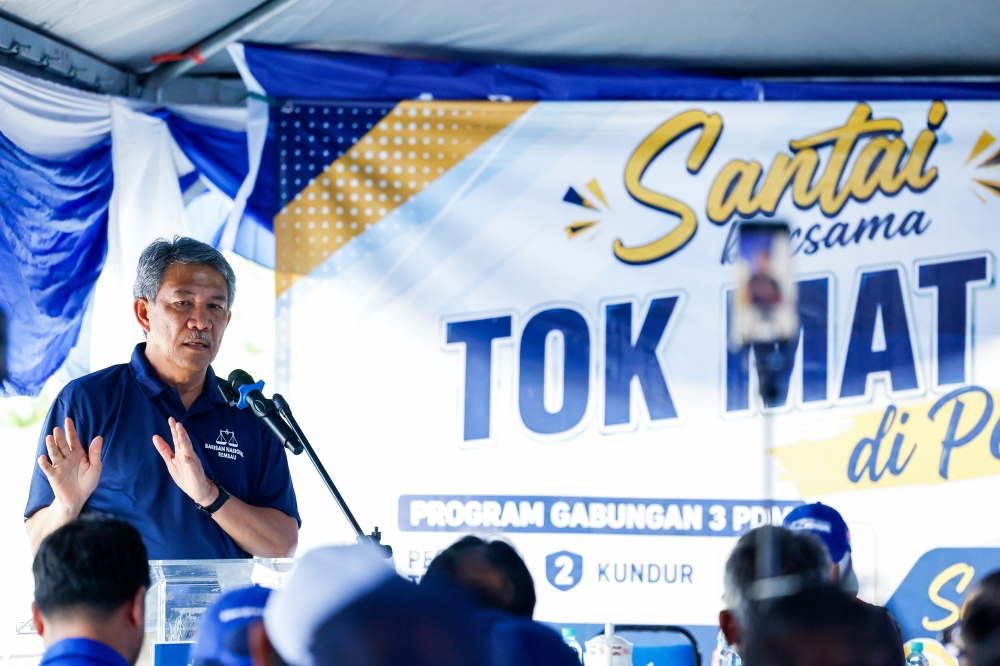
Datuk Seri Mohamad Hasan.
Image via BernamaFormer UNHCR official says shutting the office won't solve the problem
However, the portal also reported that former UNHCR head of education Wan Mimi Zarina Wan Azmin said the agency has always relied on cooperation with the Malaysian government and was only operating here because Malaysia does not have its own refugee management system.
"If Malaysia had its own system, UNHCR would not need to be here," said Wan Mimi, who is now the chief executive officer of Muslim Aid Malaysia.
She argued that closing UNHCR's office would not make refugees already in Malaysia disappear, while building a national refugee management system could cost tens of millions of ringgit each year to cover registration, documentation, and staffing.
"The question is, who will take over the cost and responsibility?" she asked.
"At the moment, taxpayers are not involved because it is supported through UN funding," Wan Mimi added.
She also said Malaysia has had decades to establish its own refugee framework, dating back to the arrival of Vietnamese refugees in the 1970s.
She stressed that protecting Malaysians and protecting refugees should not be viewed as competing priorities.
"Malaysians have the right to safe and orderly communities, while refugees have the right to dignity and protection from collective punishment. These rights are not mutually exclusive," she said.
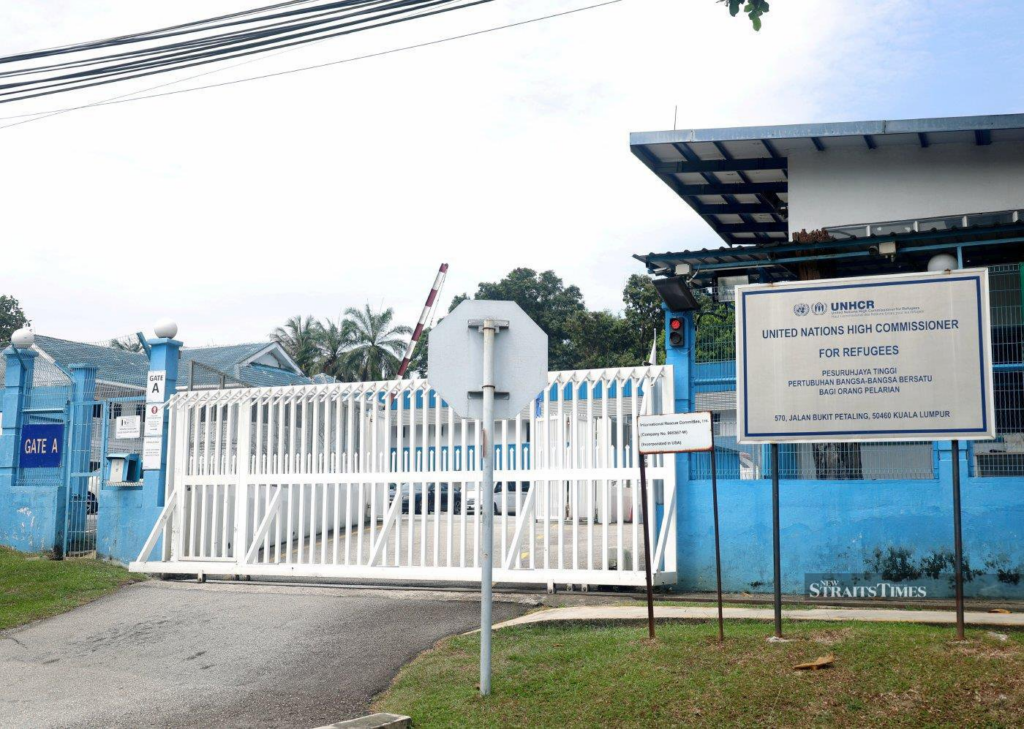
Malaysia currently hosts over 215,000 refugees and asylum seekers
According to figures cited by the New Straits Times from UNHCR, Malaysia was hosting about 215,600 refugees and asylum seekers as of the end of February.
Of these, 193,824 are from Myanmar, including:
- 126,144 Rohingya
- 15,774 Chin
- 33,002 from other conflict-affected or persecuted communities
The remaining 21,776 refugees and asylum seekers come from more than 50 countries, including Pakistan, Yemen, Somalia, Afghanistan, Syria, Sri Lanka, Palestine, and Iraq.
UNHCR's data also shows that 46% are men, 24% are women, while 64,680 are children below the age of 18.
