
26 Confirmed Rabies Cases In Sarawak As Over 2,300 Dogs Vaccinated
Here's why rabies is dangerous and what you should do if you're scratched or bitten.


 Cover image via
 Follow us on Instagram, TikTok, and WhatsApp for the latest stories and breaking news.
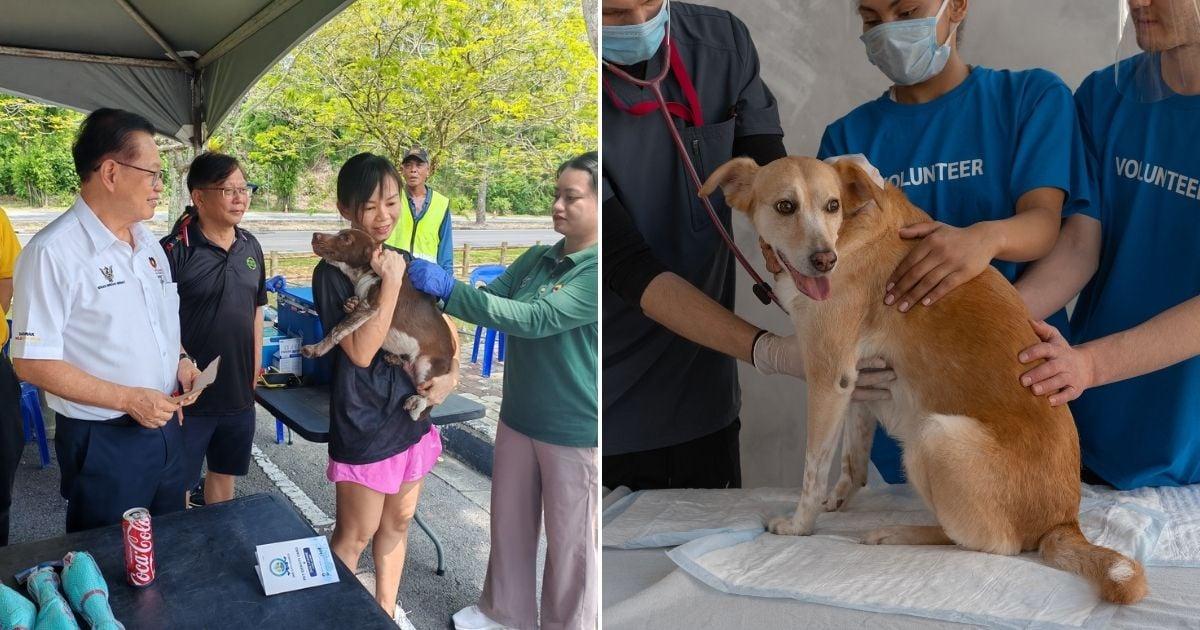
Sarawak has vaccinated a total of 2,322 dogs against rabies between 1 January and 22 August this year, reflecting strong community support for ongoing disease prevention efforts in Miri
The figures, released by the Miri Veterinary Department, highlight a proactive effort to keep the division free from the viral infection, according to Borneo Post.
Sarawak Transport Minister Dato Sri Lee Kim Shin praised local pet owners for their encouraging response during a mass rabies vaccination campaign held at Taman Awam Miri.
To ensure wider access, authorities have scheduled five additional mass vaccination events across various locations, including Permyjaya, Tudan, Taman Bulatan, Pujut, and Riam. Mobile vaccination teams will also focus heavily on Senadin due to its large geographical footprint and high pet population.
Despite local eradication efforts, rabies remains a severe public health threat across the state
Official data verified on 20 August 2026 confirmed 26 animal rabies cases in Sarawak this year, involving 23 dogs and three cats.
Deputy Premier Datuk Amar Dr Sim Kui Hian highlighted the grave nature of the situation, revealing that Sarawak has recorded 94 human rabies cases and 87 deaths since July 2017.
Why is rabies dangerous?
Rabies is a fatal viral disease that attacks the central nervous system, transmitted primarily through the saliva of infected animals via bites, nips, or scratches.
With a fatality rate of nearly 93% in Sarawak, the disease is almost universally fatal once clinical symptoms develop. Despite its extreme severity, rabies is entirely preventable through timely medical intervention and regular pet immunisation.
Here's what you can do to stop rabies from developing if you are bitten or scratched
Health authorities advise anyone bitten or scratched by an animal to immediately wash the wound under running water with soap for at least 15 minutes before seeking emergency care at a health clinic.
Public health guidelines stress that victims must not wait for symptoms to appear before getting treated.
Annual pet vaccinations remain the primary defence line to create a protective buffer within local communities.
Community initiatives are also driving youth awareness
The recently concluded "Stop Rabies 2026" carnival, organised alongside the Malaysia One Health University Network, saw schools like SMK Jalan Arang and SJKC Chung Hua Sematan win top honours in state-wide rabies education competitions.
State leaders maintain that active public participation is crucial to achieving Sarawak's target of zero human rabies deaths by 2030.
The information provided is for educational and communication purposes only, and it should not be construed as personal medical advice. Information published in this article is not intended to replace, supplant or augment a consultation with a healthcare professional regarding the reader's own medical care.
