


 Cover image via Canva Teams
Follow us on Instagram, TikTok, and WhatsApp for the latest stories and breaking news.
Just a few weeks ago, many Malaysians were asking the same worrying questions

"Would the ongoing war affect the prices of things we buy every day?"
"Why is everyone suddenly talking about the Strait of Hormuz?"
"Will global oil supplies be disrupted, and will my petrol price go up?"
"Will groceries and everyday essentials become harder to get?"
Fast forward to today, the truth is, you can still get groceries. Petrol is still available. Supermarket shelves are not empty. Most of us are not thinking about shipping routes, fertiliser supply, energy markets, or geopolitical tensions while buying roti, rice, eggs, or cooking oil.
So… what global supply crisis?
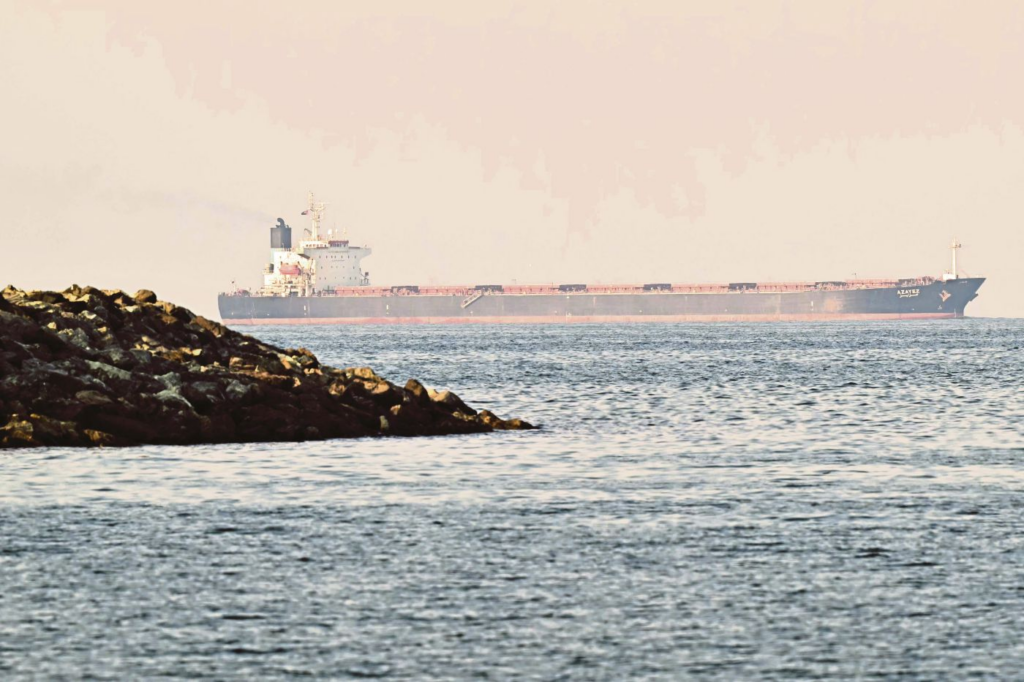
The issue centred around the Strait of Hormuz, a key shipping route between Iran and Oman that handles about a fifth of the world's oil supply. Any disruption to this route can affect global energy markets, with potential knock-on effects on transport costs, food production and the prices of everyday goods.
For many Malaysians, however, the crisis has not shown up in a dramatic way. There are no daily scenes of panic-buying or empty aisles. Life, for the most part, has gone on.
But that does not mean Malaysia is immune from the supply crisis. It means Malaysia has been insulated from the worst of it so far.
While the immediate concerns may have eased, the underlying risks have not gone away. Some households and businesses have already felt the pressure through higher operating costs and more expensive raw materials. Others may only notice the impact later, when it slowly shows up in grocery bills, dining costs, or everyday necessities.
According to Tan Sri Mohd Hassan Marican, Malaysia's ability to maintain stability is not accidental
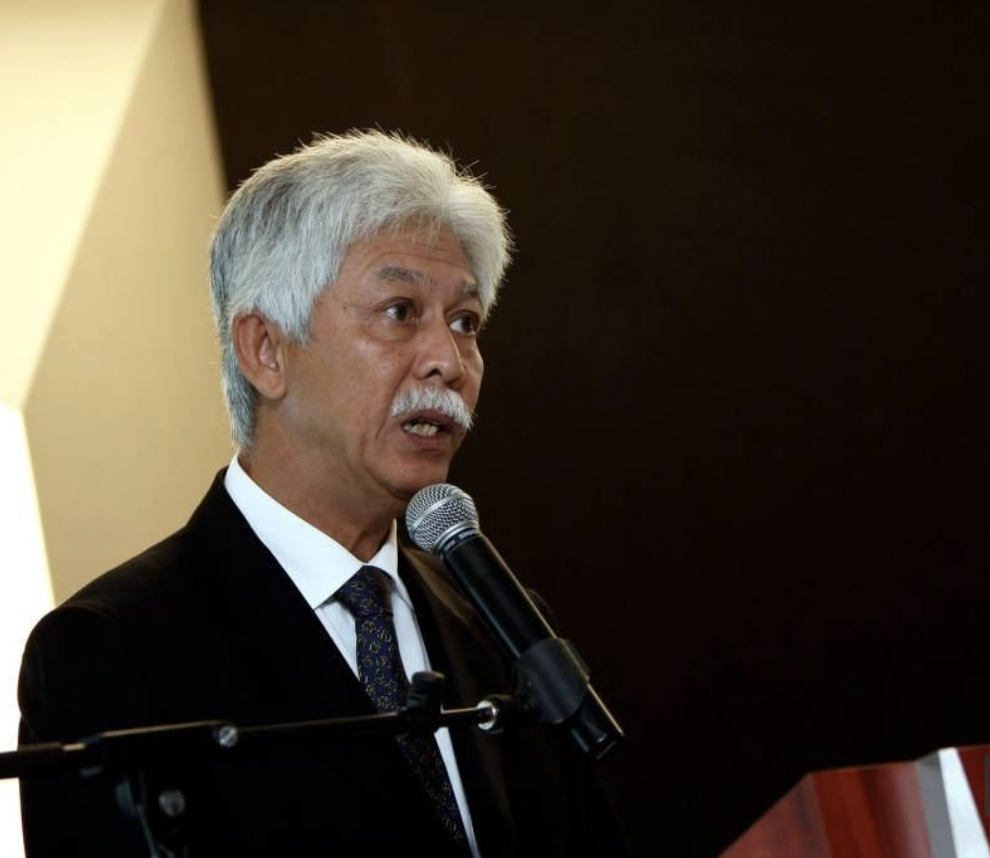
Hassan, who chairs the Crisis Management Task Force (PPPK) under the National Economic Action Council, said Malaysia's current stability is "not by chance", but the result of early action, coordination, and continuous monitoring.
PPPK has been working behind the scenes to coordinate the country's response to the global energy and supply situation.
"The government has been working intensively across ministries and agencies to manage the situation carefully while ensuring daily life and services continue as smoothly as possible," Hassan said.
He also said the government has been putting resources where they matter most to shield the rakyat, especially by protecting vulnerable families, keeping critical supply lines open, and managing price volatility.
The government has also been cushioning households from the impact
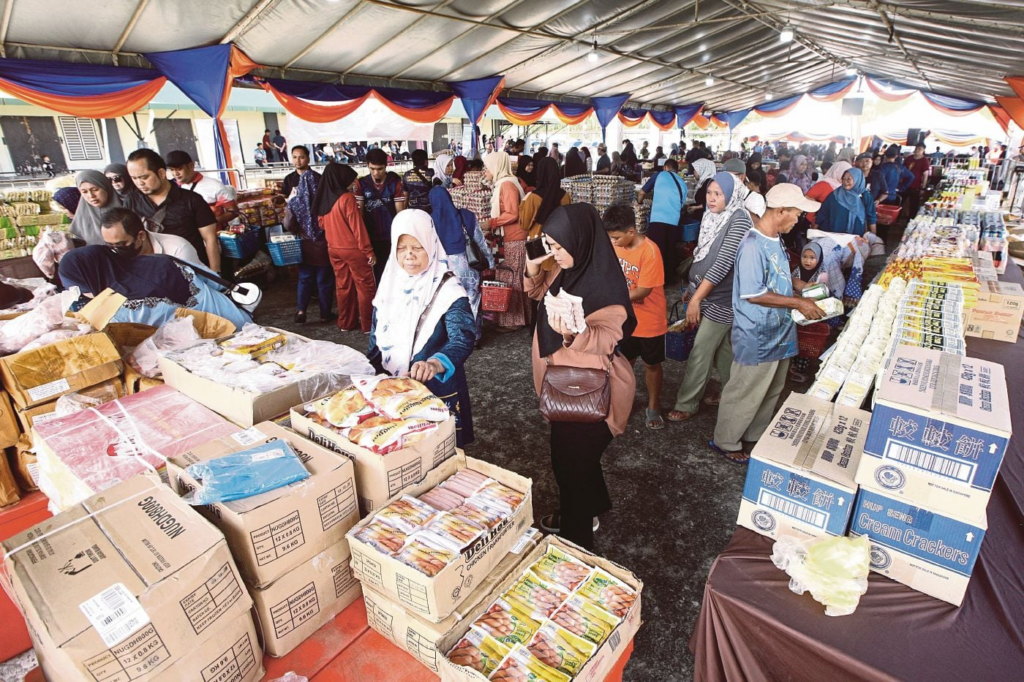
Hassan said many of the stabilisation and protection measures introduced by the government have helped cushion Malaysians from the initial impact of the global supply crisis.
These include direct assistance programmes such as Sumbangan Tunai Rahmah (STR) and Sumbangan Asas Rahmah (SARA), as well as fuel-related support like BUDI95, BUDI Diesel, and the Subsidised Diesel Control System (SKDS). For example, under the combined STR and monthly SARA assistance, eligible recipients can receive up to RM4,600 a year.
Anti-profiteering enforcement, Jualan RAHMAH MADANI, and Jualan Agro MADANI also help keep essential goods more affordable and accessible.
Behind the scenes, the government has also been working to keep essential supply lines open. Nurhisham Hussein, the Prime Minister's economic adviser and head of the PPPK secretariat, said Malaysia has maintained sufficient reserves of fuel, food, and essential medicines through early intervention and coordinated crisis management.
He said the priority is to make sure the country has enough supplies, including fuel and major food categories such as rice, chicken, eggs, seafood, vegetables, and fruits.
This matters because supply problems do not always show up immediately. Businesses may still have old raw-material stocks today, but feel the pressure later when they need to secure replacement supplies, especially if costs rise or credit terms become tighter.
That is why the government's response also includes monitoring critical supplies, helping industries find alternative sources, and ensuring domestic needs come first.
But Malaysians need to understand that stability now does not mean the risks are gone
The global supply crisis is not about one shipping route or one conflict. It's the combined effect of global events that make it harder or more expensive to produce, transport, and deliver goods around the world.
Some disruptions come from geopolitical tensions. Others come from volatile energy prices, extreme weather, shipping delays, higher freight costs, or export restrictions by producing countries.
Take something as ordinary as a loaf of bread

The wheat may come from Australia or Canada. The fertiliser used to grow it depends heavily on global energy prices. The grain has to be harvested, shipped across oceans, milled into flour, packaged, transported by lorry, and baked before it reaches your neighbourhood bakery or supermarket.
So, when shipping becomes more expensive, fuel prices rise, or poor weather affects harvests, the cost of producing that loaf can increase long before it reaches Malaysia.
Another risk Malaysians should pay attention to is extreme weather, including El Niño
For many people, El Niño simply means hotter days and drier weather. But for food supply, the impact can be much bigger.
When heatwaves, droughts, or irregular rainfall affect farming regions, harvests can shrink. This causes supply to become tighter, which in turn could cause prices to rise.
This does not only affect fresh produce. It can also affect grains, animal feed, dairy production, and other ingredients used across the food chain.
This is why food security is one of the areas Hassan said still needs close attention, alongside medical and pharmaceutical supply chains, logistics and shipping resilience, and businesses that are more exposed to raw material volatility.
Malaysia has remained relatively stable despite ongoing global uncertainty, but that does not mean we can ignore what is happening
The danger of a supply crisis is that the impact is often delayed.
By the time prices rise, certain items become harder to get, or businesses start passing on higher costs, the problem may have already been building for months. That is why Malaysians should care even if the crisis does not feel obvious right now.
We may not be able to control what happens globally, but we can control how prepared and informed we are at home. One way to do that is by using trusted platforms that help Malaysians better understand what's happening globally while keeping track of prices closer to home.
Here are two official platforms that can help Malaysians keep track of developments and monitor everyday prices:
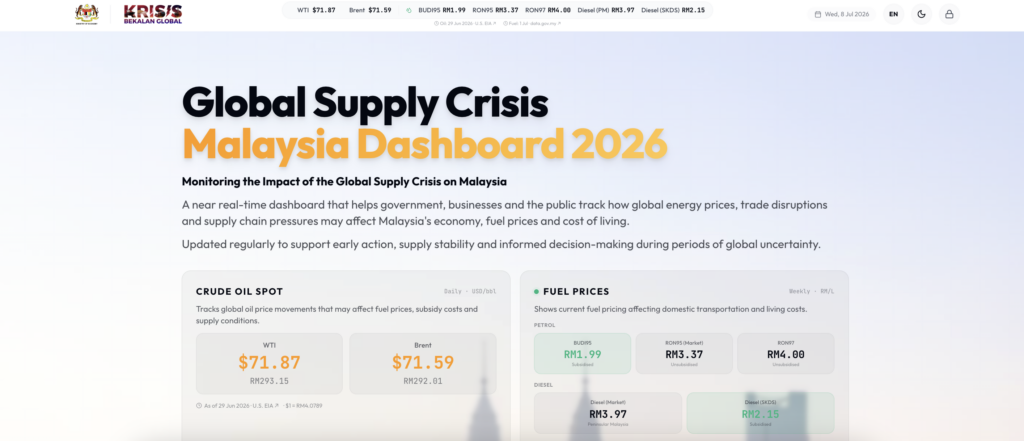
One practical tool is PantauKrisis, an initiative by the Prime Minister's Department that provides updates on global developments with the potential to affect Malaysia. It monitors issues related to energy, food security, logistics, supply chains, and the broader economy, helping Malaysians better understand the factors behind global market changes.
For day-to-day shopping, there's also PriceCatcher, developed by the Ministry of Domestic Trade and Cost of Living (KPDN), which allows consumers to compare the prices of selected essential goods across participating supermarkets, grocery stores, and wet markets. The platform helps shoppers identify more affordable options before making purchases, especially when prices fluctuate.
Hassan also encouraged households to remain financially resilient as part of preparing for broader economic uncertainties.
"At the household level, financial prudence and adaptability remain essential. Families should prioritise essential spending, minimise waste, manage debt responsibly and plan their finances carefully to strengthen their resilience against economic uncertainties," he said.
What can Malaysians do while the crisis continues?
While global events are beyond anyone's control, how Malaysia responds is a collective effort.
The government's response follows a whole-of-government approach, where different ministries and agencies work together to monitor global developments, safeguard food and energy supplies, stabilise prices, and keep essential goods moving through the supply chain.
But strengthening the country's resilience does not stop there. Businesses, communities, and consumers also have a role to play.
For households, that could mean planning grocery purchases, comparing prices before shopping, reducing food waste, avoiding panic buying, and managing household spending wisely. These everyday habits may seem small, but they can help families better cope if global disruptions lead to temporary price increases or supply shortages.
The global supply crisis isn't always something you can see
Sometimes, it's the empty shelves that never happen, the price hikes that are softened, or the disruptions that are managed before they reach consumers.
And while no one knows what the next global challenge will be, understanding the bigger picture helps explain why events happening thousands of kilometres away can still matter here at home.
Got some cool brand news to share?

Take a look at all of our Spotlight stories to date here.
