
Best Energy-Efficient Appliances To Reduce Your Electricity Bill
Learn which appliances can use the most electricity, how Malaysia's ST energy-efficiency star ratings work, and what to check before buying an efficient appliance.


 Cover image via SAYS
There are many ways to improve the efficiency of electricity used in your home. Using electricity wisely can save money, and one simple way to do so is by using energy-efficient appliances, which use fewer kilowatt-hours (kWh) to do the same job.
While electricity costs are influenced by wider factors, such as global fuel prices, foreign exchange rates, and generation costs, what you can control is how efficiently you use electricity at home.
TNB recommends choosing electrical appliances with 4- or 5-star energy ratings where suitable. Higher-efficiency appliances can use less electricity over time, especially when they run every day.
What energy efficiency label should I look for in Malaysia?
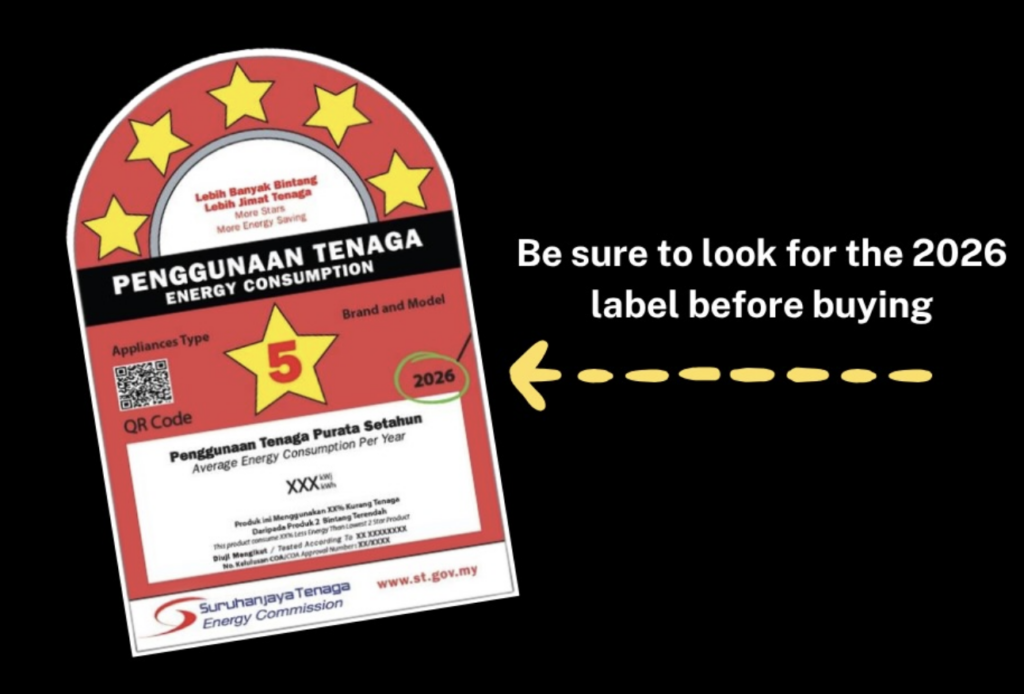
Look for the Energy Efficiency Label regulated by Suruhanjaya Tenaga (ST), Malaysia's Energy Commission.
The label helps you compare the energy efficiency of appliances in the same category. ST explains that a 5-star rating represents the most efficient level, and the label also provides energy-consumption information to help consumers compare models.
Under ST's latest August 2026 Guidelines on Energy-Using Product, regulated products must meet a Minimum Energy Performance Standards (MEPS) rating of at least two stars.
For household buyers, the energy-using product categories already covered include:
- air conditioners;
- refrigerators;
- domestic fans;
- lamps;
- televisions;
- washing machines;
- microwave ovens;
- electric rice cookers; and
- freezers
ㅤ
ST's revised August 2026 guideline also adds electric motors and hot-and-cold water dispensers, which will come into operation on 1 January 2027.
Which appliances use the most electricity at home?
Appliances that use a lot of power, run for many hours, or do both usually have the biggest impact on electricity consumption.
| Appliance | Impact on monthly electricity use | Why |
| Air conditioner | Very high | Uses substantial power and may run for many hours |
| Storage water heater | Very high | Uses electricity to heat and maintain stored hot water |
| Clothes dryer | Very high | Uses heat throughout a drying cycle |
| Electric oven | High | Heating elements can operate for long cooking periods |
| Instant water heater | High when used often | Requires high power while heating water |
| Electric hob / induction cooker | High when used often | Cooking requires sustained heating |
| Refrigerator | Medium to high | Runs 24 hours a day, throughout the year |
| Freezer | Medium to high | Runs continuously to maintain a low temperature |
| Washing machine | Medium | Depends on load size, programme, and frequency |
| Rice cooker | Medium if kept warm for hours | Keep-warm mode may operate for much longer than cooking |
| Iron | Medium | Uses a strong heating element, but usually for shorter periods |
| Television | Low to medium | Longer viewing hours increase electricity use |
| Microwave oven | Low to medium | Uses high power, but normally for short periods |
| Electric kettle | Low to medium | Uses high power for only a few minutes at a time |
| Ceiling or standing fan | Low | Uses much less electricity than air conditioning |
| Laptop | Low | Usually has a relatively small electricity demand |
| LED lighting | Very low | Efficient lamps use less electricity |
| Phone charger | Very low | Uses less electricity compared with major appliances |
If you want to reduce electricity use, start by checking appliances near the top of the table.
The categories are only a general guide. A clothes dryer used twice a month may consume less electricity than an air conditioner used every night. How often an appliance runs matters just as much as how much power it draws.
Which energy-efficient appliances should I prioritise?
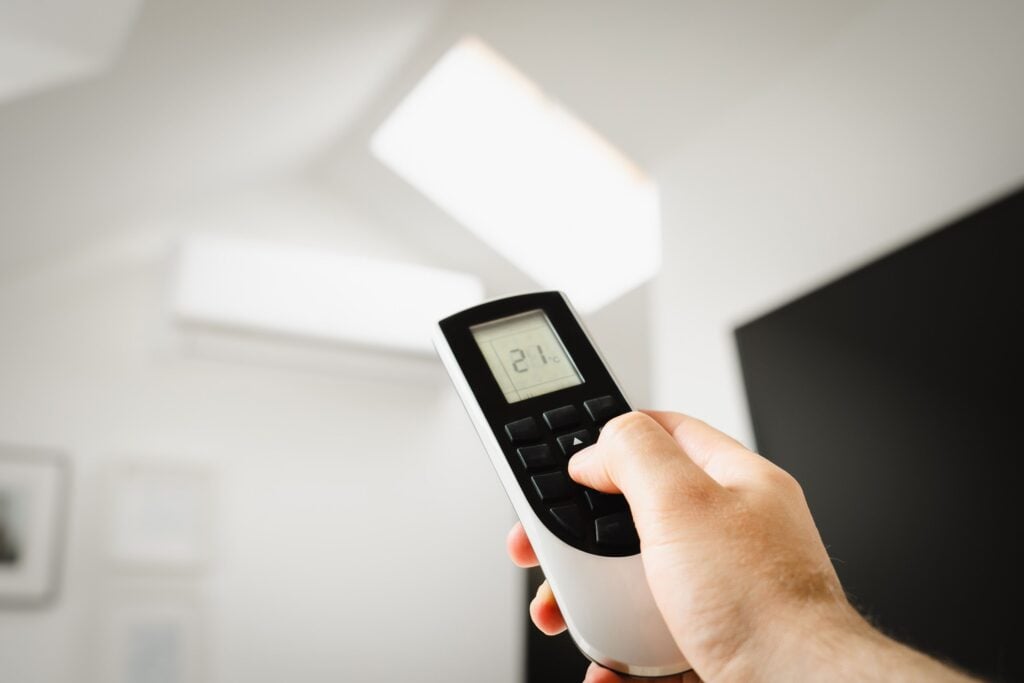
Prioritise appliances that run frequently, use substantial electricity, and are likely to stay in your home for years.
Air conditioners
Air-conditioner efficiency matters because cooling can run for several hours every day. Choose a cooling capacity that suits the room. Do not assume a larger air conditioner is automatically better. TNB also recommends using air conditioners efficiently, including setting the temperature between 24°C and 26°C.
Refrigerators and freezers
Refrigerators and freezers deserve attention because they run continuously. Choose a size that suits your household. A very large refrigerator may use more electricity simply because there is more space to cool. Compare models with a similar size and capacity before using the star rating to make your decision.
Washing machines
Choose a washing-machine capacity that matches the amount of laundry your household normally produces. A bigger machine is useful if you regularly fill it. Extra capacity may be unnecessary if most washes are small.
Fans
Fans generally require much less electricity than air conditioners. However, a fan may run for many hours every day. Choosing an efficient model can still make sense, especially for bedrooms and living spaces where fans are used regularly.
Is a 5-star appliance always more energy efficient?
A 5-star appliance has a higher energy-efficiency rating, but you should compare similar appliances.
Do not look at the stars alone.
| What to compare | Why it matters |
| Star rating | Shows the appliance's energy-efficiency level |
| Size | A larger appliance may still consume more electricity |
| Capacity | Choose enough capacity for your actual household needs |
| Energy consumption | Shows how much electricity the appliance is expected to use |
| How often you use it | Efficiency matters more for appliances that run frequently |
TNB's Energy Efficiency Label guide specifically advises consumers to use the energy-consumption information on the label when comparing appliances.
The simplest rule is: Compare appliances that do roughly the same job before comparing their star ratings.
Are 5-star appliances worth the extra cost?
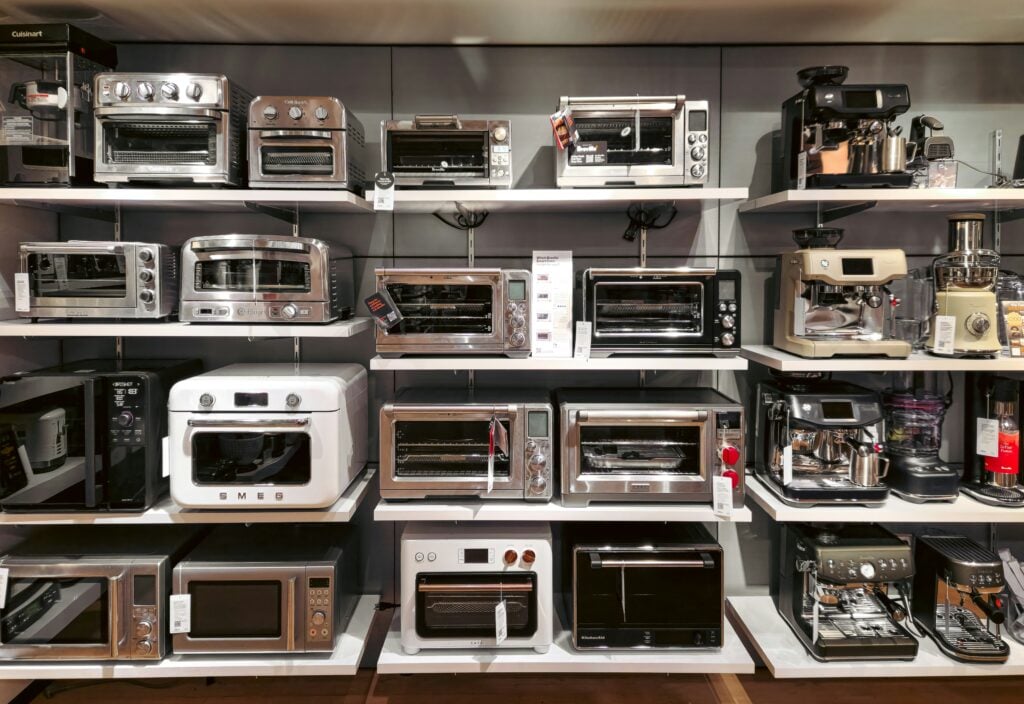
A more efficient appliance can be worth paying more for when you use it frequently and keep it for several years.
Consider two refrigerators of a similar size. One may cost less to buy but use more electricity every day. The other may cost more upfront but use less electricity throughout its working life.
Instead of looking only at the purchase price, ask:
"How much electricity will this appliance use while I own it?"
Does a 5-star appliance always lower your electricity bill?
No. An efficient appliance can still use a lot of electricity if it runs for too long.
A 5-star air conditioner that runs unnecessarily for most of the day can still add substantial electricity consumption.
A large refrigerator can also use more electricity than your household needs, even if it has a good efficiency rating. The best results come from combining an efficient appliance, the right appliance size, and sensible usage habits.
FAQ
What does a 5-star energy rating mean in Malaysia?
A 5-star rating represents a high level of energy efficiency under the applicable rating system. TNB describes 5 stars as the most efficient rating on its consumer Energy Efficiency Label guide.
Is 4-star or 5-star better for saving electricity?
A 5-star model has a higher energy-efficiency rating. However, compare appliances with a similar size, capacity, and function before choosing.
What does MEPS mean in Malaysia?
MEPS means Minimum Energy Performance Standards. ST's August 2026 guideline states that energy-using products covered by the guideline must meet a minimum 2-star MEPS rating.
Is the ST Energy Efficiency Label the same as electrical safety approval?
No. Energy-efficiency requirements and electrical safety approval serve different purposes. ST explains that the Certificate of Energy Efficiency confirms that a product meets energy-efficiency requirements, while the Certificate of Approval relates to electrical safety requirements.
Which appliance should I replace first to save electricity?
Check appliances that run for long hours or use substantial electricity first. Air conditioners, refrigerators, and freezers are useful places to compare efficiency.
Do old appliances use more electricity?
Not always. Age alone does not show how much electricity an appliance uses. Check its condition, capacity, efficiency, and electricity consumption before deciding to replace it.
Can energy-efficient appliances reduce my TNB bill?
Energy-efficient appliances can reduce the number of kWh your household uses. Your final bill still depends on how much electricity you consume and the applicable electricity charges.
Last updated: 3 October 2026
This article is sponsored by Tenaga Nasional Berhad.
