Is The Philippines The Most LGBT Friendly Country In Asia?
Are we accepting or is it just tolerance?


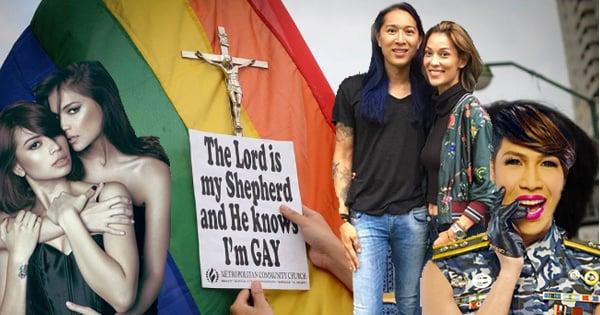 Cover image via The Rich Man's Daughter & Joey Mead Instagram & ABS-CBN
After a successful Manila Pride, it's evident that Manila is moving forward… or is it?

Metro Manila Pride started gay activism back in 1994. During that time, they only had about 60 members. During Manila Pride 2016, they had over 5000. It was such a success!
The Philippines has been dubbed many times as the "Most Gay-Friendly Country In Asia"
In an article by Inquirer, it was not just in Asia but worldwide.
"Despite its religiosity, the Philippines is one of the countries in the world where the level of public "acceptance" of homosexuals is high, according to the results of the survey."
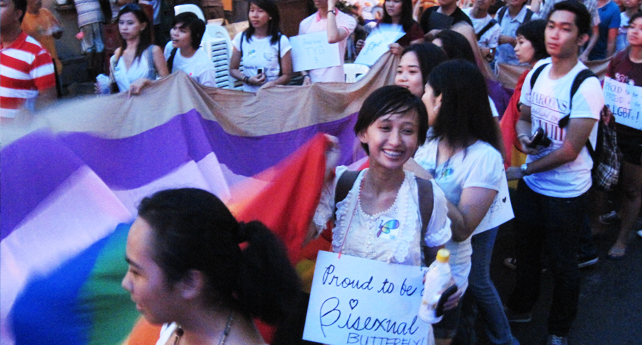
Image via Outrage Magazine
If we compare the Philippines to other asian countries…
In Korea, some people still believe that being gay is a mental illness. In Malaysia and Indonesia it is illegal for gay couples to engage in sexual relationships. Their governments have active ways in finding out people's private lives.

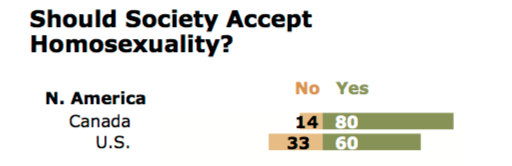
On a survey conducted by US-based Pew Research Center it shows that the Philippines has a high percentage of acceptance

The Philippines has a higher acceptance rate compared to the USA where gay marriage is legal
Whoa, there…
But what makes a place LGBT-friendly?
These are the places, policies, people or institutions that are open and welcoming to gay people (to include all members of the LGBTQ community) to create an environment that is supportive of gay people and their relationships, respectful of all people, treat all people equally, and are non-judgmental.
Although being LGBT-accepting cannot be judged by social attitudes but through legislation.
If it is "social acceptance" that we are basing this on, there's no doubt about it that the Philippines would be top of any survey
Just recently, hotelier Ian King came out to the public as a transgender woman and she has been overwhelmed with the amount of support that she is getting from society.
Her wife supermodel Joey Mead is the front runner of support for Ian, who is now known as Angelina King.
Angelina's friends and family also showed their support publicly through their social media accounts
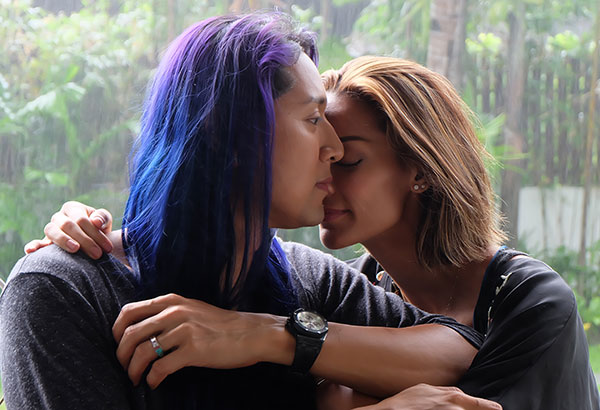
Image via Javi Martinez
Tim Yap narrates on his column on the Philippine Star:"The overwhelming outpour of support for the non-conventional wife-and-wife couple was something they didn't expect. "I thought this was going to be a bad dream, but it isn't." People encouraged Angie to celebrate her true self and admired Joey for her strength and capacity to love unconditionally in a world where it is easier to just quit.
It was truly a celebration of unconditional love.
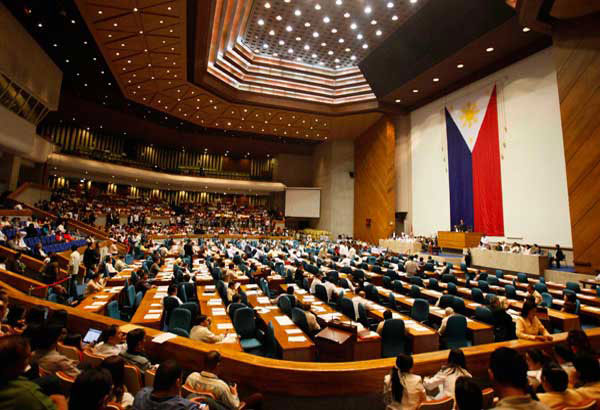
Although gay-marriage is not legal in the Philippines we have other laws and ordinances that protect the rights of the LGBT community
The Anti-Discriminatory Law that was passed in Congress. According to this Act, you cannot be discriminated upon in a general sense. Regardless if you're a woman, what religion you practice or what sexual orientation you define yourself as. Meaning if your boss fires you because you are gay or a woman, that is against the law and you can file for a case to protect your right as a citizen.
But some people in the LGBT community do not agree with the dubbing of the Philippines as "Gay Friendly." Some say we are merely tolerating gays and not accepting them.
In an article by Peter Dela Cruz in Outrage Magazine (an LGBT magazine), he says that:
"I only see tolerance of a certain amount of the "gay culture." So what kind of gayness do Pinoys tolerate? Filipinos like gay folks who live by their established stereotypes. Vice Ganda-esque sort of gayness, that's what people like. If you're gay, you have to be funny and you should work as a make-up artist or a fashion designer. If you work in the military or play with a sports team, you're going to create a lot of fuss, so just stay in the closet if you do."
A quote from Ron De Vera (of the International Day Against Homophobia, Biphobia, and Transphobia)
"The moment that we step out and demand rights that heterosexuals enjoy, we become a threat because we no longer fit the stereotype."
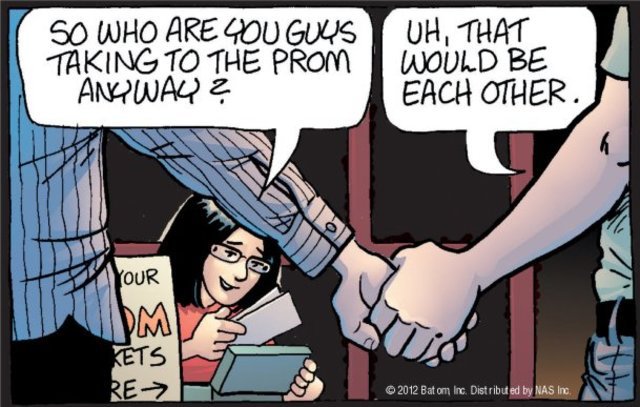
IMHO, the Philippines is not accepting but not tolerating as well.
We were gifted as a nation to be very accepting, supportive and understanding. We were gifted with open mindedness but it will never be stretched out to its true potential if we don't exercise it.
Educating our society on not just accepting the LGBT community but WHY is the most important thing. Only then can we fully say that the Philippines is a truly an LGBT-friendly place.