
China’s New Maglev Train Can Travel At 650KM An Hour — Almost As Fast As Planes
The new train also comes equipped with a fully automated driving function.


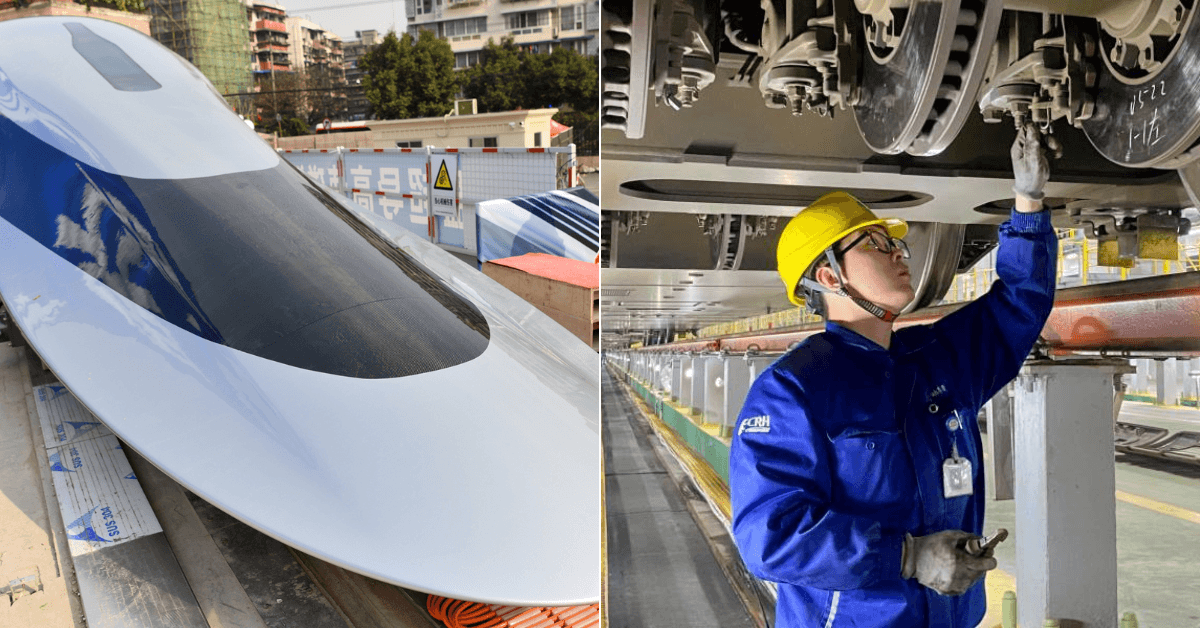 Cover image via
 Follow us on Instagram, TikTok, and WhatsApp for the latest stories and breaking news.
China has tested a new magnetic-levitation (maglev) train that is as fast as, if not faster than, commercial planes
According to the South China Morning Post, the new train, which was tested at Donghu Laboratory in Hubei Province, reached a speed of 404 miles (650km) per hour over a 600m distance — all under seven seconds.
This comes after a previous test last year, which saw the train reaching a top speed of 620 miles, or 998km, an hour.
For comparison, commercial jet liners typically fly at a speed of between 880 and 926km an hour.
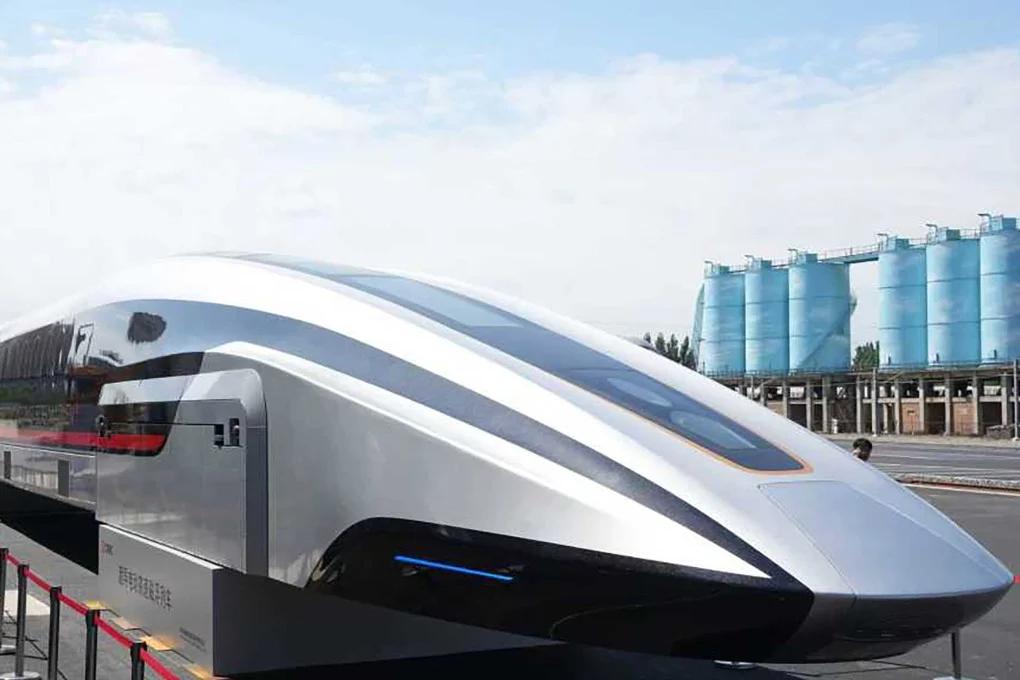
The new maglev train made its public debut at the 17th China International Modern Railway Technology and Equipment Exhibition in Beijing last week
Weighing 1.1 tonnes, the train was developed by the China Railway Rolling Stock Corporation (CCRC) and is expected to drastically reduce travel times in China's burgeoning high-speed rail network.

Unlike conventional train tests, which require long-distance tracks, the new track used for this test utilises a short-distance acceleration method to calculate its speed, which involves very precise speed and positioning measurements.
The new train is expected to have the capability to travel from Shanghai to Beijing — a distance of 1,208km — in two and a half to three hours.
Current Chinese bullet trains in service take approximately four and a half to six hours to complete a journey from Shanghai to Beijing.
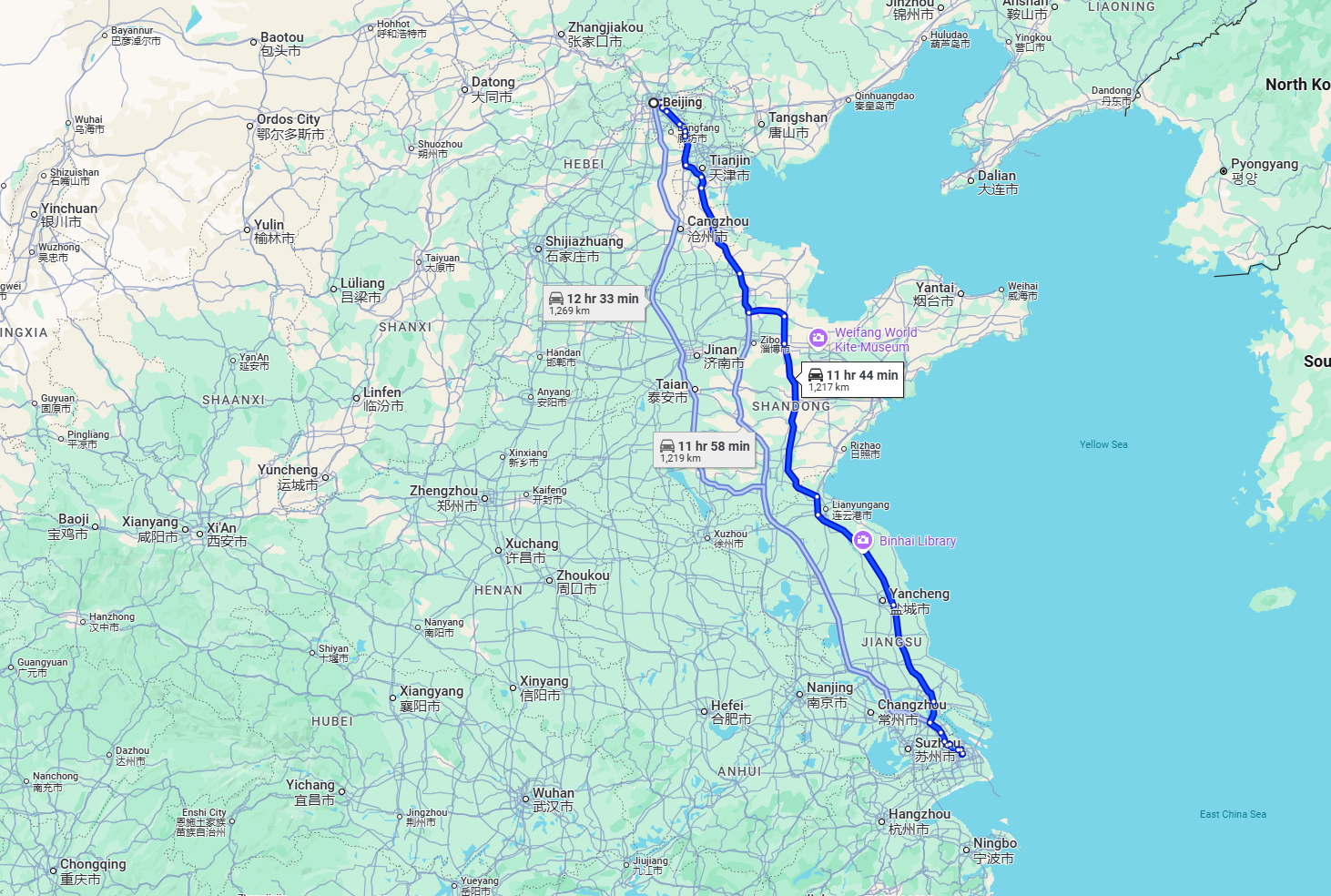
The distance from Beijing to Shanghai.
Image via Google MapsThe first phase of engineering was completed in July last year, but more tests will be conducted before the new train is cleared for commercial use.
This particular model comes with a fully automated driving function, which requires the integration of technologies such as 5G communication, AI video capture, acoustic sensing, and the deployment of sensors along the line.
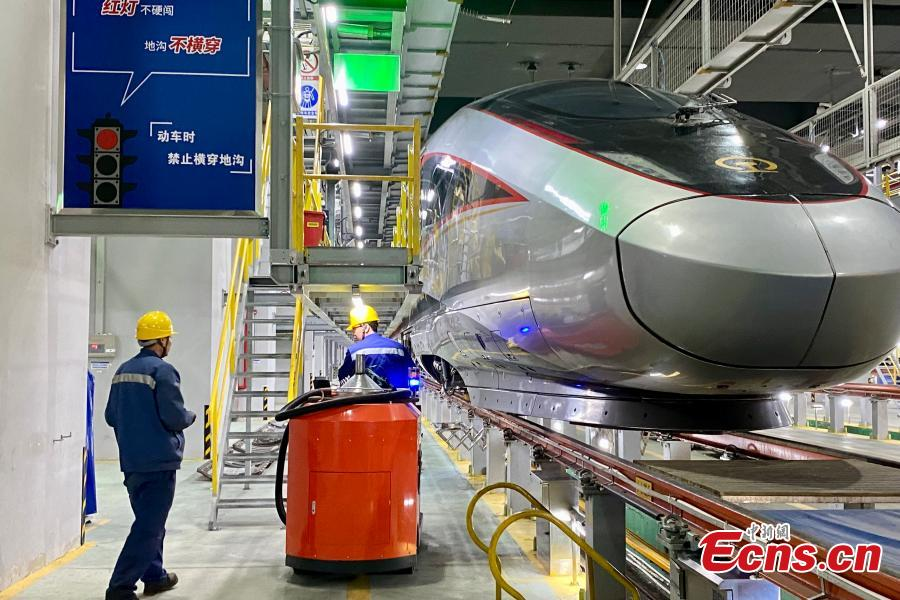
A bullet train under maintenance.
Image via China News Service/People's Daily OnlineHow does magnetic levitation technology work?
A combination of electromagnetic propulsion, opposing magnetic fields, and suspension systems allows the train to levitate above the track, thus eliminating friction.
The result is a smoother, quieter train that is faster than ever. Low-pressure vacuum tubes now enable even higher speeds, and AI-guided suspension systems help address the problem of intense vibrations at such velocities, which can be uncomfortable for passengers.
However, there are still many challenges facing the construction of these technologically advanced trains — for example, the intensely high construction costs, which would include advanced technologies such as superconducting magnets and separate track infrastructures for both the maglev and hyperloop systems.
First used in Japan in 2005, high-speed maglev systems are currently used only in China, Japan, and South Korea. China in particular boasts the world's longest commercial maglev line, which runs from Beijing to Pudong International Airport, at around 1,250km.
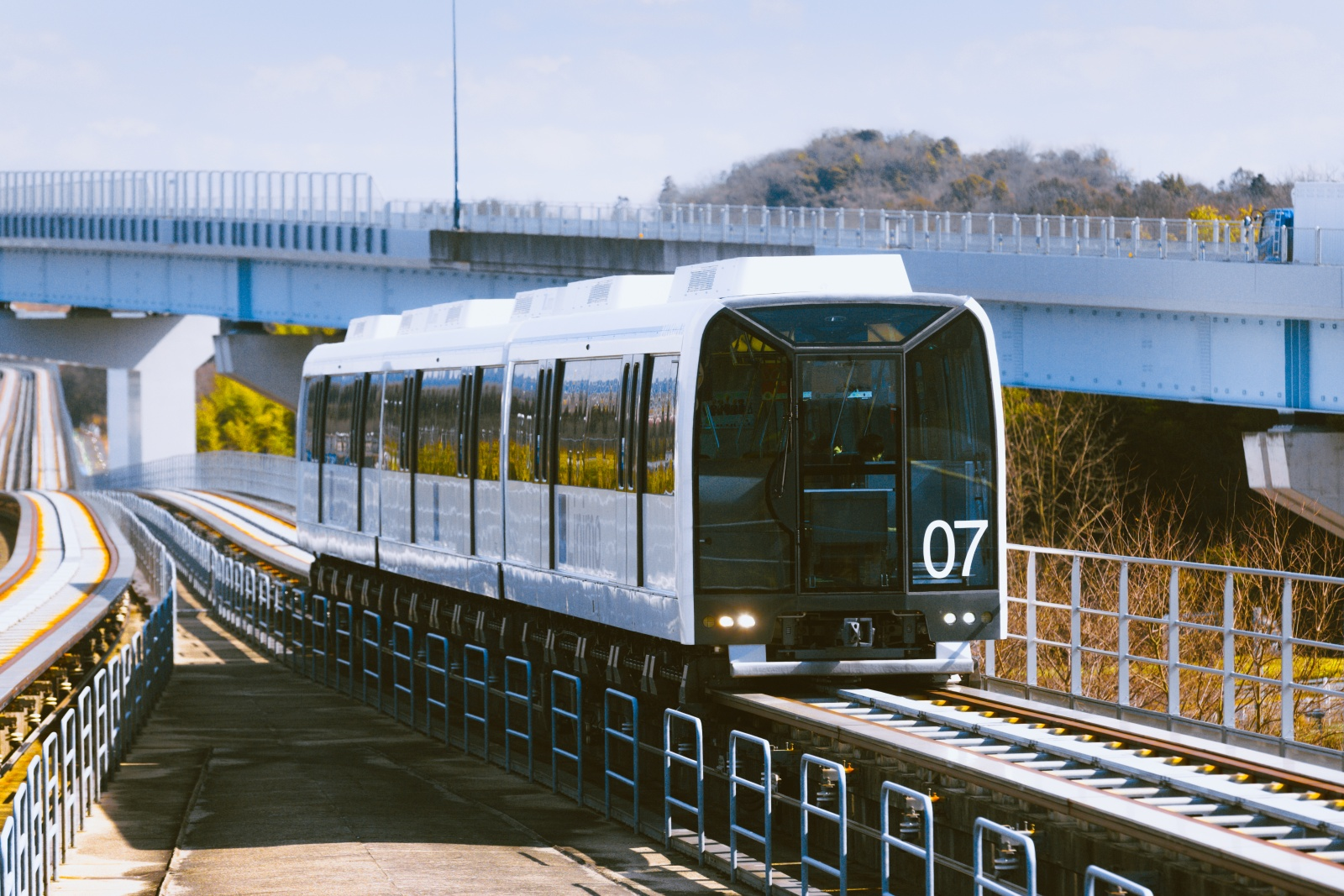
The first maglev train deployed, the Linimo.
Image via maglev.net