Malaysia Proposes New Gaming Rules Covering Loot Boxes, In-Game Purchases And Child Safety
Malaysia is considering new gaming standards covering age checks, parental controls, virtual currencies, loot boxes, online abuse, and safeguards for younger players.


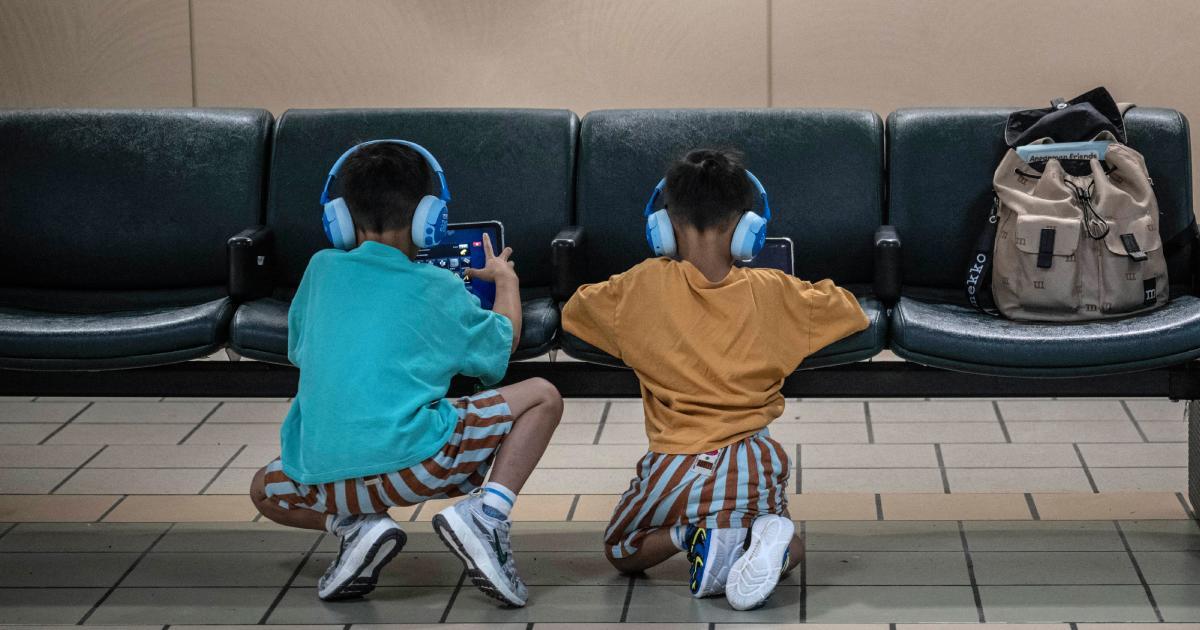 Cover image via Yuichi Yamazaki/AFP
Follow us on Instagram, TikTok, and WhatsApp for the latest stories and breaking news.
A child can now spend real money, interact with strangers, and compete with players around the world without ever leaving a game
With gaming increasingly combining entertainment, social interaction, and digital commerce, Malaysia is now looking at clearer standards for how players, particularly children and younger users, should be protected.
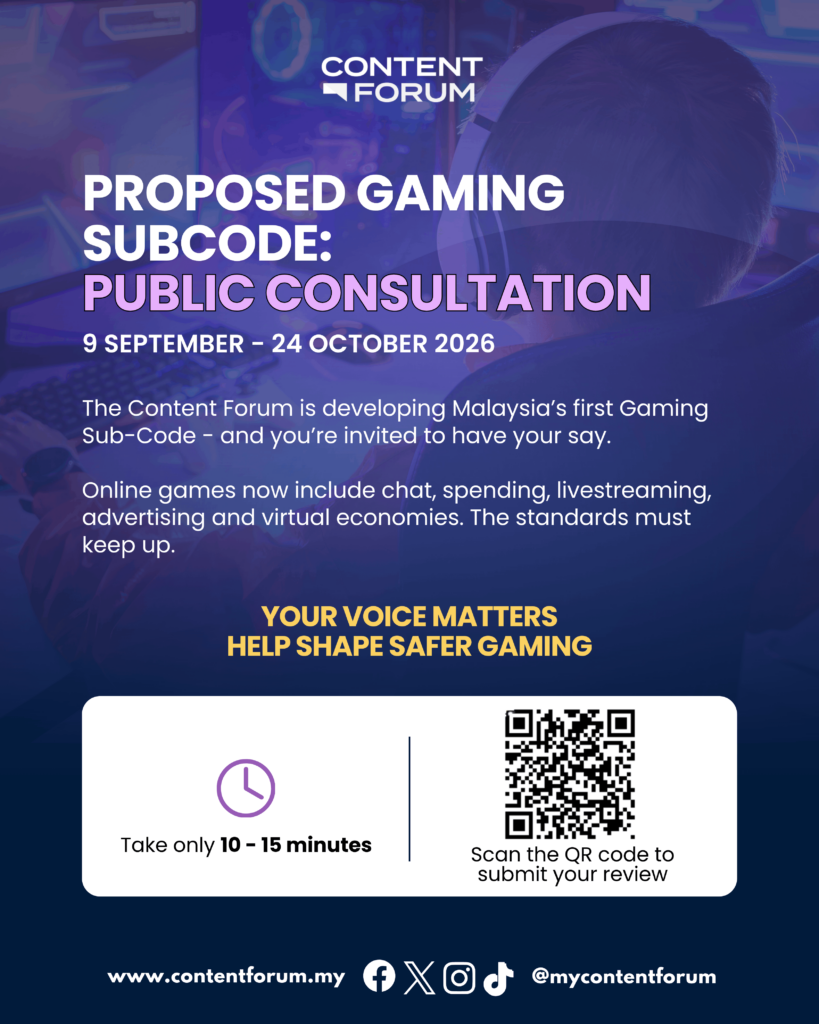
The Communications and Multimedia Content Forum of Malaysia (CMCF) has opened a 45-day nationwide public consultation on its proposed Gaming Sub-Code, which sets out sector-specific standards for games and gaming services accessible in Malaysia.
The consultation is open until 24 October 2026.
Loot boxes, gacha, and in-game spending
One of the areas covered by the proposed standards is how games handle spending, including in-game purchases and virtual currencies.
The draft also looks at the transparency of chance-based mechanics such as loot boxes and gacha, which can require players to spend money for a chance of receiving a particular virtual item or reward.
CMCF said the consultation will consider how spending and virtual currencies are presented to younger users, as well as whether players receive sufficient information about these mechanics.
The proposed Sub-Code also looks at whether age information should affect a player's experience within a game.
More safeguards for younger players
Child safety is another major focus of the proposed standards.
The draft covers age classification and age assurance, as well as parental controls and other safety tools available to families.
It also considers how platforms should respond to bullying, harassment, harmful interactions and user-generated content.
Andrew Cheong, also known as Sir Cloud, a Malaysian esports educator and industry practitioner who was part of the working group, said younger players may understand games well without necessarily understanding the spending systems built into them.
"Young gamers may understand the game better than their parents, but they do not always understand the spending mechanics behind it."
He said clearer information about loot boxes, virtual currencies and in-game purchases could help both players and parents make better decisions.

Andrew Cheong (Sir Cloud), a Malaysian esports educator, industry practitioner and member of the working group.
Image via Communications and Multimedia Content Forum of MalaysiaYounger esports players also covered
The proposed Sub-Code is not limited to people playing games casually at home.
CMCF said the draft also considers the rapidly developing esports ecosystem, including safeguards for children and younger players participating in organised competitive gaming.
Ahmed Faris Amir, CEO of Impact Integrated, said Malaysia's esports scene is growing rapidly among younger players.
"It makes sense to put clearer safeguards in place now, while the sector is still evolving, rather than waiting for poor practices to become entrenched."
The gaming industry is involved in drafting the standards
CMCF said the proposed Sub-Code was developed with the gaming ecosystem rather than solely for it.
Over several months, the forum convened a working group comprising Malaysian and international game publishers and technology companies, esports representatives, academics, civil society organisations, child-safety advocates, and other specialists.
The participants included representatives connected to major gaming ecosystems and platforms, including Mobile Legends: Bang Bang, PUBG Mobile, Honor of Kings, Roblox, Xbox, PlayStation, Google Play Store, and Minecraft.
The working group also included Malaysian game developers, esports stakeholders, academics and child-safety organisations, including the Office of the Children's Commissioner, SUHAKAM, and Protect and Save the Children.
Jeffery Chan, Publishing Lead for Business Development & Campus Marketing (Malaysia) at Moonton Games and a member of the working group, said player safety standards should reflect how people actually use and interact with gaming communities.
"Player safety works best when it reflects how people actually play, interact and engage within gaming communities."
As the publisher of Mobile Legends: Bang Bang, Moonton Games has experience dealing with a large and diverse player community in Malaysia and across the region.

Jeffery Chan, Publishing Lead, Business Development & Campus Marketing (Malaysia) of Moonton Games and a member of the working group.
Image via Communications and Multimedia Content Forum of MalaysiaCMCF says standards need to keep pace with gaming
CMCF chairman Datuk Rafiq Razali said the boundaries between entertainment, social interaction and spending are becoming increasingly blurred within games.
"Gaming now brings together entertainment, social interaction and spending in the same environment. As those features evolve, the safeguards around them need to keep pace, especially for younger players."
He said involving developers, publishers, platforms, esports stakeholders and child-safety experts in developing the standards was intended to make them practical for both users and the industry.
"Good standards cannot be developed in isolation from how games actually work."
The proposed Gaming Sub-Code is being developed under CMCF's self-regulatory framework and is intended to operate alongside the Malaysian Communications and Multimedia Content Code and other applicable Malaysian laws and regulatory requirements.

CMCF Chairman Datuk Rafiq Razali.
Image via Communications and Multimedia Content Forum of MalaysiaMalaysians can submit feedback
The Gaming Sub-Code has not been finalised yet. CMCF is currently seeking public feedback before deciding on the final version.
Gamers, parents, publishers, consumer groups, civil society organisations, and other interested members of the public can review the draft and submit their feedback during the 45-day consultation period.
The consultation closes on 24 October 2026.
People who want a more detailed walkthrough of the proposed Sub-Code and consultation can also contact CMCF to arrange a dedicated town hall session.
Following the consultation, CMCF said it will review and consolidate the submissions received before finalising the Gaming Sub-Code.