
Here Are The Tax Rules Every Malaysian TCG Collector Should Know
Think flipping Pokémon trading cards is free? LHDN may think otherwise.


 Cover image via
 Follow us on Instagram, TikTok, and WhatsApp for the latest stories and breaking news.
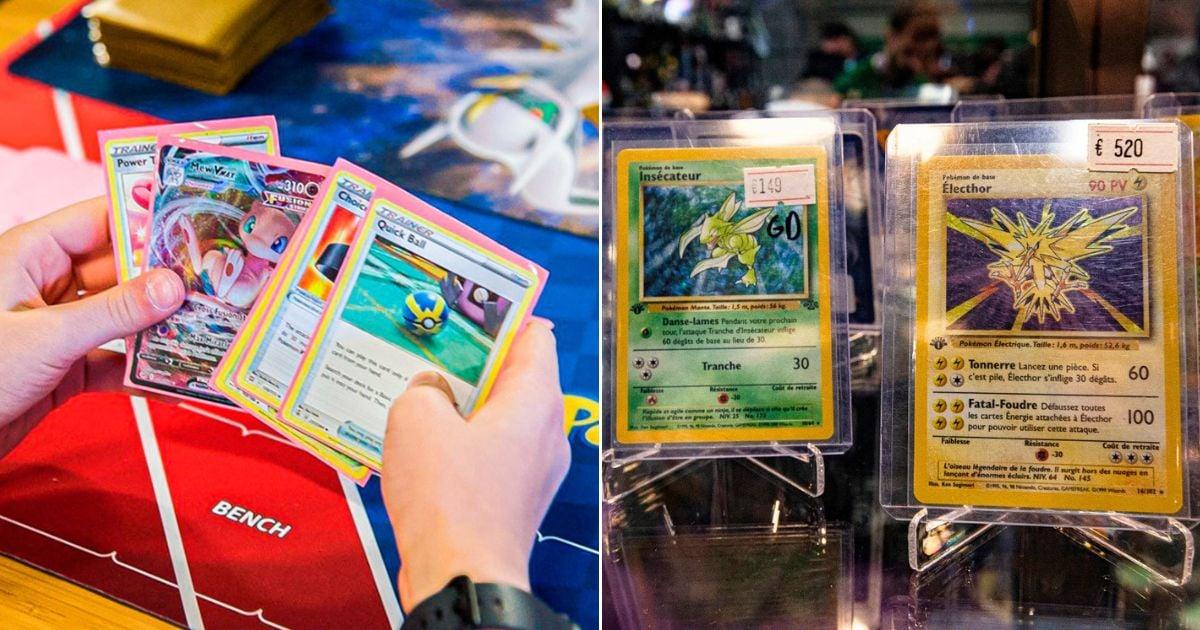
Whether you're hunting for a shiny Pokémon card, building a competitive Yu-Gi-Oh! deck, or flipping One Piece cards for a quick profit, the trading card game (TCG) scene is increasingly attracting the attention of the Customs Department and the Inland Revenue Board (LHDN)
With some individual cards fetching thousands of ringgit, authorities are paying closer attention to the local TCG community.
To help you stay on the right side of the law, here is a complete breakdown of what is taxable, what isn't, and key rules every collector, trader, and seller should know.
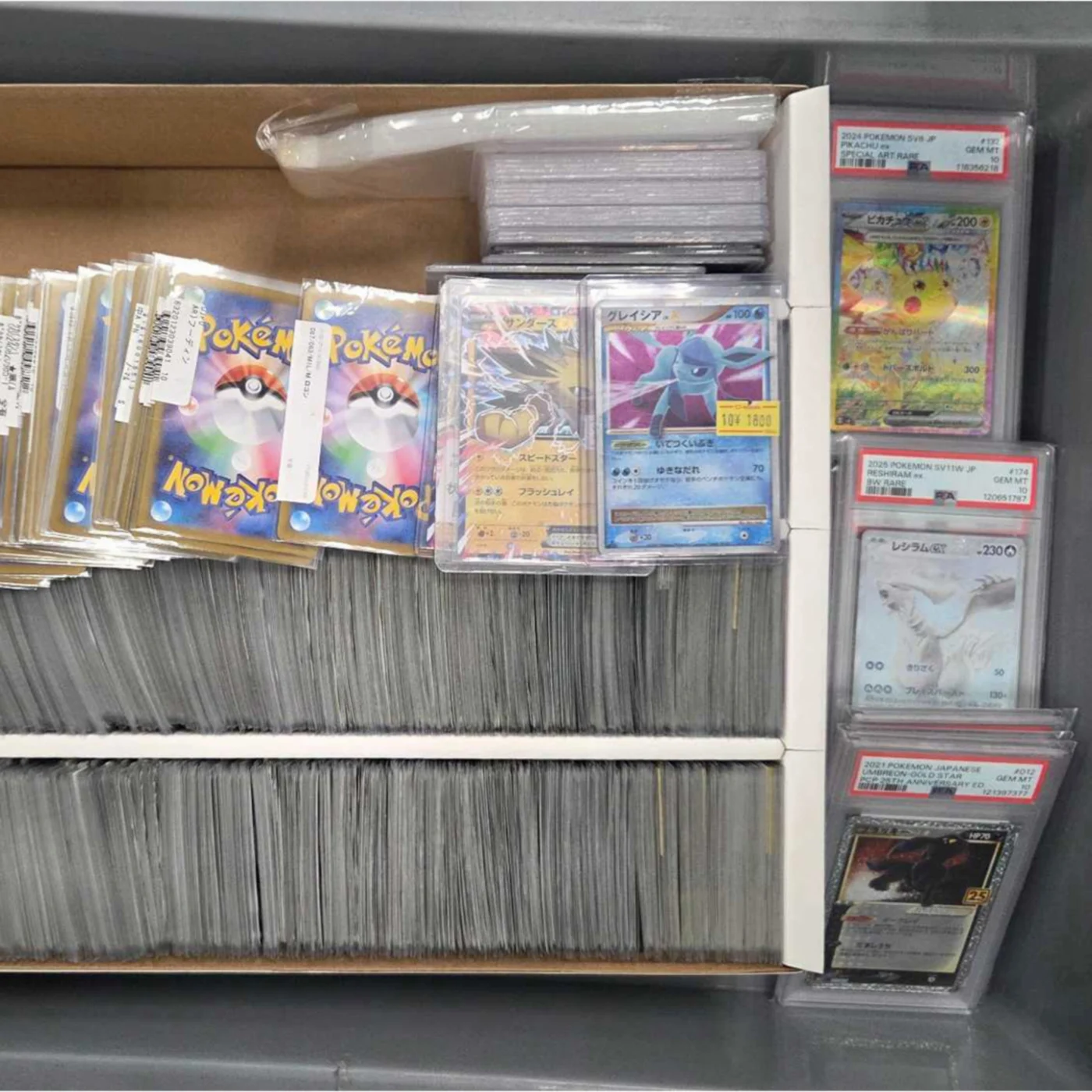
If you're travelling overseas for a card tournament or shopping trip, you need to be aware of the Customs Act and Customs Regulations 2019
Under the Customs Duties Order 2025, trading cards are legally classified as 'playing cards' under tariff code 9504 40 0000.
According to The Star, Customs Duties (Exemption) Order 2017 grants travellers a duty-free exemption for trading cards valued at up to RM1,000.
If the value of the cards purchased abroad exceeds this threshold, an ad valorem (value-based) duty of 10% will be imposed. Excise duties may also be imposed on playing cards worth more than RM1,000.
If you take your prized personal collection out of Malaysia for an overseas tournament and intend to bring it back, you won't be charged duties, provided the cards are declared to Customs before departure.
According to the authorities, moving cards out of Malaysia is legally considered an export activity. Declaring them beforehand creates an official Customs record showing that the cards originated in Malaysia, protecting you from being taxed when you return.
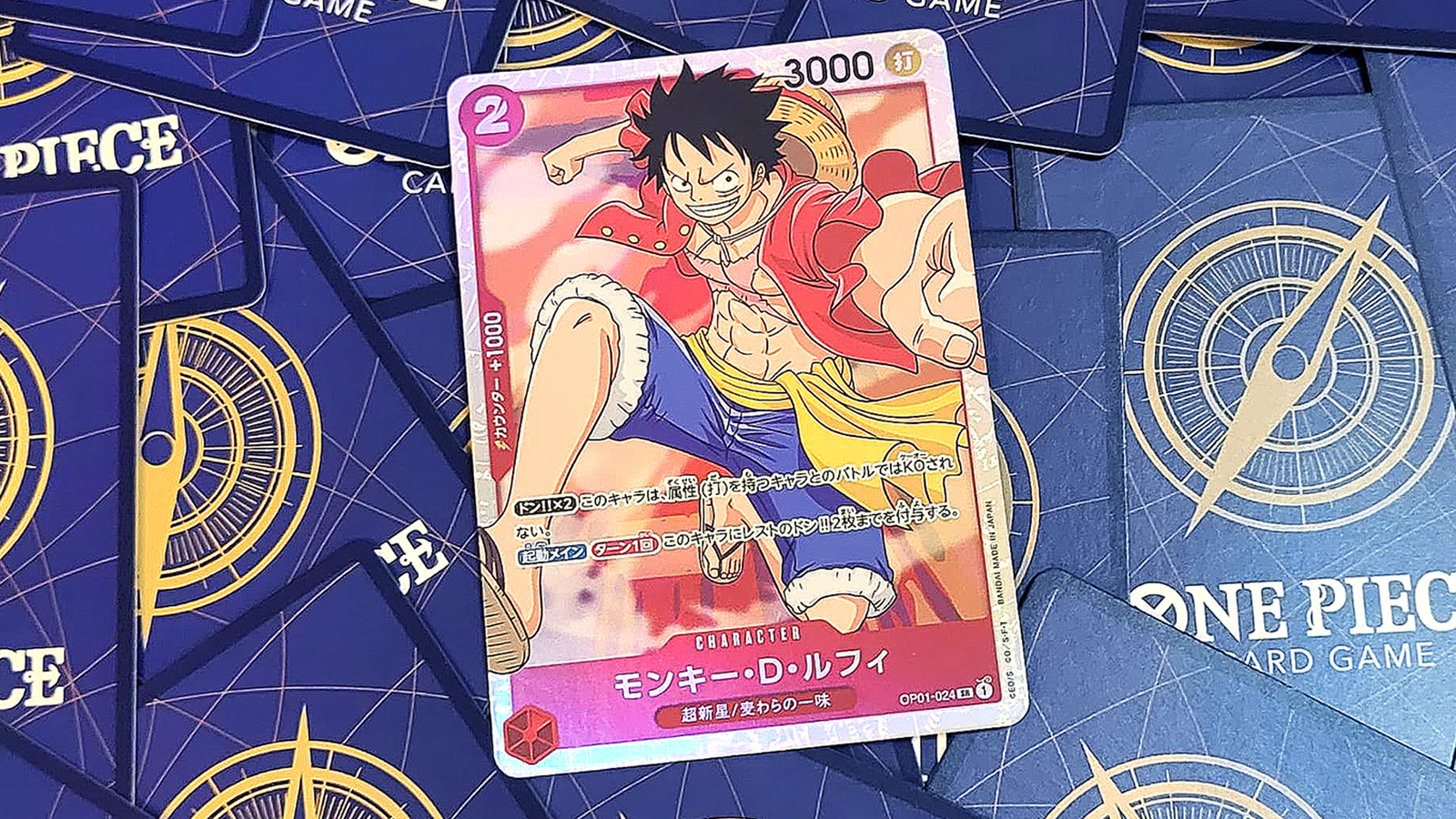
With card collecting turning into a lucrative venture, LHDN is actively conducting audits to clarify the tax status of card transactions
Under Section 3 and Paragraph 4(a) of the Income Tax Act (ITA), taxable income includes earnings "accruing in or derived from Malaysia" as well as income "received in Malaysia from outside Malaysia."
If your card-flipping activities are carried out in a manner that indicates a profit-making or business activity (similar to stock trading), your profits will be treated as business income under paragraph 4(a).
LHDN also clarified to The Star that there is a common misconception that the board only targets exorbitant profits. In reality, there is no minimum profit threshold. Taxability depends entirely on the nature of the activity, meaning even small profits are taxable if the activity is deemed to be a business.
LHDN is also keeping a close eye on social media influencers who flaunt their TCG profits online, including income from trading, commissions, sponsorships, and promotional activities.
To determine if your trading card game hobby has crossed the line into a business, LHDN uses a framework called the 'Badges of Trade'
The mechanism evaluates:
- High frequency and volume of transactions.
- Short holding periods (buying and immediately reselling).
- Large bulk purchases and a high level of organisation (such as systematic buying and selling using specific platforms).
- A clear intention to make a profit rather than maintain a personal collection.
For regular trading card game collectors who occasionally sell off a card from their personal collection without a profit motive or regular structure, LHDN said those transactions are generally not taxable.
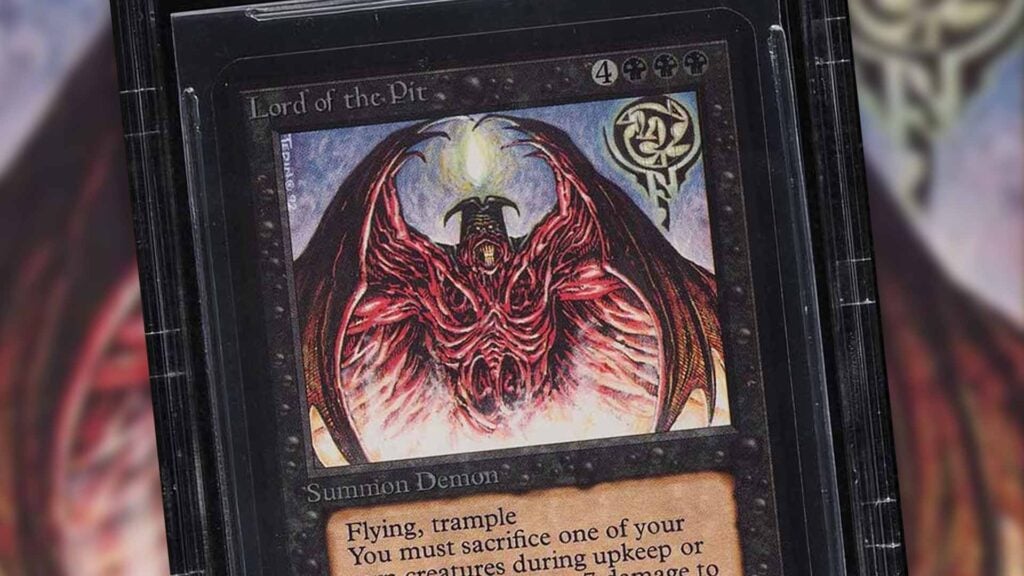
To keep your hobby stress-free and avoid triggering an LHDN audit make sure to follow these best practices
- Keep All Supporting Documents: Always maintain proper documentation, including invoices, purchase receipts, and records of sales and purchases to facilitate duty and tax assessments.
- Hit the Customs Desk Before You Fly: Always declare high-value decks before leaving the country for tournaments to secure an official record. You can also check out the Custom Department's Travel Guide for more info.
- Self-Assess Your Activities: Honestly evaluate whether your trading habits remain a hobby or have evolved into a business. When in doubt, seek professional advice to ensure you stay compliant.
As long as you stay compliant, you can keep playing without any issues.
