
Malaysia Aims To Deploy 30,000 EV Chargers Nationwide By 2030
Malaysia's EV adoption rate is growing by the day, and this is a step in the right direction.


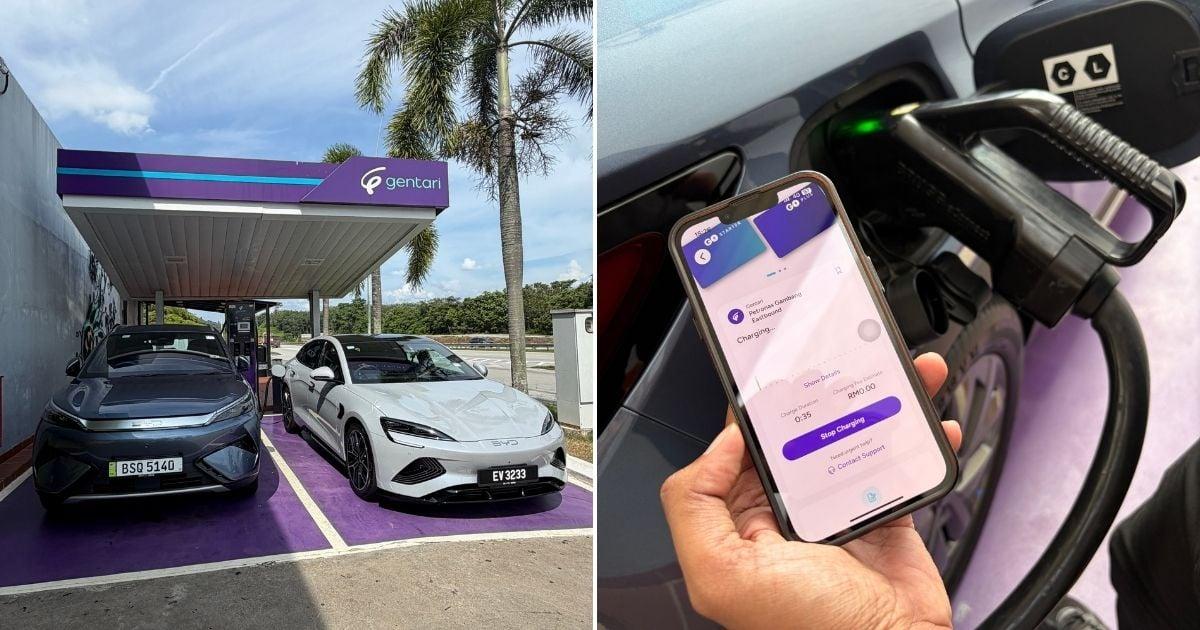 Cover image via Syazwan Bahri/SAYS
Follow us on Instagram, TikTok, and WhatsApp for the latest stories and breaking news.
The Malaysian government is recalibrating its policy frameworks and financial incentives to rapidly scale up electric vehicle (EV) charging infrastructure nationwide, setting an ambitious target of 30,000 charging facilities by 2030
Speaking during a Dewan Rakyat sitting on Wednesday, 8 July, Deputy Investment, Trade, and Industry Minister Sim Tze Tzin acknowledged the pressing shortage of charging points across the country while outlining strategic measures to accelerate the ecosystem's expansion, according to the New Straits Times.
Because high-powered Direct Current (DC) fast chargers require substantial electrical capacity, a central pillar of the initiative involves close collaboration with utility provider Tenaga Nasional Bhd (TNB) to construct dedicated power substations.
Sim explained that expanding the charging footprint is fundamentally linked to grid infrastructure; without adequate substations to supply high-voltage direct current, operators cannot set up fast-charging terminals. To make these capital-intensive projects financially viable, the government is formulating targeted incentive packages specifically tailored for private Charging Point Operators (CPOs).
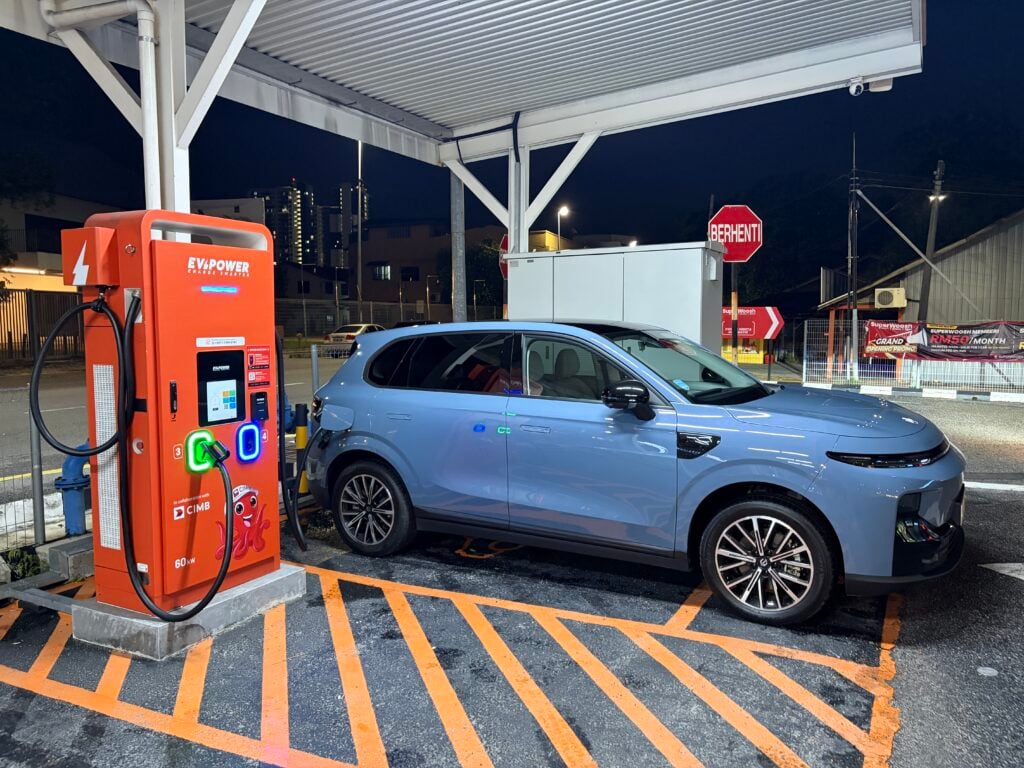
Image used for illustration purposes only.
Image via Syazwan Bahri/SAYSThe minister was responding to concerns raised by Kubang Pasu Member of Parliament Datuk Dr Ku Abdul Rahman Ku Ismail, who urged authorities to press EV companies into taking a more active role in infrastructure development
Ku Abdul Rahman emphasised the need to expand facilities beyond major metropolitan hubs, such as Kuala Lumpur and Penang, to smaller towns like Sungai Petani and Alor Setar.
He further suggested working with the Public Works Department and the Housing and Local Government Ministry to mandate charger installations in high-rise residential developments, ensuring apartment and condominium dwellers are not excluded from EV ownership.
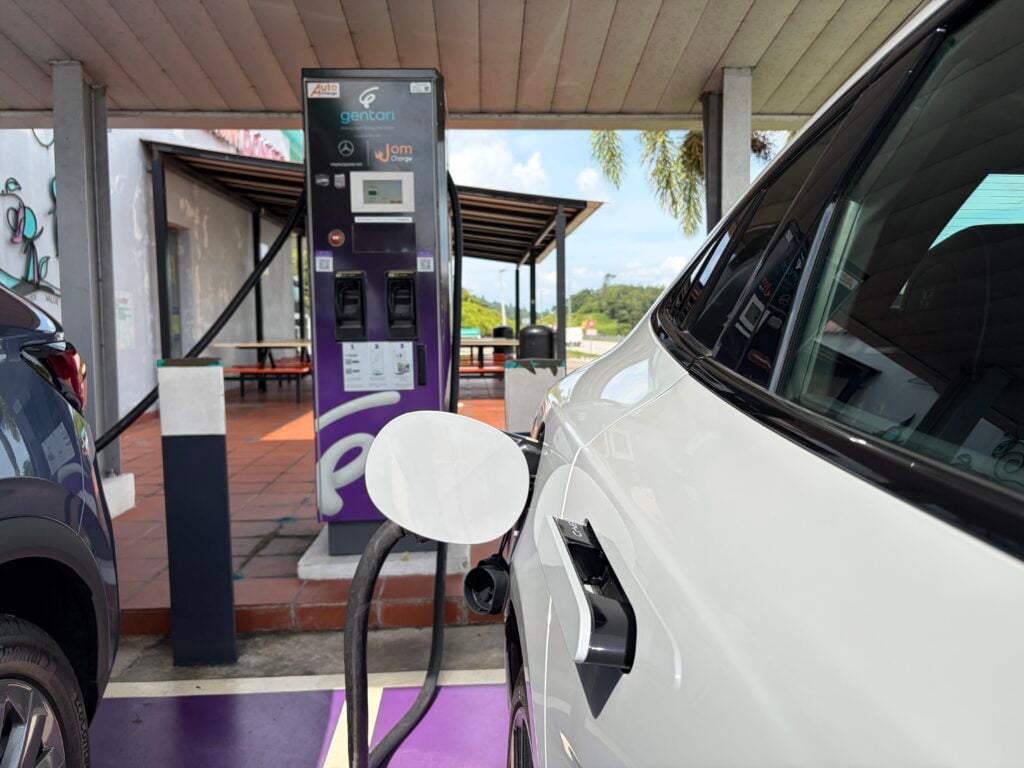
Image used for illustration purposes only.
Image via Syazwan Bahri/SAYSAddressing broader regulatory distinctions, Sim highlighted that internal combustion engine (ICE) vehicles and electric vehicles operate under separate frameworks to reflect their differing stages of industrial maturity
While completely built-up (CBU) ICE imports face strict long-standing entry limits based on engine displacement, restricted primarily to models with engine capacities of 1,800cc and above, EV regulations must delicately balance rapid consumer adoption with the growth of local assembly operations, domestic supply chains, and the wider technological ecosystem.
Tax structures also illustrate this policy divergence sharply; electric vehicles currently enjoy a preferential excise duty rate of just 10%, whereas traditional petrol vehicles face significantly higher duties determined by engine displacement and local content levels. Because of this low tax rate, establishing precise import valuations remains critical for customs authorities.
The government has instituted a minimum Cost, Insurance, and Freight (CIF) threshold to prevent the under-declaration of import values on imported CBU electric vehicles, safeguarding state tax revenues while maintaining a fair marketplace.
