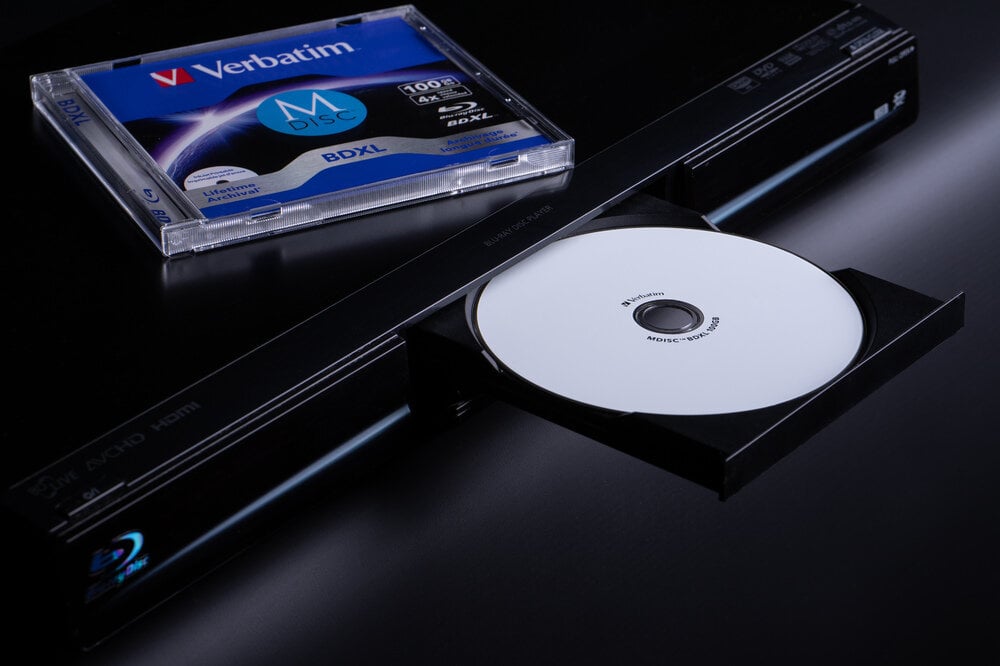
The CD Turns 43 This Year. Here Are 5 Facts You May Not Know About It
Fun fact: The very first Compact Disc to be manufactured at a factory in August 1982 was the album The Visitors by the Swedish pop group ABBA.


 Cover image via
 Follow us on Instagram, TikTok, and WhatsApp for the latest stories and breaking news.
The Compact Disc (CD) technology was first introduced commercially in 1982, making it 43 years old this year
Whether it's to install new software or copy data, you've likely seen or used one before.
Despite its age, the CD remains a fascinating piece of music and data history, having been a dominant force for decades.
Here are a few interesting facts that you might not know about the humble CD:
1. CDs hold data through pits and flat spots
A standard CD is crafted from polycarbonate plastic, which features a spiral track of microscopic pits and flat areas, known as lands. When a laser reads these pits, it translates them into the digital data that constitutes the music or other files stored on the disc.
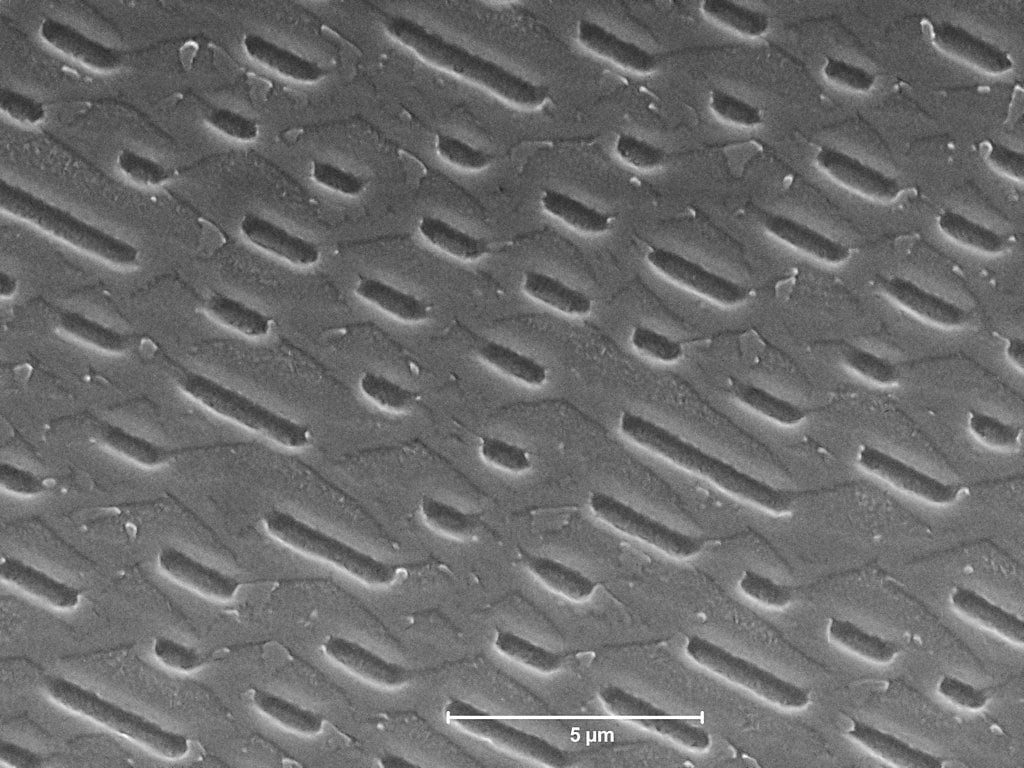
2. The data on a CD is embedded in a spiral track that is almost 6km long
The track of pits and lands that spirals the disc is precisely 5.66km long. Its high level of precision lends to its highly dense array of lands and pits, allowing users to store gigabytes of data on a compact piece of equipment.

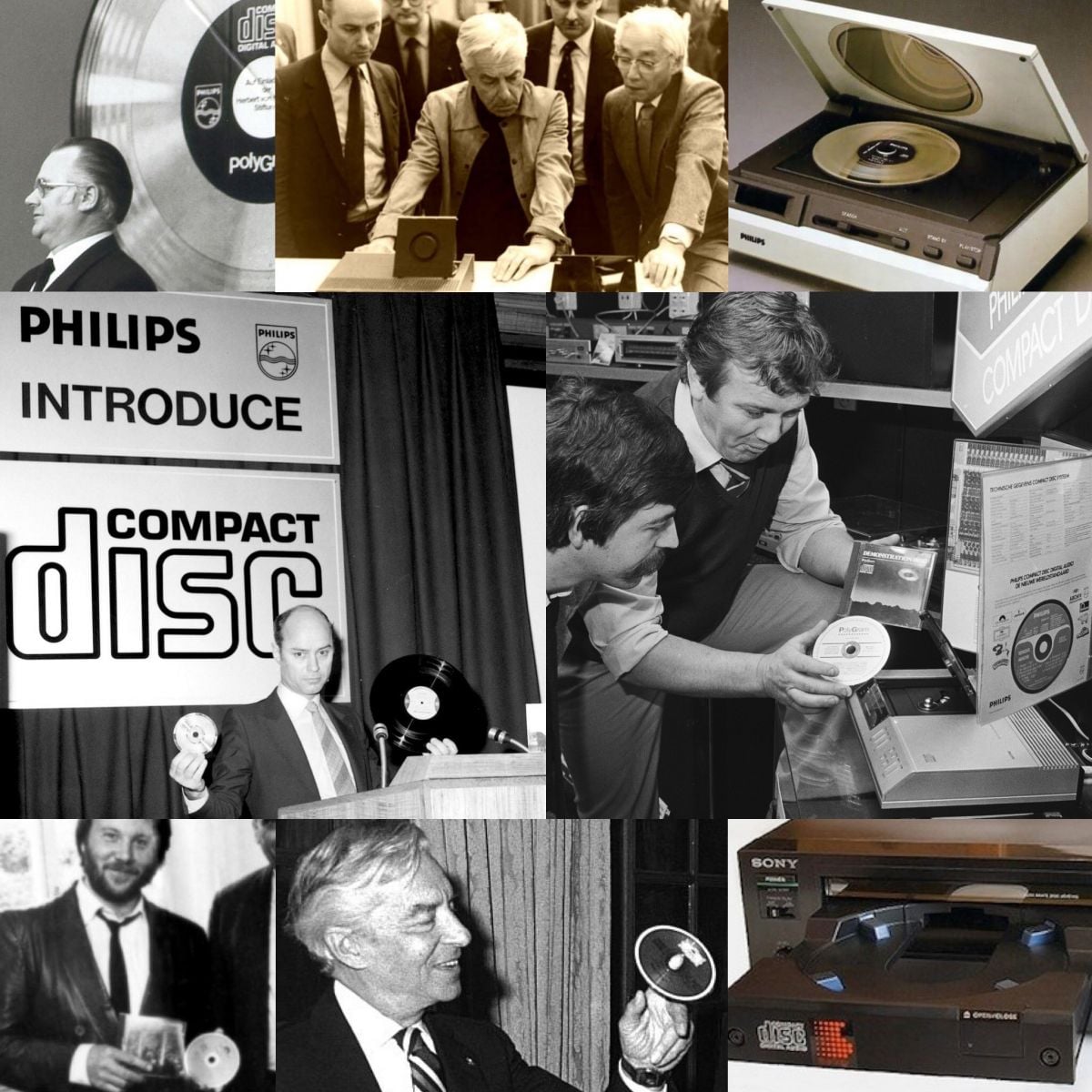
3. The CD was the result of a collaboration between two electronics giants, Philips of the Netherlands and Sony of Japan
The two companies formed a joint task force in 1979, intending to create a new digital audio disc.
However, the original concept of optical digital recording was actually pioneered by American inventor James Russell in the late 1960s. Following legal disputes, Sony and Philips ultimately licensed Russell's patents to proceed with the commercial development of the CD.
4. In 2000, over 2.4 billion CDs were sold worldwide
During its heyday, people needed CDs not only for entertainment, but also for data transfer, software installation, and more. However, digital piracy was unfortunately on the rise during this era and contributed to the loss of sales.

5. A single CD can last approximately a century
The estimated shelf life of a well-cared-for CD is about 100 years, making it a reliable format for long-term data storage. With proper care, it could last longer, especially CDs designed for archiving data.
But scratches and bad storing conditions may cause the disc to degrade and lose its stored data.