


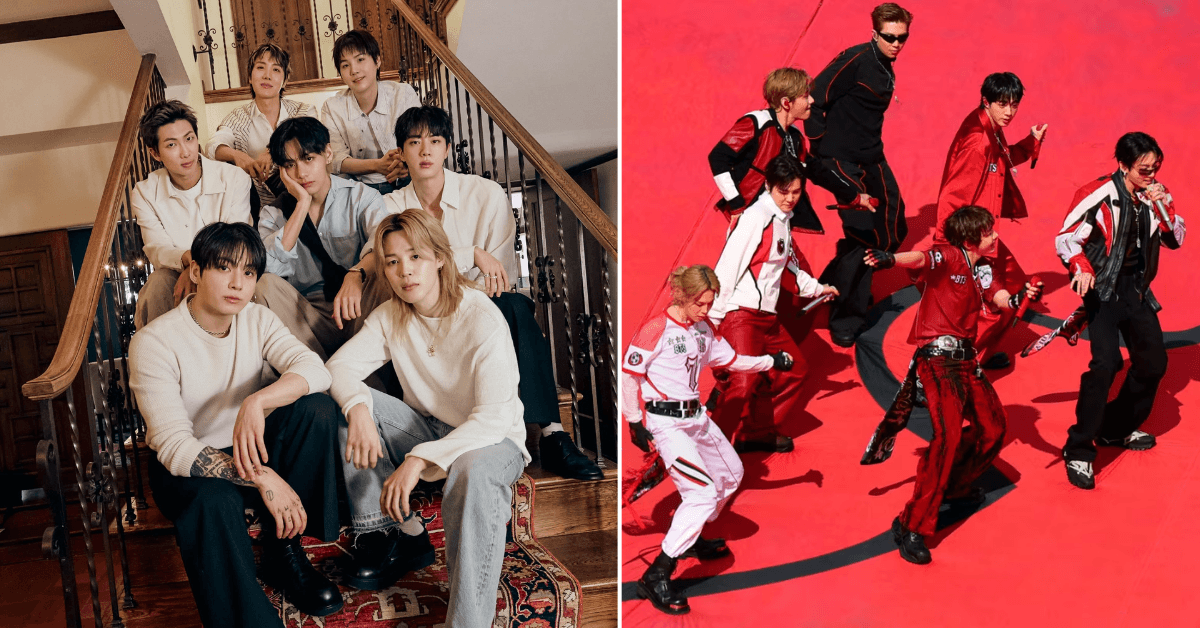
 Cover image via
 Follow us on Instagram, TikTok, and WhatsApp for the latest stories and breaking news.
Grammys CEO Harvey Mason Jr has officially responded to BTS' recent announcement that they will not be submitting their music for consideration at the 2027 Grammy Awards

The announcement came after the Recording Academy introduced a new Best Asian Pop Music Performance category, which has sparked debate within the music industry over whether it celebrates Asian artistes or separates them from the main awards.
On Wednesday, 29 July, BTS members RM, Jin, Suga, J-Hope, Jimin, V, and Jungkook posted identical statements to their individual Instagram accounts.
"We have decided not to enter the Grammys this year. I hope that music can be heard and loved for what it is, rather than being divided by region or language," the statement read.

Many fans had expected BTS to be among the frontrunners at the 2027 Grammys following the success of their comeback album Arirang.
The album has become one of the year's best-selling releases worldwide, while its lead single Swim topped the US charts, making it a strong contender for major categories like Song of the Year.
Instead, the group chose not to submit any of their music for Grammy consideration.
Although BTS has received multiple Grammy nominations over the years, including Best Pop Duo/Group Performance, the group has yet to win a Grammy.
Following BTS' announcement, Recording Academy CEO Harvey Mason Jr addressed the situation in a statement shared on Instagram
He said he was "saddened" by the group's decision but added that he respected their choice.
Mason Jr also explained that the new Best Asian Pop Music Performance category was created to highlight the "depth, diversity, and extraordinary growth" of Asian pop music, rather than segregate artistes.
According to him, adding more categories allows more musicians to be recognised by the Academy's 15,000 voting members.
He also clarified that submitting music to a genre-specific category does not prevent artistes from being considered for the Grammys' biggest awards, including Record of the Year, Album of the Year, and Song of the Year.
"Recognition in a genre category and recognition in the General Field are not mutually exclusive. An artiste can absolutely pursue both," he wrote, concluding that the organisation aims to continue listening to the global music community.
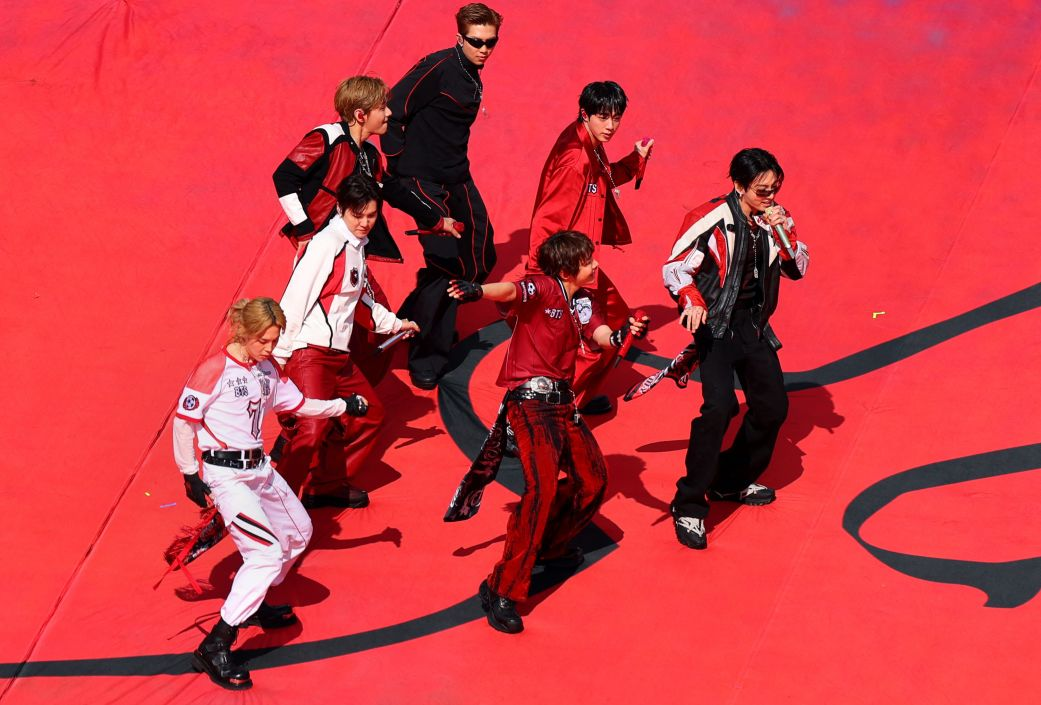
Since it was announced, the Best Asian Pop Music Performance category has received mixed reactions
Supporters say it's an overdue step towards recognising Asian artistes on one of music's biggest stages and giving them greater visibility within an awards show that has historically been dominated by Western acts.
Critics, however, argue that creating a separate category risks placing Asian musicians into their own lane instead of allowing them to compete equally in the ceremony's main awards.
Interestingly, BTS' latest music may not have qualified for the new category anyway.
The Recording Academy's rules require entries to feature a "meaningful use" of an Asian language. However, more than 80% of the lyrics on Arirang are in English, while Swim is sung entirely in English.
This language requirement has previously applied to other K-pop releases. For instance, KPop Demon Hunters' track Golden, which recently became the first K-pop song to win a Grammy (for Best Song Written for Visual Media), would have been excluded from the Asian Pop category due to its predominantly English lyrics.
BTS is not the first major act to step away from the Grammy submission process
In recent years, artistes such as The Weeknd, Drake, and Frank Ocean have publicly criticised or reportedly boycotted the ceremony, raising concerns over the Academy's voting process and how artistes are categorised.
While the Recording Academy says it remains committed to recognising artistes from around the world, BTS' decision has reignited conversations about representation, recognition, and whether global music should be separated by language or region at all.
