


 Cover image via
 Follow us on Instagram, TikTok, and WhatsApp for the latest stories and breaking news.
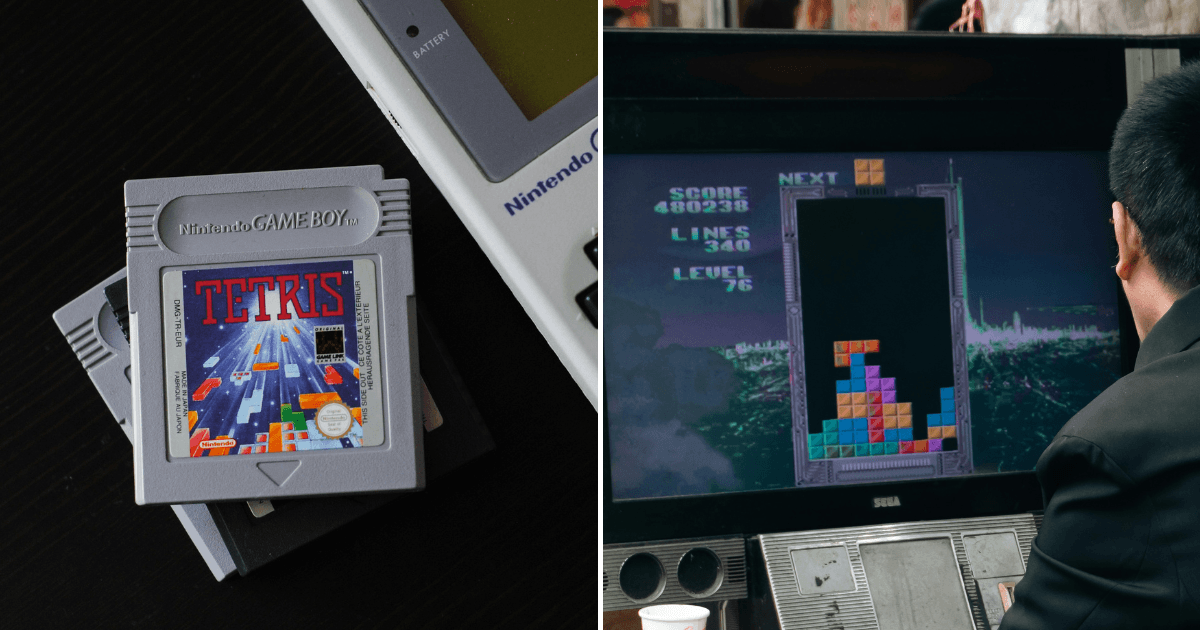
Whether you first played it on a Game Boy, PC, or your Nokia phone, Tetris is one of those games that almost everyone has played at least once
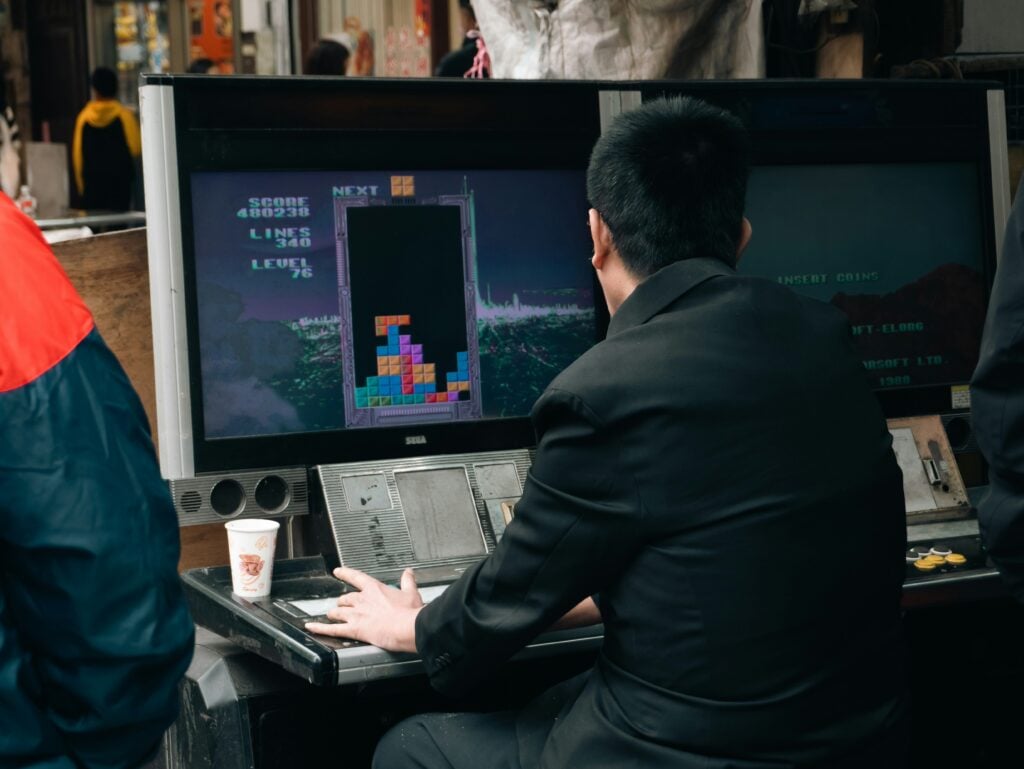
Its colourful blocks and simple gameplay have entertained generations of players, making it one of the best-selling video games of all time.
But long before it became a global phenomenon, you'd probably be surprised to know that it was started in a Soviet research institute during the Cold War.
Here's the story behind it:
In 1984, Soviet computer scientist Alexey Pajitnov was working at the Dorodnitsyn Computing Centre in Moscow
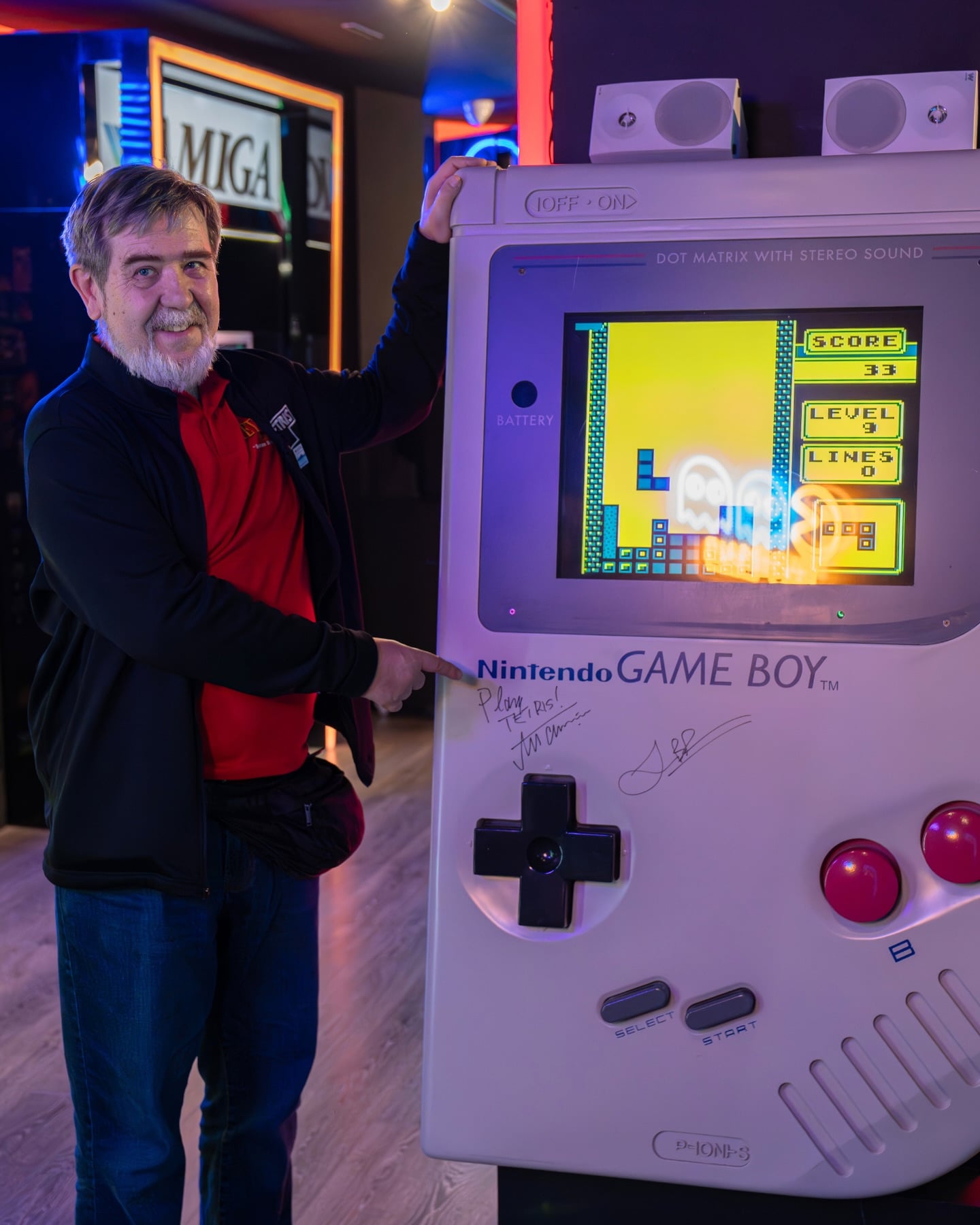
Alexey Pajitnov in 2026.
Image via @tetris_official (Instagram)The research institute focused on computer science and artificial intelligence, and much of his work involved studying how computers could process information and solve problems.
Outside those research projects, Pajitnov enjoyed creating small games and puzzles.
This was because back in the day, computers were still relatively new, and many programmers treated games as a fun way to test what the machines were capable of.
There wasn't a huge video game industry in the Soviet Union, so making games was more of a hobby than a commercial pursuit.
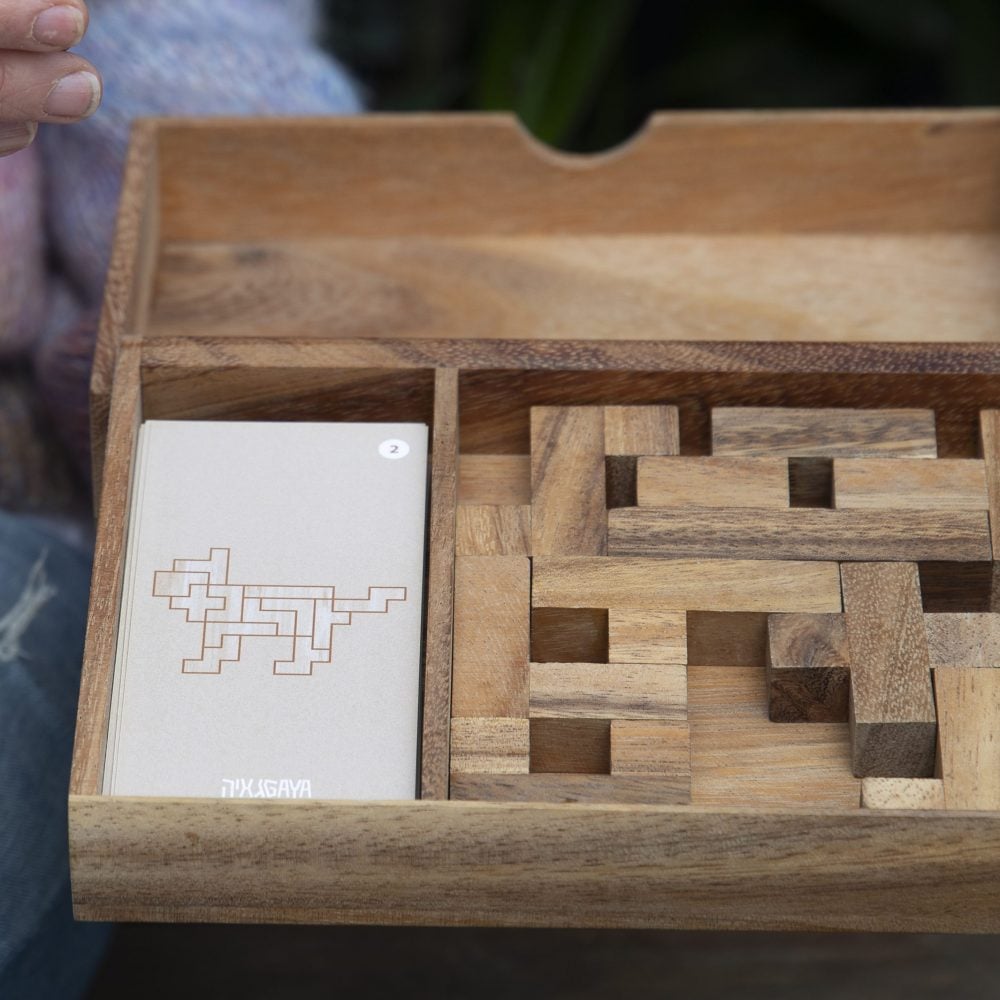
An example of a set of pentominoes.
Image via Wolfpack GamesOne puzzle in particular kept coming back to him: The pentomino.
It challenged players to arrange different shapes, each made from five connected squares, into larger patterns. Pajitnov liked how the puzzle rewarded logic and spatial thinking, and he began wondering if that same experience could be recreated on a computer.
As he started experimenting, he realised the computers at the institute weren't powerful enough to handle the puzzle the way he had imagined. Rather than abandon the idea, he stripped it back, reducing each shape from five squares to four, making the game simpler for both the computer and the player.
And instead of solving a static puzzle, players now had to think on the fly as pieces continuously fell from the top of the screen. The challenge shifted from finding one correct solution to making the best decision in the moment, and that constant pressure became the heart of Tetris.
The name was derived from the Greek word tetra, meaning four, combined with tennis, Pajitnov's favourite sport.
The original version of Tetris was far simpler than the colourful editions we know today
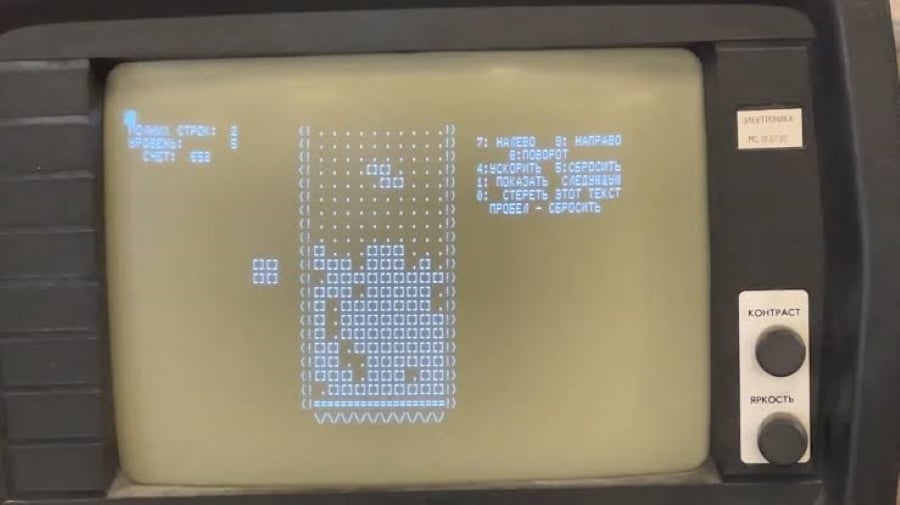
It had basic graphics, no music, and barely any special effects. Blocks simply fell from the top of the screen, and you had to arrange them into complete lines before the board filled up.
Despite this, Tetris was a big hit among those who played it. Pajitnov initially shared the game with colleagues at the research institute, but it didn't stay there for long.
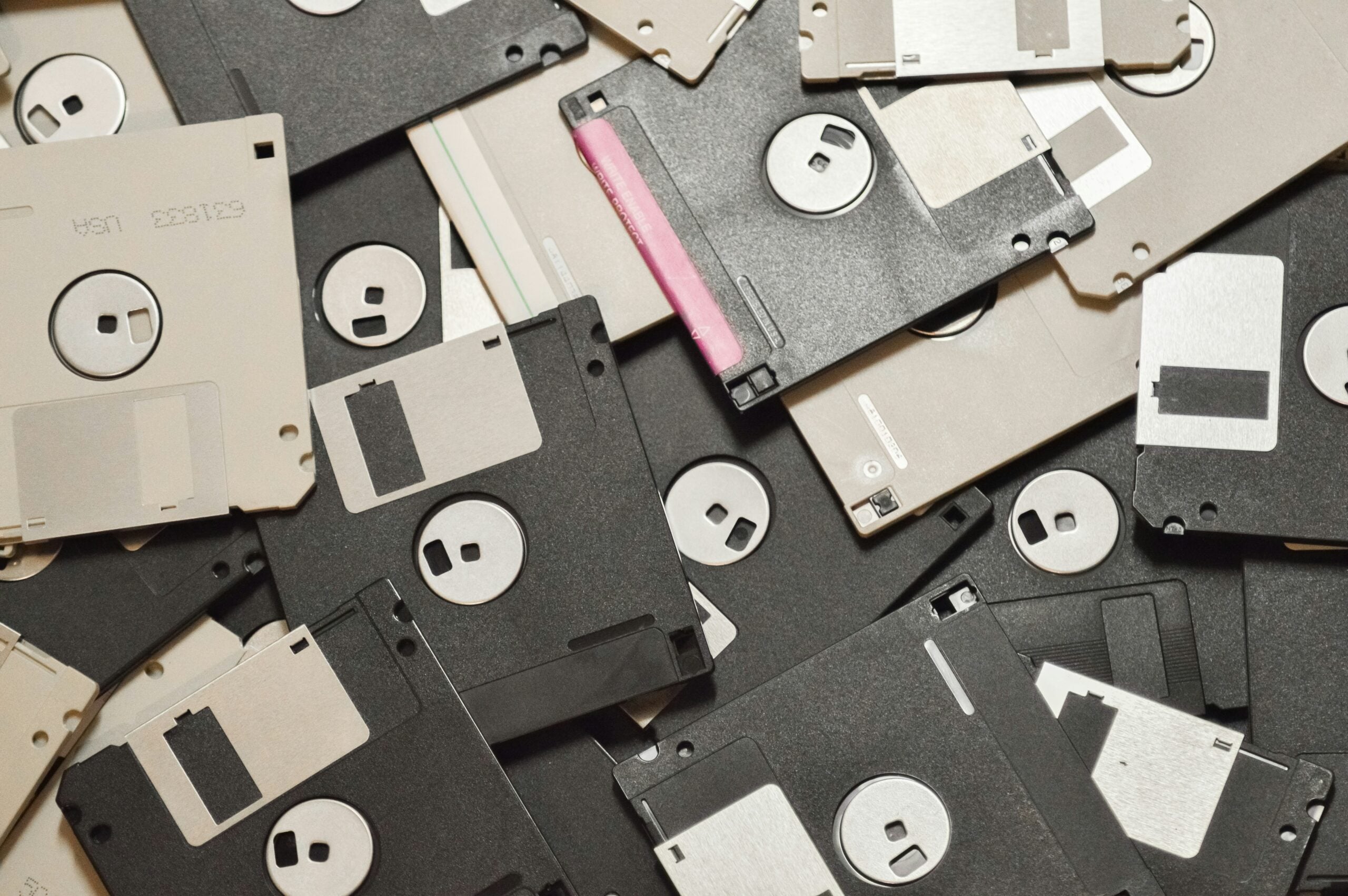
Soon after the initial copies were shared, people began copying it onto floppy disks and passing it around to friends, who shared it with even more people.
In no time, Tetris was already spreading from computer to computer and it didn't take long before the game found its way beyond the Soviet Union, eventually reaching players across Europe, North America, and the rest of the world.
While Tetris had already built a following on computers, its biggest breakthrough came in 1989 when Nintendo bundled it together with the Game Boy
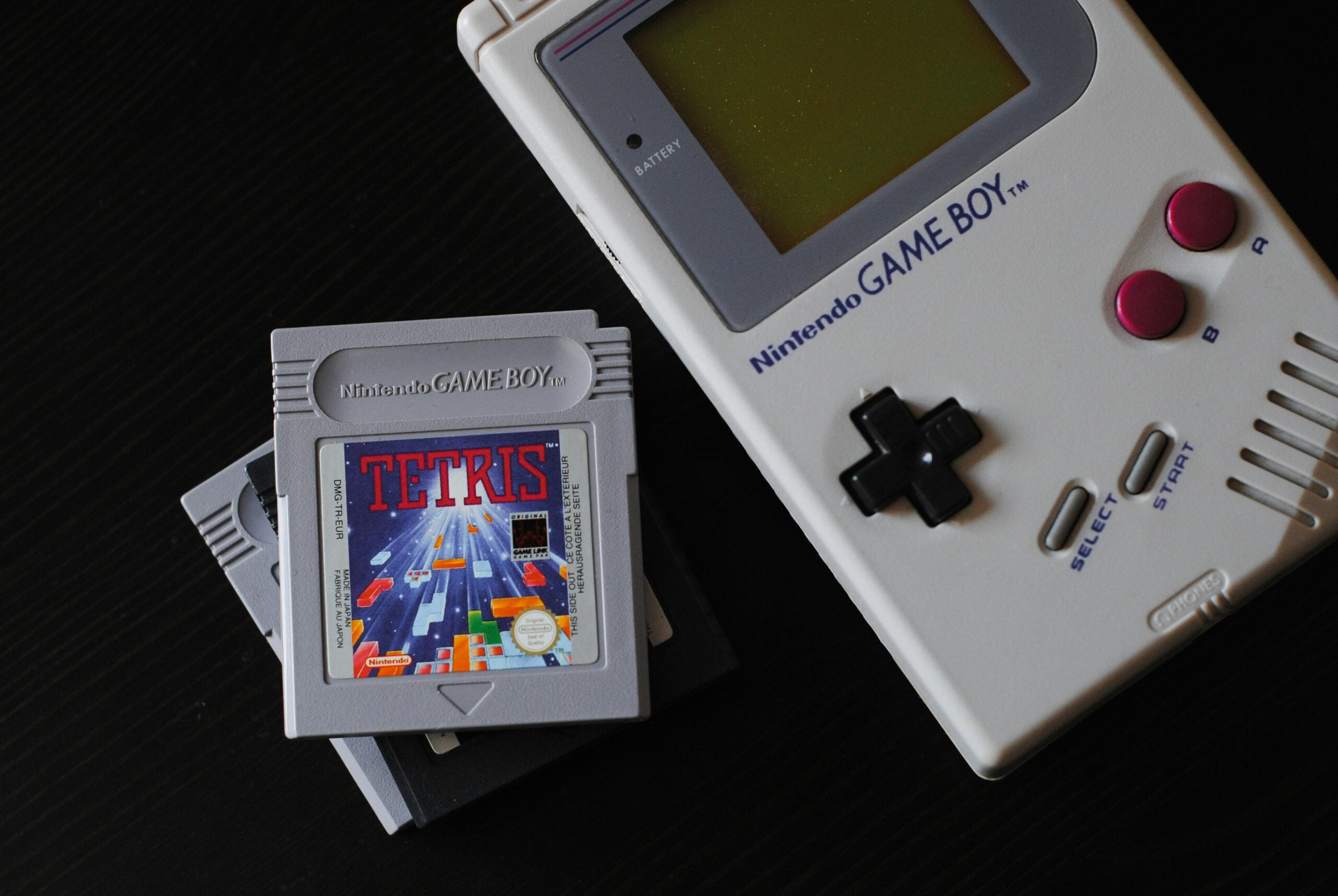
The handheld console went on to become a massive success, and for many people, that tiny grey cartridge was their first introduction to the puzzle game.
From there, Tetris seemed to appear everywhere. It has since been released on home consoles, mobile phones, tablets, and smartwatches.
Besides that, the story behind the game was also adapted to the Tetris movie.
There's even a psychological effect associated with playing the game for too long
If you've ever found yourself mentally arrange boxes on a store shelf or try to arrange your luggage in the car like tetrominoes, psychologists call it the "Tetris Effect".
The term describes how repetitive activities can temporarily influence the way we think, dream, and process visual information.
In recent years, competitive game modes have become just as popular as the traditional ones as well
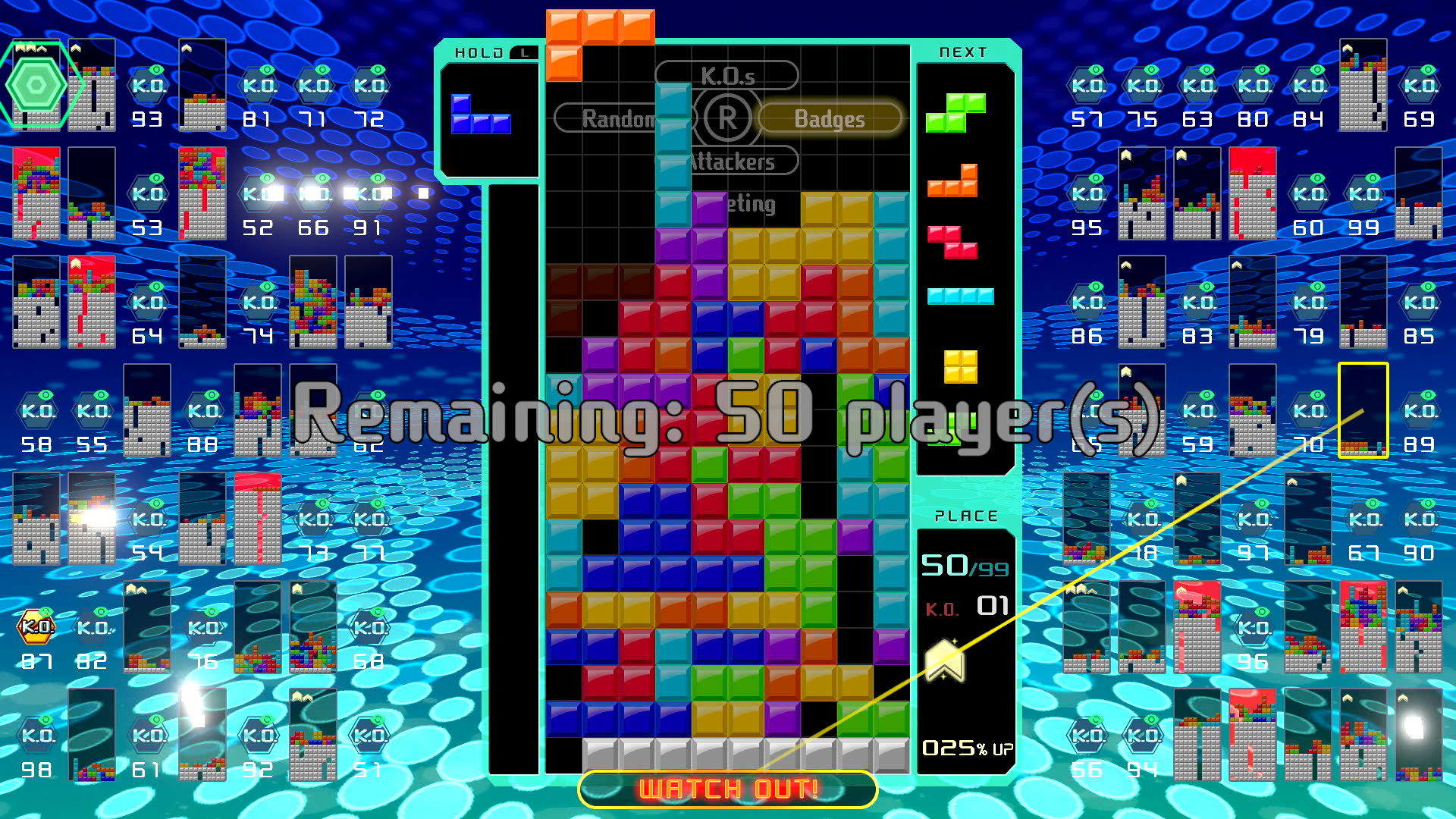
An ongoing game of Tetris 99.
Image via NintendoGames like Tetris 99 pit 99 players against one another in a battle royale, where clearing lines sends garbage blocks to opponents until only one player remains.
Tetris Effect: Connected introduced online co-op and multiplayer modes, while the annual Classic Tetris World Championship continues to celebrate the original Nintendo Entertainment System (NES) version, proving that even a game released in the 1980s still has a thriving competitive community today.
Despite all those different versions, the core gameplay idea itself has barely changed. Players today are still arranging the same seven tetrominoes that Pajitnov came up with more than four decades ago.
