Malaysia’s WFH Policy Only For Those Living More Than 8KM From Office
The Public Service Department has released a circular detailing the specific criteria for the government's three-day work-from-home arrangement starting 15 April.


 Cover image via New Straits Times & Bernama
Follow us on Instagram, TikTok, and WhatsApp for the latest stories and breaking news.
Starting 15 April, civil servants will begin a three-day work-from-home (WFH) arrangement, but the Public Service Department has clarified that it is only applicable to those who meet specific criteria
According to a circular issued yesterday, 2 April, the department's director-general, Tan Sri Wan Ahmad Dahlan Abdul Aziz, said the move is a "strategic national measure" to prepare the country for the global energy crisis following escalating tensions in the Middle East.
Who does this WFH policy apply to?
The arrangement does not apply to all government employees.
According to the circular, the WFH policy is limited to:
Specific locations: Those working in Putrajaya, Kuala Lumpur, Selangor, and all other state capitals.
Distance requirement: Only officers whose commute exceeds 8km from their registered residence to their office.
Residential records: The distance will be determined based on the home address recorded in the Human Resources Information Management System (HRMIS).
Civil servants working in the security, defence, health, and education sectors are not part of this WFH arrangement and must continue working on-site.
The schedule and "hourly" monitoring
The three-day WFH period will follow the specific weekend observations of each state:
States with Sunday weekends: WFH applies from Tuesday to Thursday.
States with Friday weekends (Kedah, Kelantan, Terengganu): WFH applies from Monday to Wednesday.
To ensure productivity is maintained, civil servants are required to use the SPOT-Me system.
"Officers must check in on SPOT-Me every one hour, and the head of department must monitor the officers' presence," the circular stated.
The system uses geo-location functions on mobile devices to verify that the officer is working from their registered home.
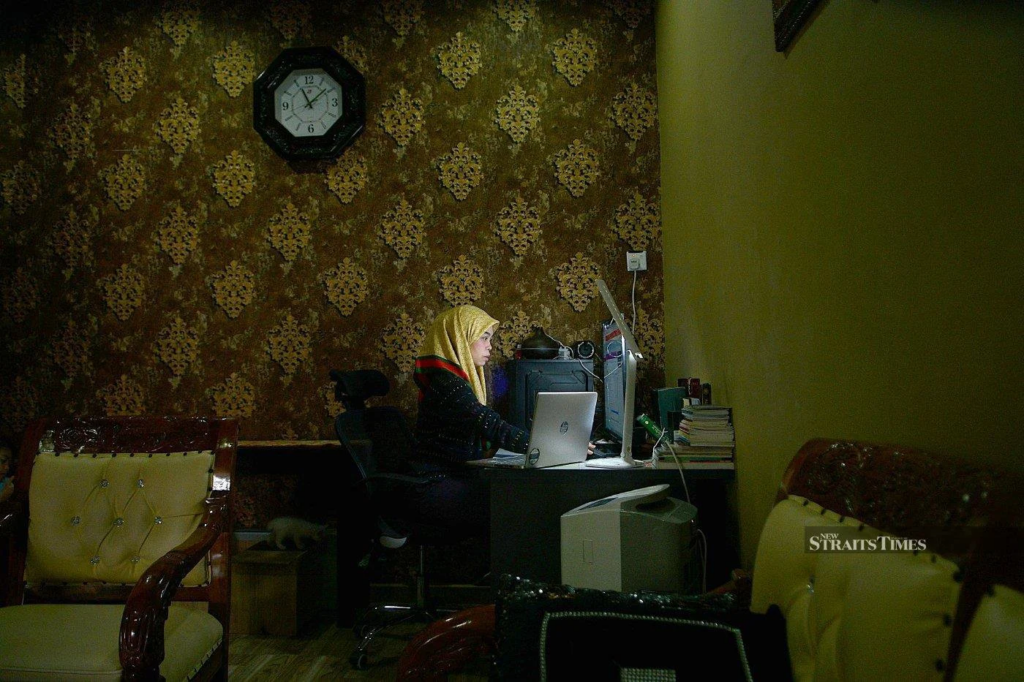
This WFH directive is part of a larger government push to reduce national fuel consumption and manage the impact of rising oil prices
Prime Minister Datuk Seri Anwar Ibrahim previously revealed that the government is currently spending about RM4 billion every month to absorb the spike in global oil prices.
Deputy Prime Minister Datuk Seri Fadillah Yusof also announced that energy controls will be tightened in government buildings.
This includes:
Air-conditioning: Temperatures must be set no lower than 24°C.
Dress code: Civil servants are urged to wear attire suited to the local climate, such as batik, corporate shirts, or baju Melayu, to reduce the need for excessive cooling.
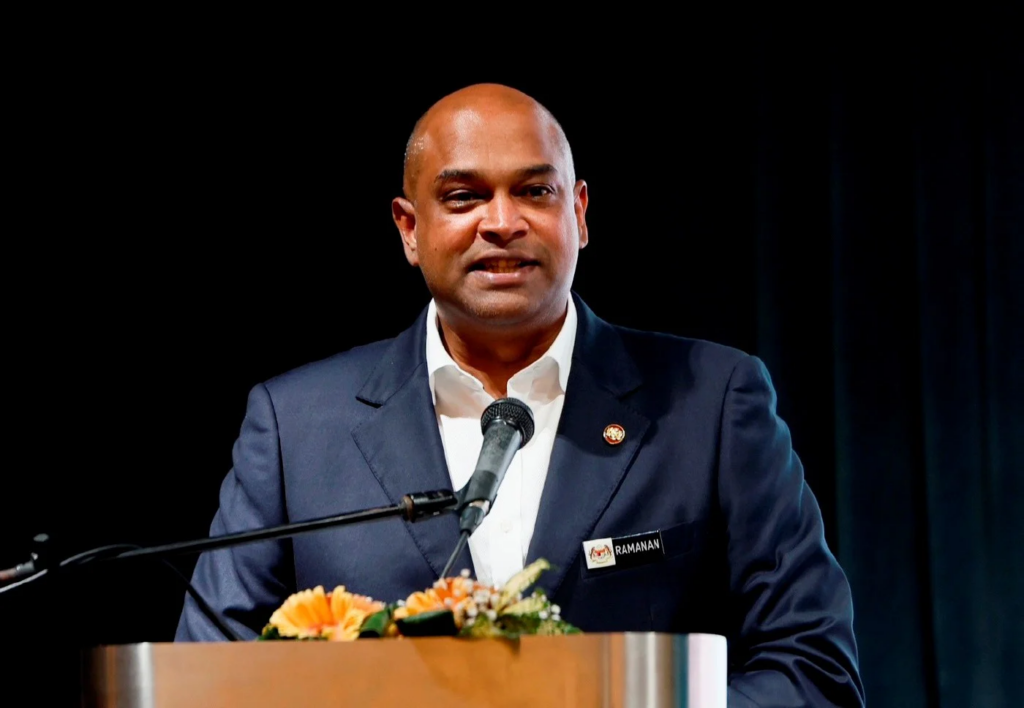
Meanwhile, Human Resources Minister Datuk Seri R Ramanan has assured the public that productivity will not be affected, noting that tasks performed via computer can be completed effectively from home.