
Can Your Boss Really Stop You From Joining A Competitor After You Resign? Here’s The Law
Take note, especially if you have a non-compete clause in your contract.


 Cover image via
 Follow us on Instagram, TikTok, and WhatsApp for the latest stories and breaking news.
If you've ever signed an employment contract, chances are you've probably come across the non-compete clause

Maybe it states that you cannot work for a competitor for six months after leaving, or perhaps it stretches to one year. Some contracts even go as far as prohibiting employees from entering the same industry.
That's right, employers can include non-compete clauses in employment contracts, but whether those clauses are legally enforceable is an entirely different question.
So, here's what the law actually says.
In Malaysia, agreements preventing someone from earning a living in their chosen profession are generally unenforceable
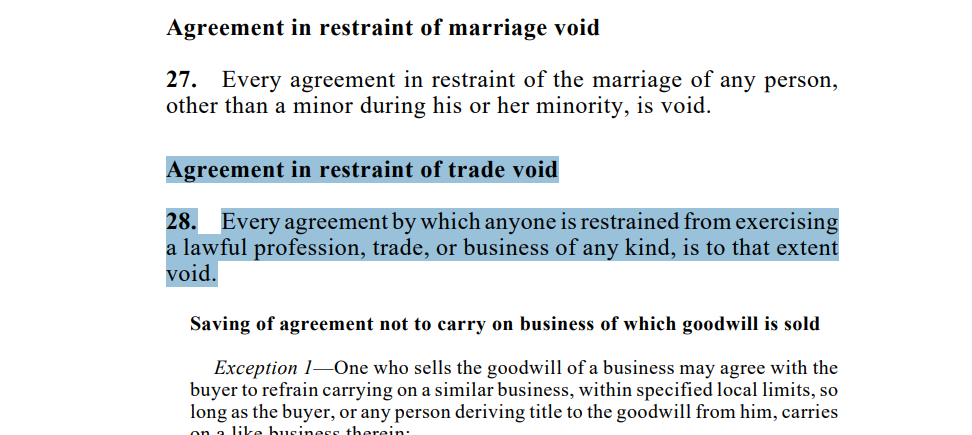
This is enforced under Section 28 of the Contracts Act 1950, which states: "Every agreement by which anyone is restrained from exercising a lawful profession, trade, or business of any kind is to that extent void."
So if your employment contract says:
- "You cannot work for a competitor for 12 months"
- "You cannot join any company operating in the same industry"
Those provisions are usually considered void after your employment ends.
The rationale behind Section 28 is that no one should be restricted from pursuing a legitimate occupation
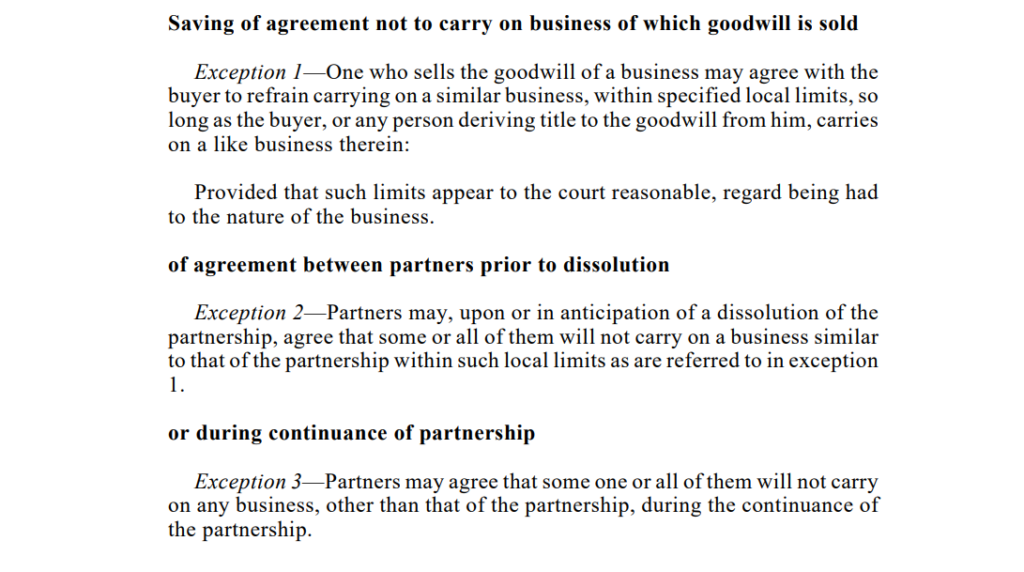
However, it is important to note that Section 28 does not apply to:
- Agreements involving the sale of goodwill of a business
- Agreement between partners prior to dissolution or during continuance of the partnership
- Non-compete clauses applicable during the currency of the contract, such as exclusivity agreements
That said, employers are not completely without protection
The fact that a non-compete clause is void does not give employees free rein to take confidential information, customer databases, pricing strategies, or trade secrets to a new employer.
Malaysian law distinguishes between two very different things:
| Competing fairly | Misusing confidential information |
|---|---|
| You resign from your current job. | You download client lists before leaving the company. |
| You accept a role with another company in the same industry. | You share internal business strategies with your new employer. |
| You apply the experience, knowledge, and skills you've developed throughout your career. | You disclose proprietary information acquired during your previous employment. |
| Generally, this is permissible under Malaysian law. | This may expose you to legal action for breaching confidentiality obligations or misusing trade secrets. |
And if you have a non-solicitation clause, this means you cannot poach clients or staff, actively convincing your ex-company's clients or coworkers to move with you after you leave the company.
And while post-employment non-compete clauses are generally void, employers can still regulate employee conduct during active employment
If your contract states that you cannot work for another company while still employed, that requirement is usually enforceable because the employment relationship remains ongoing.
However, once the relationship ends, Section 28 of the Contracts Act 1950 comes into play.
For more #lifestyle stories:
- Can You Complain If Your Neighbour Cooks Smelly Food In Malaysia? Here's What The Law Says
- What Is "Sambung Bayar" And Why It's Illegal In Malaysia
- Is It Legal To Hang Clothes On Your Condo Balcony? Here's What Malaysian Law Actually Says
- Can Your Condo Management Really Ban Pets? Here's What The Law Actually Says
