
Can Your Company Reject Your Resignation In Malaysia? Here’s What The Law Says
Know your rights before handing in that resignation letter.


 Cover image via
 Follow us on Instagram, TikTok, and WhatsApp for the latest stories and breaking news.
Is your boss allowed to deny or reject your resignation letter in Malaysia?

The short answer is no. Your resignation is generally treated as notice that you're ending your employment, rather than a request that requires approval.
Once you've communicated your decision and complied with the notice period stated in your employment contract, your employer usually cannot refuse to let you leave simply because it's inconvenient for the company.
For example, if your contract requires one month's notice and you submit a written resignation stating your last working day one month later, your employment will generally end when that notice period expires, unless both parties agree to an earlier release, payment in lieu of notice applies, or another lawful contractual provision governs the termination.
Under Section 12 of the Employment Act 1955, either an employer or an employee may terminate a contract of service by giving the required notice
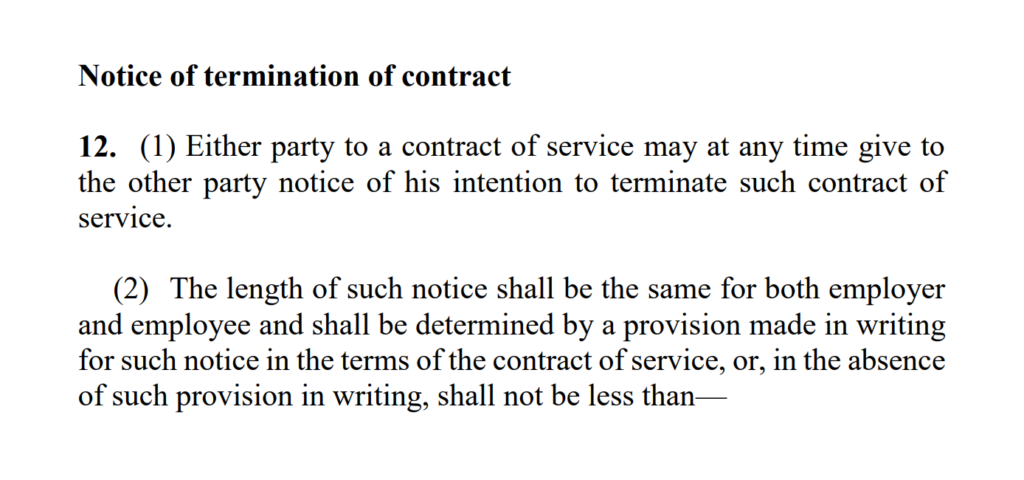
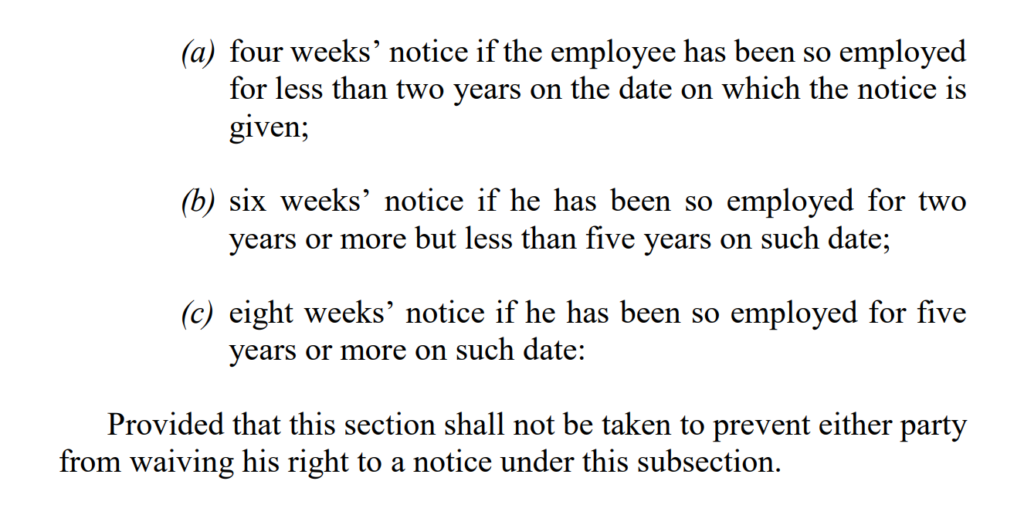
This means your resignation generally does not require your employer's approval to take effect, provided you've given valid notice in accordance with your employment contract or the applicable law.
That doesn't mean you can walk out whenever you like, though. Your employment contract still matters, particularly when it comes to notice periods and other obligations before your last day.

A resignation is generally treated as notice that you're ending your employment, rather than a request that requires approval.
Once you've communicated your decision and complied with the notice period stated in your employment contract, your employer usually cannot refuse to let you leave simply because it's inconvenient for the company.
For example, if your contract requires one month's notice and you submit a written resignation stating your last working day one month later, your employment will generally end when that notice period expires, unless both parties agree to an earlier release, payment in lieu of notice applies, or another lawful contractual provision governs the termination.
While your employer generally can't reject a valid resignation, they can expect you to honour the terms you've agreed to in your employment contract
This typically includes serving the required notice period, following any resignation procedures outlined by the company, completing a proper handover where necessary, and returning company property such as laptops, access cards, or confidential documents.
If you wish to leave before your notice period ends, Section 13 of the Employment Act 1955 allows either party to terminate the contract immediately by paying an indemnity equal to the wages that would have been earned during the remaining notice period, unless the contract provides otherwise.
Some contracts may also allow immediate departure by paying salary in lieu of notice, while others require the employer's consent for early release

If you leave without notice and without an agreed arrangement, you may be in breach of contract and could face legal consequences.
The Employment Act 1955 also allows resignation without notice in limited cases, such as when an employee or their dependants are immediately threatened by violence or disease under Section 14(3).
In some cases, serious employer breaches such as persistent non-payment of wages may support a constructive dismissal claim. These situations are fact-specific, so legal advice is recommended before resigning without notice.
That said, what if your employer refuses to accept your resignation letter?
An employer's refusal to sign, stamp, or verbally acknowledge your resignation does not necessarily make it invalid. In most cases, what matters is whether you have clearly communicated your intention to resign and whether you have done so in a way that can be proven later if a dispute arises.

To protect yourself, submit your resignation through a method that creates a clear record, such as company email, an HR system, or registered post.
If you hand in a physical letter, ask for written acknowledgment of receipt, note the date and time it was delivered, and keep a signed copy for your own safekeeping.
If possible, follow up with an email confirming that you have resigned and stating your intended last working day. This can help prevent arguments later about whether notice was given properly or when your notice period started.
If your employer still refuses to acknowledge the resignation, that does not automatically stop the resignation from taking effect. What matters is that you can show you gave proper notice in accordance with your contract or the law.
The bottom line is that your employer generally can't prevent you from resigning if you've given valid notice under your contract or the law
They may still enforce lawful obligations like serving notice or paying indemnity in lieu of notice where applicable. If your case involves unpaid wages, unusual contract terms, or resigning without notice, it's best to get advice from an employment lawyer or the relevant labour authorities.
Read more trending stories on SAYS
“Red Means Go” — This Short Film Reminds M’sians To Keep Moving Forward Amid Life’s Challenges
It doesn't matter if you're expanding your business, starting your family, or saving up for the future.
