
7 Common Travel Scams You Might Encounter And How To Avoid Them
Your holiday budget shouldn't be spent on scammers!


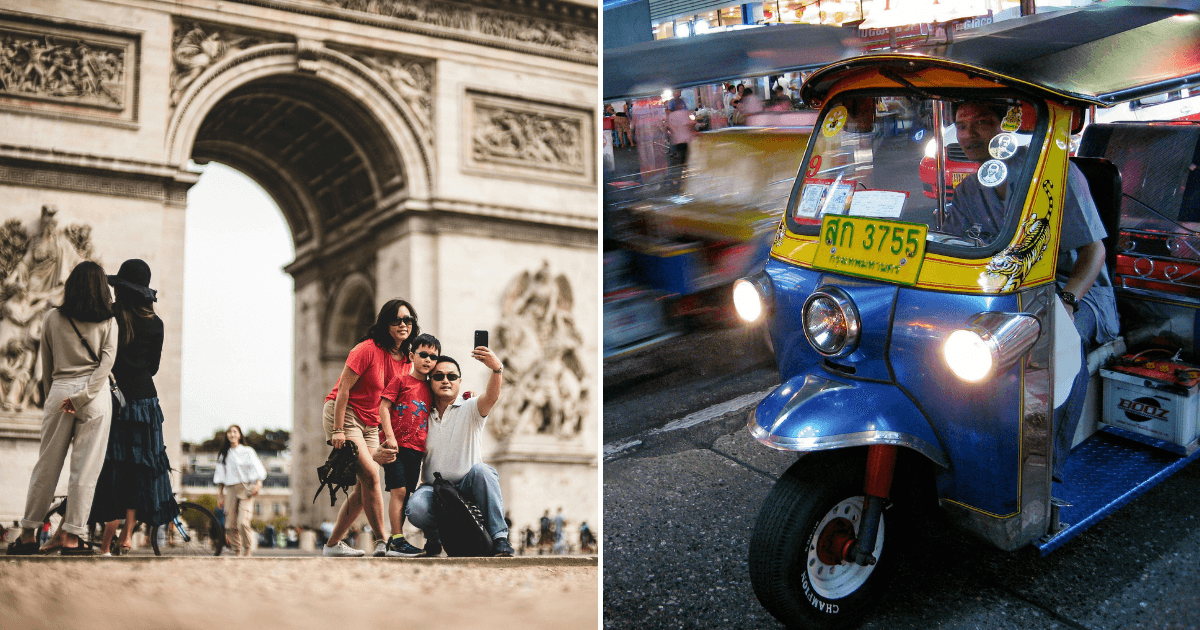 Cover image via
 Follow us on Instagram, TikTok, and WhatsApp for the latest stories and breaking news.
Travelling is always a good way to experience different cultures and people, but it can also mean that some might see tourists as easy targets
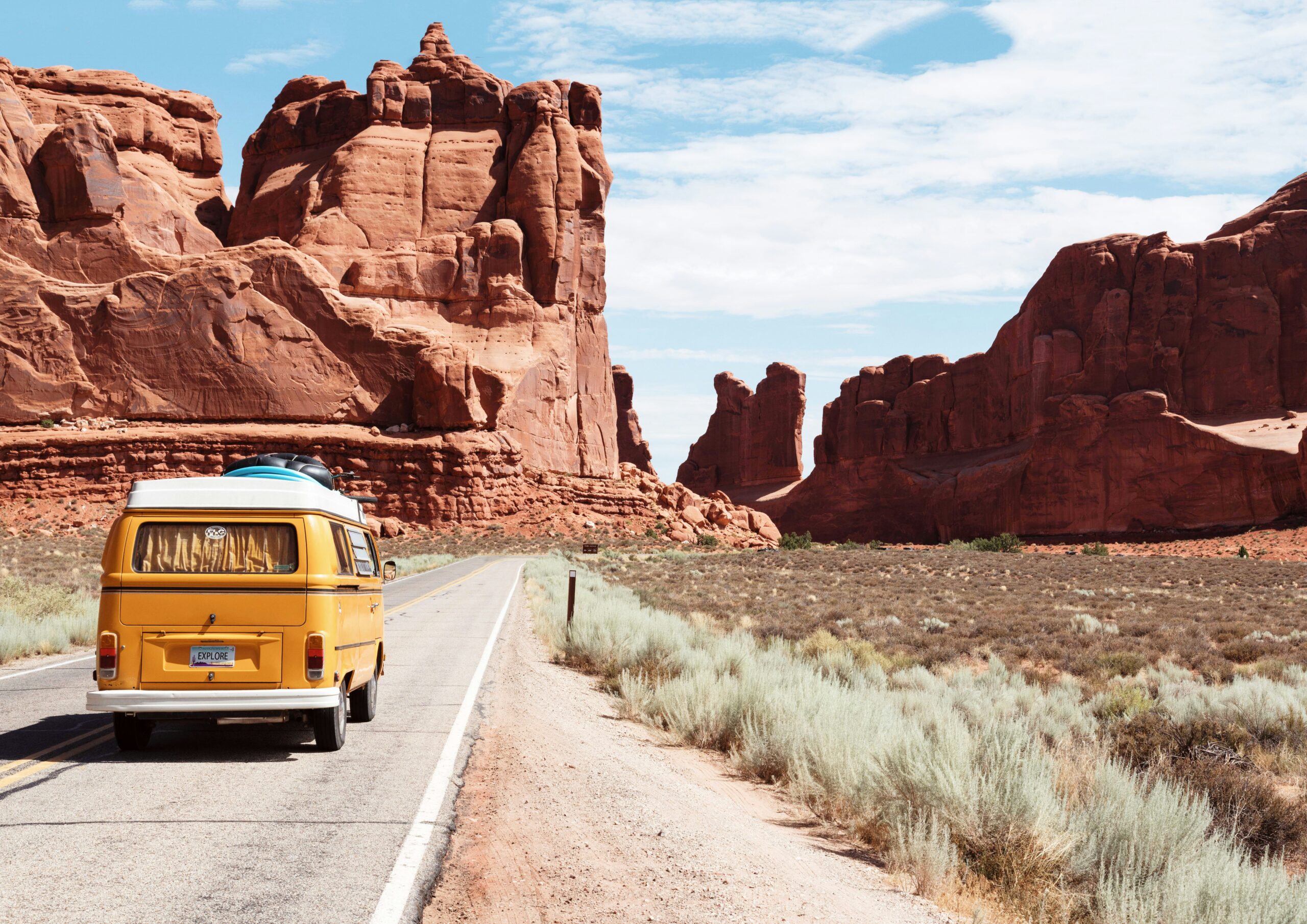
From bustling city centres to famous tourist attractions, most trips across the world are safe and enjoyable.
However, popular destinations naturally attract opportunistic scammers looking to make a quick profit from visitors unfamiliar with local customs, prices, or transport systems.
Here are some of the most common travel scams you'll encounter and what you can do to stay one step ahead:
1. The "broken" taxi meter
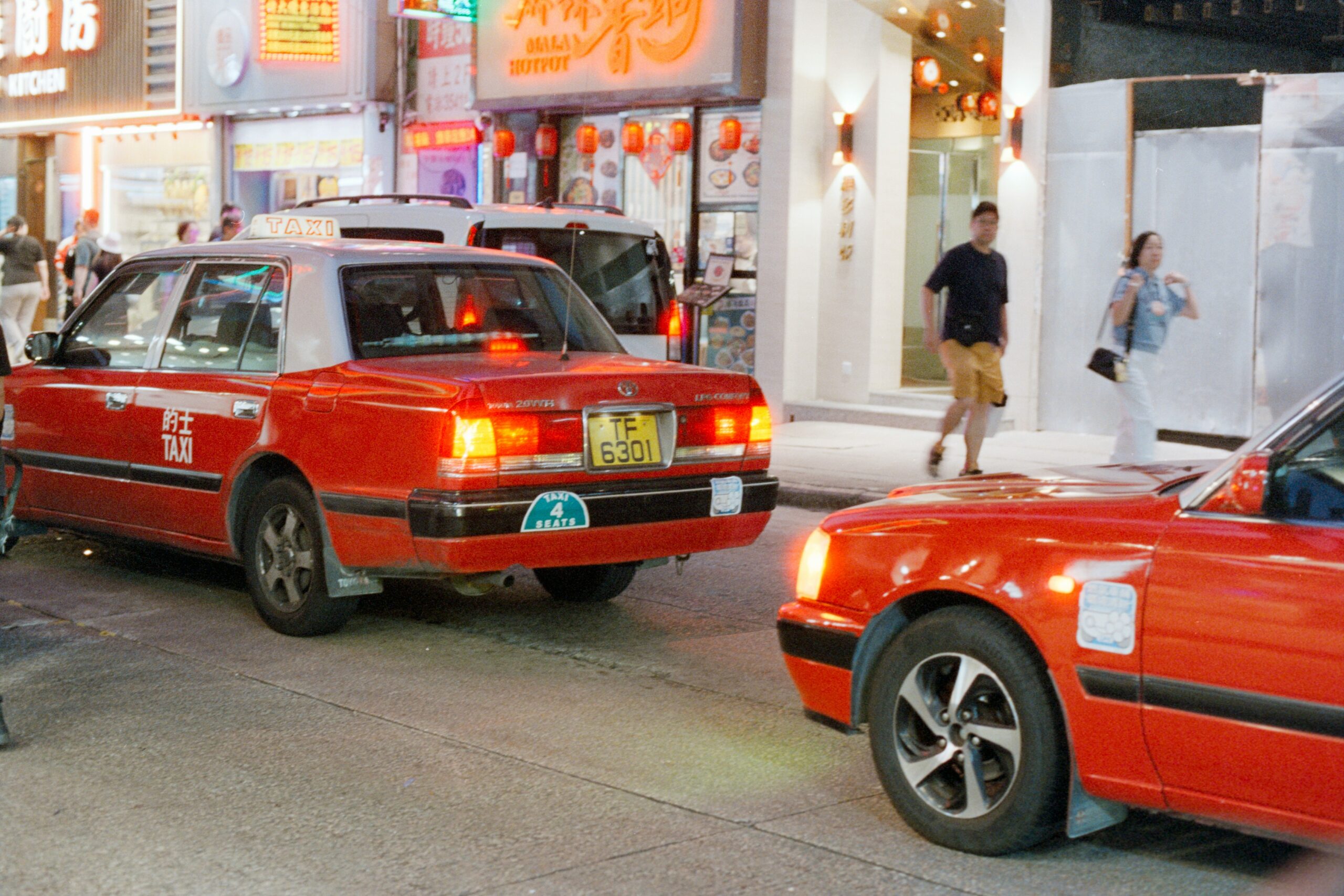
This is one of the most common scams that you'll encounter as soon as you land at the airport.
A taxi driver will claim that the meter isn't working and offers a fixed fare instead. What you don't know is that price is often two to five times higher than the normal rate.
Sometimes they'll insist it's because of traffic, late-night surcharges, or airport fees.
What you can do is to ask whether the meter will be used before getting in. If the answer is no, politely find another taxi or use local ride-hailing apps where fares are displayed before your journey begins.
2. A famous attraction is "closed"

You're walking towards a well-known temple, museum, or palace when a friendly local casually informs you that it's either closed for lunch, a religious ceremony, or a "special holiday".
Conveniently, they know another attraction, souvenir shop, or tour that you should visit instead. In many cases, the person earns a commission for bringing tourists there.
If you're unsure, walk to the entrance yourself or check the attraction's official opening hours online. Unless you see signs or staff confirming the closure, don't assume the information is accurate.
3. Trishaw or tuk-tuk scams
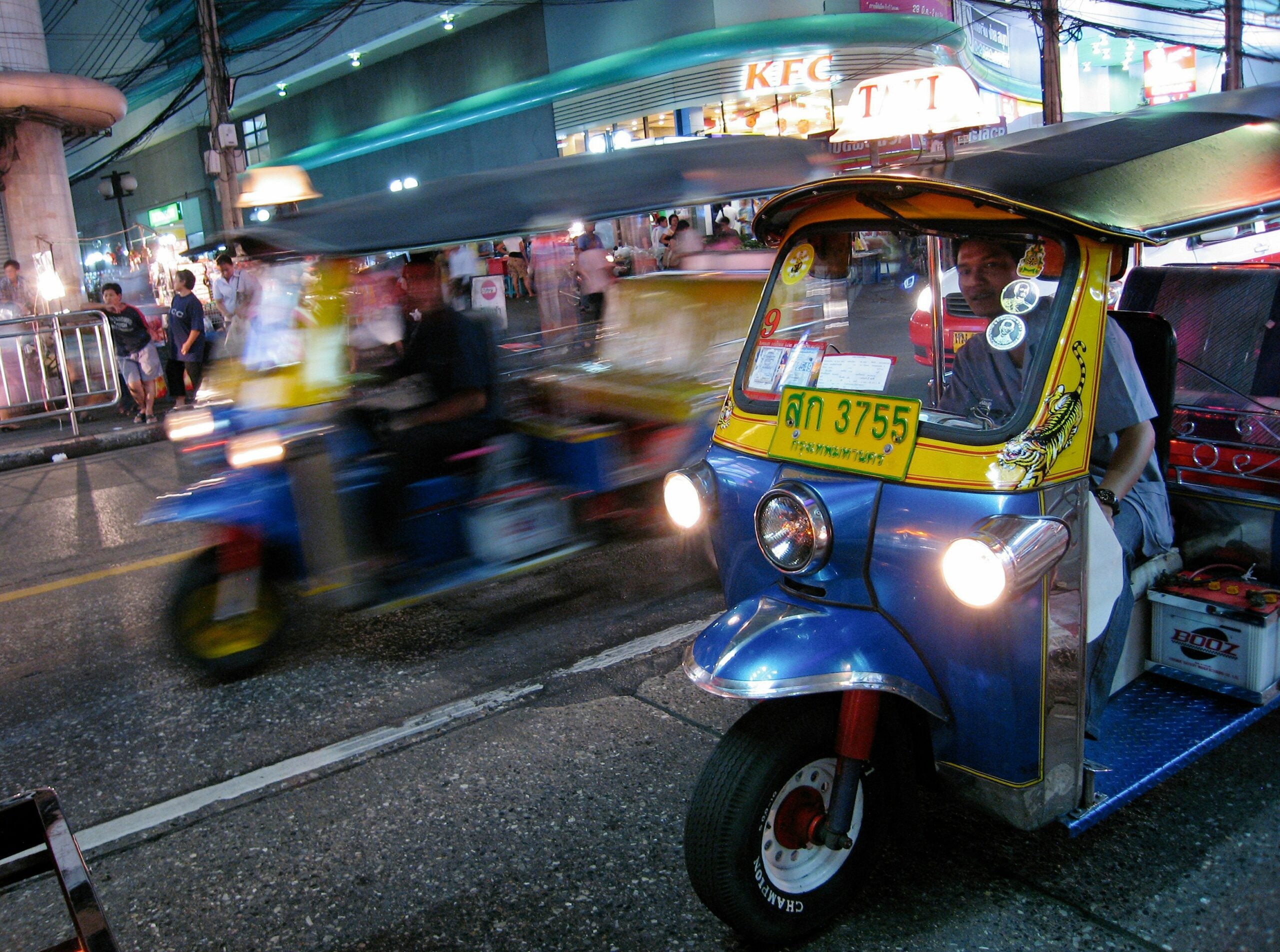
You're walking along a busy street when a trishaw driver offers you a tour around the city, sometimes for less than the price of lunch.
The catch? You'll spend more time visiting jewellery shops, tailor stores, souvenir outlets, or art galleries than actual attractions. The driver receives fuel vouchers or commissions every time tourists enter these businesses, whether they buy anything or not.
To avoid this, clarify exactly where the tour will go before agreeing. If shopping stops aren't part of your plans, tell them upfront and don't feel pressured to make purchases.
4. Currency exchange scams
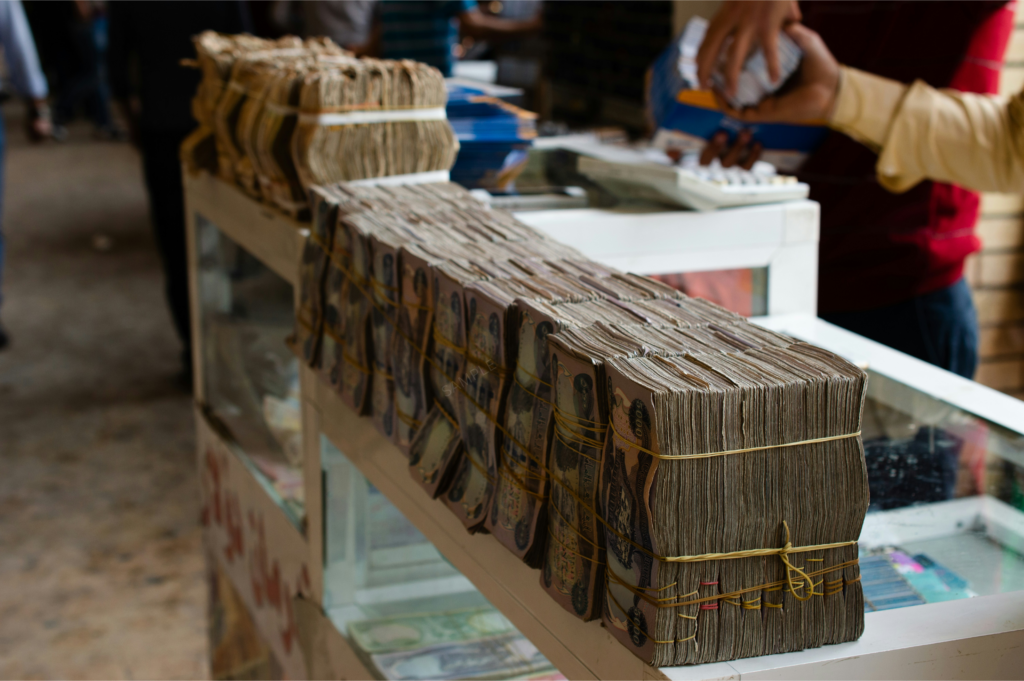
Money exchange counters in tourist areas don't always offer the exchange rate advertised in other places.
Some may even apply hidden service charges, while others rely on distraction during the counting process, hoping you won't notice missing notes until you've walked away.
It's important to always use licensed money changers, compare exchange rates beforehand, and always count your cash before leaving the counter.
5. Third-party ticketing services
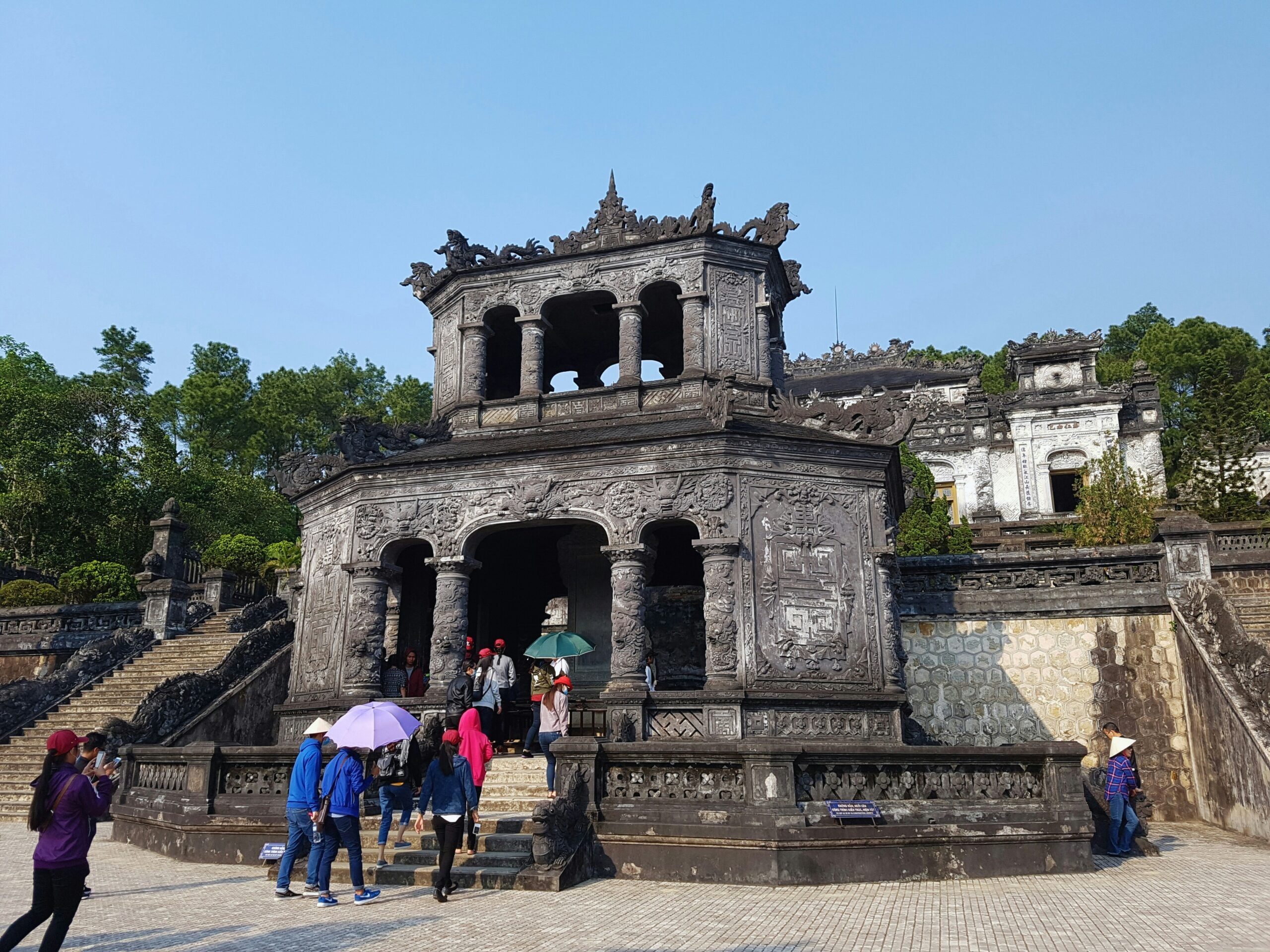
If you ever come across a seemingly friendly local offering to buy you tickets to a well-known tourist attraction, don't make the mistake of accepting the offer.
Sometimes they'll claim that official counters are closed or have sold out, then they direct you to an unofficial agency charging inflated prices or selling fake tickets altogether.
Whenever possible, you should always purchase tickets directly from official counters or verified booking platforms.
6. Motorcycle or scooter rental damage claims
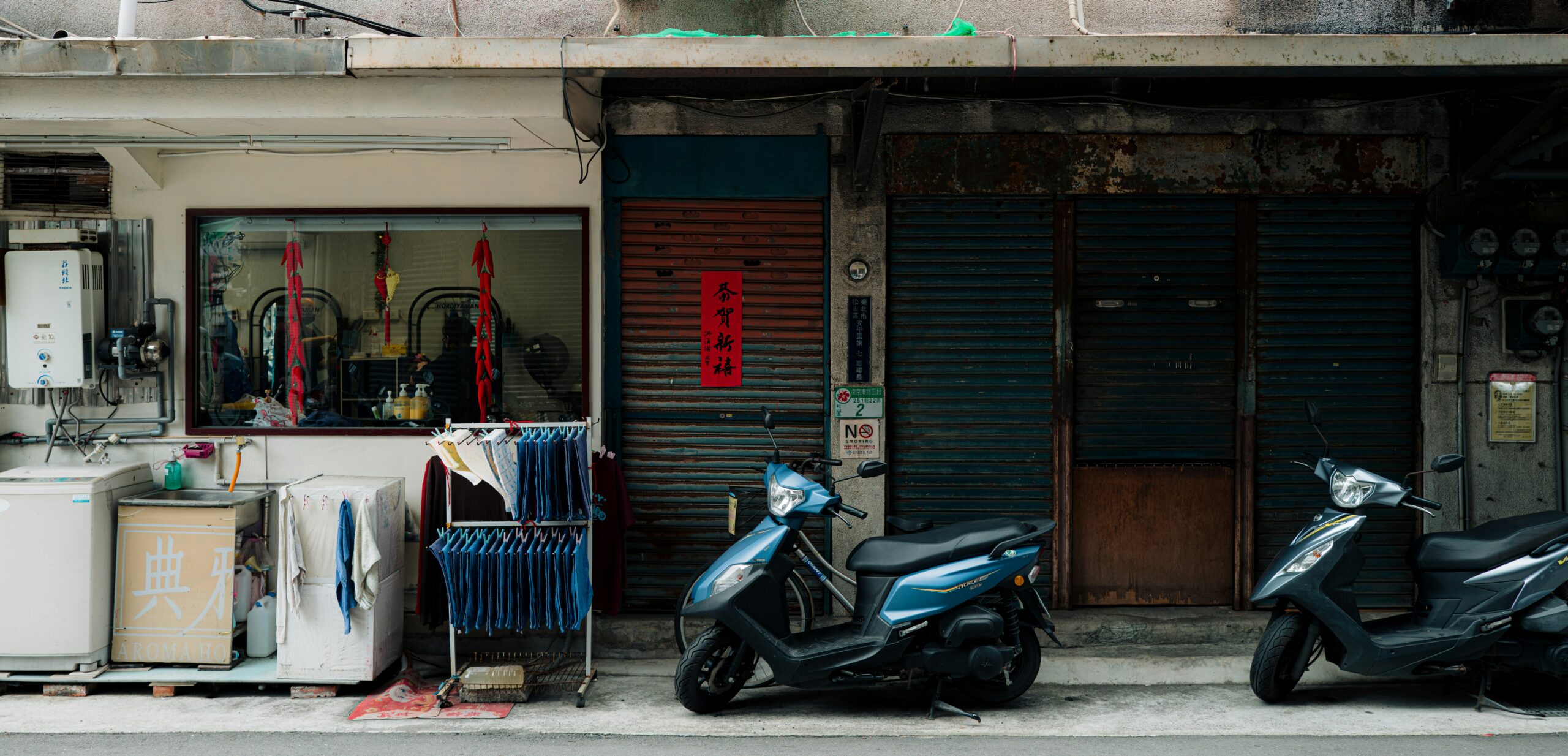
Renting a scooter is a popular way to explore the area you're visiting, but disputes can happen when it's time to return the vehicle.
A rental operator may point to scratches or dents that were already there and demand expensive repair fees, especially if the bike wasn't photographed beforehand.
To avoid this, make sure you take photos of the bike before you ride off and include every minor detail you can. This includes scratches that were already on the bike, minor damages, and anything that could be used against you.
Make sure the rental agreement also reflects any visible damage.
7. Overly friendly photo opportunities

In busy tourist districts, someone may hand you a bird, snake, monkey, or place a costume accessory on you before you've even said anything.
After taking a photo, they demand payment, often costing far more than expected. Refusing can sometimes lead to uncomfortable confrontations.
If you don't want the interaction, just politely decline and keep walking away. Avoid touching animals or accepting props unless you've clearly agreed on any charges beforehand.
Most people you'll meet while travelling are welcoming, honest, and genuinely happy to help you enjoy their country
These scams represent a small minority, but they continue to work because travellers are often tired, distracted, or unfamiliar with their surroundings.
For more #lifestyle stories:
- 9 Islands In Malaysia You Can Actually Drive Your Own Car To For A Getaway
- "Should I Tip?" — Here's A Complete Guide On Different Tipping Etiquettes Around The World
- Here's A Complete A To Z List Of Every Country That Drives On The Same Side As Malaysia
- Travelling To Langkawi By Ferry? Here's Everything To Know Before You Go
- Here's How To Avoid Having Your Card Declined When Travelling Overseas
