
Ultimate Coffee Guide: Understanding Beans, Roasts & Acidity
Ever wondered what makes coffee beans taste different? Or what roast level actually means?


 Cover image via
 Follow us on Instagram, TikTok, and WhatsApp for the latest stories and breaking news.
Have you ever wondered why different types of coffee taste different, and why some cost so much more than others?
One café serves lattes topped with floral foam in heavy ceramic cups; another hands you a dark, buttery brew poured into a porcelain cup on a wet saucer.
The price jump from RM2.50 to RM18 might seem like pure madness, but reading modern coffee menus really comes down to the beans, local roasting habits, and a handful of tasting terms.
The actual beans in your cup determine how your coffee tastes
Arabica leads the specialty café scene, taking up about 60% of world production due to its sweet and floral notes. It has a flat, oval shape with a curved centre crease and carries a lower caffeine hit.
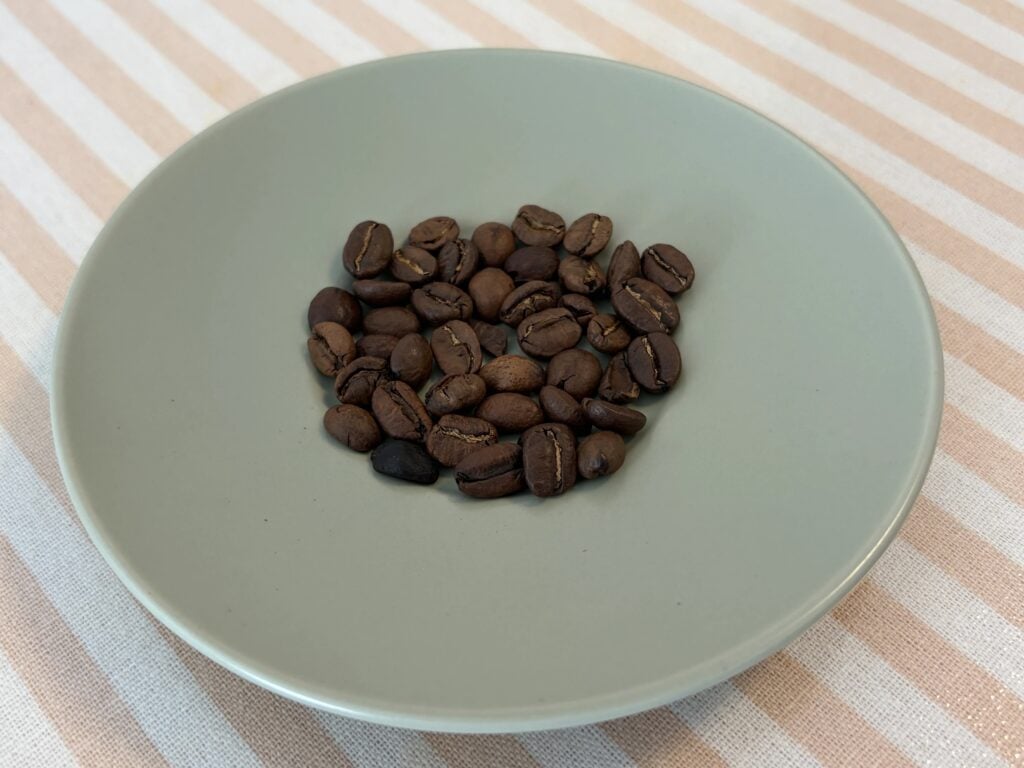
Dark roasted Arabica beans.
Image via Syazwan Bahri/SAYSOn the other hand, Robusta is the strong workhorse of the coffee world. It is smaller, rounder, and sports a straight line down the middle.
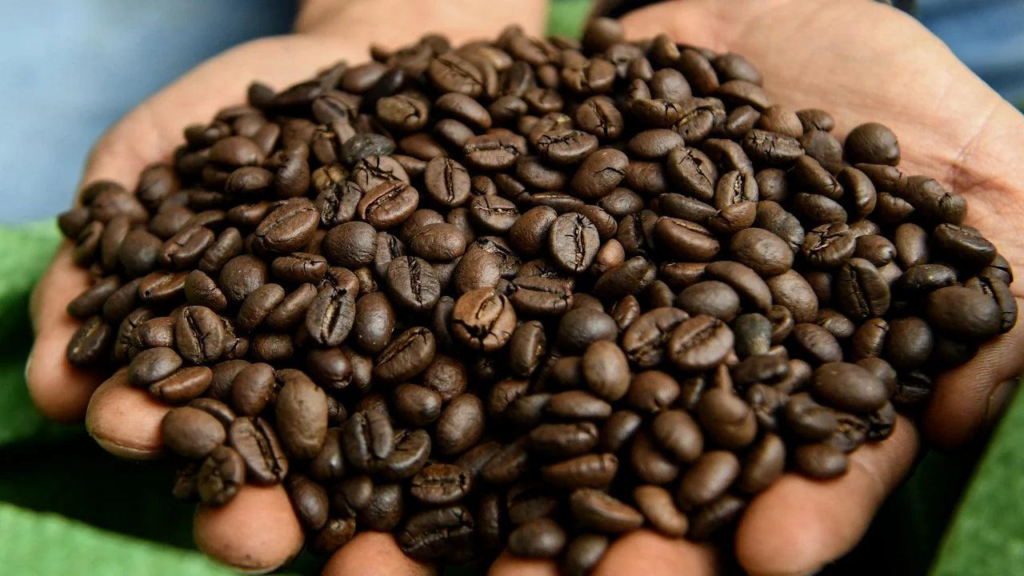
Robusta beans.
Image via Darkstar CoffeeRobusta packs double the caffeine of Arabica, delivering bold, earthy, and dark chocolate flavours with a clear bitterness, which is why roasters use it for instant coffee and rich espresso crema. Crema refers to the golden-brown foam on top of an espresso.
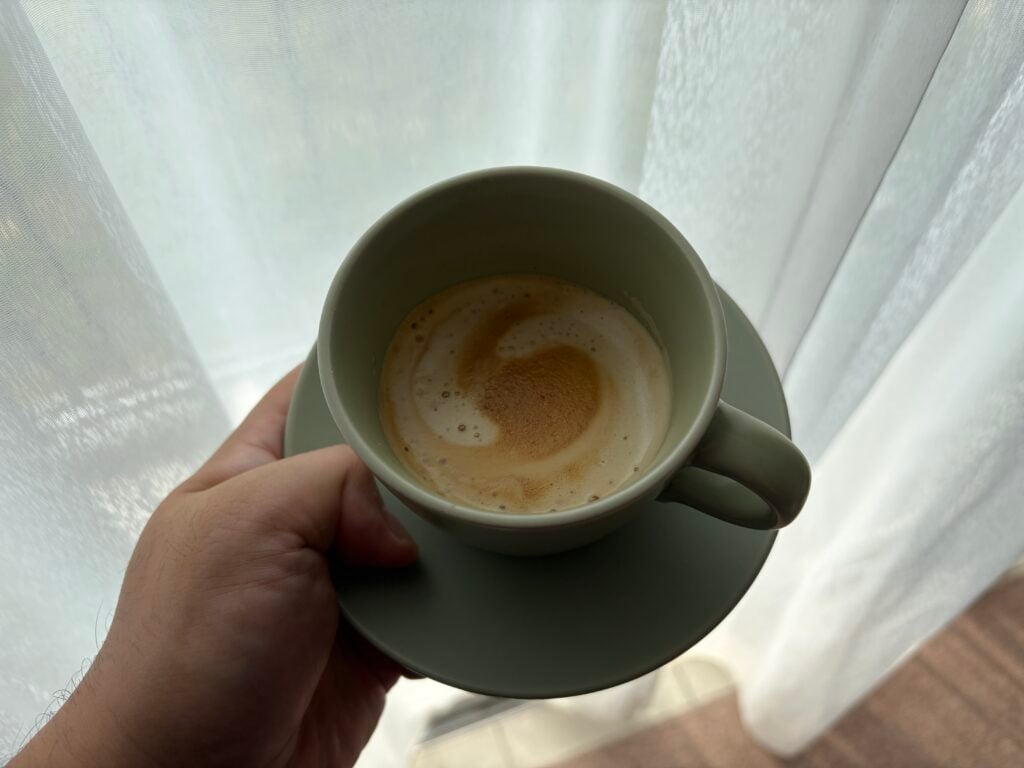
The golden brown foam on a freshly pulled espresso shot, often referred to as 'crema'.
Image via Syazwan Bahri/SAYSThen we have Malaysia's secret weapon: Liberica
Extremely rare globally and making up roughly 2% of world production, it is a proud local specialty grown in places like Rengit and Kluang.
You can spot Liberica beans fast because they are huge — sometimes double the size of an Arabica bean — with a tear shape and a hooked crease.
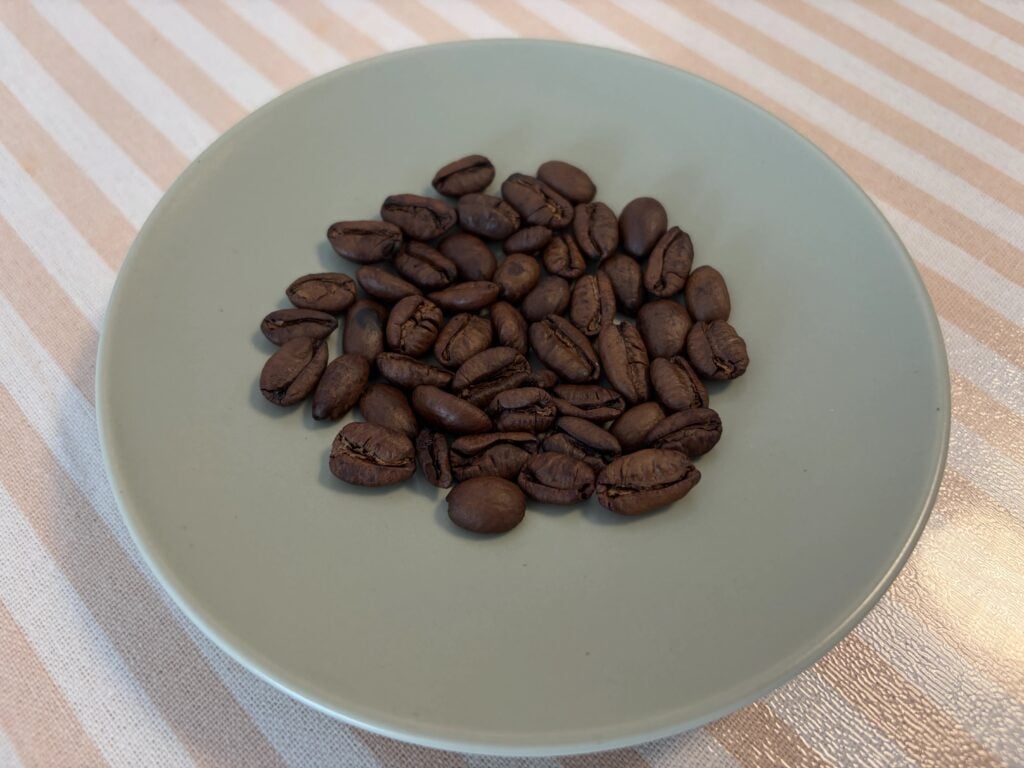
Locally sourced Liberica beans.
Image via Syazwan Bahri/SAYSIn the cup, Liberica has a full-bodied mouthfeel with a smoky, woody, and floral aromas, alongside notes of jackfruit and dark cocoa notes. These distinctive flavours give Malaysian coffee a rich character that sets it apart from imported varieties.
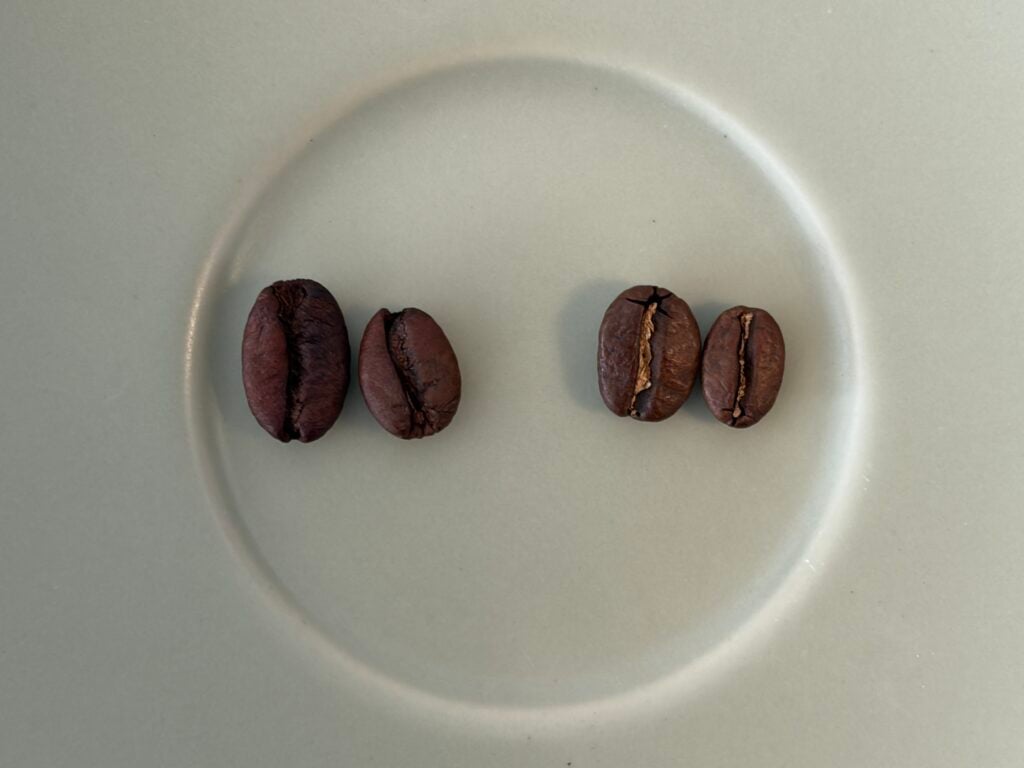
A side-by-side comparison of Liberica beans (left) and Arabica beans (right).
Image via Syazwan Bahri/SAYSUnderstanding why a cafe latte tastes different from a kopitiam brew comes down to how roasters treat the beans
Imported Arabica blends standard in modern cafes usually come from South America for chocolate notes or East Africa for fruity, tea-like flavours.
Kopitiam beans undergo a different process. Local roasters take Robusta or Liberica beans and roast them with margarine, sugar, and sometimes a bit of wheat or salt.
This traditional method coats the outside of the bean, creating a rich, thick, butter-scented brew that smells like home.
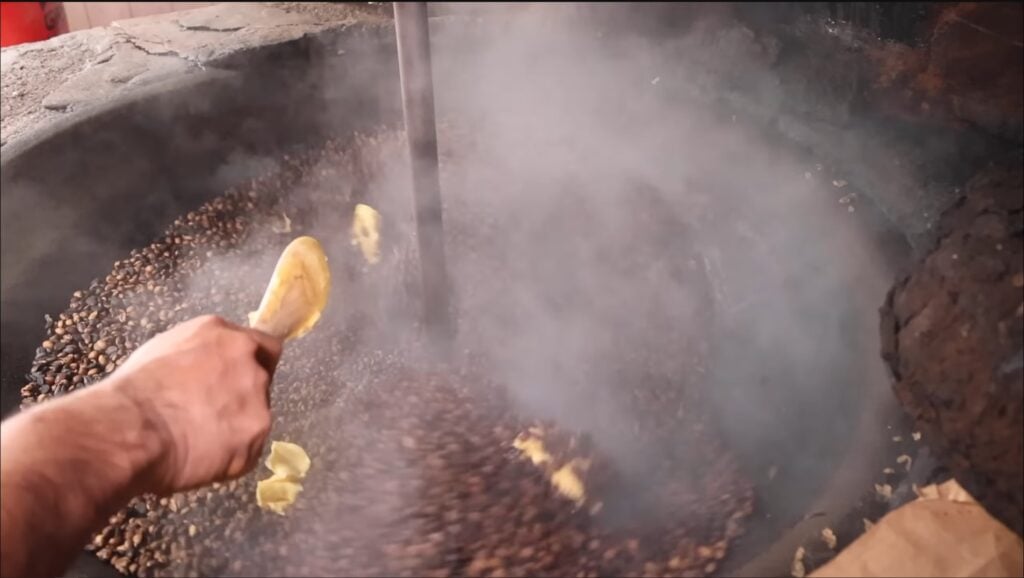
A local Penang kopitiam roasting beans with margarine and salt.
Image via Alaa Starves (YouTube)Medium roast? Dark roast? Here's what they mean:
Besides the shape differences — Arabica's elongated oval, Robusta's round shape, and Liberica's large, teardrop shape — roast levels tell the rest of the story.
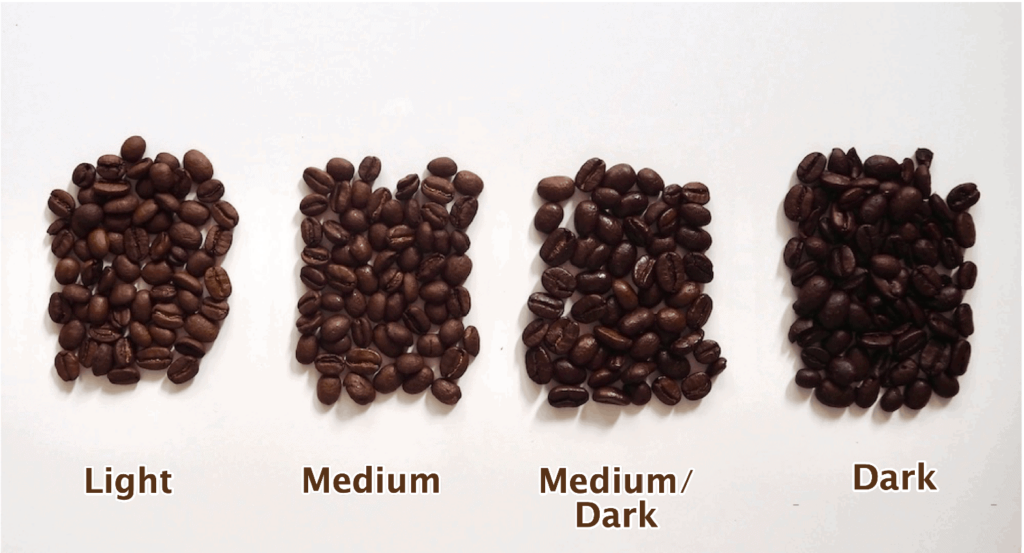
Light roasts look tan and dry, holding onto natural fruit taste and higher acidity.
Medium roasts match the shade of milk chocolate.
Dark roasts, which lead traditional local coffee, look almost black and shiny with oils, delivering a heavy, bitter punch with no acidity left behind.
Here are some more terms you commonly hear while buying coffee
In the coffee world, acidity does not mean sour milk; think of it like the bright citrus taste in your cup of coffee. It is just that fresh note on your tongue that lifts the drink.
Single origin simply means the coffee came from one farm or region, like Ethiopian Yirgacheffe, showing off the local soil and weather.
On the other hand, a blend is just a mix of different beans — like matching Arabica for scent with Robusta for extra caffeine and body.
Body refers to the feel, ranging from light, like tea, to thick and heavy.
Another key term is the washing process. When a menu lists "washed" versus "natural" processing, washed beans have their fruit skins removed before drying for a cleaner taste, while natural beans are dried inside the fruit skin to soak up extra sugars for sweet, berry flavours.
