
How FGV Turns Malaysian Palm Oil Into A Product Sold Across The World
It's used in everything from biscuits and chocolate to shampoo and lipstick.


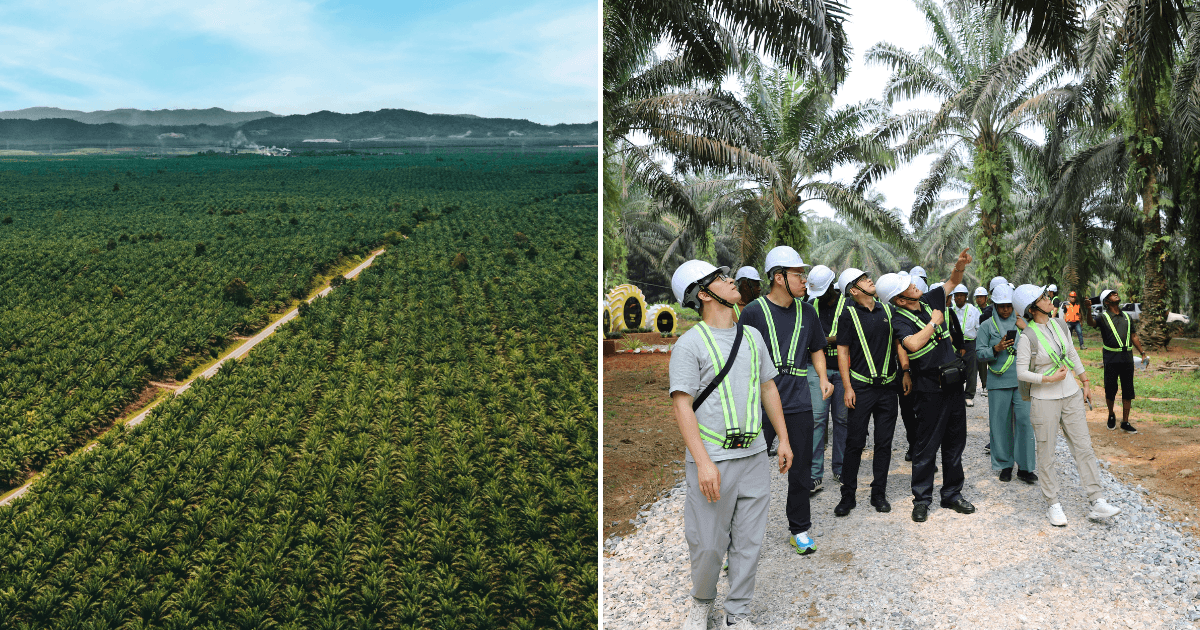 Cover image via FGV
Follow us on Instagram, TikTok, and WhatsApp for the latest stories and breaking news.
This Spotlight is sponsored by FGV.
If you ate breakfast this morning, there's a chance palm oil was involved in the process of preparing it
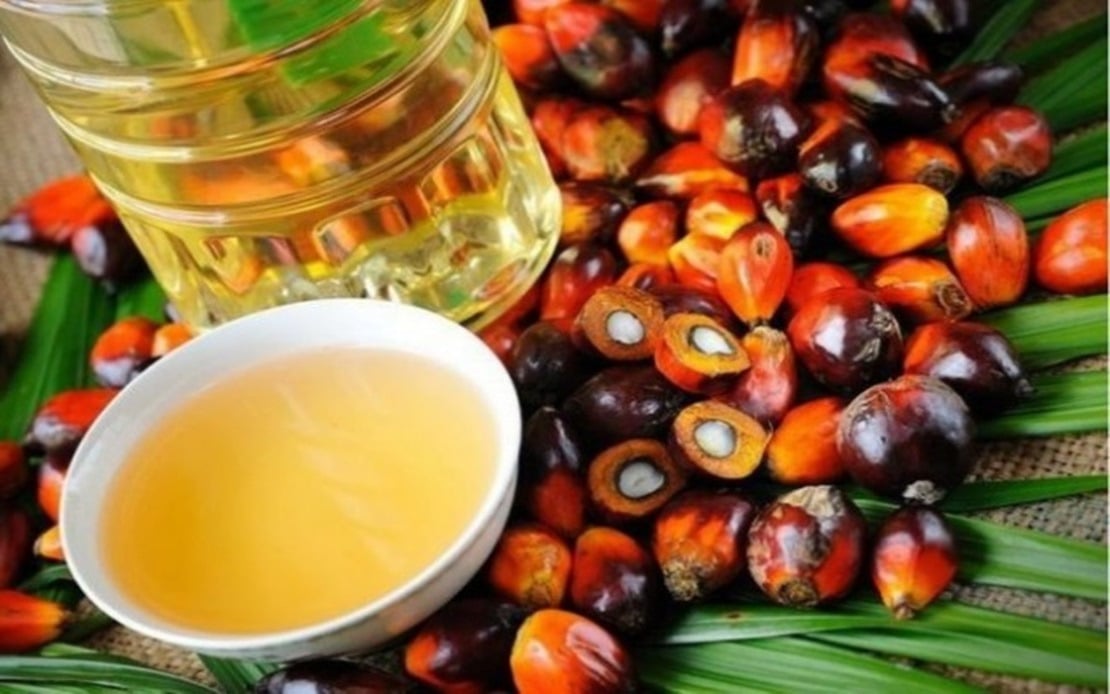
After all, palm oil is used in a wide range of everyday products, from spreads, biscuits, pastries, and chocolate to personal care products such as lipstick, shampoo, lotions, and body wash.
But before palm oil becomes part of these everyday products, its journey begins at the plantation.
So, how does it get from there to products used around the world?
To find out, more than 100 international delegates from 20 countries visited FGV's Besout Complex in Perak as part of the Malaysian Palm Oil Forum
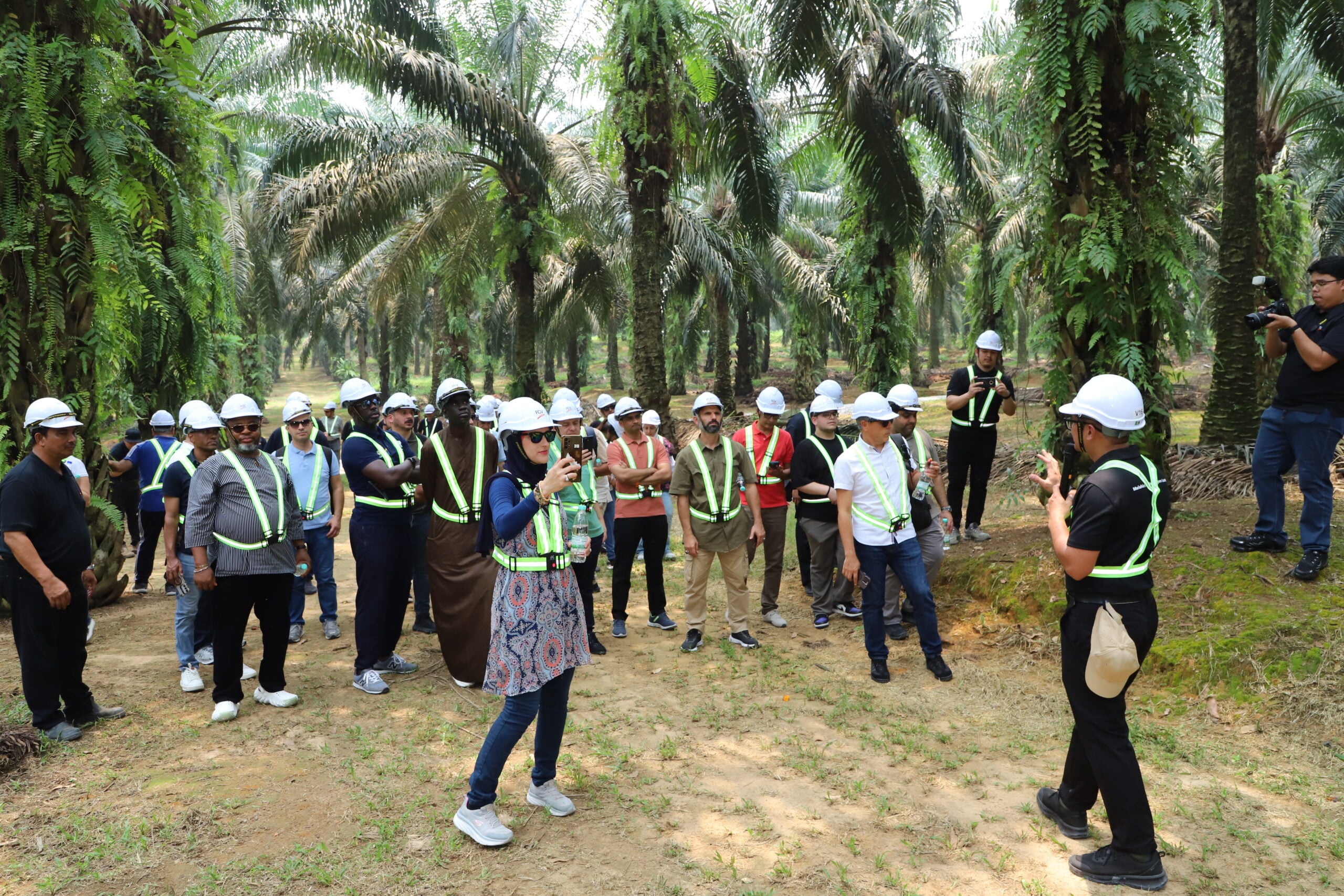
As part of the FELDA ecosystem, FGV connects the agricultural supply chain, from plantations and palm oil processing to products and markets around the world.
The visit gave delegates an opportunity to see how this journey starts at the plantation level.
At FGV's Besout 06 Estate, they observed fresh fruit bunches being harvested and saw demonstrations of mechanisation used in harvesting and fertilisation operations.
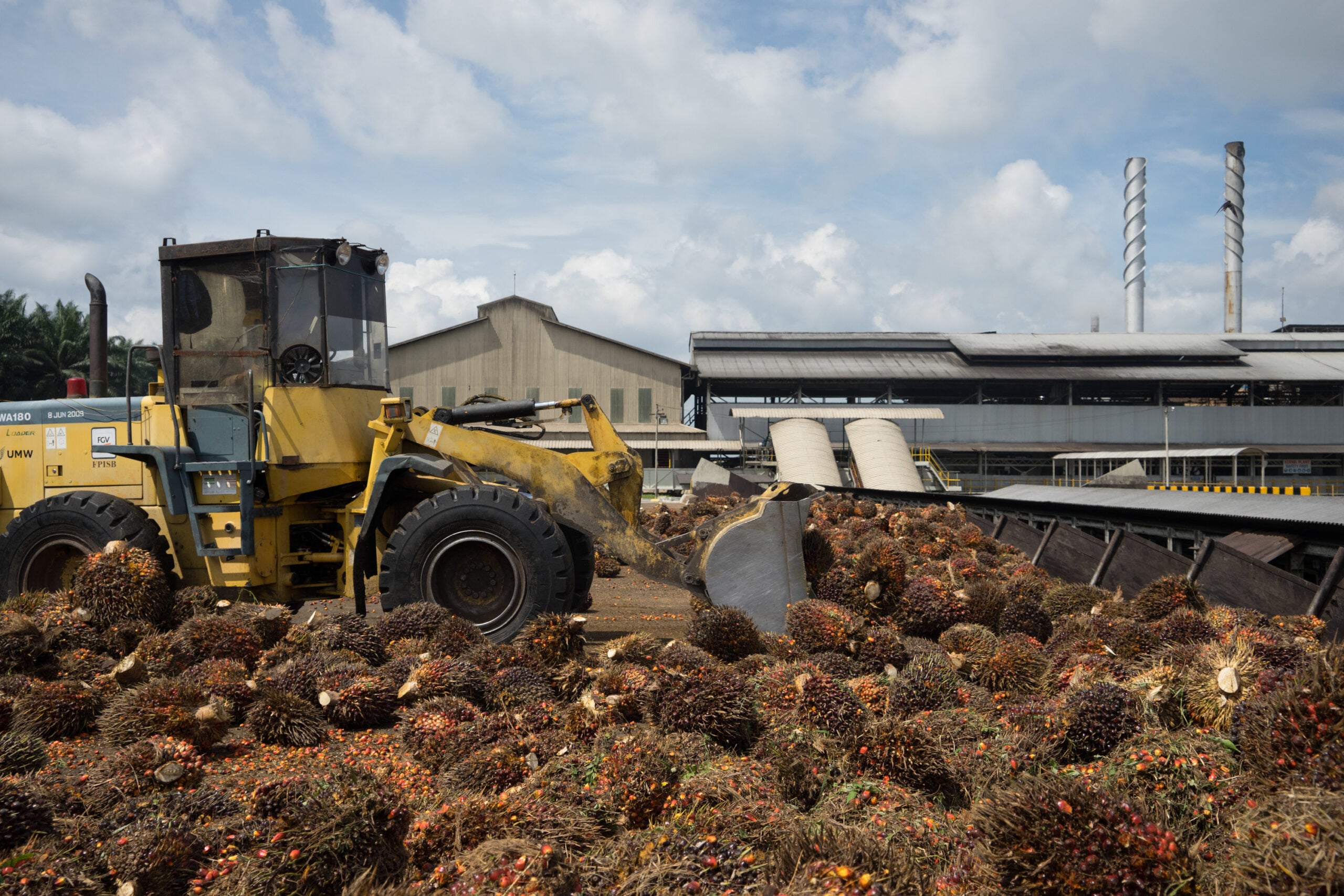
It might look like a straightforward process, but there are several stages between harvesting a bunch of palm fruit and getting palm oil into products sold around the world.
The next stop was FGV's Besout Mill, where delegates saw how the harvested fruit is processed to extract crude palm oil.
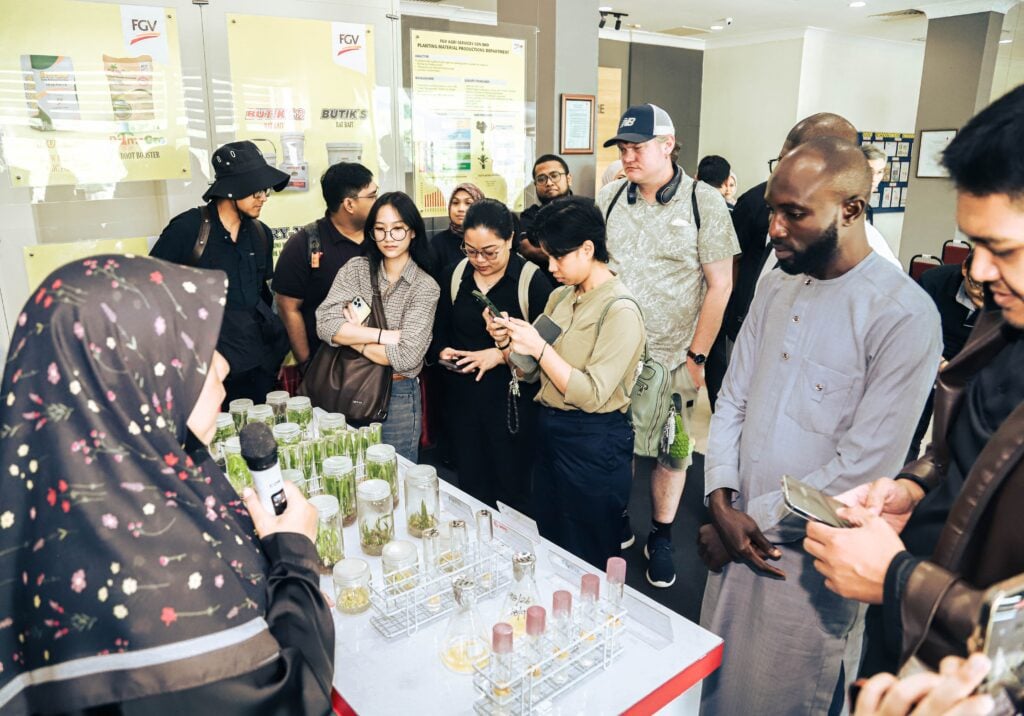
The programme also included a visit by a group of international media representatives to FGV's Innovation Centre in Enstek. There, they were introduced to the Group's research and development activities in tissue culture and food technology, providing a closer look at the innovation and scientific expertise that support FGV's agricultural and food businesses.
For the international delegates, seeing these operations firsthand offered a different perspective from simply looking at market figures
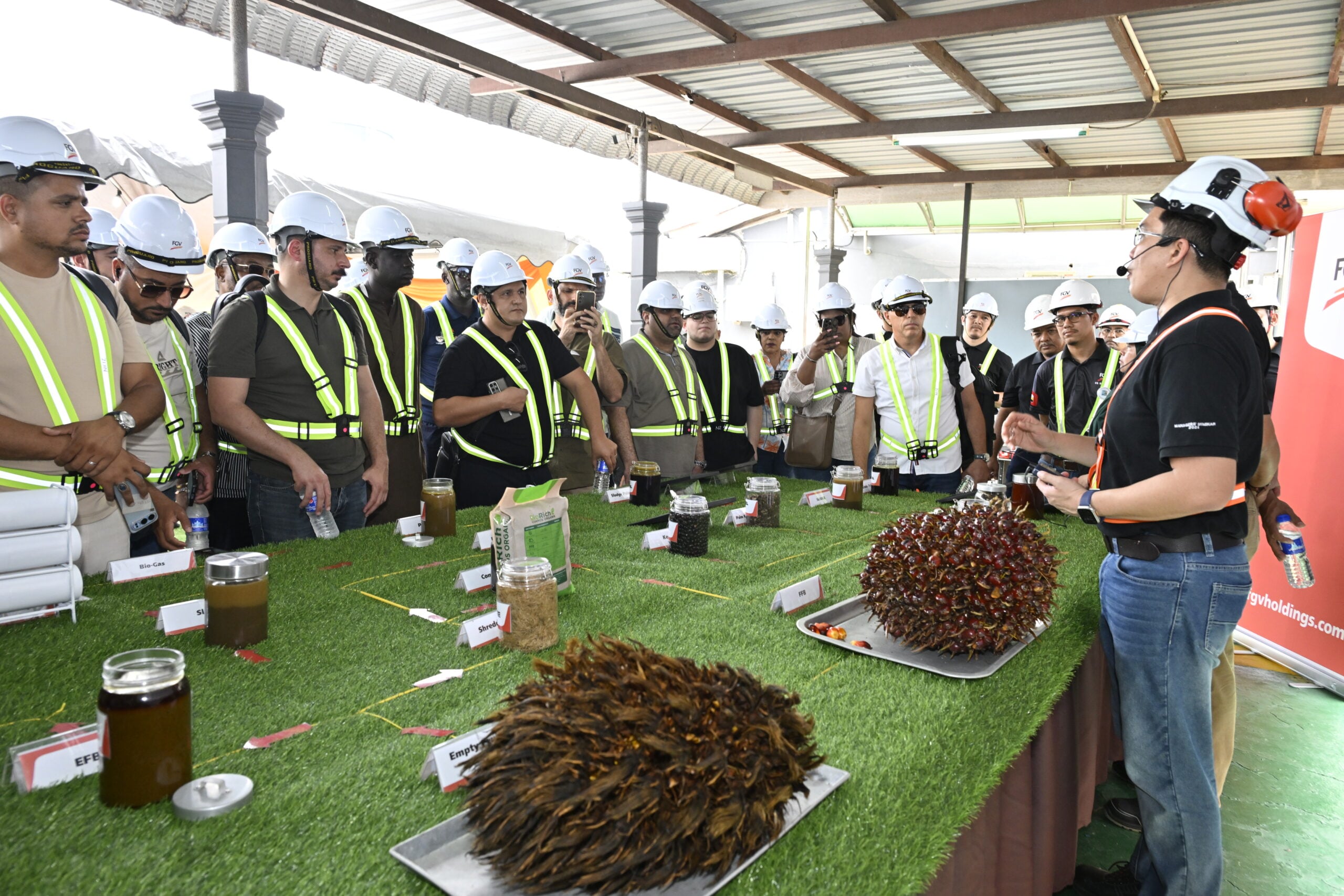
They were able to see the people, processes, technology, and infrastructure involved in moving palm oil from the plantation into a wider network of traders, refiners, manufacturers, and other businesses.
Delegates also learned about FGV's efforts to trace where its palm oil comes from, support responsible labour practices, and turn palm oil by-products into useful resources including biomass.
Beyond supply and price, buyers want to know more about the palm oil they purchase
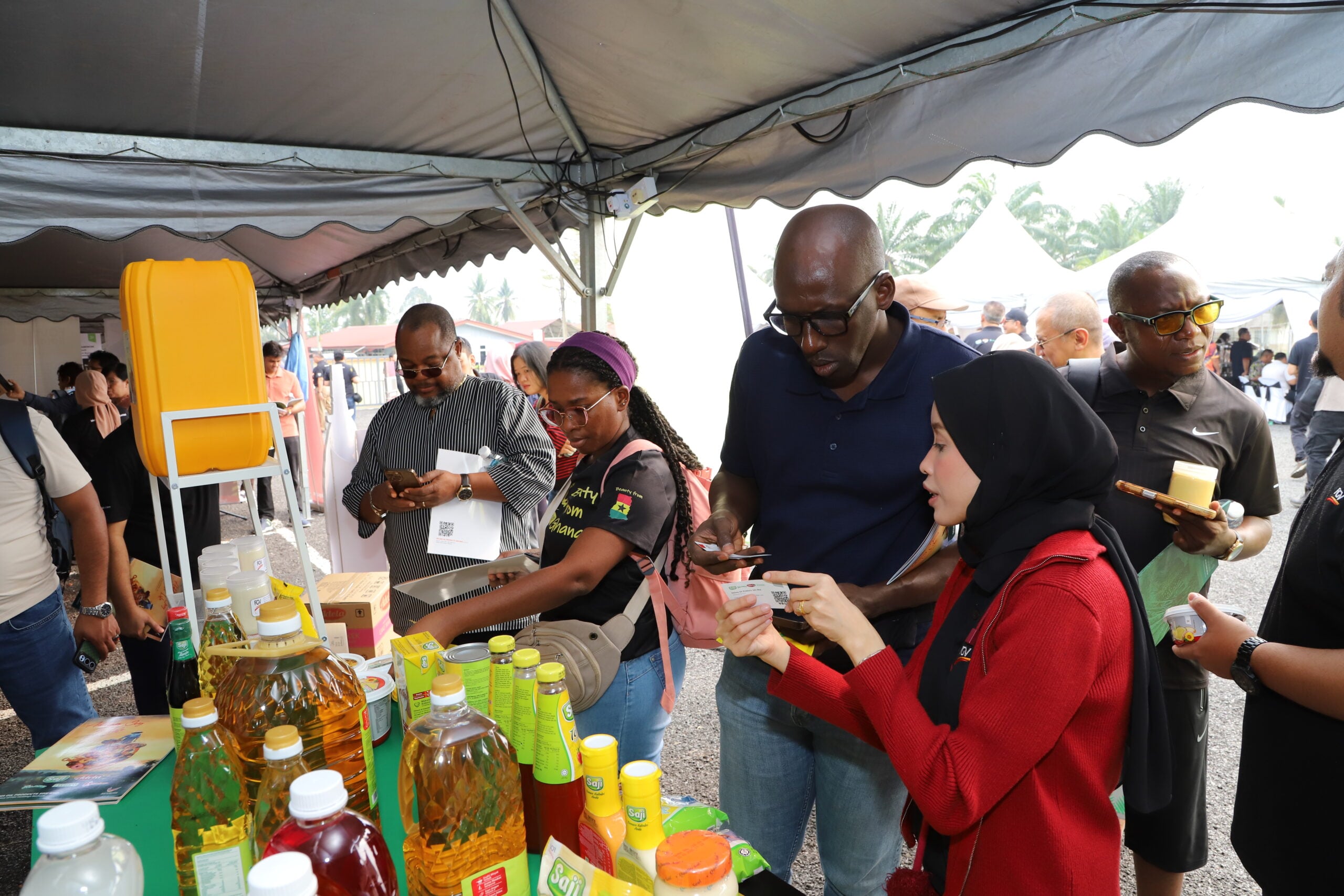
This include where it comes from, how it's produced, and how resources are managed along the way.
Technology is helping provide that visibility, with digital tools supporting plantation management and traceability.
For FGV, sustainability is part of how it manages the journey of palm oil starting at the plantation to the market.
From responsible production and traceability to making better use of resources, these efforts support its vision of delivering sustainable foods and agriproducts.
Today, palm oil plays an important part in Malaysian's lives, connecting agriculture with everyday activities
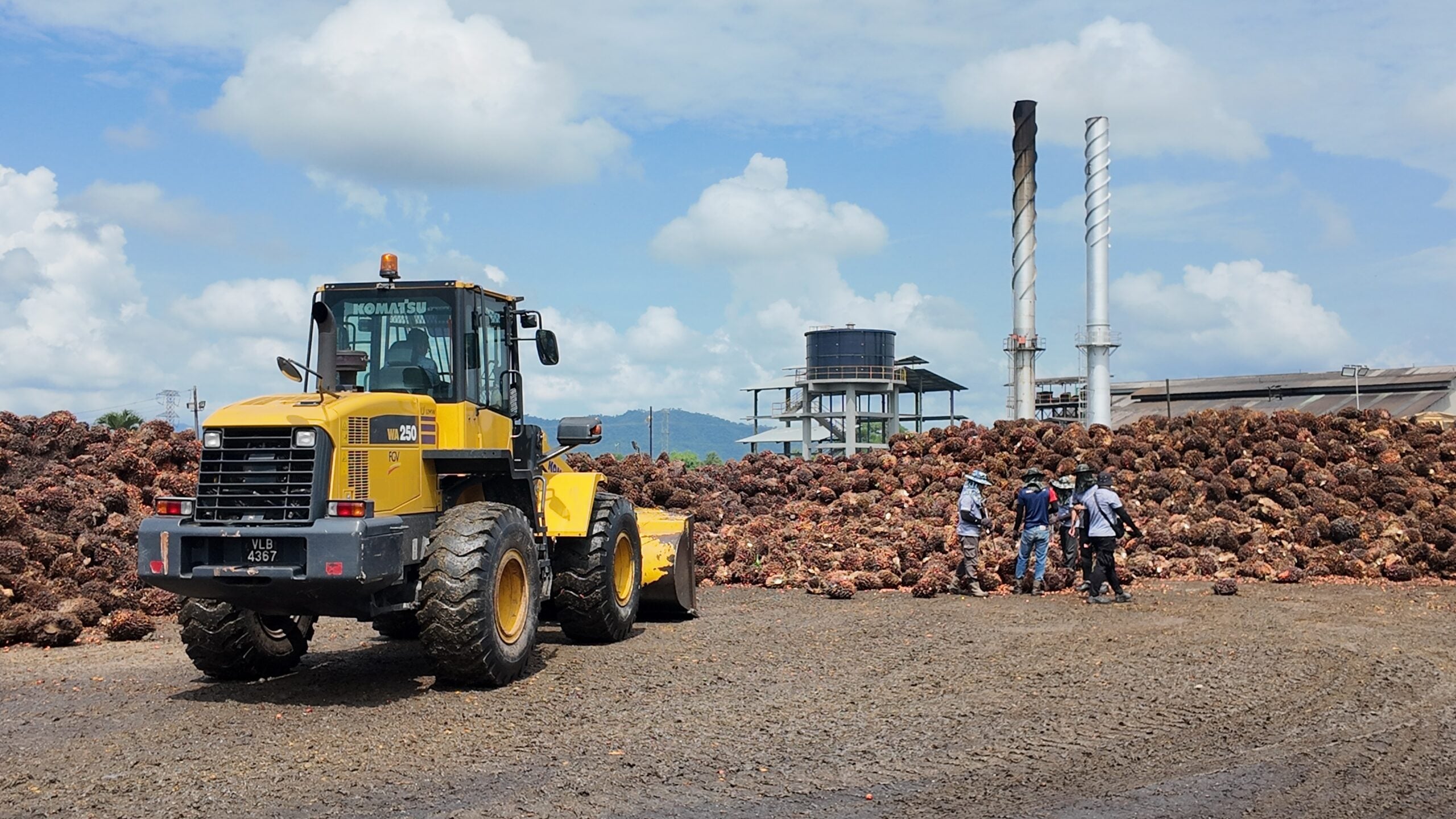
The journey may begin with fresh fruit bunches, but it involves people, technology, processing facilities, and a wider network of businesses along the way.
The visit to FGV's Besout Complex offered a closer look at what goes into producing an ingredient found in so many everyday products.
You can learn more about FGV and their efforts in the agricultural industry here
Got some cool brand news to share?

Take a look at all of our Spotlight stories to date here.
Catch up on the latest brand buzz!
- PTPTN's BMS 2026 Encourages Parents To Start Saving For Their Education With Simpan SSPN
- Minggu MyBakat 2026 Helps You Find Your Potential, Gain Industry Insights & Meet Mentors
- Here's How Program Anak Kita Helped These Students Turn Their SPM Journey Around
- Heading To LahLahLand 2026? Here Are 5 Things You Need To Know
