
Here’s A Step-By-Step Guide On How To Change A Flat Tyre
Proper maintenance reduces your chances of getting a flat tyre in the first place.


 Cover image via
 Follow us on Instagram, TikTok, and WhatsApp for the latest stories and breaking news.
A flat tyre can feel intimidating if you've never dealt with one before, but the truth is, it's a basic life skill everyone should know

Plus, getting a flat tyre could happen at any time, whether you're rushing to work or heading to a dinner date.
With that said, being able to swap out a tyre can save you time, money, and a whole lot of stress.
So, here's a simple guide on how you can change a flat tyre:
1. Pull over to a safe spot at the side of the road if you're driving
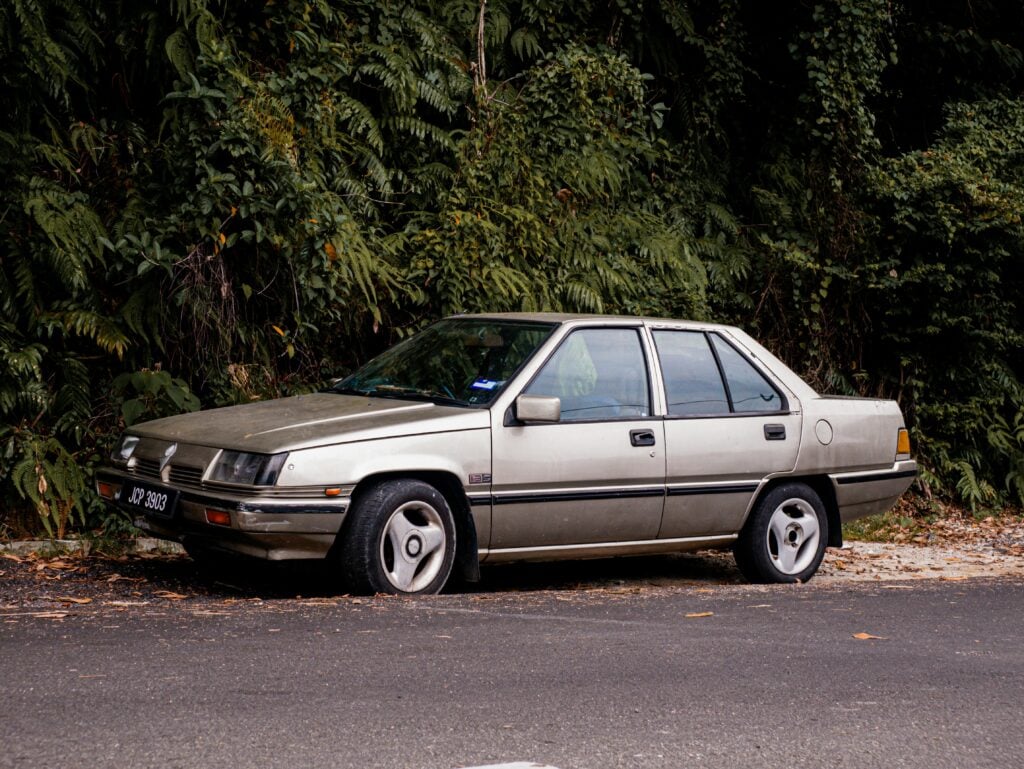
Slow down gradually and pull over somewhere safe and flat, away from any traffic.
Then, switch on your hazard lights so other drivers know something's wrong and if you have a warning triangle, place it about 45 to 60 metres behind your car.
2. Grab the tools and equipment needed for the tyre change
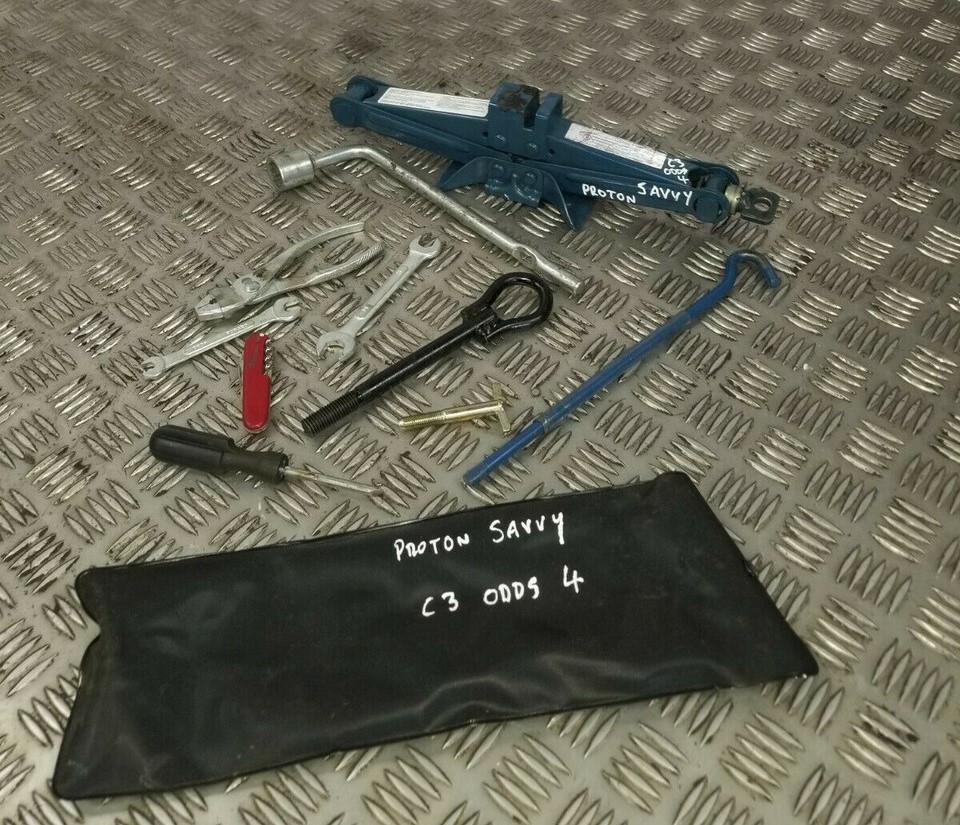
Most cars in Malaysia come with a tool kit, usually tucked under the boot floor (where your spare tyre is located).
The kit will include everything you need to change a flat tyre:
- Spare tyre
- Car jack
- Lug wrench
3. Loosen the lug nuts, but not all the way just yet
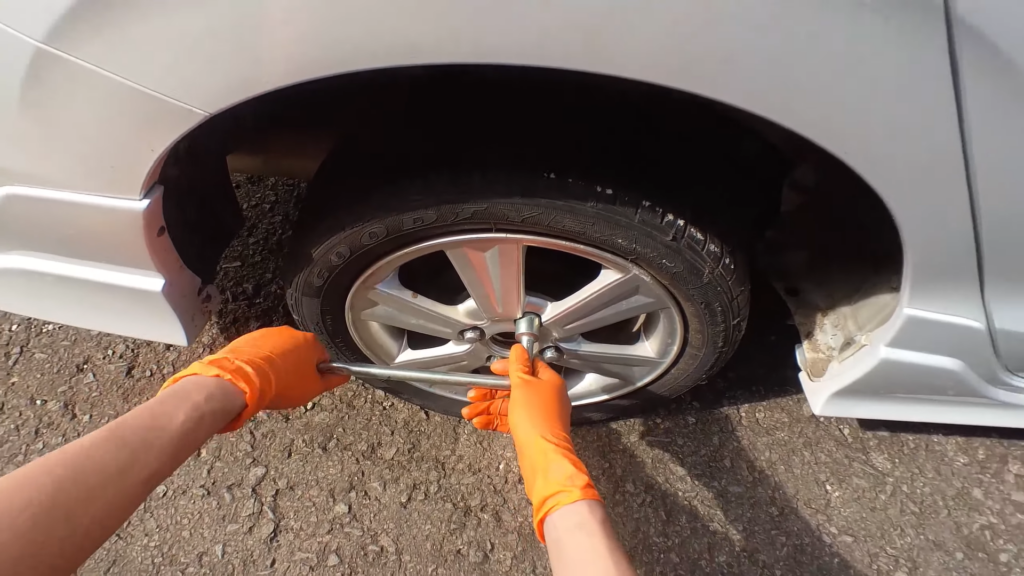
Use the lug wrench to turn the nuts anti-clockwise, but don't remove them completely yet.
Just loosen them enough so they're easier to remove later. It's much harder to do this when the wheel is already off the ground.
4. Now, it's time to jack up your car
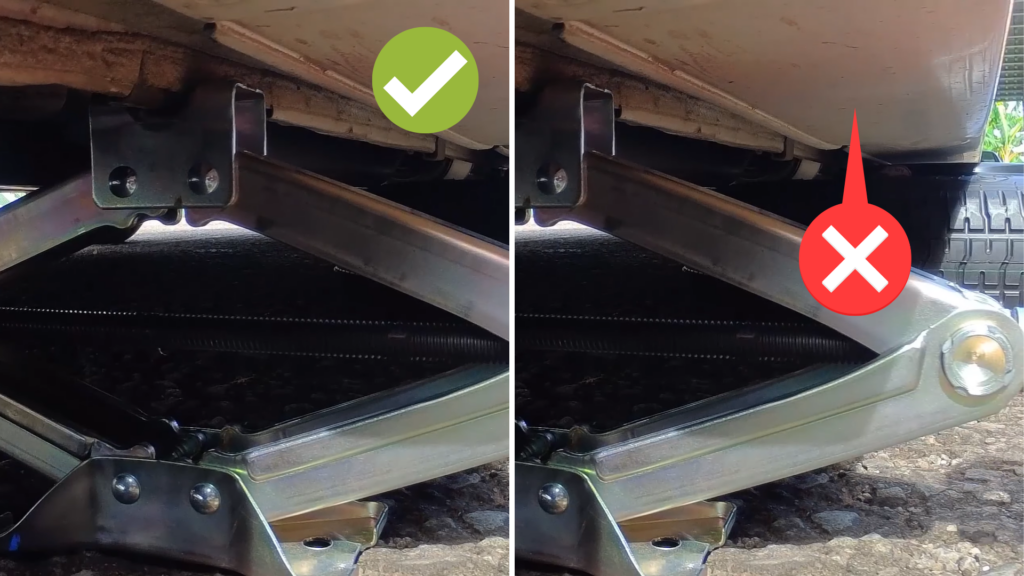
Every car has specific jack points, make sure you're jacking it up through the car's frame, and not the side skirt.
Just check your car's manual if you're unsure about where the proper jack points are.
It's also good practice to place your spare tyre under the frame of your car to act as a support in case the jack fails to function properly.
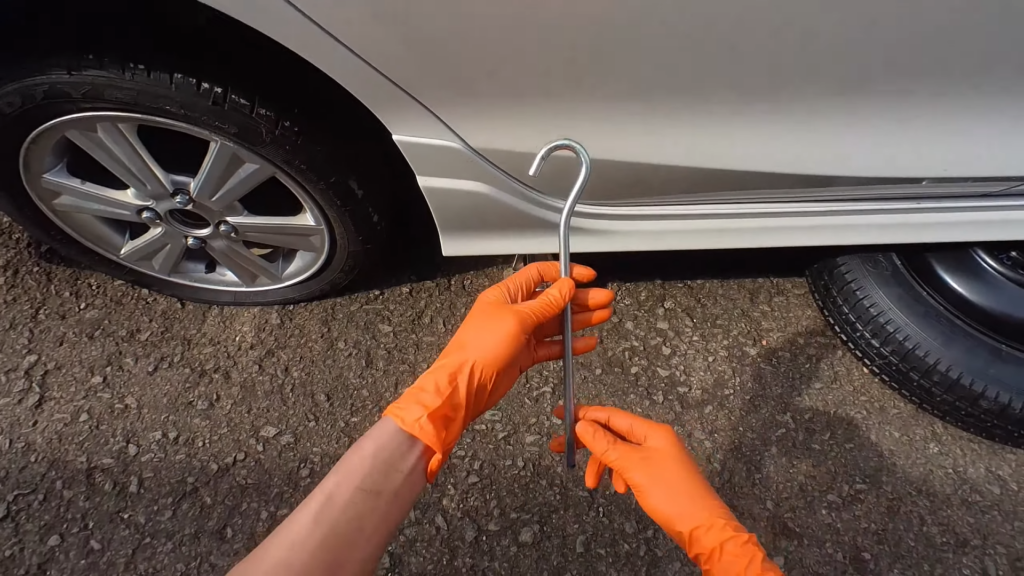
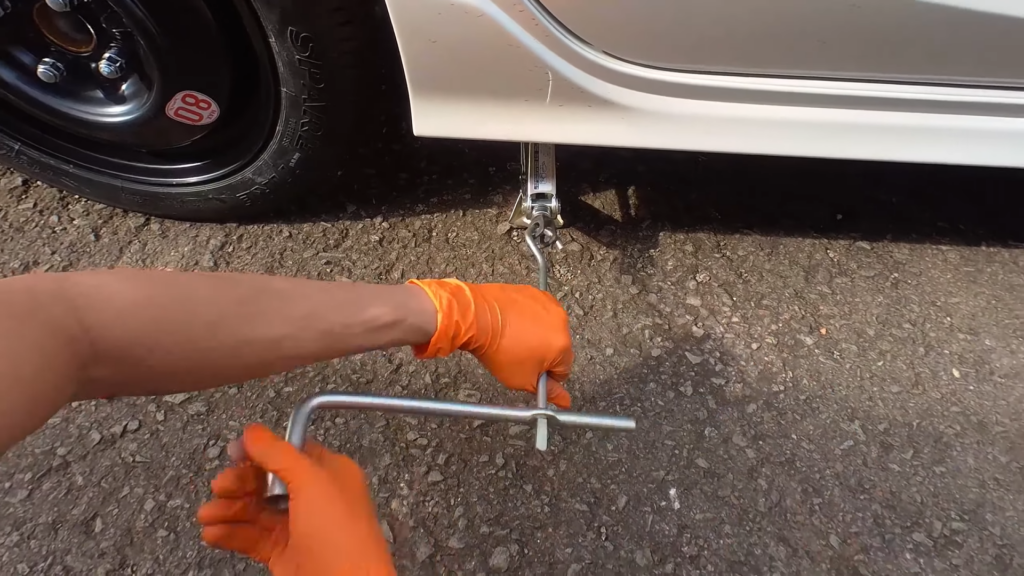
Once you have the jack under the frame of your car, use the jack-wrench tool provided and hook it onto the jack itself like this:
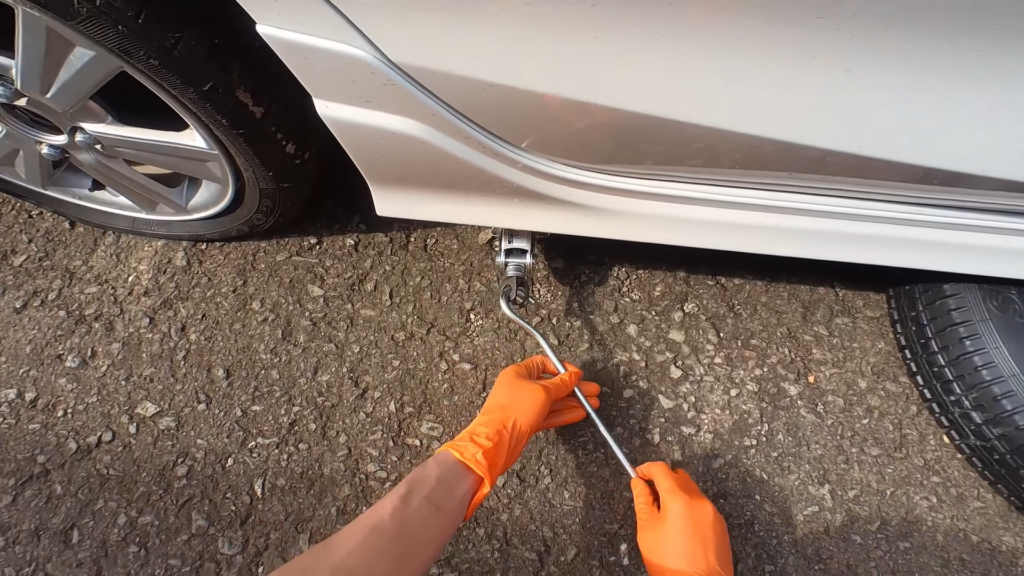
Then, attach your lug wrench to the hook tool so it can help you lift the car jack easier.
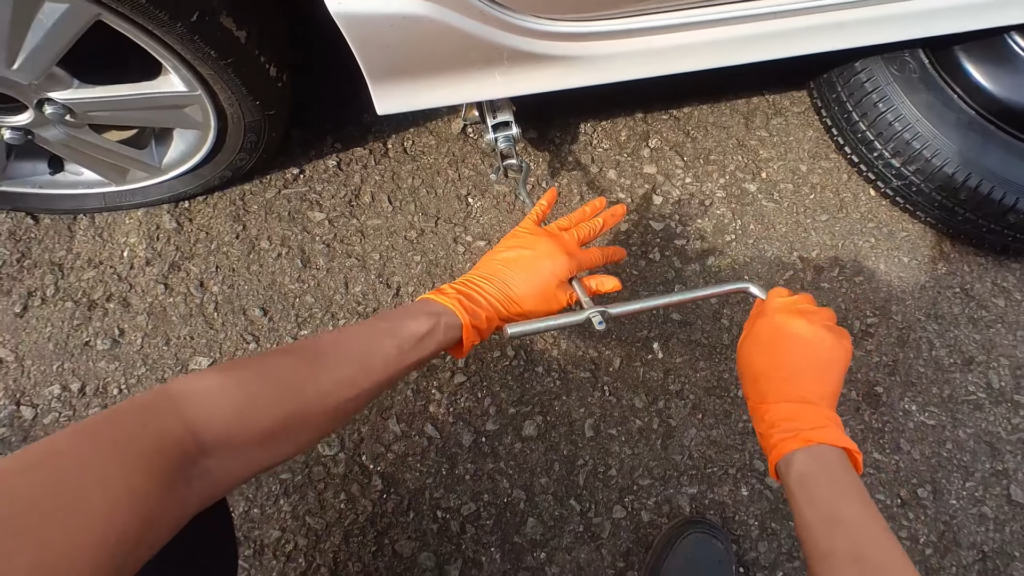
Now, just turn the jack clockwise and you should start to see the car being propped up. Just lift your car until the tyre is completely lifted from the road.
5. Once your car is jacked up, it's time to remove the old wheel
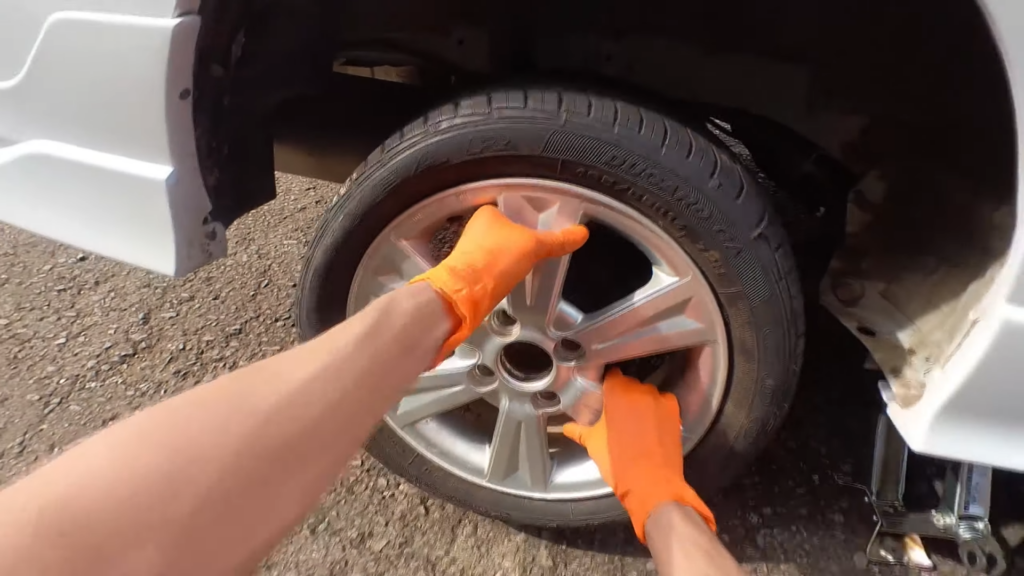
Now you can fully unscrew the lug nuts and keep them somewhere safe (make sure you don't lose them).
Once all the nuts are off, gently pull the tyre towards you. It might need a bit of wiggling, especially if it hasn't been removed in a while.
Once it's out, place it flat on the ground so it doesn't roll away while you continue with the other steps.
6. Mount the spare tyre and tighten the nuts by hand first
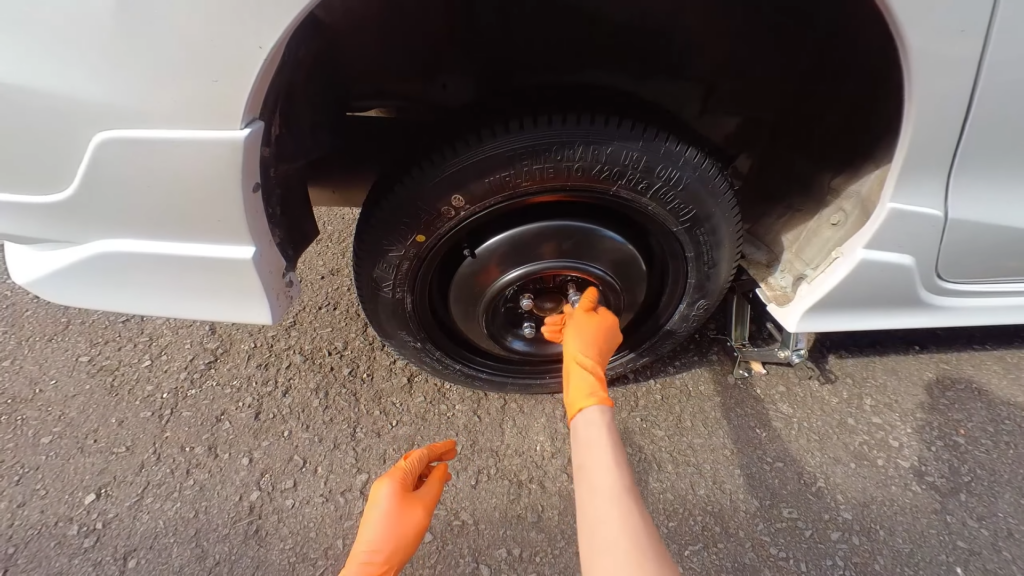
Line up the holes on the spare wheel with the bolts on the car and push the tyre into place. Be cautious to not drop the wheel on yourself during this process.
Put the lug nuts back on and tighten them with your hands as much as possible. This helps keep the tyre aligned before you use the wrench.
7. Lower the car and fully tighten the lug nuts in a criss-cross pattern
Rotate the jack anti-clockwise to lower the car just enough to have the tyre make contact with the ground.
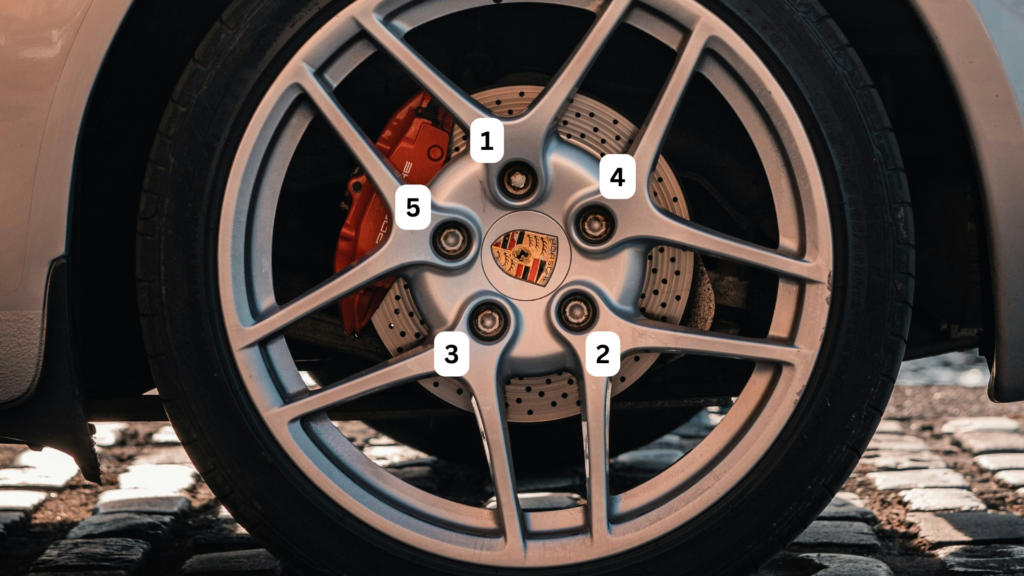
Now, tighten the lug nuts with the wrench you used earlier in a criss-cross pattern to ensure the pressure is evenly distributed.
Make sure you tighten them as much as you can before you lower the jack completely and remove it from under your car.
8. Double-check everything and pack up your tools
Before you drive off, give the tyre a quick visual check to make sure everything is properly in place.
Make sure all the nuts are tight, your tools are back in the boot, and your flat tyre is stored. Then, remove the warning triangle and turn off your hazard lights.
Once you're done, drive slowly and safely to the nearest mechanic
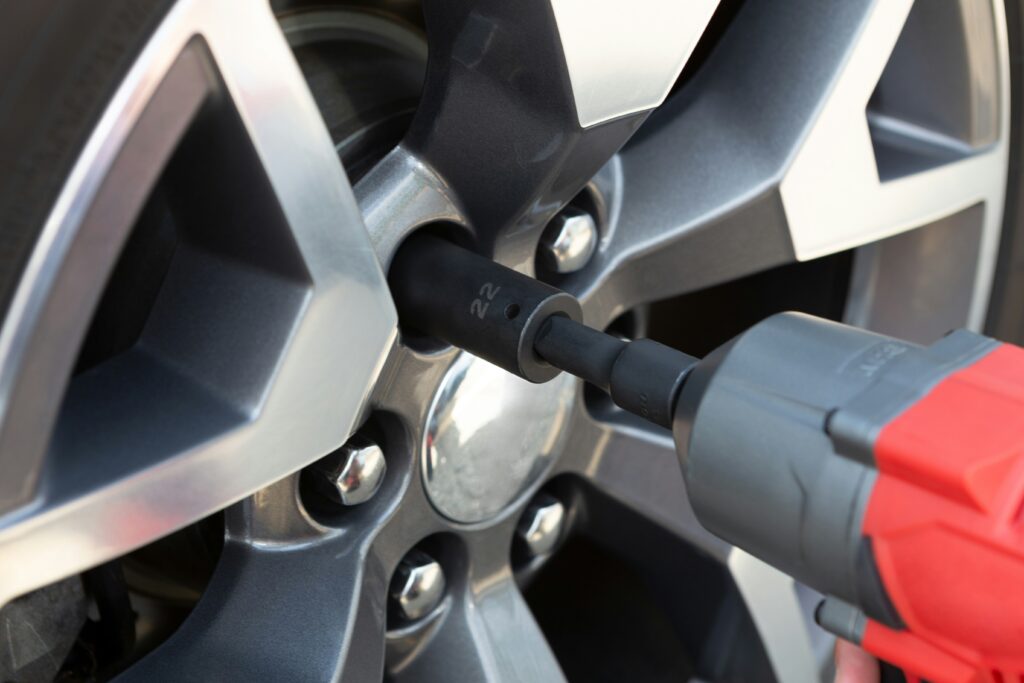
The spare tyre is not a permanent fix as most of them are only safe for speeds below 80km/h and short distances.
Head to the nearest workshop or tyre shop as soon as possible to repair or replace your original tyre.
