
When Is Period Pain Not Normal? Here Are Signs You Should Get Checked
Painful periods are medically known as dysmenorrhoea.


 Cover image via
 Follow us on Instagram, TikTok, and WhatsApp for the latest stories and breaking news.
For some women, periods are uncomfortable but manageable. They go about their day, head to work, and carry on as usual.
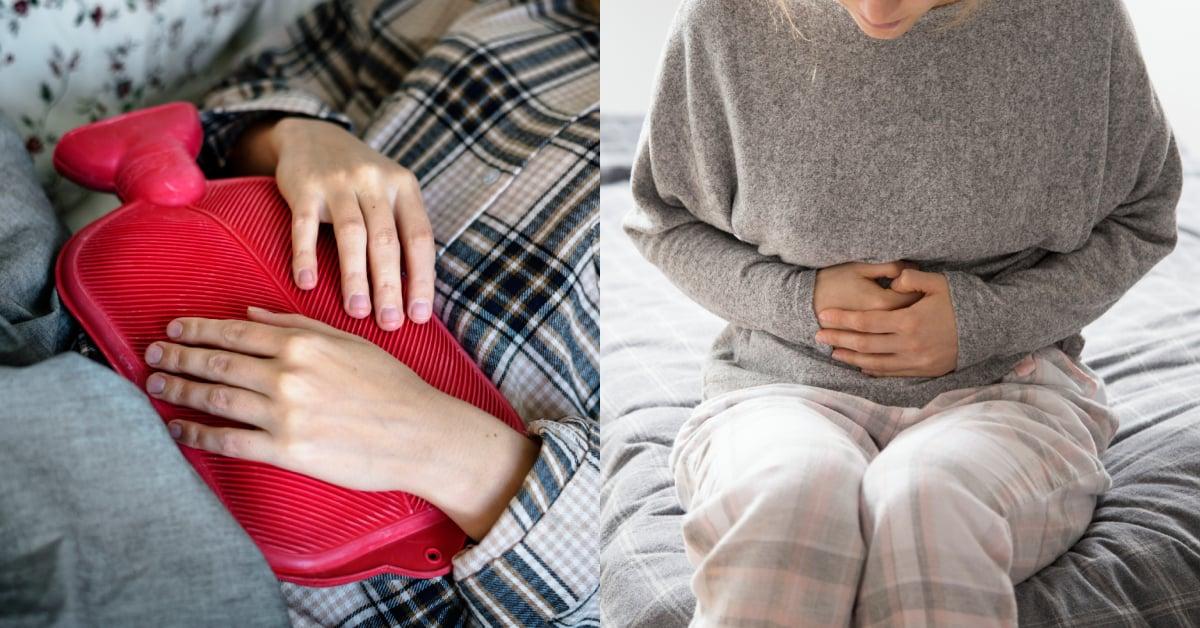
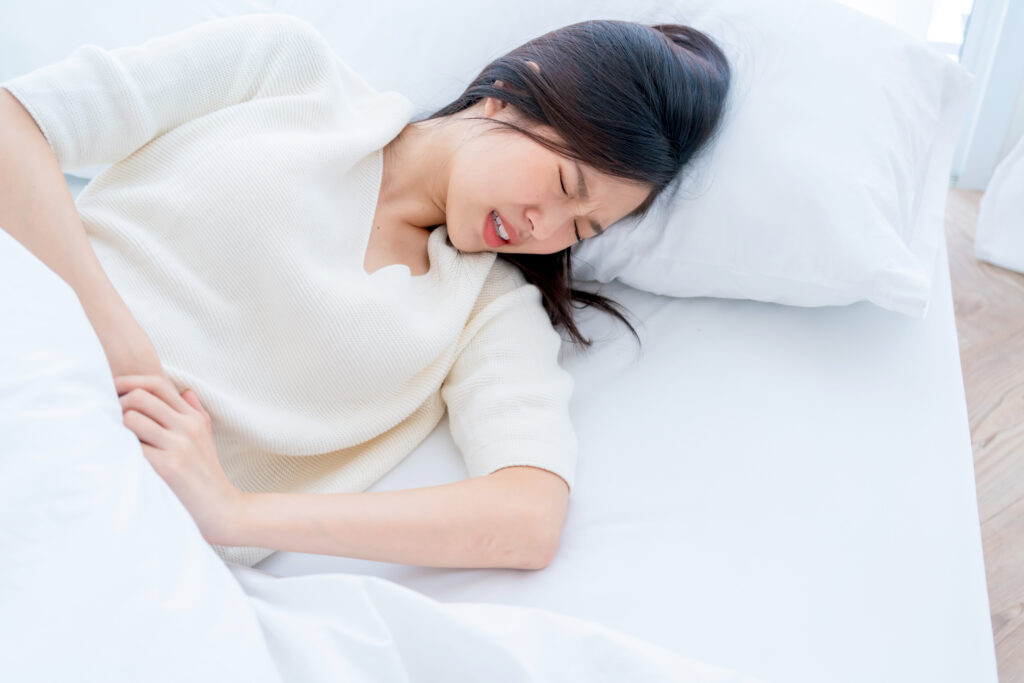
For others, menstruation can mean being curled up in bed, clutching a hot water bottle, and waiting for the pain to pass.
What period pain is considered normal, and when should it be checked by a doctor?
We spoke to Dr Chan Jin-Mae, resident doctor at Selangor Darul Ehsan and Wilayah Persekutuan Family Reproductive Health Association (SWP FReHA), to better understand what painful periods can mean and when they may signal an underlying condition.
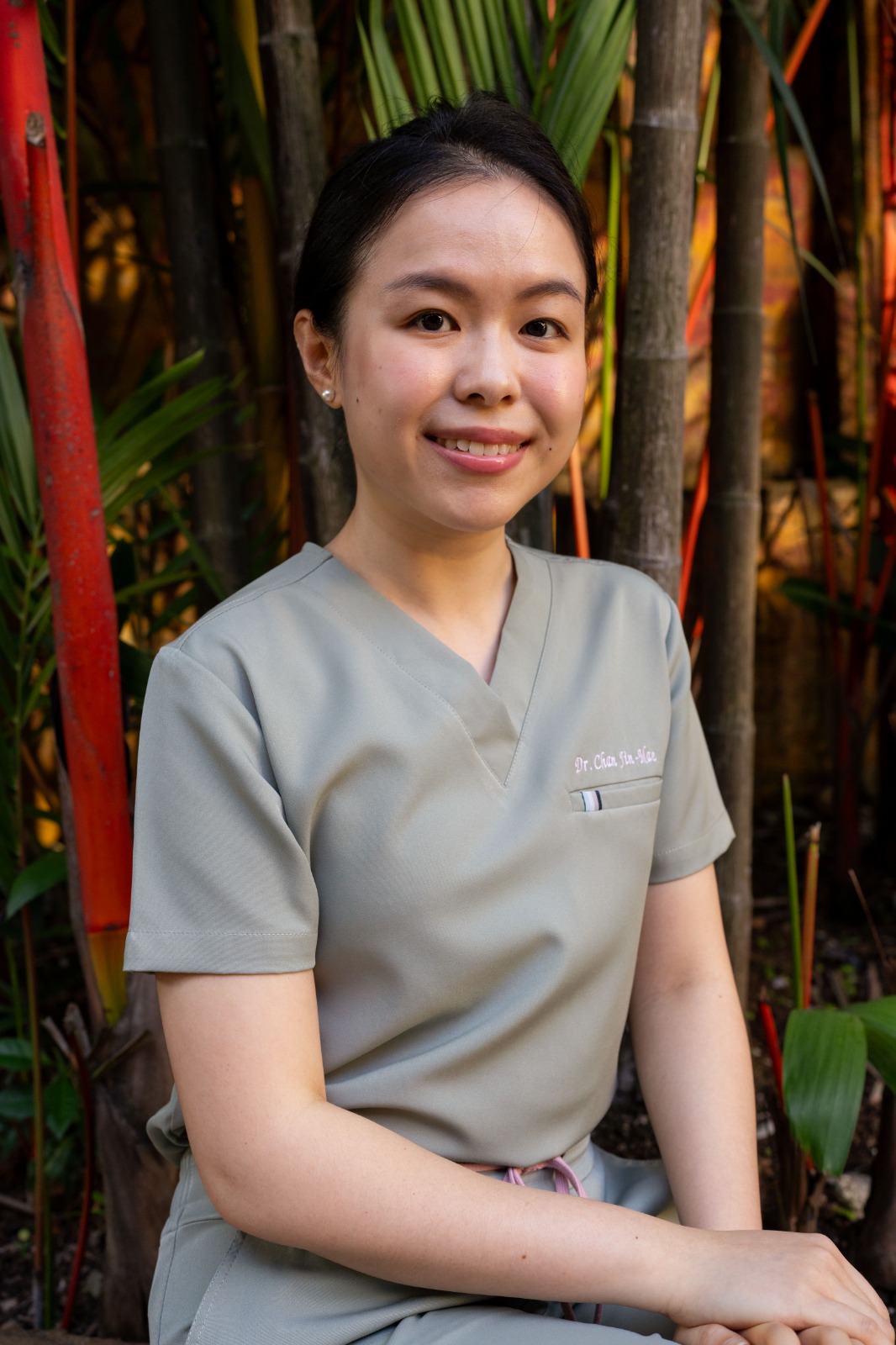
Dr Chan Jin-Mae.
Image via Provided to SAYSWhat is period pain?
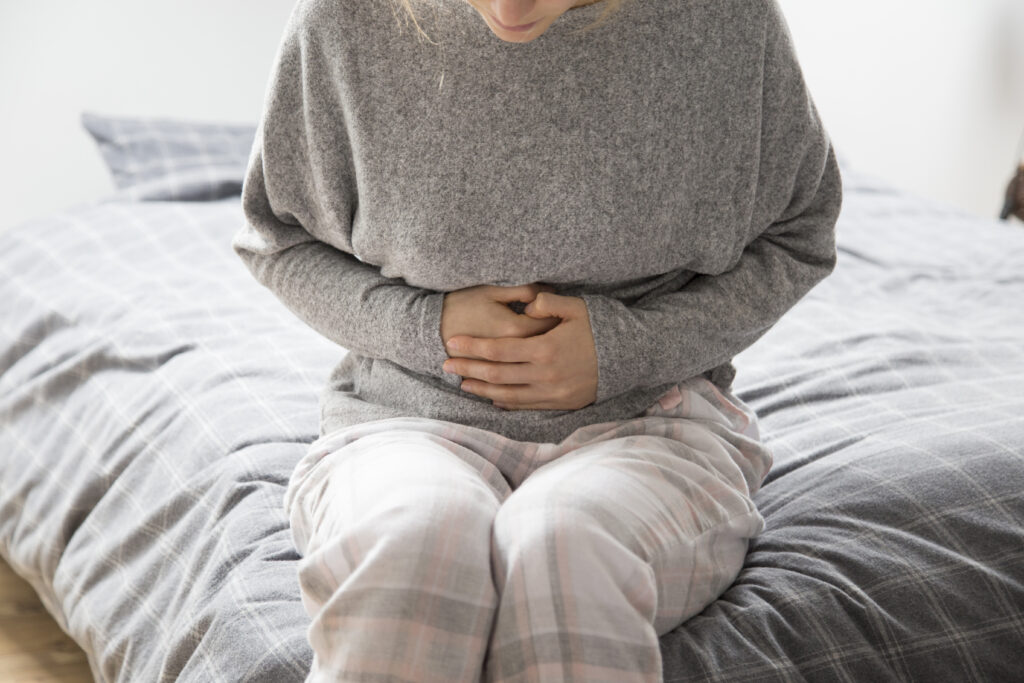
Period pain, or menstrual cramps, happens when the uterus contracts to shed its lining during menstruation.
This can cause throbbing or cramping pain in the lower abdomen, and also be accompanied by lower back pain, nausea, diarrhoea, or headaches.
According to Dr Chan, some level of cramping is common during menstruation and varies from person to person. For many, the pain begins shortly before or when bleeding starts, peaks within the first 24 to 48 hours, and eases by the third or fourth day.
What causes painful periods?
Painful periods are medically known as dysmenorrhoea, and according to Dr Chan, it can be classified into two types.
Primary dysmenorrhoea refers to painful periods without an underlying medical condition.
"It means painful periods in the absence of organic disease — there is no specific cause," Dr Chan explained.
This is more common among adolescents, especially within the first two to three years after they begin menstruating, and may improve with age.
Secondary dysmenorrhoea refers to period pain caused by an underlying health condition, which may require further treatment.
Some common causes include:
– Endometriosis (a medical condition where tissue similar to the uterine lining grows outside the uterus)
– Adenomyosis (a medical condition where uterine lining grows into the muscular wall of the uterus)
– Uterine fibroids
– Endometrial polyps
– Pelvic inflammatory disease
What can you do about period pain?
Dr Chan said to help ease your period pain, you can try some home remedies first, such as:
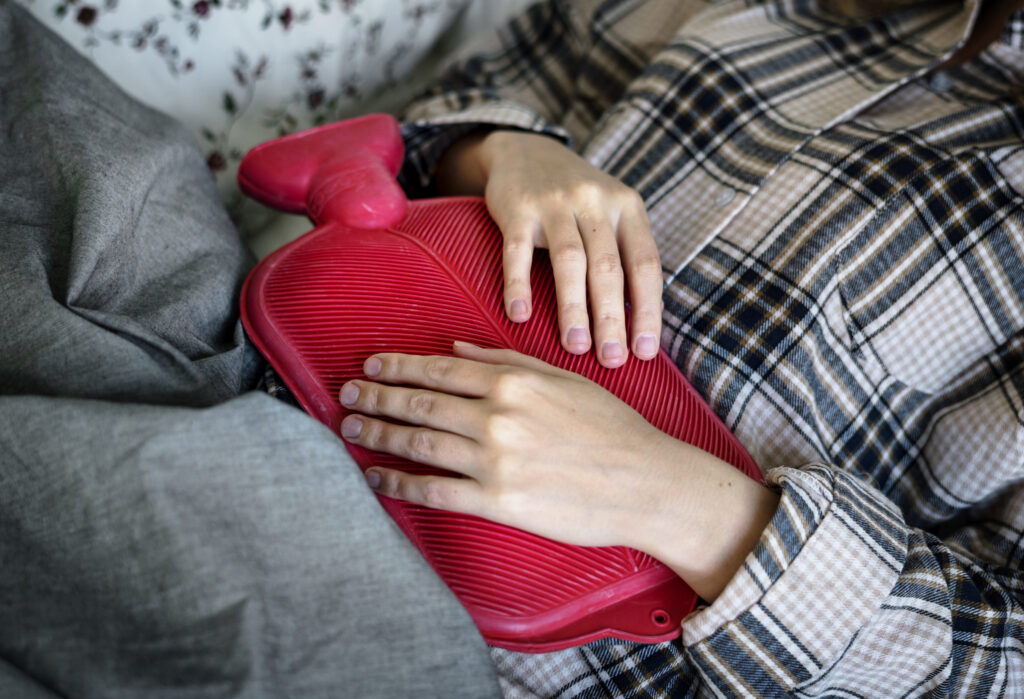
– Using a hot water bottle or heating pad over the painful area
– Practising relaxation techniques, such as deep breathing
– Staying warm and avoiding prolonged exposure to cold
– Getting enough rest
– Avoiding smoking and alcohol
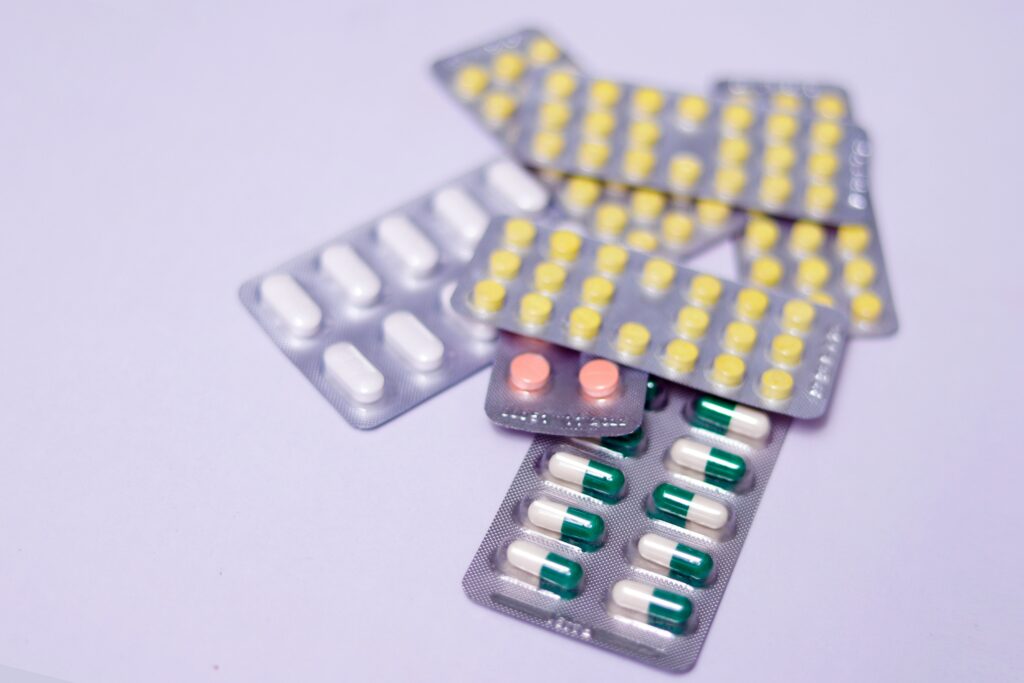
She also recommends trying over-the-counter medication in this order:
– A simple pain reliever such as Paracetamol first
– If that does not bring relief, try a non-steroidal anti-inflammatory drug (NSAID) such as Mefenamic acid, Naproxen, or Ibuprofen
Dr Chan said women should not feel ashamed about taking painkillers if their period pain becomes difficult to tolerate.
When should you see a doctor?
While period pain is common, Dr Chan said women should seek medical attention if the pain significantly affects their daily life.
She advised seeing a doctor if your menstrual cramps:
– Are not relieved by over-the-counter pain medication
– Prevent you from carrying out normal daily activities
– Gets worse over time, especially if your periods were previously manageable
– Are accompanied by unusually heavy bleeding
What treatment is available for severe period pain?
If your period pain is primary dysmenorrhoea, your doctor may prescribe stronger pain medication or hormonal birth control to help reduce pain and manage symptoms.
If your period pain is caused by secondary dysmenorrhoea, treatment will depend on the underlying condition. In some cases, surgery may be required.
Dr Chan stressed that while some pain during periods is normal, women should not assume it is something they simply have to endure.
Seeking medical advice early can help identify any underlying conditions and improve quality of life.
Dr Chan is the resident doctor and state manager of SWP FReHA, an NGO that specialises in providing sexual and reproductive health services, access, and education to all levels of community. To find out more about the clinic, click here.
The information provided is for educational and communication purposes only and it should not be construed as personal medical advice. Information published in this article is not intended to replace, supplant, or augment a consultation with a health professional regarding the reader's own medical care.
Let's normalise conversations around women's health through education, community, and action
Click here to Just Flow With It.