


 Cover image via
 Follow us on Instagram, TikTok, and WhatsApp for the latest stories and breaking news.
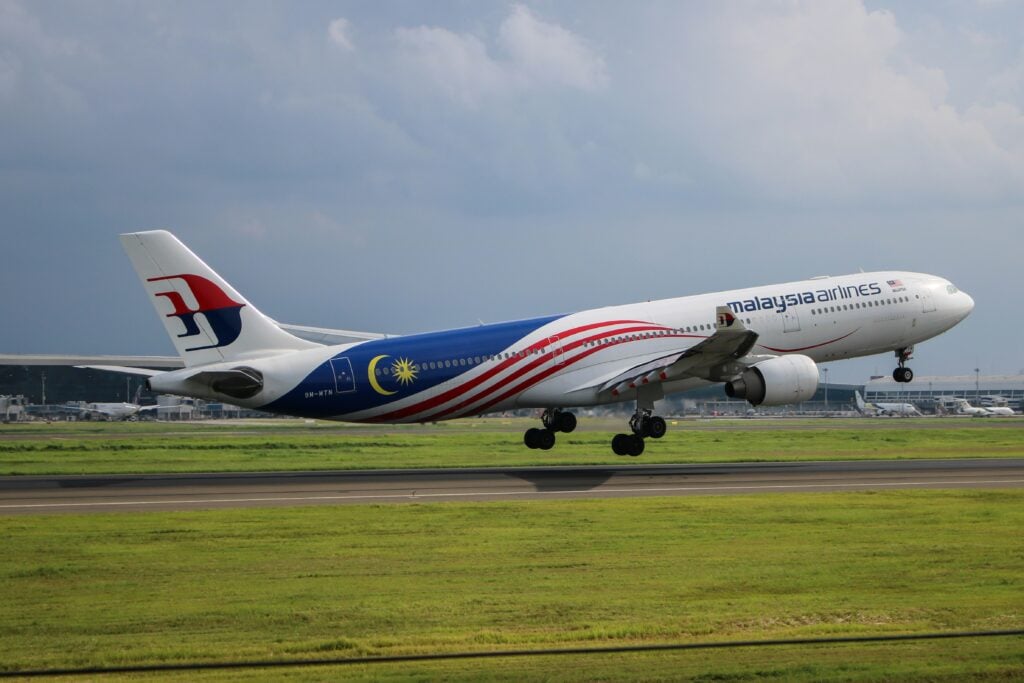
If you've flown on a plane before, you might've wondered why the flight crew always asks you to straighten your seats, stow your tray, and open the window shades before take-off and landing
The thing is, these aren't arbitrary policies designed to make boarding less comfortable.
They're all part of a safety system refined over decades through accident investigations, aircraft certification standards, and recommendations from aviation authorities.
Here's why these processes matter:
1. Keeping the window shades up
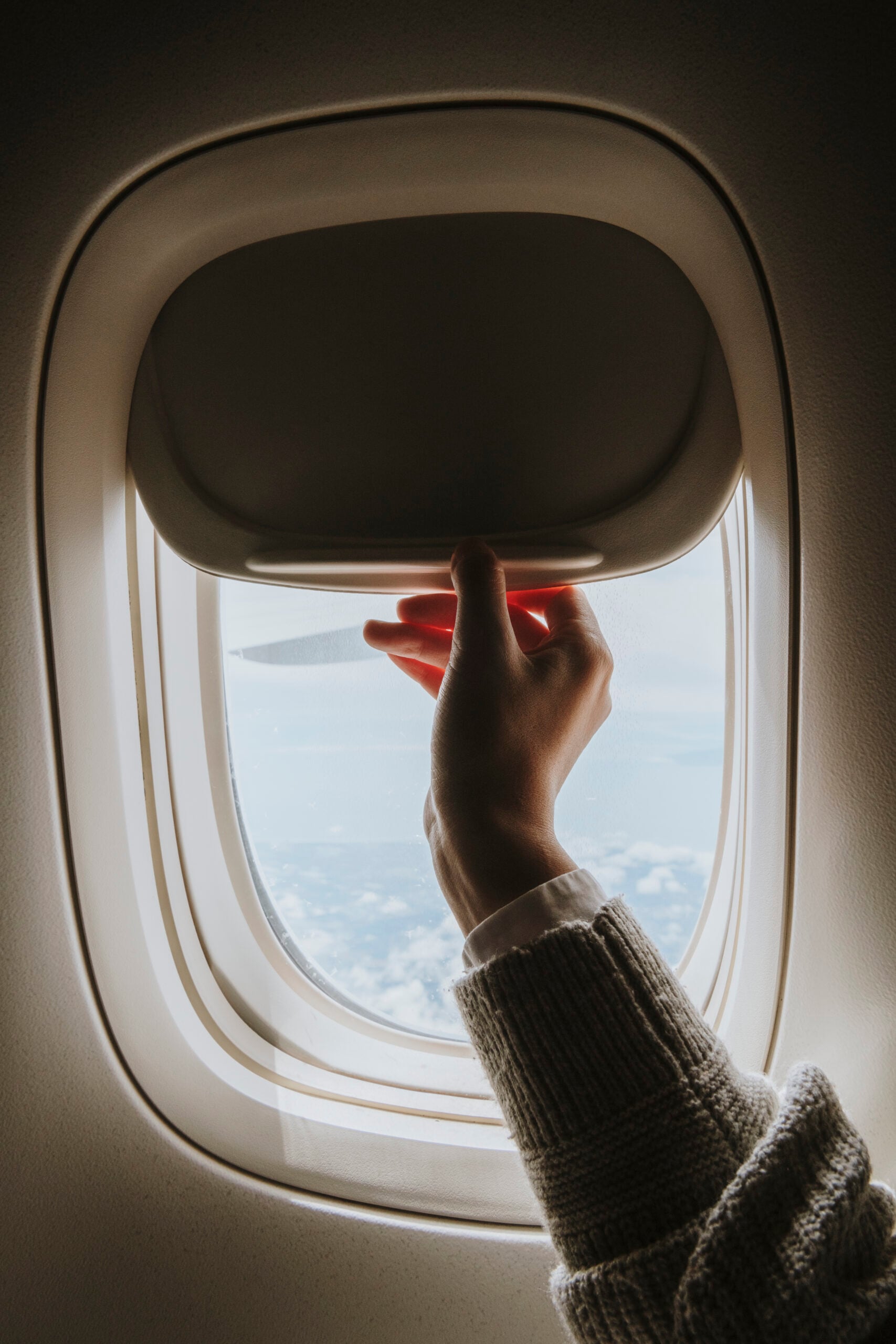
Many airlines include this in their standard operating procedures because it gives the cabin crew an immediate view of what's happening outside the aircraft.
With the shades open, they can quickly spot smoke, fire, leaking fuel, debris, or damage near the aircraft, helping them decide which emergency exits are safe to use. Passengers can also alert the crew if they notice something unusual outside their window before anyone else does.
The Civil Aviation Authority of Singapore also notes that open window shades help emergency responders assess conditions inside the cabin and allow passengers' eyes to adjust more easily to the lighting outside. That's also why many airlines dim the cabin lights during night-time take-offs and landings.
2. Straightening your seat
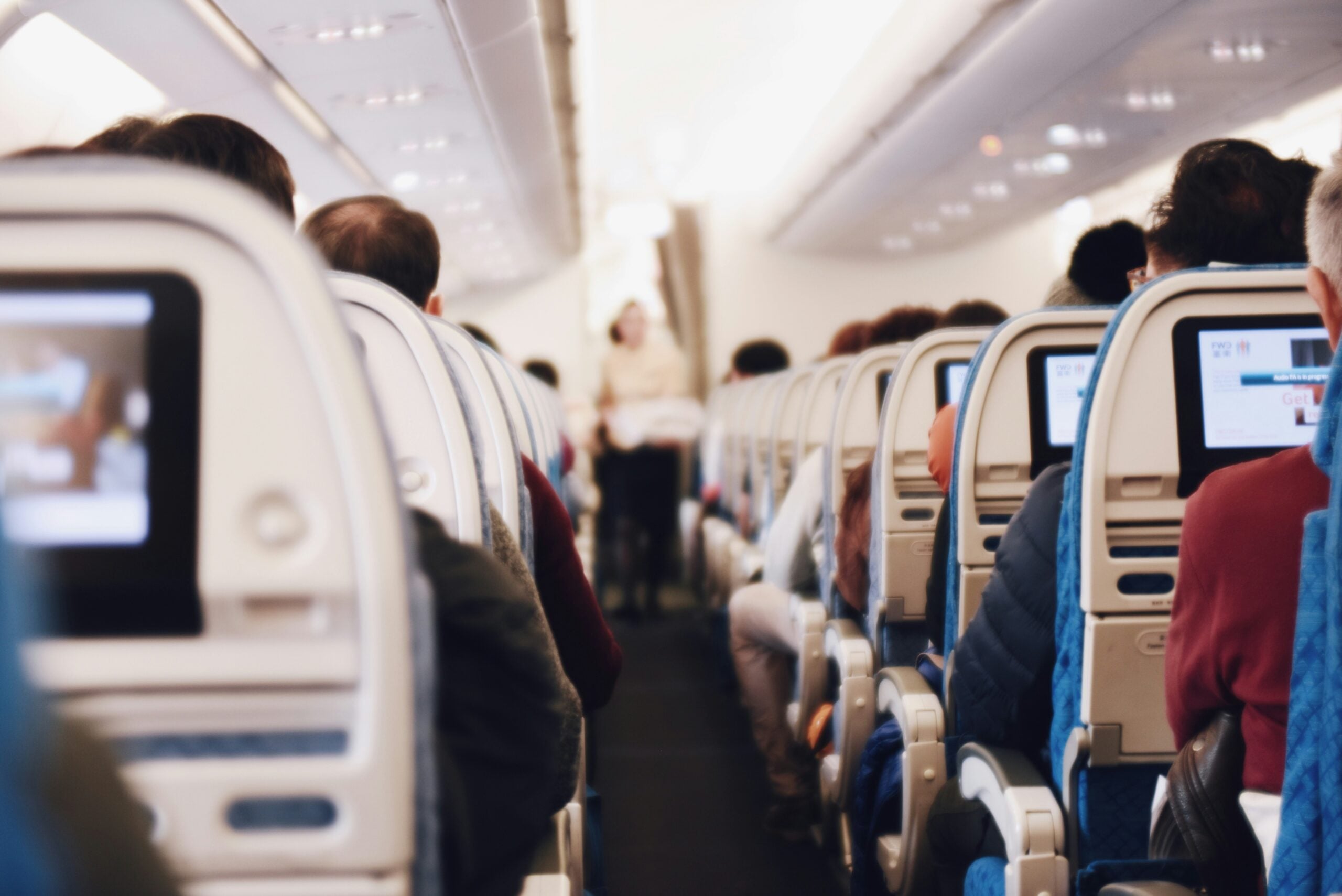
A reclined seat is great once you're cruising at 35,000 feet, but it can become an obstacle during an emergency.
If the person in front is fully reclined, passengers behind have less space to stand up, turn into the aisle and move towards an exit. The delay may only be a few seconds, but when hundreds of people are trying to leave an aircraft at once, those seconds can make a significant difference.
An upright seat also makes it easier for passengers to adopt the brace position if instructed by the cabin crew, helping reduce injuries during a hard impact.
These procedures are backed by certification requirements. Aircraft manufacturers must demonstrate that a fully loaded aircraft can be evacuated within 90 seconds using only half of its emergency exits, a standard overseen by regulators such as the US Federal Aviation Administration.
3. Stowing the tray tables
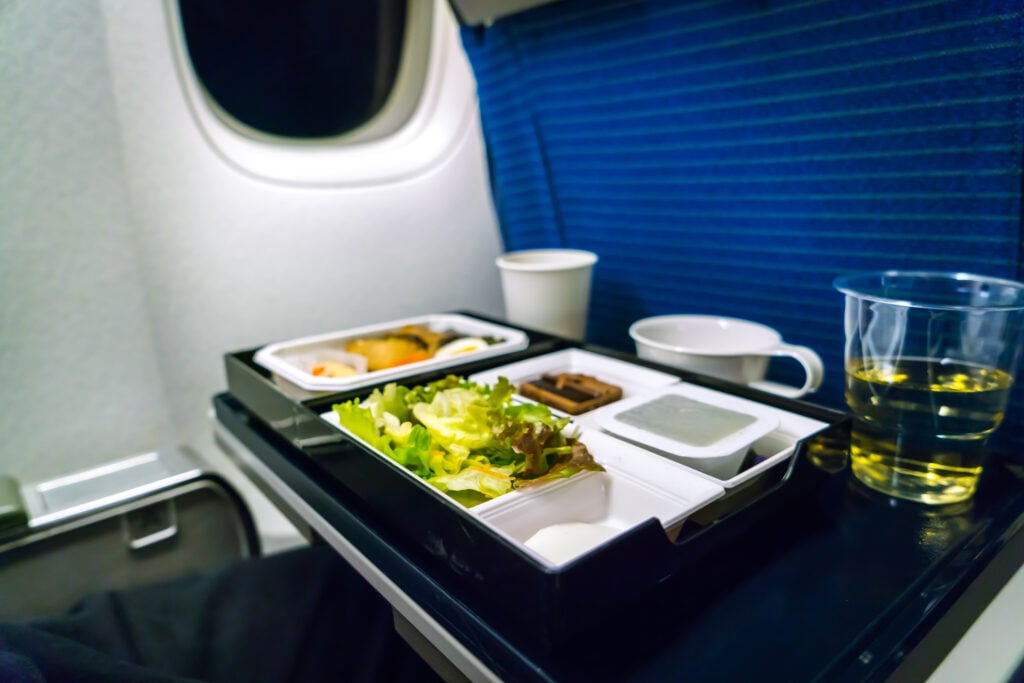
On its own, a tray table might not seem like a major hazard, but leaving it open reduces the space around your seat, making it harder to get out quickly if an evacuation becomes necessary.
It also creates another hard surface that passengers could strike during a sudden impact, making it riskier to have open during an emergency situation.
