
12 Things Drivers Need To Know About Malaysia’s New Road Transport Law
Street racers, 'tontos', drivers with suspended licences, and even e-scooter users could be affected.


 Cover image via Mohd Rasfan/AFP
Follow us on Instagram, TikTok, and WhatsApp for the latest stories and breaking news.
Malaysia's road transport laws are getting one of their biggest overhauls in years after the Dewan Rakyat passed the Road Transport (Amendment) Bill 2026 on 24 June
The amendments introduce tougher penalties against illegal street racing, recognise digital driving licences and road tax records as official documents, raise traffic compound limits, and give authorities wider enforcement powers.
But what does that actually mean for ordinary drivers?
Here's a breakdown of the changes that could affect you.
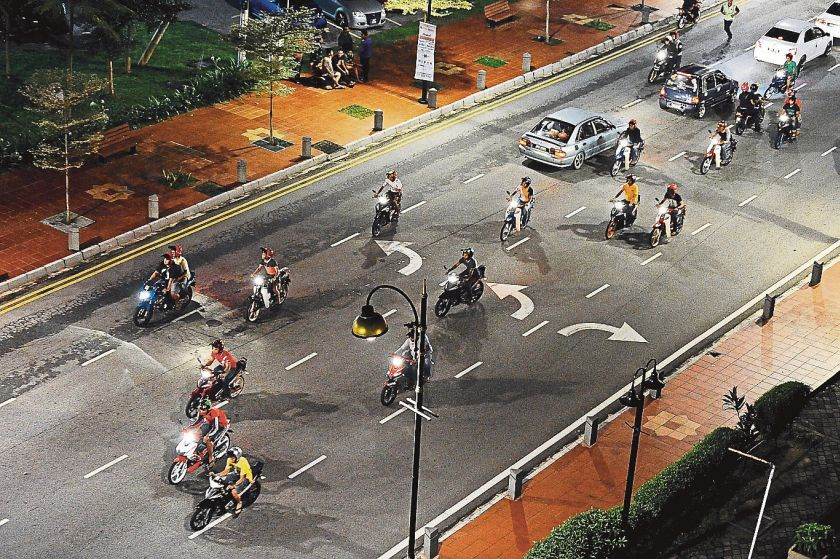
1. Illegal street racing is now a crime on its own
Previously, authorities often had to prove that a racer had caused danger, injury, or an accident before pursuing more serious charges.
The new law changes that.
Under a new Section 42A, simply participating in an illegal race on a public road can now be prosecuted as a standalone offence.
This applies to both motorcycles and cars.
First-time offenders face fines of between RM2,000 and RM10,000, up to two years in jail, or both.
Repeat offenders can be fined up to RM20,000, jailed for up to five years, or both.
The ministry has also clarified that the law targets competitive racing and challenge-based speeding involving multiple vehicles, not legitimate overtaking manoeuvres.
2. Testing how fast your own car can go could also get you into trouble
The amendments do not only target races between multiple vehicles.
The law also introduces offences covering speed trials conducted on public roads.
In other words, a motorist does not necessarily need a competitor to face prosecution.
Testing a vehicle's limits, carrying out timed runs, or conducting speed trials on public roads could attract the same penalties.
3. People who warn others about roadblocks may face scrutiny
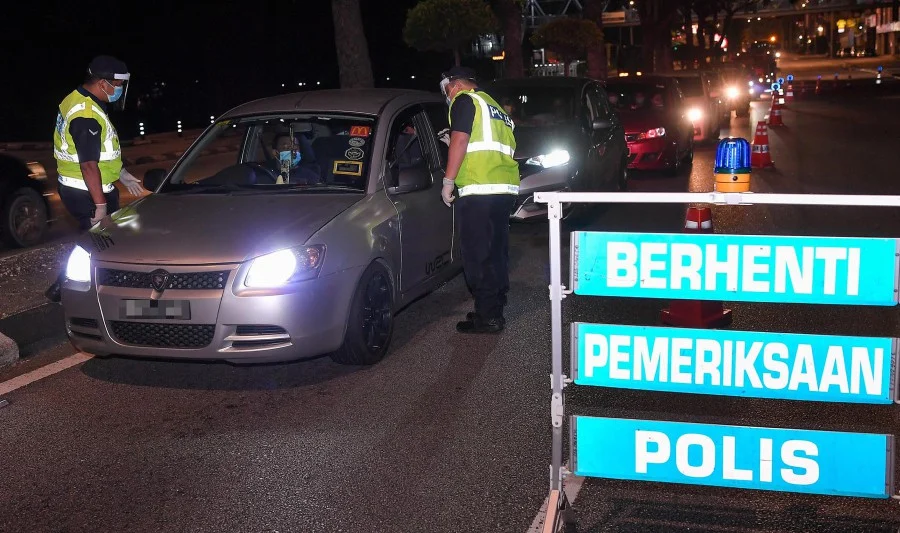
One of the more controversial additions is a new offence targeting 'tontos', individuals who help offenders evade enforcement operations.
The law criminalises actions such as tailing enforcement vehicles, obstructing officers, or sharing operational information intended to help offenders avoid detection.
The provision is primarily aimed at organised lookout networks used by illegal racing groups and transport syndicates.
However, questions remain over where authorities will draw the line when it comes to publicly sharing roadblock locations online.
4. The RM500 compound is coming, but not yet
The government is increasing the maximum compound amount for more than 700 traffic offences from RM300 to RM500.
This includes offences such as speeding, driving without a valid licence, failing to obey traffic signals, and driving without valid road tax.
However, the increase is not expected to take effect immediately.
The government has announced a transition period, with implementation targeted for 1 January 2029.
Motorists will also continue to enjoy the existing 50% reduction if compounds are settled within 30 days.
5. The law finally defines micromobility vehicles
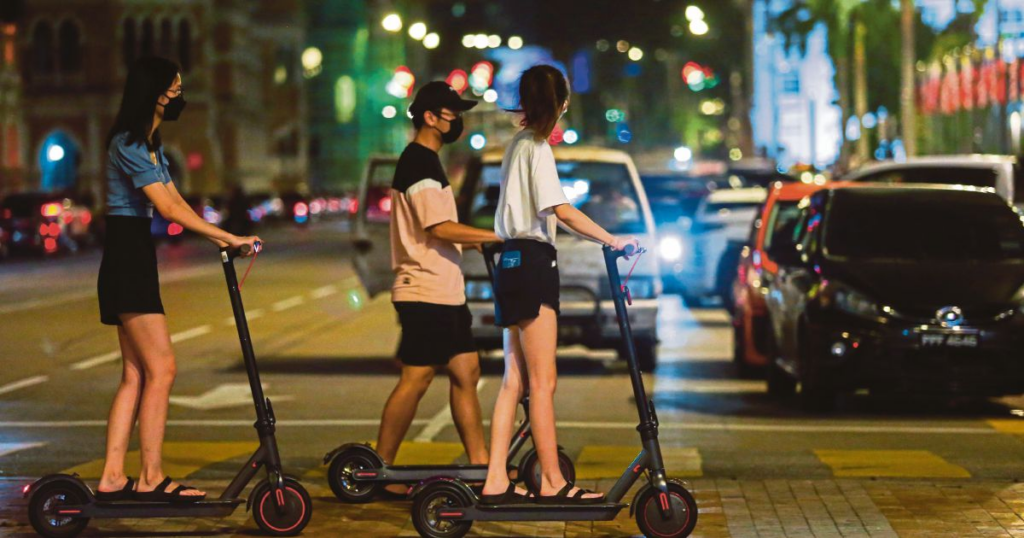
One of the less talked-about changes in the amendments is the introduction of a formal legal framework for micromobility vehicles.
The law now officially defines these vehicles, covering transport devices powered by electricity, engines, or human effort.
It also establishes rules governing how authorities can detain, seize, and dispose of micromobility vehicles that are operated illegally.
The move comes after years of debate over the regulation of devices such as e-scooters and other personal mobility vehicles.
At the same time, the amendments include safeguards for Personal Mobility Aids (PMAs), particularly for persons with disabilities, students, and lower-income users.
These devices will continue to be permitted in designated areas such as pedestrian walkways and residential zones.
The changes are intended to distinguish mobility aids from recreational or higher-speed devices, which have often been lumped together in public discussions.
6. Your digital licence and road tax now carry legal status
The amendments officially recognise digital licences and digital road tax records.
This formally recognises the government's transition to digital documentation through the MyJPJ app.
For motorists, it means digital versions now carry the same legal status as physical documents under the law.
The changes also pave the way for summonses and official notices to be issued electronically.
7. Drivers with suspended licences face much tougher penalties
The penalties for driving while suspended have been significantly increased.
Previously, offenders faced a maximum RM5,000 fine or imprisonment of up to one year.
Under the amendments, offenders can now face fines ranging from RM3,000 to RM10,000, imprisonment of up to three years, or both.
8. Lying to authorities could become extremely expensive
The amendments dramatically increase penalties for false declarations and fraudulent information submitted under the Act.
Depending on the offence, penalties can now reach RM200,000 in fines and up to 10 years in prison.
The tougher penalties are intended to target forged documents, false registrations, and identity-related fraud involving vehicles and licences.
9. More JPJ services can move online
Beyond digital road tax and licences, the amendments also give legal recognition to electronic notices and electronic communications.
In practical terms, this means more JPJ-related processes could eventually move online, reducing reliance on physical paperwork.
The amendments also provide a legal basis for future digital accident-reporting mechanisms.
10. The government wants to stop people from gaming the road tax system
The amendments introduce a new framework requiring vehicle owners to declare where their vehicles are primarily used.
The framework is intended to address situations where vehicles are registered in lower-tax jurisdictions but are primarily used elsewhere.
Owners who fail to update usage information or pay the appropriate differences could face penalties.
11. Outstanding transport cases could affect cross-border travel
New provisions allow authorities to block certain vehicles from crossing Malaysia's borders if they have unresolved transport-related matters.
The amendments also strengthen cooperation between multiple transport agencies, making it more difficult for offenders to avoid enforcement by dealing with different regulators separately.
12. Enforcement officers are getting stronger legal protection
The amendments create specific offences covering obstruction, intimidation, harassment, and interference with enforcement personnel carrying out their duties.
The amendments also give officers broader statutory powers to control and divert traffic during operations and emergencies.
For most motorists, day-to-day driving habits will largely remain unchanged.
But for illegal racers, repeat offenders, and those who rely on loopholes or document fraud, the consequences are about to become considerably more severe.
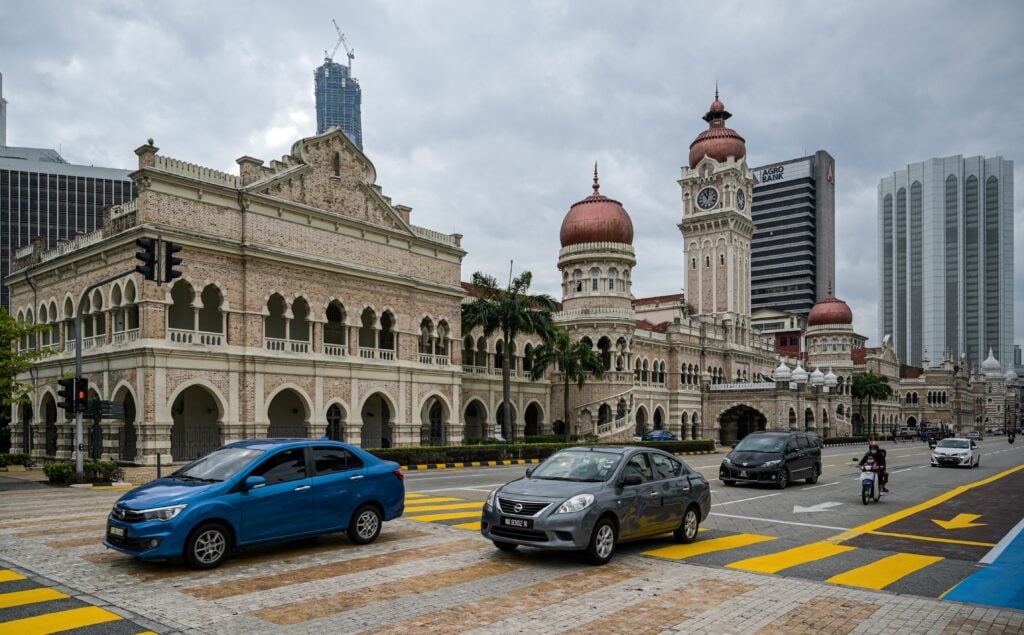
Motorists drive past Sultan Abdul Samad building housing government offices, in front of Merdeka Square.
Image via Mohd Rasfan/AFPMeanwhile, here's how much traffic fines are increasing under the Road Transport (Amendment) Bill 2026:
Enacted 2026 Penalty & Compound Revision Table
| Offence / Clause | Previous Statutory Penalty | Enacted 2026 Amended Penalty |
|---|---|---|
|
Street Racing & Speed Trials (Clause 15 / Sec 42A) |
N/A (Previously prosecuted under general reckless driving provisions). |
1st Offence: Fine of RM2,000 to RM10,000, up to 2 years in prison, or both. Repeat Offence: Fine of RM5,000 to RM20,000, up to 5 years in prison, or both. (Note: Max 5-year cap, not a mandatory minimum). |
|
Driving on a Suspended / Disqualified Licence (Clause 13 / Sec 32(3)) |
Fine up to RM5,000, or up to 1 year in prison. | Fine of RM3,000 to RM10,000, and up to 3 years in prison. |
|
Assaulting / Obstructing Officers & 'Tonto' Activity (Clause 30 / Sec 110B) |
N/A (Brand new standalone seizable offence to combat lookouts and protect personnel). |
Fine of RM10,000 to RM50,000, and a mandatory prison sentence of 1 to 5 years (or both). |
|
Making False Statements / Forgery (Base Offence) (Clause 28a / Sec 108(1)) |
Fine up to RM5,000, or up to 1 year in prison. | Fine of RM10,000 to RM50,000, or up to 10 years in prison. |
|
Making False Statements / Forgery (Fraudulent Intent) (Clause 28b / Sec 108(3)) |
Fine of RM5,000 to RM20,000, or 1 to 5 years in prison. | Fine of RM10,000 to RM200,000, or 1 to 10 years in prison. |
|
General Penalty for Unspecified Offences (Clause 34 / Sec 119(2)) |
1st Offence: Max RM2,000 fine / Max 6 months' jail. Repeat Offence: Max RM4,000 fine / Max 12 months' jail. |
1st Offence: Mandatory floor fine of RM1,000 to RM2,000, up to 6 months in prison, or both. Repeat Offence: Mandatory floor fine of RM2,000 to RM10,000, up to 2 years in prison, or both. |
|
Court Minimum Fine Increase (Clauses 6, 7, 11, 14, 19, 21, 26)
|
Minimum baseline court fine of RM300. | Minimum baseline court fine increased to RM500. |
|
Maximum Compound Rate Ceiling (Clause 37 / Sec 120(1)) |
Maximum compound cap of RM300. |
Maximum compound cap increased to RM500. (Note: Transport Minister Anthony Loke confirmed a transition grace period, meaning the RM500 ceiling will not take effect until 1 January, 2029). |
