
Removable Car Sunshades Are Illegal In Malaysia, But Here’s Why You Can Continue Using Them
A recent Road Transport Department (JPJ) reminder sparked confusion among motorists after stating that removable sunshades could constitute an offence.


 Cover image via Zain Ahmed/New Straits Times
Follow us on Instagram, TikTok, and WhatsApp for the latest stories and breaking news.
If you've been wondering whether removable sunshades on your car windows are legal in Malaysia, you're not alone
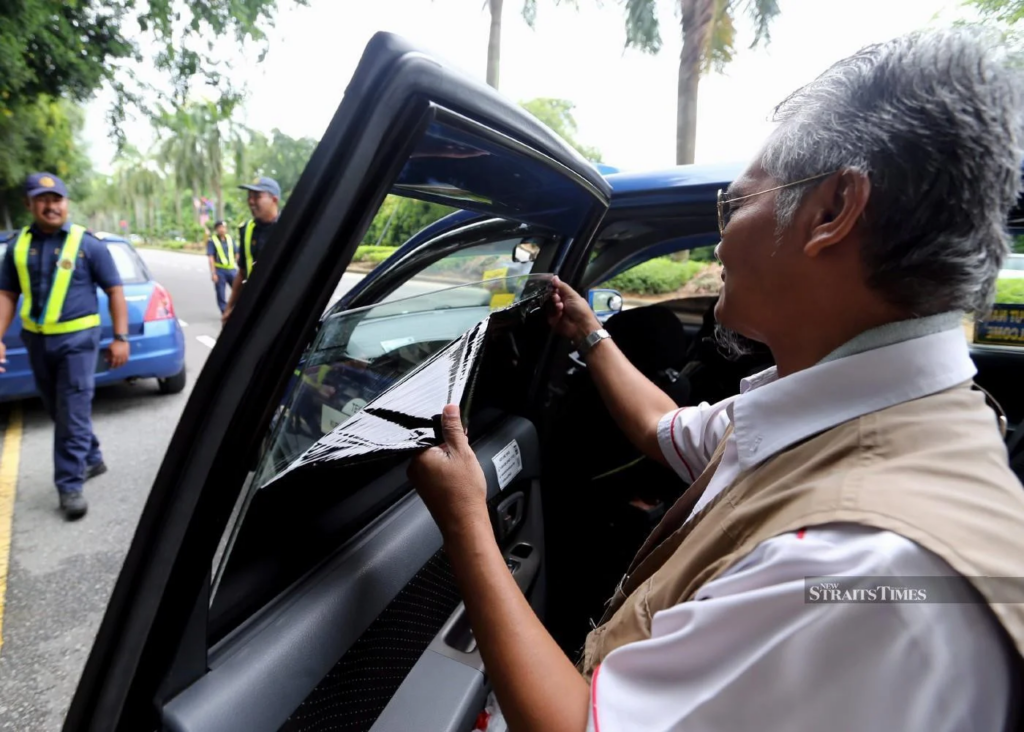
The issue recently sparked widespread debate after the Road Transport Department (JPJ) reminded motorists that removable sunshades, curtains, blinds, and similar accessories attached to vehicle windows while driving could constitute an offence under existing regulations.
The reminder quickly drew criticism online, with many Malaysians questioning why inexpensive mesh sunshades could potentially attract enforcement action while heavily tinted rear windows remain legal under current rules.
The confusion eventually prompted Transport Minister Anthony Loke to step in and clarify the government's position.
Here's what motorists need to know.
What does the law actually say?
JPJ regulates vehicle window modifications through the Motor Vehicles (Prohibition of Certain Types of Glass) Rules 1991.
While the regulations are primarily associated with window-tinting standards, authorities have also interpreted them to prohibit physical obstructions, such as curtains, blinds, and removable sunshades, when a vehicle is in motion, according to the New Straits Times.
According to JPJ, these accessories may create blind spots, reduce a driver's field of vision, and compromise road safety.
The department also noted that such obstructions can make it more difficult for enforcement officers to observe activities inside a vehicle, including seatbelt compliance and mobile phone violations.
Under JPJ's interpretation, motorists may use these accessories when their vehicles are parked, but they should be removed before driving.
What are the penalties?
JPJ previously warned that motorists found violating the rules could face compound fines.
The compound rate starts at RM150 if settled within the prescribed period and may increase to RM300 depending on payment timelines and enforcement procedures.
Why did Malaysians push back?
Much of the public frustration centred on what many viewed as a contradiction in existing regulations.
Many motorists pointed out that removable mesh sunshades are often used as an affordable way to reduce heat inside vehicles, especially in Malaysia's hot climate.
Some basic magnetic or clip-on sunshades can be purchased for as little as RM20.
By comparison, high-quality JPJ-compliant ceramic or crystalline tint films capable of significantly reducing heat can cost several thousand ringgit.
The issue quickly gained traction across social media platforms, where users questioned whether the rules were practical or being applied consistently.
As debate intensified, Loke clarified that sunshades are not being actively enforced against motorists who use them
"The ministry does not enforce the ruling against sunshades which do not obstruct the driver's view, and the Transport Ministry has not instructed JPJ to enforce the ruling," he was quoted as saying by the New Straits Times.
"The JPJ director-general has also not issued any directive for enforcement against the use of sunshades."
Loke acknowledged that visibility remains an important safety consideration but stressed that JPJ's enforcement priorities are currently focused on more serious road safety threats.
"This is not to say that matters such as sunshades with regard to visibility are not important; however, they are not the priority compared to matters such as illegal racing, mat rempit, drunk driving and reckless driving," he said.
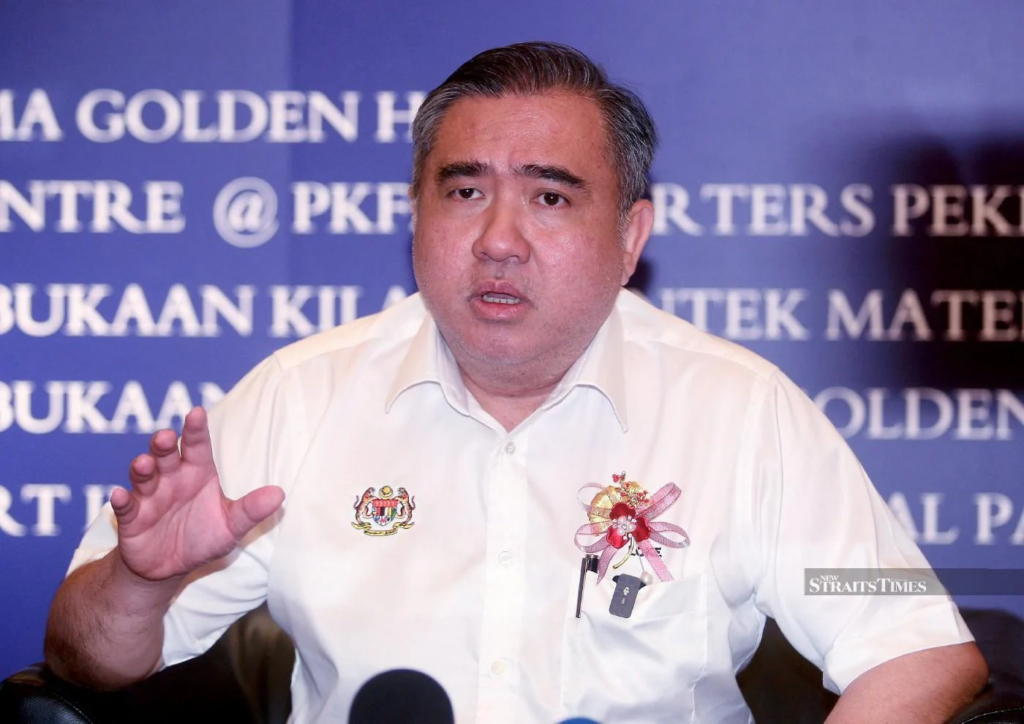
Transport Minister Anthony Loke.
Image via Faiz Anuar/New Straits TimesSo, can you continue using removable sunshades?
Based on Loke's clarification, the practical answer is yes.
Although provisions restricting removable sunshades remain within existing regulations, the Transport Ministry has stated that JPJ has not been instructed to actively target motorists using them.
The key consideration is visibility.
Drivers should ensure that any sunshade, curtain, or similar accessory does not block their view of surrounding traffic, pedestrians, road conditions, side mirrors, or other critical sightlines.
Why is there still confusion?
Despite Loke's clarification, some motorists say uncertainty remains because terms such as "obstructing visibility" can be subjective.
Commenters on social media questioned how enforcement officers would determine whether a particular sunshade interferes with a driver's view and whether different officers might interpret the rule differently.
Others argued that clearer written guidance from JPJ would help reduce uncertainty and ensure motorists understand exactly what is and isn't permitted.
For now, however, the Transport Ministry's message is clear: removable sunshades are not an enforcement priority as long as they do not compromise road safety or a driver's ability to see the road.
