
“I Know Nothing About Politics” — What Should You Understand Before Voting?
A simple first-time voter guide for Malaysians who do not follow politics, covering what your vote decides, how to compare candidates and why your vote is secret.


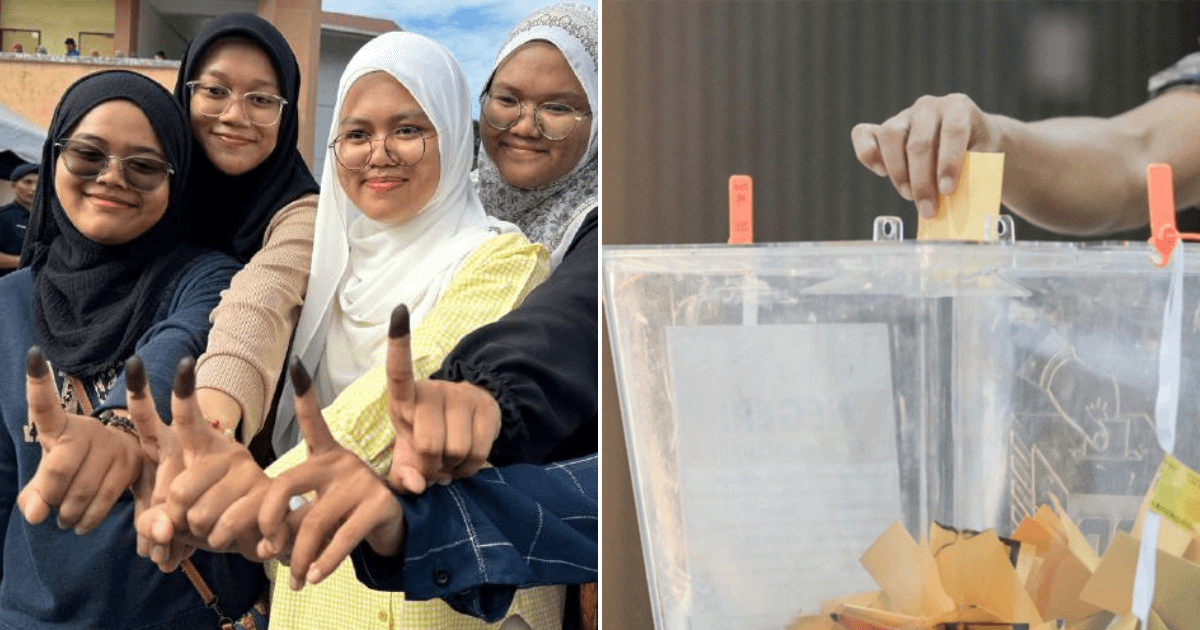 Cover image via
 Follow us on Instagram, TikTok, and WhatsApp for the latest stories and breaking news.
Perhaps it's you're first time voting, and you have no clue where to start
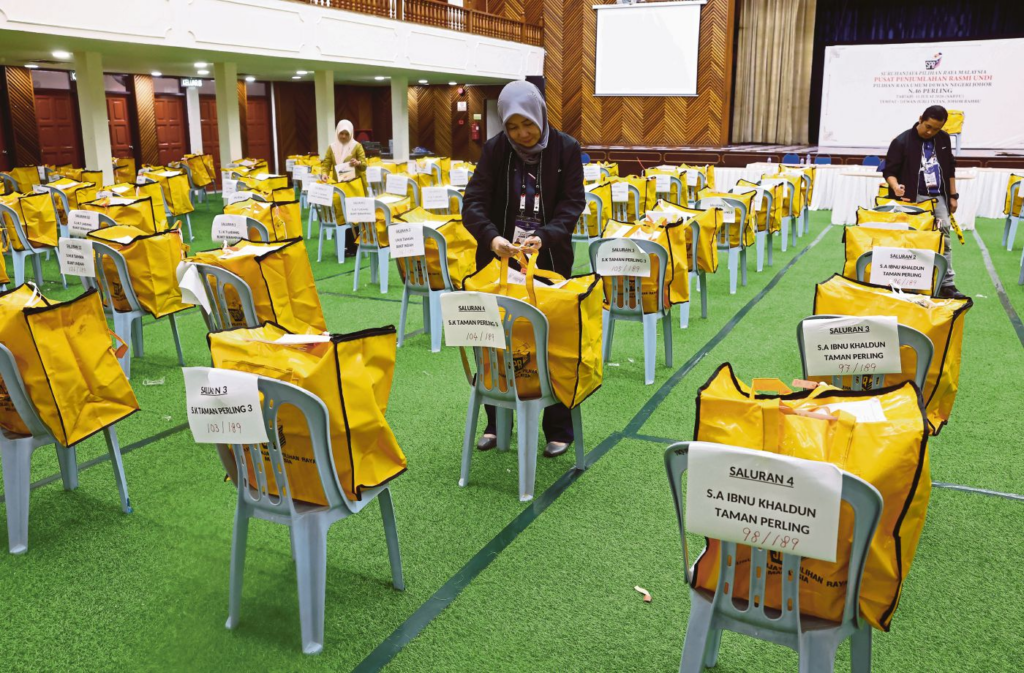
The good news is that you do not need to know everything about politics before you vote. It's about making a choice based on what you care about and who you trust to represent your area.
That being said, you should understand the basics, including: What your vote decides, who is contesting in your area, what issues matter to you, and whether the claims you hear during election season are reliable.
First, know what you are voting for
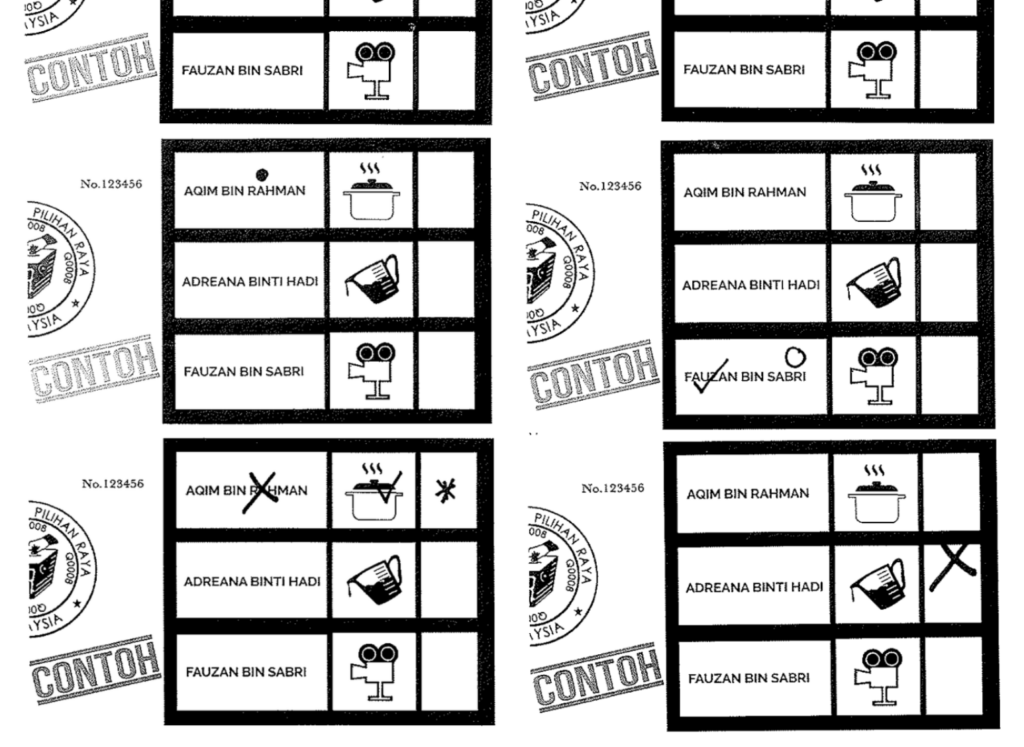
In Malaysia, you vote for the candidate that will be representing you.
In a general election, you vote for a Member of Parliament, or MP, to represent your parliamentary seat in the Dewan Rakyat. You do not vote directly for the prime minister. The prime minister is appointed based on who commands majority support in the Dewan Rakyat after the election.
In a state election, you vote for a State Assemblyperson, or ADUN, to represent your state seat in the State Legislative Assembly.
If a general election and a state election are held at the same time in your area, you will receive two ballot papers: One for your parliamentary seat and one for your state seat.
You are choosing a person, but the party also matters

Your ballot usually shows candidates, but those candidates may represent political parties or coalitions.
A candidate is the person contesting in your area.
A political party is the organisation they belong to.
A coalition is a group of parties working together.
This matters because the candidate who wins your seat becomes your representative, while their party or coalition may also affect who forms the government after the election.
What should I know about a political candidate or party before casting my vote?

You do not need to understand every national issue before voting. Start with the issues that affect your life, your family, your work, your studies, or your area.
This can include:
- Cost of living
- Jobs and wages
- Housing
- Public transport
- Healthcare
- Education
- Corruption
- Floods and climate issues
- Local roads and services
ㅤ
Once you know which issues matter to you, it becomes easier to compare candidates and parties.
Here are a few questions you can ask while researching candidates and political parties:
"What party or coalition do they represent?"
"What have they promised?"
"Have they served before?"
"What is their track record?"
"Do they understand local issues?"
"Are their claims backed by reliable sources?"
While not exhaustive, these questions give you an initial understanding of where each candidate stands in relation to your priorities.
Election season comes with a lot of noise, so do not believe every election claim immediately

You may see viral screenshots, cropped videos, old clips, fake quotes, campaign promises, rumours, or forwarded WhatsApp messages.
Before believing or sharing something, check who said it, when it was said, where it was first published, and whether there's an official statement. If a claim is designed to make you feel angry, scared, or shocked immediately, pause before sharing it.
As a first-time voter, don't be pressured into voting a certain way (even by the people closest to you)
No one should be able to know who you voted for unless you choose to tell them.
Your family, friends, employer, lecturer, client, or community leader cannot check who you marked on your ballot paper. Inside the voting booth, you vote privately. Your vote is yours.
Here's the thing: You are allowed to be unsure
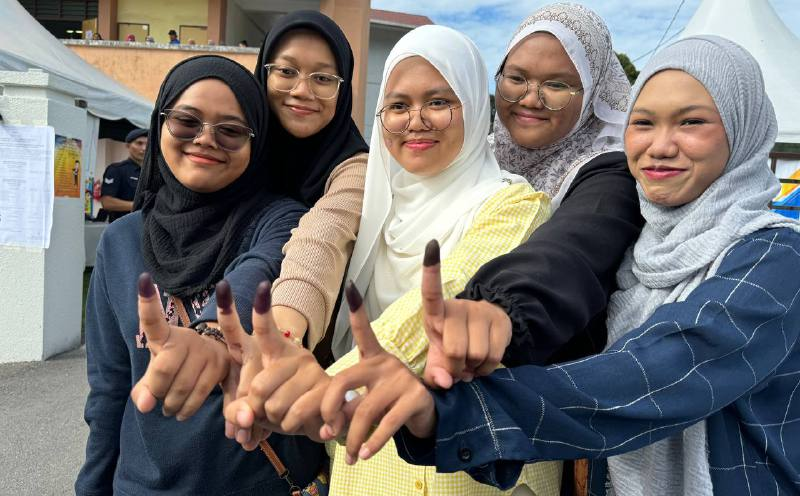
Remember, first-time voters do not need to have perfect political knowledge. It is normal to feel unsure.
A good starting point is to know:
- Who is contesting in your seat
- What your vote decides
- Which issues matter to you
- What each candidate or party says about those issues
- Whether their claims are reliable
- Where you are supposed to vote
ㅤ
That is already enough to make a more informed choice than voting blindly.
Frequently asked questions
Can I vote if I do not follow politics?
Yes. You can still vote. Start by checking who is contesting in your seat and what issues matter most to you.
Do I need to know every party's full manifesto?
No. Focus on the parts that affect your life, such as jobs, housing, transport, healthcare, education, cost of living, corruption, or local services.
Should I vote based on candidate or party?
Both matter. The candidate represents your area, while the party or coalition can affect the bigger government formed after the election.
Can my family know who I voted for?
No. Your vote is secret unless you choose to tell them. Do not photograph your ballot paper or show it to anyone.
Where do I check my voting details?
Use MySPR Semak, the Election Commission's official voter-checking system. It allows voters to check voter registration and polling details using their MyKad, military, or police service number.
Related first-time voter guides:
- First-Time Voter Guide: Everything Malaysians Should Know Before Casting Their Vote
- First-Time Voter Guide: How To Research Candidates And Political Parties
- First-Time Voter Guide: Is It Okay To Spoil Your Vote In Malaysia?
- Election Terms Every First-Time Malaysian Voter Should Know
- I Know Nothing About Politics. What Should I Understand Before Voting?
- What Is The Difference Between A Political Party, A Coalition, And A Government?
- How To Check Your Voter Status, Voting Place, And Constituency In Malaysia
Last updated: 29 July 2026
