
IMF Forecasts 4.7% Growth For Malaysia In 2026. Here’s How It Affects You
This growth presents itself with a lucrative set of benefits for Malaysians.


 Cover image via
 Follow us on Instagram, TikTok, and WhatsApp for the latest stories and breaking news.
Malaysia's economy is poised to expand by 4.7% in 2026, propelled by an aggressive surge in domestic data centre investments and a sharp upswing in the global technology cycle
This positive evaluation comes directly from the International Monetary Fund (IMF), which released its July 2026 World Economic Outlook (WEO) Update, titled Global Economy in Crosscurrents of War and Technology, today, 10 July.
While Malaysia leverages its strategic infrastructure to capitalise on the computing boom, particularly with the rapid influx of massive, energy-hungry server hubs across Selangor and Johor, the broader international landscape presents a highly fragmented outlook.
The IMF predicts that economic growth across emerging markets and developing economies will decelerate to 3.8% in 2026 before climbing back to 4.5% in 2027.
These uneven growth patterns reflect deep structural variations between regions; factors such as commodity dependence, geographical proximity to active conflicts, tourism receipts, and a nation's exact position within the global technology value chain heavily influence economic resilience.

Image used for illustration purposes only.
Image via Zakwan Effendi/PexelsOn a broader scale, the international lender expects global growth to hit 3% in 2026 and 3.4% in 2027
This marks a step down from the 3.5% average expansion observed throughout the 2024 – 2025 period, though it remains cumulatively unchanged from the previous forecasts published in April 2026.
Economists attribute this modest global cooling to the economic drag caused by the war in West Asia. Fortunately, a massive wave of demand-driven momentum in the global tech cycle, heavily turbocharged by rapid advancements and the widespread commercial adoption of artificial intelligence (AI), is working behind the scenes to offset these geopolitical disruptions partly.
The IMF report highlights that the ultimate impact of these economic crosscurrents depends entirely on a country's industrial alignment
Energy exporters operating safely outside active conflict zones are enjoying highly favourable terms of trade, whereas industrial economies that are deeply plugged into the technology-led upturn are witnessing robust commercial activity, even if they rely heavily on imported energy.
In stark contrast, financial conditions are weakening rapidly for energy-importing nations that have limited or no participation in the high-tech value chain, a vulnerable category that unfortunately includes many low-income countries. For Malaysia, sitting comfortably as a critical hub in the regional tech and digital ecosystem provides a vital economic buffer against these global headwinds.
What this means for the average Malaysian
For the ordinary citizen, a robust 4.7% economic expansion driven by a technology boom directly translates into high-quality career opportunities.
The influx of massive data centres in regions like Selangor and Johor creates a strong demand for skilled professionals; fields such as cloud computing, cybersecurity, civil engineering, and digital infrastructure management are poised to experience an employment surge, according to The Edge.
This structural shift allows local graduates to secure high-value technical positions domestically, reducing the need to seek employment abroad to find competitive salaries, as seen in this study.
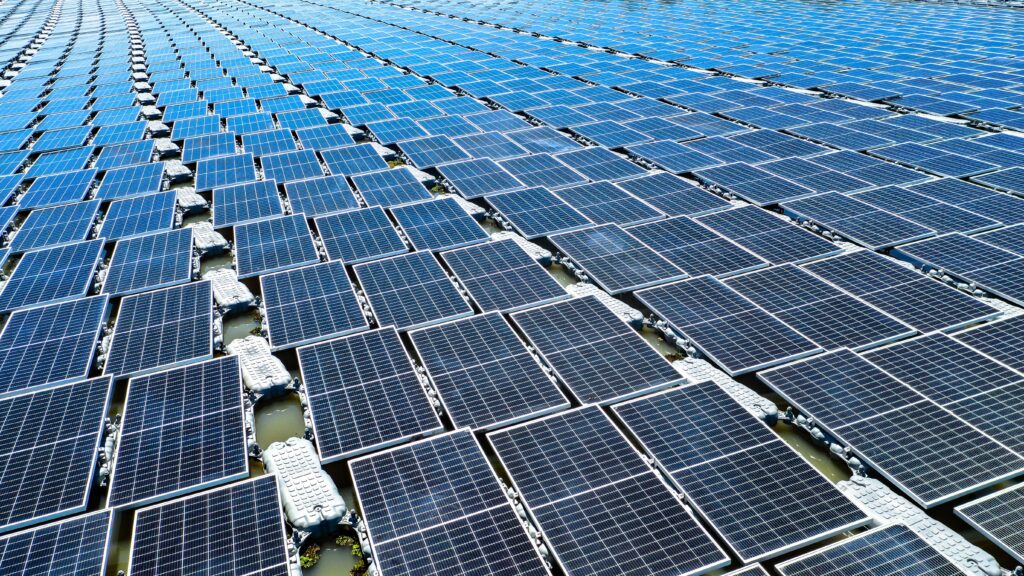
Image used for illustration purposes only.
Image via Abdulaziz Hasan/PexelsBeyond the tech sector, this massive capital investment generates strong ripple effects across the domestic economy, benefiting micro, small, and medium enterprises
As global tech giants establish their presence locally, they drive demand for local services, including retail, hospitality, logistics, and maintenance, which directly boosts community businesses, according to The Edge.
Furthermore, the government's collaboration with utility providers to support these energy-intensive hubs will likely accelerate national grid upgrades, ensuring a more stable and resilient power infrastructure for residential consumers over the long term.
