


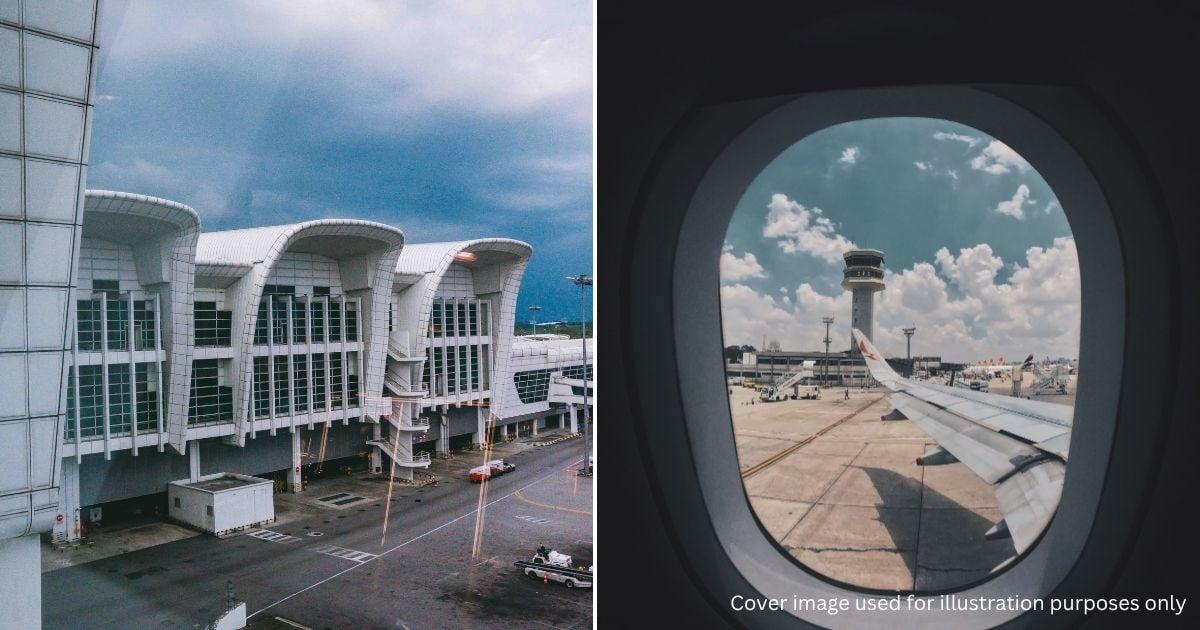
 Cover image via
 Follow us on Instagram, TikTok, and WhatsApp for the latest stories and breaking news.
Kuala Lumpur International Airport (KLIA) fell to third place among Southeast Asia's busiest airports in July, after being overtaken by Indonesia's Soekarno-Hatta International Airport
According to data from aviation analytics firm OAG, seat capacity dropped across much of the region as high fuel costs and Middle East tensions forced many airlines to reduce flight routes.
Singapore's Changi Airport retained the top spot with 3.56 million seats, while Soekarno-Hatta Airport in Jakarta moved into second place with 3.3 million seats, up 3.2% from last year.
Meanwhile, KLIA's seat capacity fell 4.4% to 3.15 million seats, causing the Malaysian hub to slip down from its usual second-place position.
Other main airports in the region also saw seat numbers fall in July. Thailand's Suvarnabhumi Airport ranked fourth with 3.14 million seats, down 1.9%, while Manila's Ninoy Aquino Airport placed fifth with 2.58 million seats, down 5.1%.
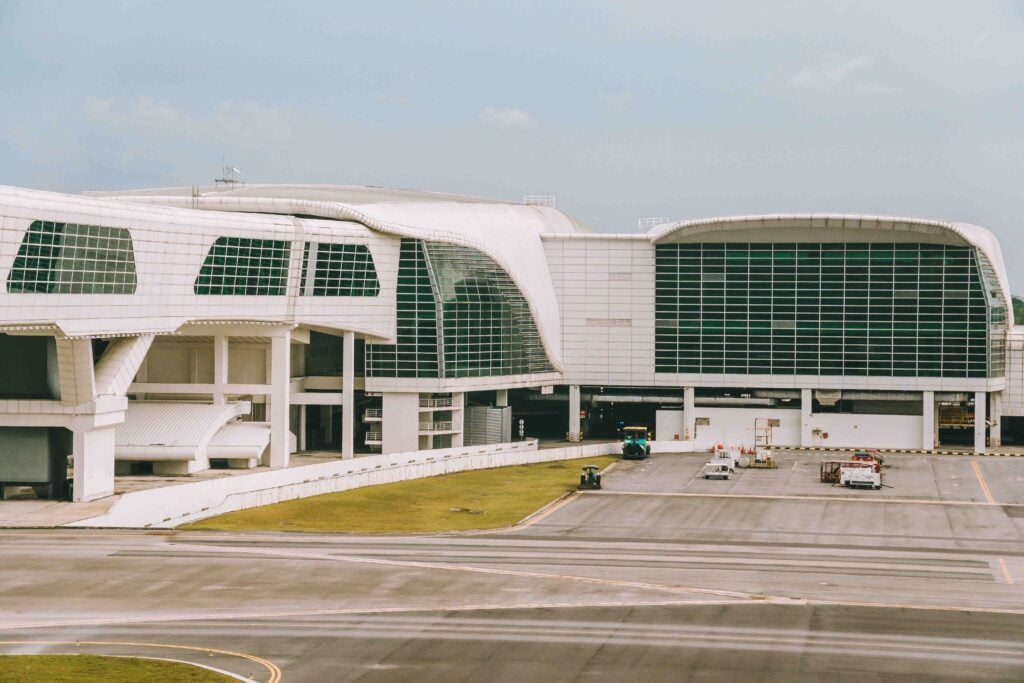
Image used for illustration purposes only.
Image via Theodore NguyenTotal airline seat capacity across Southeast Asia fell 1.2% in July to 50.4 million seats
Rising fuel prices led several regional airlines to trim international routes, highlighting how global fuel costs directly influence regional flight availability and travel options across the region.
Spanning 100 sq m in Sepang, KLIA remains the largest airport in Southeast Asia by land size, serving as a key hub for local and global air travel. Despite the decline in seat capacity in July, overall passenger numbers at KLIA remain strong.
Data shows KLIA handled 23.4 million international passengers in the first half of this year, up 7.8% from last year
Total passenger movements at the airport rose 5.4% to 31.7 million people. Strong tourism demand and new airline partners continue to support long-term growth at Malaysia's main gateway.
The growth in passenger traffic has also been supported by key policy changes, such as visa-free entry for visitors from China and India. Industry experts expect flight capacity to rebuild as regional travel demand remains strong throughout the rest of the year, while aviation authorities continue working closely with airlines to expand connectivity.

Read more trending stories on SAYS
Rocky’s Owner Shares Account Of What Happened On The Night He Died
Roghini Devi showed photographs of Rocky, whom she said she had rescued from the streets as a puppy two years ago.